Keto Diet Food List and Meal Plan: Your Guide to Getting Started
Starting the keto diet? Get a comprehensive food list, a sample meal plan, and essential tips to successfully begin your ketogenic journey.


If you’re ready to shift your body into fat-burning mode, the keto diet is a structured way to get there. It’s a very low-carb, high-fat plan that aims to put you in ketosis, where your body burns fat for fuel instead of carbs. This article covers the essential food list, a sample meal plan for your first week, and common mistakes to avoid so you can start with confidence.
Key Takeaways
- Restrict net carbs to 20-50 grams per day to enter and stay in ketosis.
- Fill 70-80% of daily calories with healthy fats like avocado, olive oil, and nuts.
- Eat moderate protein (10-20% of calories) to avoid converting excess protein into glucose.
- Drink plenty of water and supplement electrolytes to reduce ‘keto flu’ symptoms.
- Consult a healthcare professional before starting if you have a medical condition or take medication.
What is the Keto Diet?
The ketogenic diet is a very low-carb, high-fat diet that shifts your body into a metabolic state called ketosis. In ketosis, your body burns fat for fuel instead of glucose, producing ketones. To achieve this, you typically restrict carbohydrate intake to 20-50 grams per day. Fats make up 70-80% of your daily calories, with moderate protein filling the rest. This dramatic shift in fuel source is what sets keto apart from other low-carb approaches.
Essential Tools and Foods for Your Keto Journey
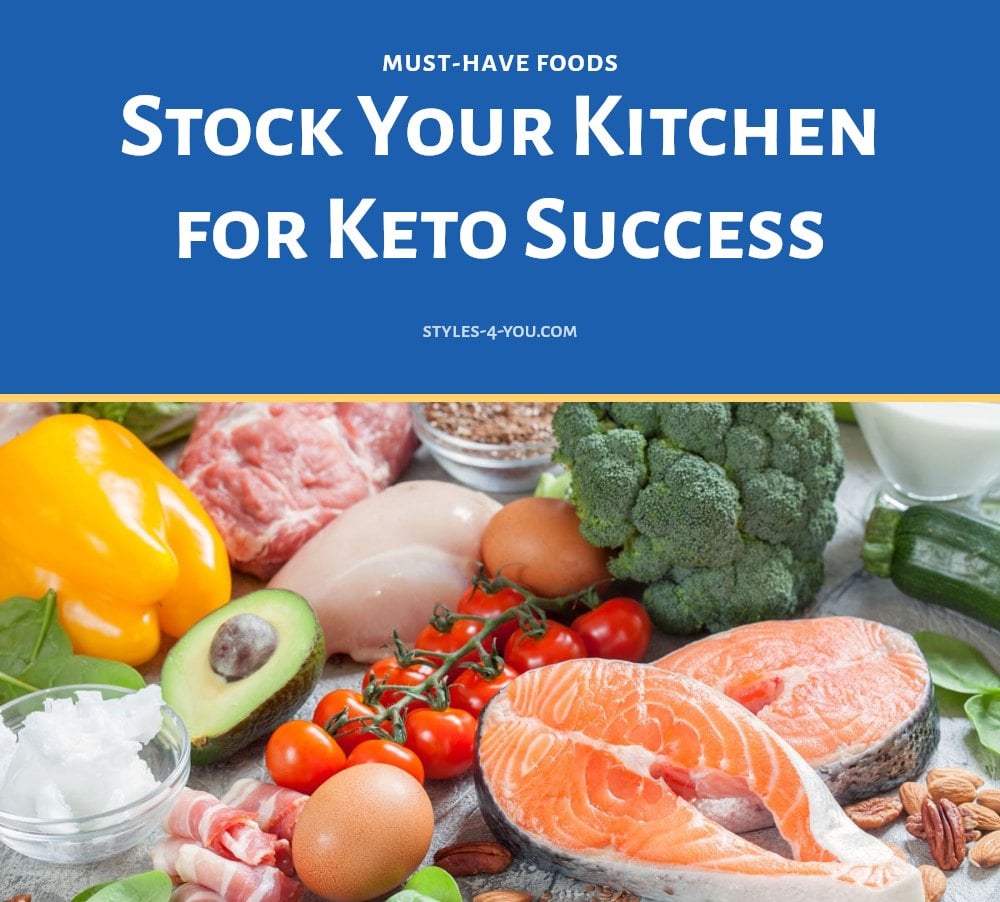
Before you start, gather a few tools to set yourself up for success. Accurate tracking is key, so get measuring cups, spoons, and a food scale to precisely monitor your carb intake. A food diary or tracking app helps you stay on top of your macronutrients. Electrolyte supplements with magnesium, potassium, and sodium are a smart buy to prevent ‘keto flu’ symptoms. Ketone testing strips are optional but can confirm you’ve reached ketosis.
For your pantry, stock up on healthy fats like avocados, olive oil, and nuts. Prioritize protein from meat, poultry, fish, and eggs. And don’t forget non-starchy vegetables such as leafy greens and broccoli to get essential fiber and nutrients.
Your First Week Keto Meal Plan
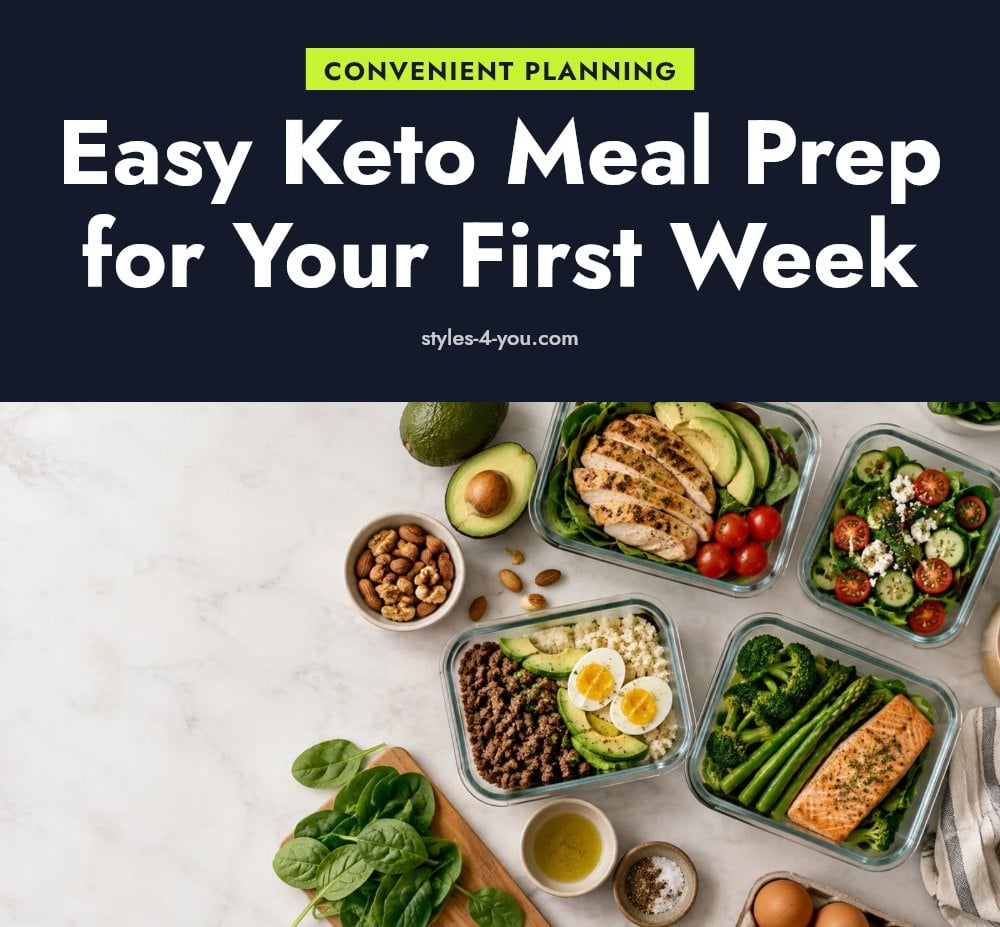
This sample meal plan is a general guide for your first week. Adjust portion sizes to meet your individual macronutrient goals. Focus on whole, unprocessed foods and stay hydrated. Make sure you’re getting enough electrolytes, especially during this initial phase.
| Day | Breakfast | Lunch | Dinner |
|---|---|---|---|
| Monday | Scrambled eggs with spinach | Grilled chicken salad with olive oil dressing | Salmon with roasted broccoli and cauliflower |
| Tuesday | Avocado and bacon | Tuna lettuce wraps with mayo | Beef stir-fry with bell peppers and zucchini |
| Wednesday | Keto smoothie (coconut milk, spinach, protein powder) | Egg salad with full-fat dressing | Pork chops with sautéed kale |
| Thursday | Cheese and nut platter | Shrimp avocado salad | Lamb chops with asparagus |
| Friday | Full-fat Greek yogurt with berries (small portion) | Chicken thigh with cucumber and olive oil | Baked cod with Brussels sprouts |
| Saturday | Bacon and mushroom omelet | Leftover baked cod with greens | Steak with buttered green beans |
| Sunday | Keto chia pudding (unsweetened almond milk, chia seeds) | Turkey lettuce wrap | Roasted chicken thighs with cauliflower mash |
Snack ideas: celery with almond butter, hard-boiled eggs, olives, or a handful of macadamia nuts.
Understanding Keto-Friendly Foods and What to Avoid
When building your keto plate, focus on healthy fats from sources like olive oil, avocado, and nuts. Approved protein sources include meat, poultry, fish, eggs, and full-fat dairy. Non-starchy vegetables such as leafy greens, broccoli, cauliflower, and bell peppers are generally allowed and provide important fiber.
Foods to avoid
Strictly avoid grains, legumes, most fruits, starchy vegetables, and sugary drinks. These foods are high in carbs and can kick you out of ketosis quickly.
My tip: Read food labels carefully to check for hidden carbs and sugars. Many condiments, sauces, and packaged items contain added sugars or starches that can derail your progress.
Common Keto Mistakes and How to Fix Them
Even with the best intentions, a few common mistakes can slow your progress on keto. Here is how to spot and fix them.
- Not tracking carbs accurately: Hidden carbs add up fast. Use a food diary or tracking app to stay within your 20-50 gram limit every day.
- Ignoring electrolytes: Increased water loss on keto depletes sodium, potassium, and magnesium. Supplementing with these minerals can help prevent ‘keto flu’ symptoms like headache and fatigue.
- Eating too much protein: Excess protein can be converted to glucose through gluconeogenesis, which may hinder ketosis. Aim for moderate protein, around 10-20% of your daily calories.
- Neglecting non-starchy vegetables: Leafy greens, broccoli, and cauliflower provide essential fiber and nutrients. Do not skip them.
- Relying on processed ‘keto’ foods: Many packaged ‘keto-friendly’ items contain hidden sugars or unhealthy ingredients. Prioritize whole, unprocessed foods like meat, eggs, and avocado.
Practical Tips for Keto Success
Small daily habits can make a big difference in how you feel and how well you stick with keto.
- Stay Hydrated: Drink plenty of water throughout the day, especially during the first week. This supports electrolyte balance and helps reduce ‘keto flu’ discomfort.
- Plan Ahead: Meal prep and pack keto-friendly snacks to avoid impulsive, high-carb choices when hunger hits.
- Listen to Your Body: Pay attention to how you feel. If symptoms feel severe, re-evaluate your food intake or talk to a professional.
- Be Patient: It takes 2-7 days to enter ketosis and longer for your body to fully adapt. Do not expect to feel perfect right away.
- Read Labels Religiously: Hidden sugars and starches appear in sauces, dressings, and even spice blends. Always check the ingredient list and nutrition facts.
When to Consult a Healthcare Professional
The keto diet is not right for everyone, and professional guidance is important in certain situations. Consult a healthcare provider before starting if:
- You have an underlying condition such as diabetes, heart disease, or kidney issues.
- You take medication for blood pressure or blood sugar, as dosages may need adjustment.
- You are pregnant or breastfeeding, as keto is generally not recommended without medical supervision.
- You experience severe or persistent side effects, or worry about nutrient deficiencies.
- You have a history of eating disorders or are considering keto for therapeutic use, such as epilepsy management.
Frequently Asked Questions
How long does it take to enter ketosis?
It typically takes 2 to 7 days of restricting carbs to 20-50 grams per day to enter ketosis. The exact time depends on your metabolism, activity level, and how strictly you follow the diet.
Can I eat fruit on a keto diet?
Most fruits are too high in carbs for a standard keto diet, but small portions of berries (like strawberries or raspberries) can fit within your daily carb limit. Avoid bananas, apples, grapes, and other high-sugar fruits.
What is the ‘keto flu’ and how can I avoid it?
The ‘keto flu’ is a group of temporary symptoms like headache, fatigue, and nausea that some people experience when starting keto. You can reduce its impact by staying well-hydrated, supplementing with electrolytes (sodium, potassium, magnesium), and gradually reducing carbs instead of cutting them all at once.
Is the keto diet safe for everyone?
No, the keto diet is not safe for everyone. It is not recommended for people with pancreatitis, liver failure, fat malabsorption disorders, or primary carnitine deficiency. Pregnant or breastfeeding individuals should avoid it unless medically supervised, and those with type 1 diabetes need strict medical oversight due to the risk of diabetic ketoacidosis.
How much protein is allowed on keto?
Protein intake on keto is typically moderate, around 10-20% of your daily calories. Eating too much protein can be converted into glucose through gluconeogenesis, which may interfere with ketosis. Aim for a moderate amount based on your body size and activity level.
Final Thoughts
To make keto work for you, start by tracking your carbs carefully and prioritizing whole, unprocessed foods. Expect the adaptation phase to last a few days to two weeks, with symptoms like fatigue and headache often easing once you stay on top of hydration and electrolytes. With a solid plan and the right food choices, you can navigate the first weeks and build a sustainable routine.
This article provides general information about the ketogenic diet and is not a substitute for professional medical advice. Always consult your doctor or a registered dietitian before starting any new diet, especially if you have a medical condition or take medication.
More Blog ideas
- Your Essential Guide to a Healthy Feminine Hygiene Routine
- Best High Protein Foods to Eat Daily for Health and Energy
- Feeling Stuck: 12 Small Steps to Get Unstuck
- Winter Skin Survival Tips
- How to Get a Flat Stomach
- How to Fix Damaged Hair and Restore Its Health
- Full-Body Kettlebell Workout
- Dry Scalp vs. Dandruff
- Full Body Workout for Beginners
- 21 Easy Beauty Tips Every Woman Should Know
- Feminine Energy: 15 Daily Habits to Feel More Radiant
- Upper Body Workout for Women at Home