Lower Body Workout for Beginners: Build Strength and Tone Your Legs
Start your fitness journey with this beginner lower body workout. Learn foundational exercises, proper form, and a weekly plan to strengthen and tone your legs.

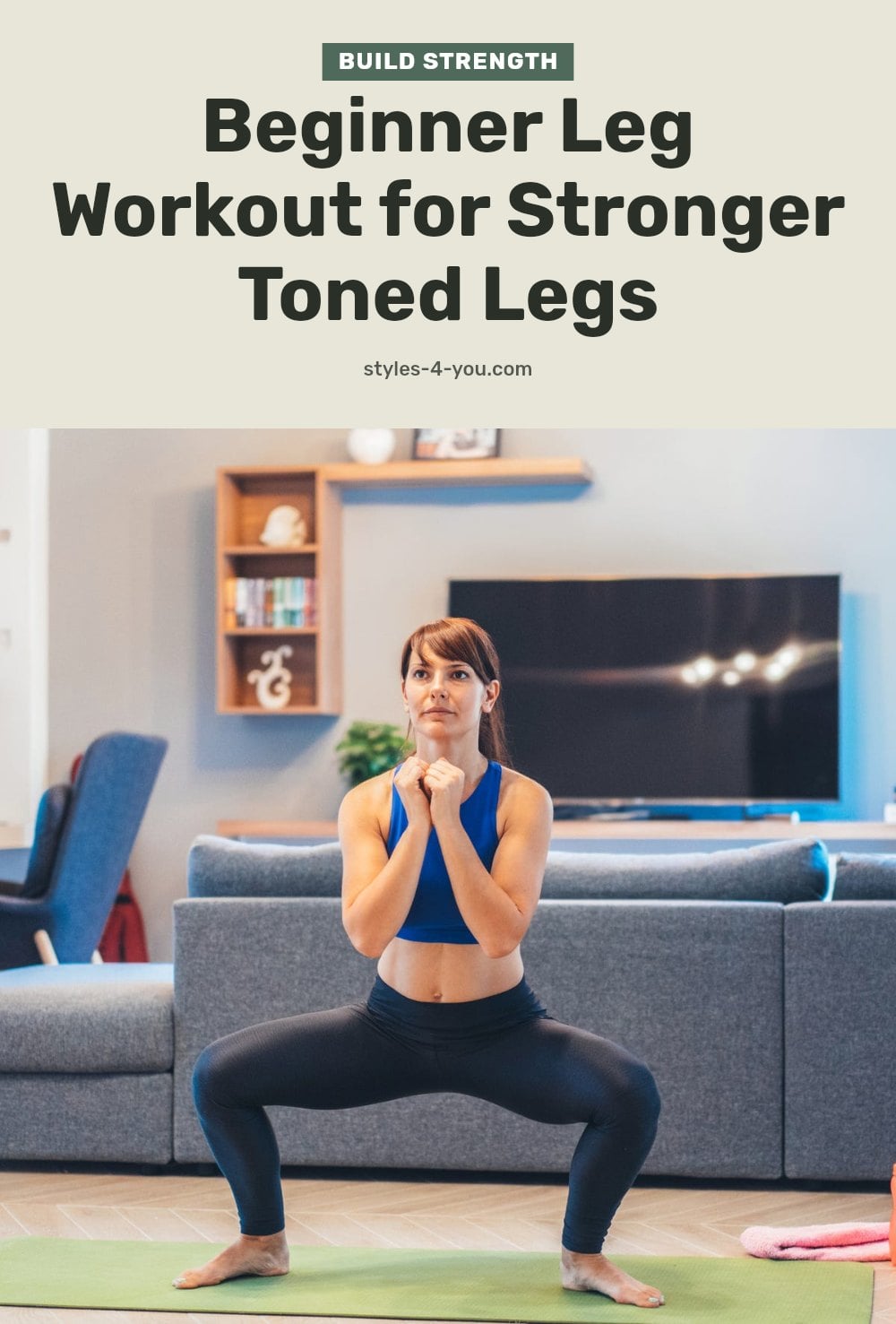
If you’re new to working out, building a strong lower body is one of the best places to start. It supports everything from walking to climbing stairs. This article breaks down a simple, beginner-friendly leg workout that targets your quads, hamstrings, glutes, and calves using mostly bodyweight moves. You’ll get a full plan with warm-up, exercises, cool-down, and tips to avoid common mistakes.
I’ve organized everything step by step so you can follow along at home or at the gym. My tip: focus on form first, and don’t rush through the movements. Your muscles will thank you later.
Key Takeaways
- Aim for 2-3 lower body workouts per week with at least one rest day between sessions.
- Master bodyweight squats, reverse lunges, and glute bridges before adding weights.
- Always warm up with dynamic moves like leg swings and cool down with static stretches.
- Expect to notice strength and endurance improvements within 4-6 weeks of consistent training.
- Stop immediately if you feel sharp pain and consult a professional if needed.
What You’ll Need for Your Leg Workout
Before you start, gather a few basics. Wear comfortable athletic clothing that lets you move freely. Supportive athletic shoes provide stability and cushioning for standing exercises. Keep a water bottle nearby to sip before, during, and after your workout. An exercise mat is optional but nice for floor moves like glute bridges. Light dumbbells or resistance bands are also optional; you can use them to modify exercises once you have mastered proper form.
1. Dynamic Warm-Up: Leg Swings
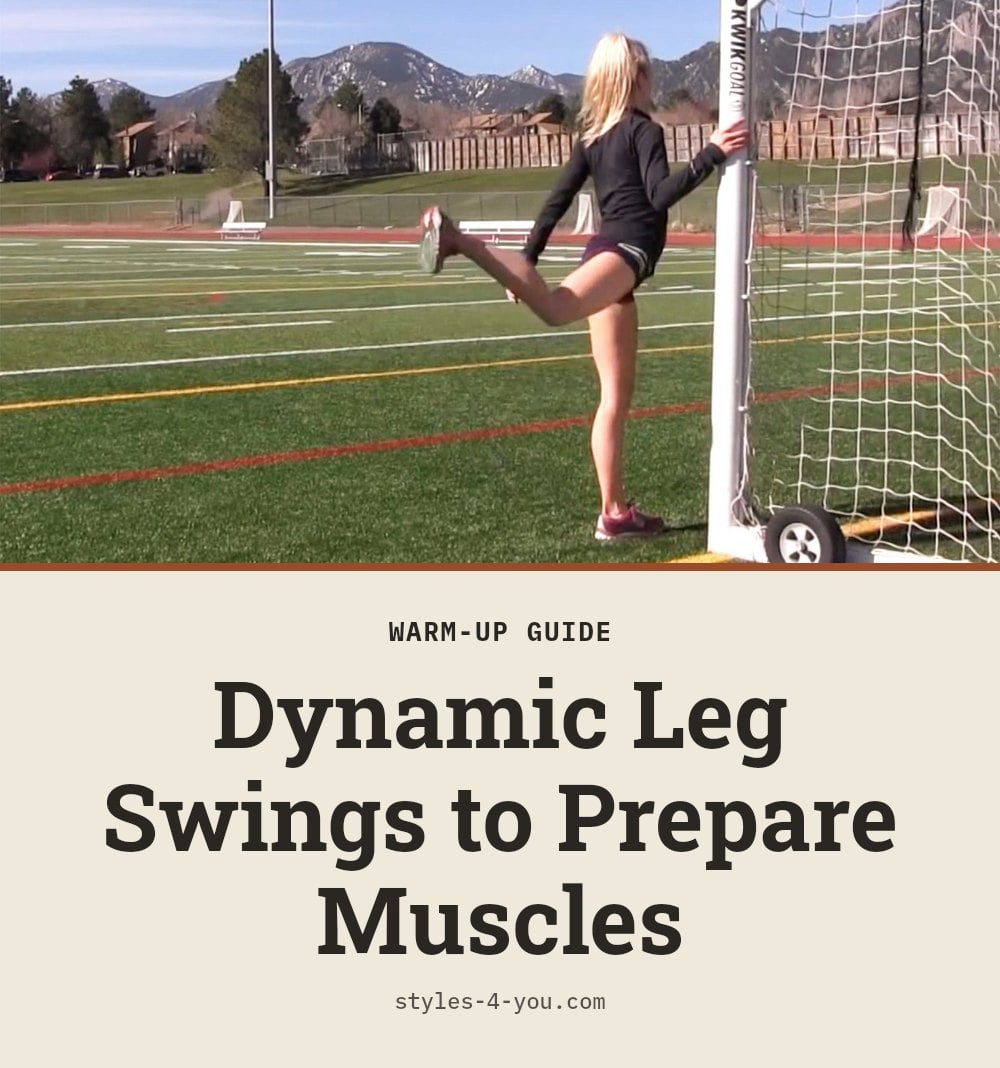
Leg swings prepare your hips and hamstrings for the work ahead. Stand tall and hold onto a wall or chair for balance if you need it. Gently swing one leg forward and backward, gradually increasing the range of motion. Keep the movement controlled rather than flinging your leg.
- Sets and reps: 10-15 swings per leg
- Form cue: Keep your core engaged to prevent arching your back
- My tip: Start with small swings and widen them as you feel looser
2. Bodyweight Squats
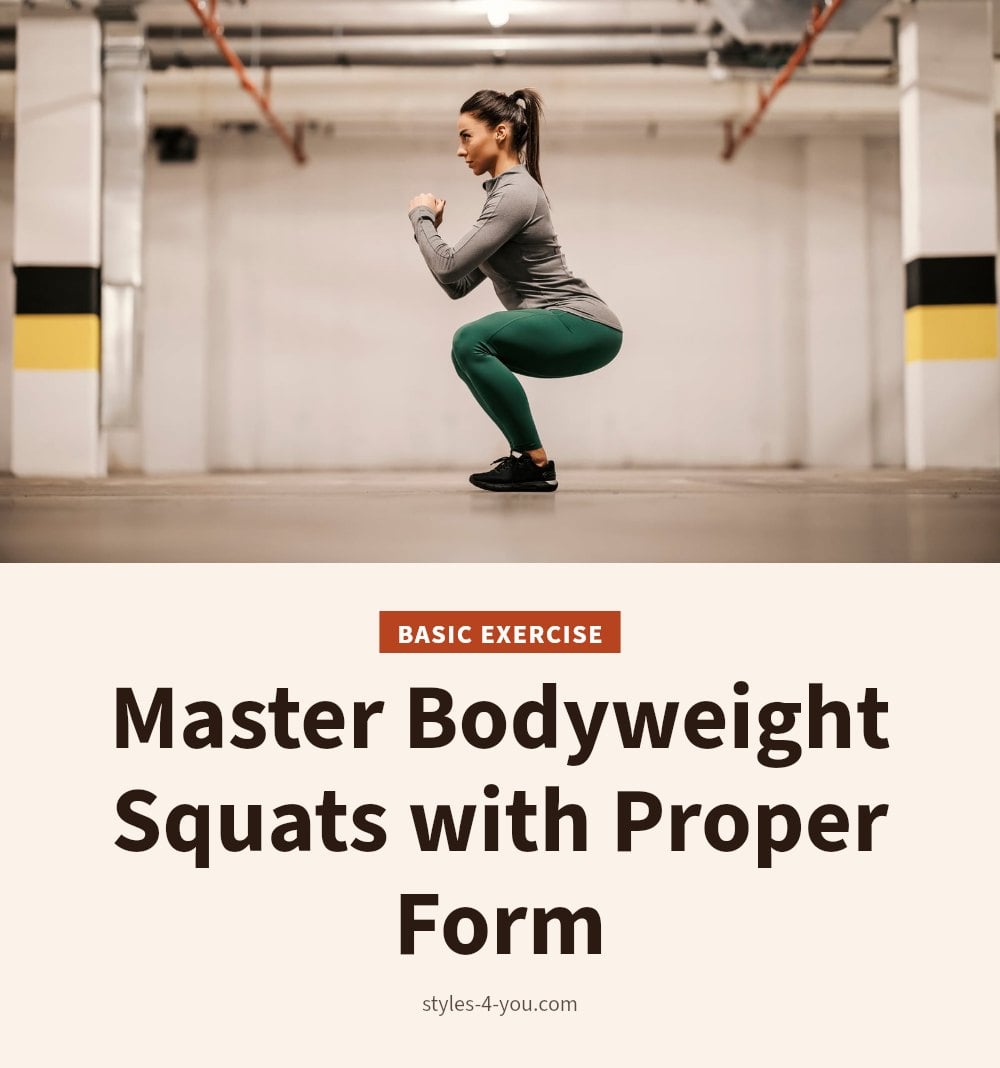
Bodyweight squats are a foundational move for building lower body strength. Stand with your feet shoulder-width apart and your toes pointing slightly out. Lower your hips as if sitting in a chair, keeping your chest up and your back straight. Push through your heels to return to standing.
- Sets and reps: 3 sets of 10-12 repetitions
- Form cue: Ensure your knees track over your toes, not collapsing inward
- Make it easier or harder: Hold a wall for balance to start, or add light dumbbells later
3. Reverse Lunges
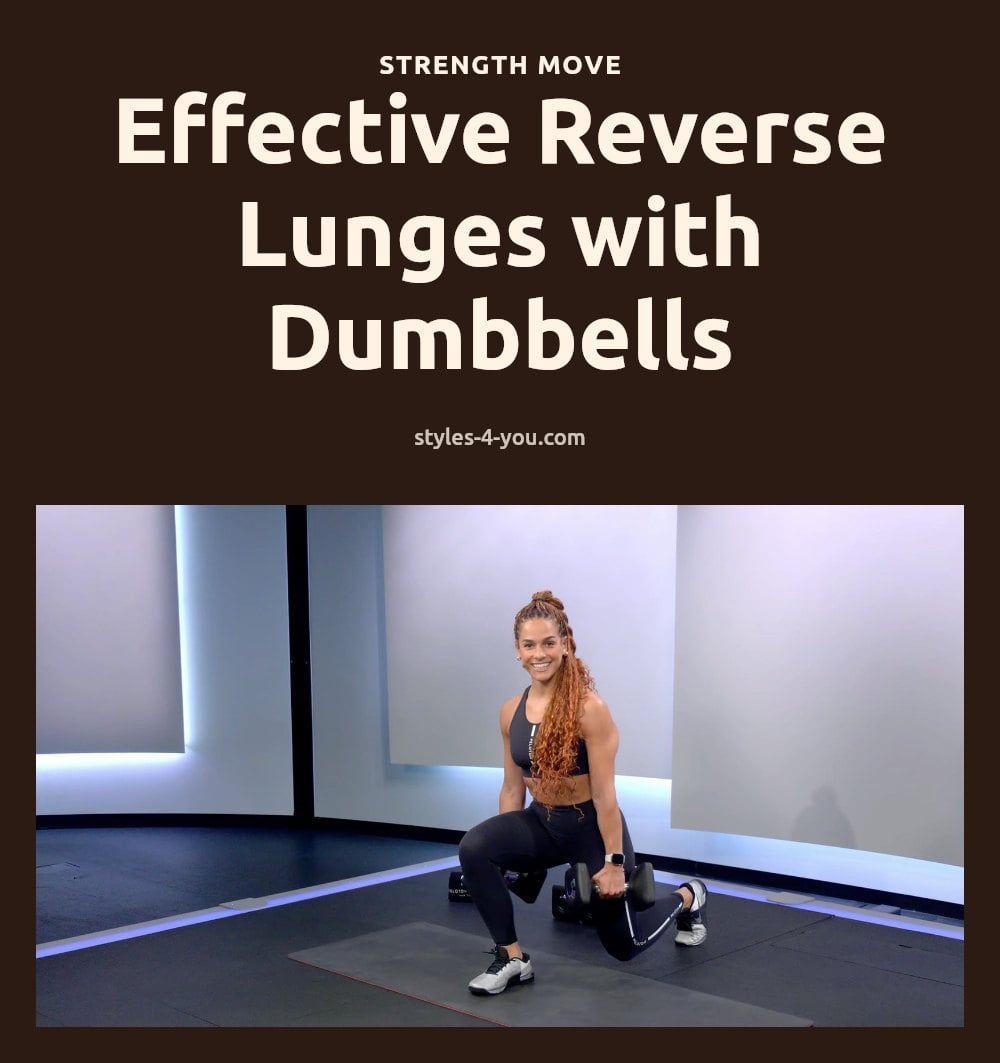
Reverse lunges build unilateral leg strength and improve your balance. Start standing, then step one leg back and lower your hips until both knees are bent at a 90-degree angle. Your front shin should be vertical. Push off your back foot to return to the starting position.
- Sets and reps: 3 sets of 8-10 repetitions per leg
- Form cue: Keep your front knee directly over your ankle, not extending past your toes
- Make it easier or harder: Use a wall for support, or hold light dumbbells for added challenge
4. Glute Bridges
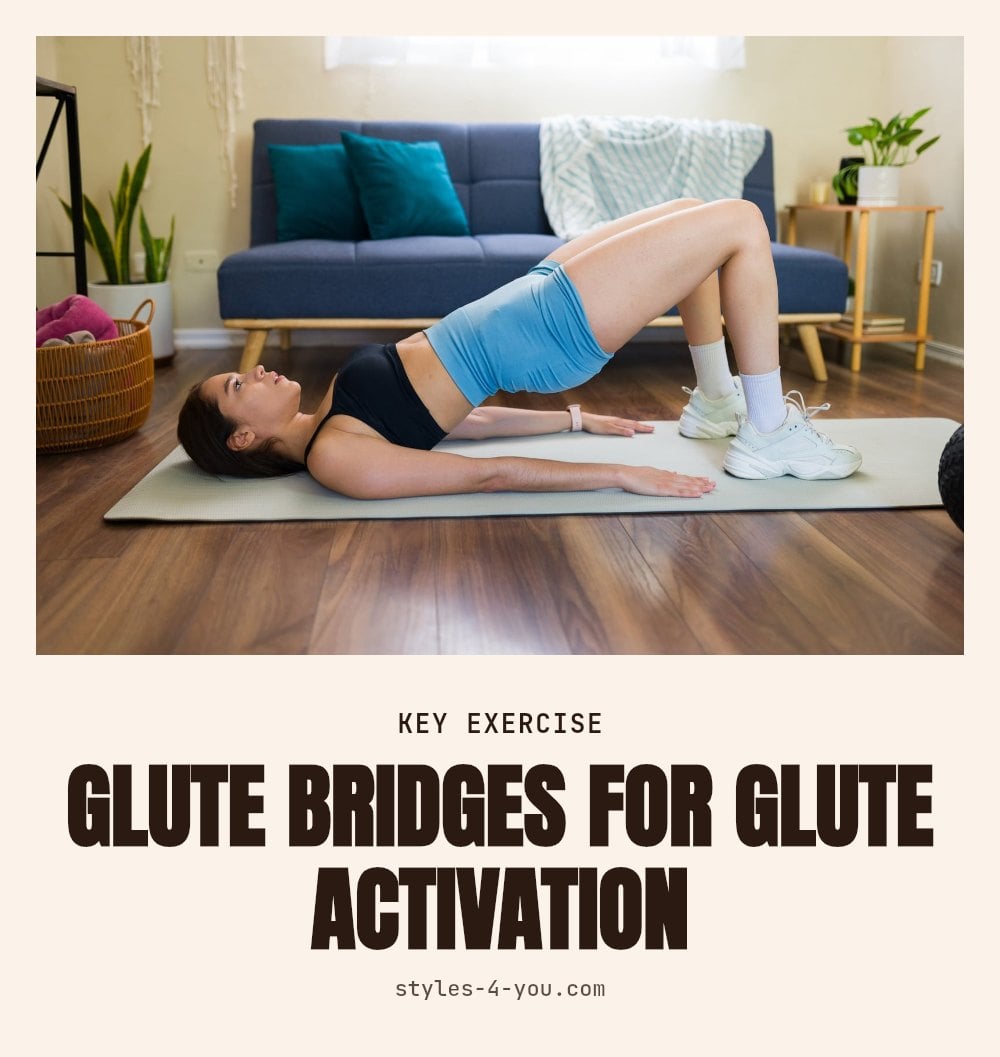
Lie on your back with your knees bent and feet flat on the floor, hip-width apart. Engage your glutes and lift your hips until your body forms a straight line from shoulders to knees. Hold for a second at the top, then lower slowly.
- Sets and reps: 3 sets of 12-15 repetitions.
- Form cue: Squeeze your glutes at the top to maximize activation.
- Make it easier or harder: For a challenge, try a single-leg glute bridge by extending one leg straight while lifting.
5. Calf Raises
Stand tall with your feet hip-width apart and hold onto a wall for balance if needed. Slowly lift onto the balls of your feet, raising your heels as high as possible, then lower back down with control.
- Sets and reps: 3 sets of 15-20 repetitions.
- Form cue: Focus on a full range of motion, both up and down.
- Make it easier or harder: Perform on a step to increase the range of motion, or hold light dumbbells for added resistance.
6. Side Leg Raises
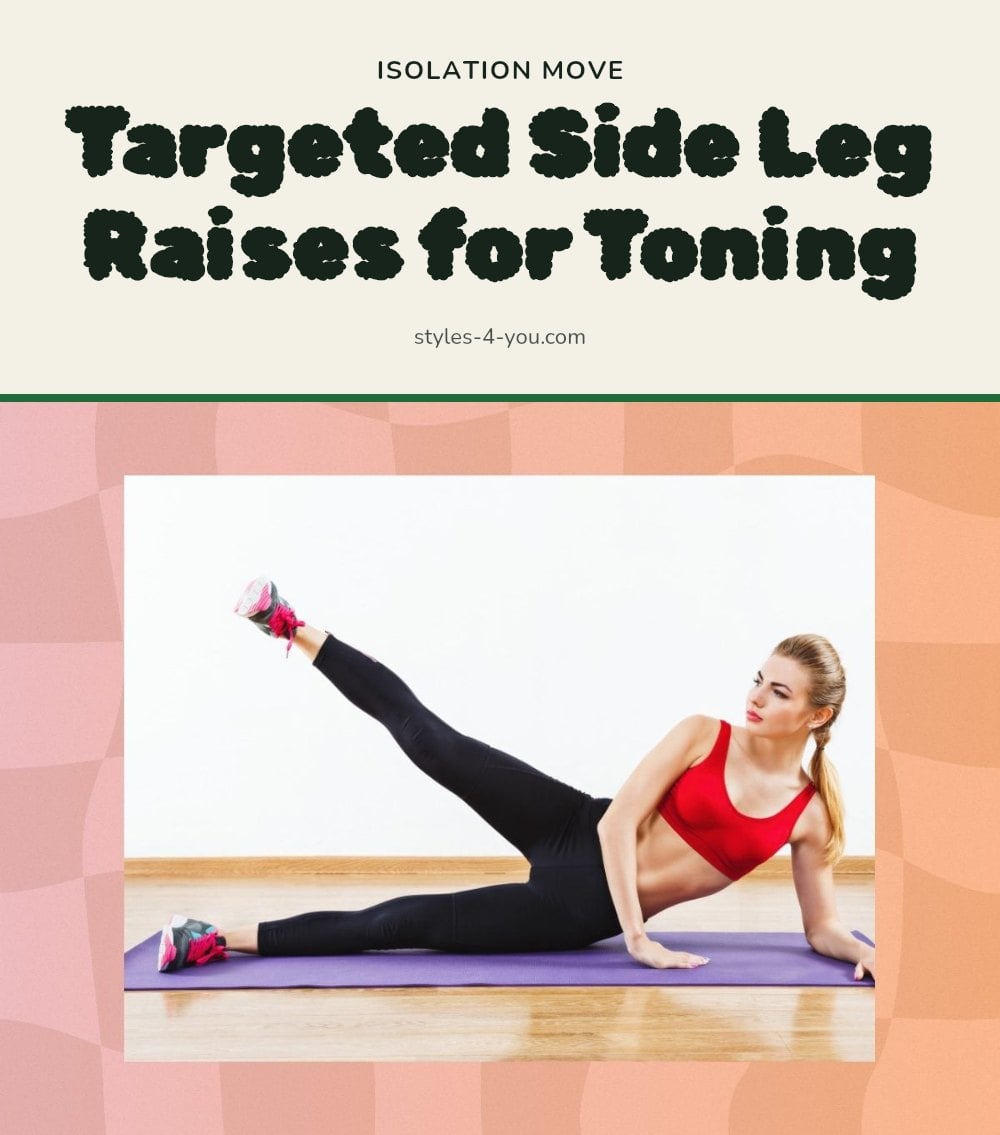
Lie on your side with your bottom arm extended for support and your legs stacked. Keeping your top leg straight and foot flexed, slowly lift it toward the ceiling, then lower with control.
- Sets and reps: 3 sets of 12-15 repetitions per side.
- Form cue: Avoid rocking your torso; keep the movement isolated to your leg.
- Make it easier or harder: Bend your bottom knee for more stability, or add an ankle weight for a challenge.
7. Wall Sits
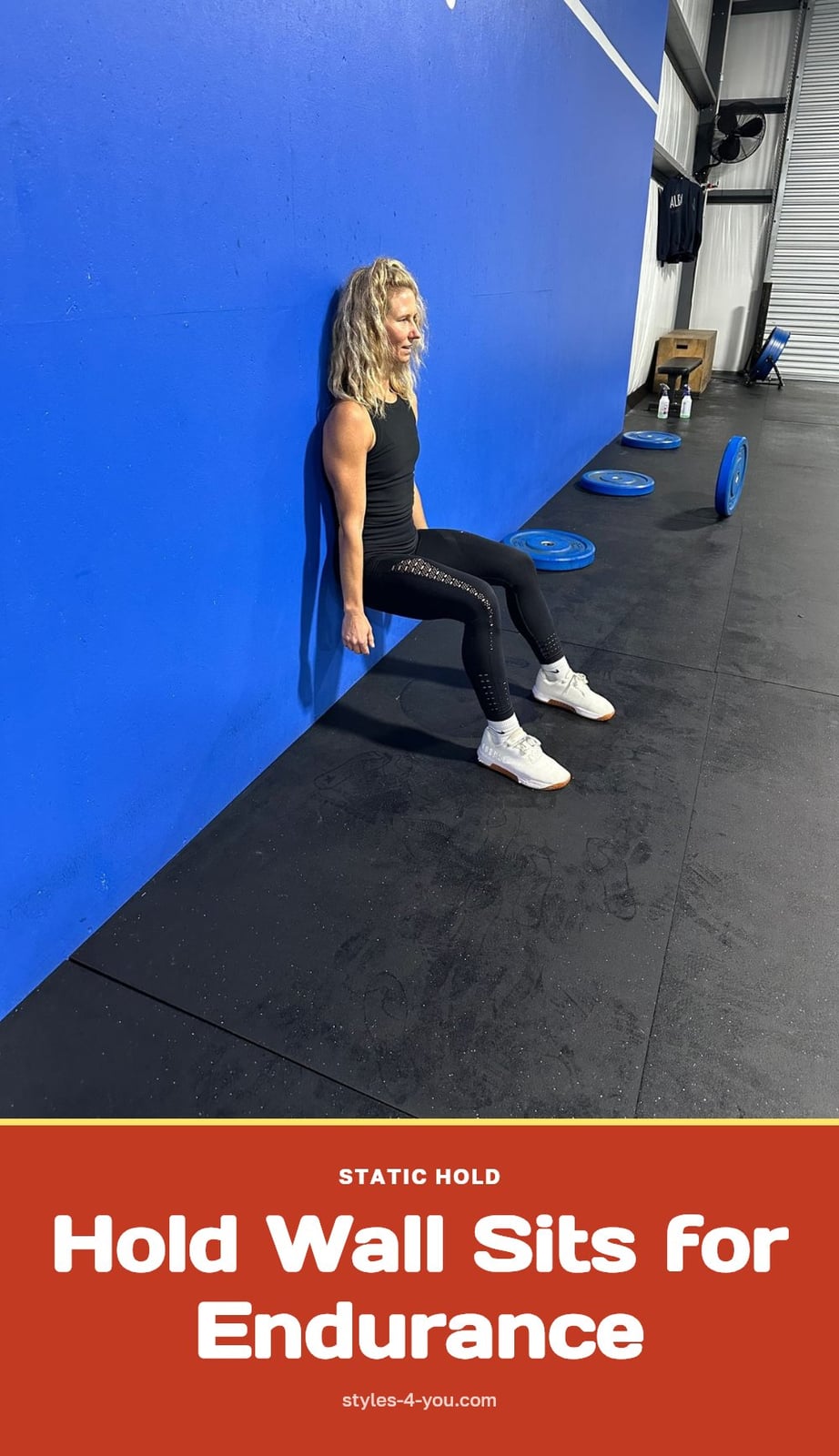
Lean your back against a wall, then slide down until your knees are bent at a 90-degree angle, as if sitting in an invisible chair. Keep your back flat against the wall and your core engaged throughout.
- Time: Hold for 30-60 seconds, aiming for 3 sets.
- Form cue: Ensure your thighs are parallel to the floor.
- Make it easier or harder: Slide up slightly to reduce the angle, or hold a dumbbell on your thighs for extra intensity.
8. Cool-Down: Hamstring Stretch
Finish your leg workout with a hamstring stretch to help your muscles recover and improve flexibility. Lie on your back, extend one leg straight, and gently pull the other knee toward your chest. Then extend that bent leg toward the ceiling, holding behind your thigh or calf.
- Time: Hold each stretch for 20-30 seconds, breathing deeply.
- Form cue: Keep your lower back pressed into the floor.
- My tip: Only stretch to a comfortable tension, never pain.
Your Weekly Beginner Leg Workout Plan
Aim for 2-3 lower body workouts per week with rest days in between. This schedule gives you a balanced approach to building strength and allowing recovery. Adjust the days to fit your routine, but keep at least one rest day between leg sessions.
| Day | Activity |
|---|---|
| Monday | Leg workout (squats, lunges, glute bridges) |
| Tuesday | Rest or light walking |
| Wednesday | Rest or gentle activity |
| Thursday | Rest |
| Friday | Leg workout (squats, lunges, glute bridges, calf raises, side leg raises, wall sits) |
| Saturday | Rest or gentle activity |
| Sunday | Rest |
Start with 2 sessions per week if you are new, then add a third when you feel ready.
Common Mistakes to Avoid During Leg Workouts
Steer clear of these common mistakes to keep your leg workouts safe and effective.
- Skipping your warm-up and cool-down: Always prepare your muscles for activity and help them recover afterward to prevent soreness and injury.
- Compromising form for reps: Proper form is paramount. It is better to do fewer reps with correct technique than many with poor form.
- Holding your breath: Breathe consistently throughout your exercises. Exhale on exertion, inhale on release.
- Ignoring pain: Distinguish between muscle fatigue and sharp, sudden pain. If you feel sharp pain, stop immediately and consult a professional if it persists.
- Neglecting all muscle groups: Ensure your overall weekly routine includes exercises that target quadriceps, hamstrings, glutes, and calves for balanced strength.
Frequently Asked Questions
How often should a beginner do leg workouts?
Aim for 2-3 lower body workouts per week, with at least one rest day between sessions. This gives your muscles time to recover and grow. If you’re very sore, take an extra rest day before your next leg workout.
Can I do this workout at home without equipment?
Yes, absolutely. All the exercises in this plan can be done with just your bodyweight and a little floor space. An exercise mat is optional but nice for floor moves like glute bridges and side leg raises. For a challenge later, you can add light dumbbells or resistance bands.
How long does it take to see results from leg workouts?
Many beginners start noticing improvements in strength and endurance within 4-6 weeks of consistent training. Visible changes in muscle tone may take a bit longer, depending on your diet and overall routine. Patience and consistency are key.
What should I eat after a leg workout?
Aim for a balanced meal or snack with protein and carbohydrates within a couple hours of your workout. Think Greek yogurt with fruit, a turkey sandwich, or a smoothie with protein powder. Staying hydrated is just as important, drink water before, during, and after exercise.
What are the best leg exercises for beginners?
Bodyweight squats, reverse lunges, glute bridges, calf raises, and wall sits are excellent starting points. These moves target all major lower body muscles without requiring equipment, and they’re easy to modify as you get stronger. Focus on form before adding weight or increasing reps.
Final Thoughts
Stick with this routine 2-3 times a week, and you’ll build a solid foundation of leg strength and stability. Realistic results, like better balance and easier daily movements, often show up in about a month. Just remember to listen to your body, stay consistent, and keep your form clean. That’s the real secret to making progress without setbacks.
This article provides general fitness information and is not a substitute for professional medical or exercise advice. Consult a healthcare provider or certified trainer before starting any new workout program, especially if you have pre-existing conditions or injuries. Stop immediately if you experience sharp pain and seek guidance from a professional.
More Blog ideas
- Your Essential Guide to a Healthy Feminine Hygiene Routine
- Best High Protein Foods to Eat Daily for Health and Energy
- Feeling Stuck: 12 Small Steps to Get Unstuck
- Winter Skin Survival Tips
- How to Get a Flat Stomach
- How to Fix Damaged Hair and Restore Its Health
- Full-Body Kettlebell Workout
- Dry Scalp vs. Dandruff
- Full Body Workout for Beginners
- 21 Easy Beauty Tips Every Woman Should Know
- Feminine Energy: 15 Daily Habits to Feel More Radiant
- Upper Body Workout for Women at Home






