Lip Care Tips to Keep Your Lips Soft and Hydrated All Year
Discover essential lip care tips to keep your lips soft, smooth, and hydrated all year long. Learn how to protect, nourish, and prevent chapping.

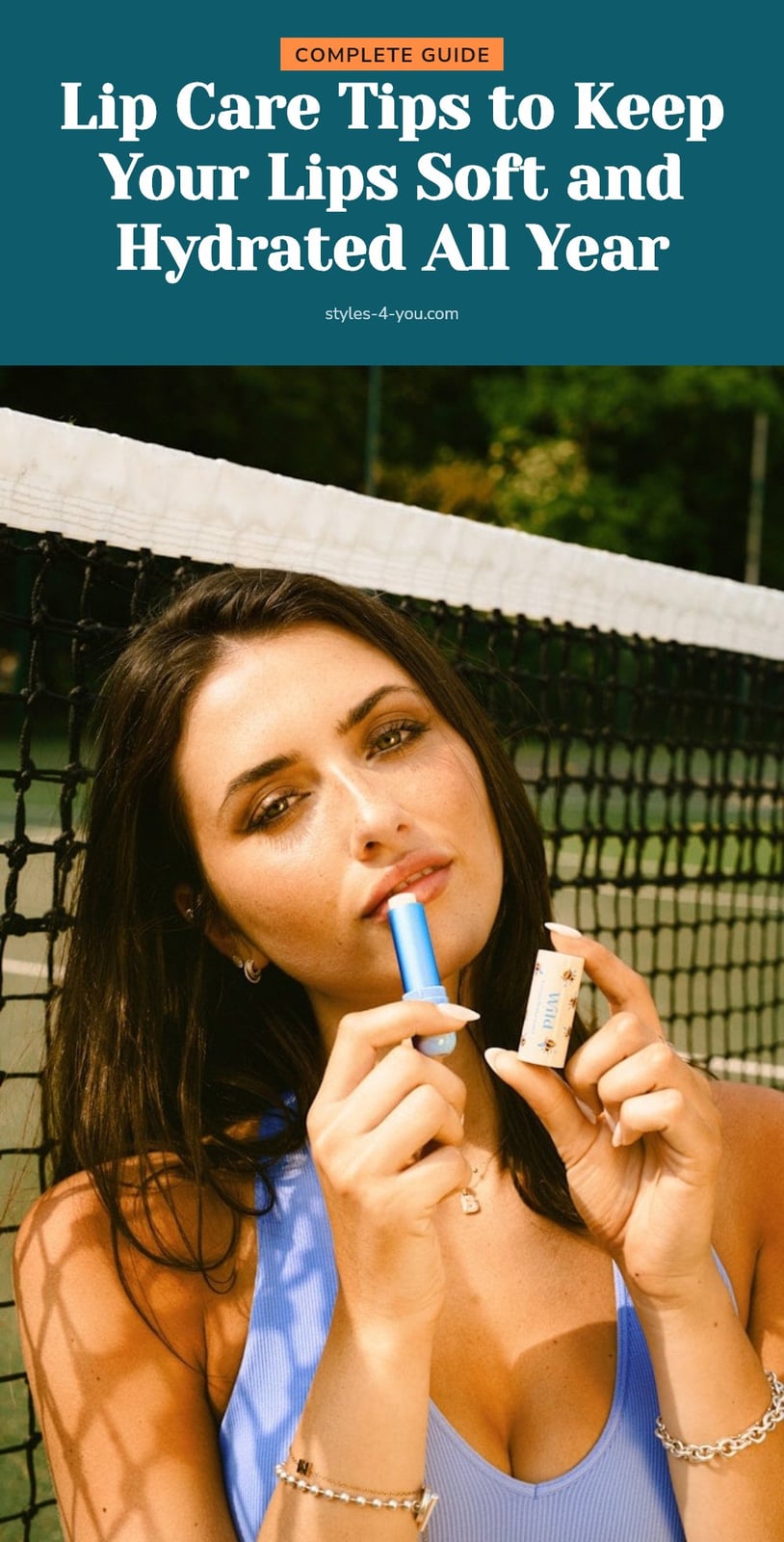
You know that feeling when your lips are dry, flaky, or even cracked, and nothing seems to help? It’s frustrating, but the good news is that with a few simple habits, you can keep them soft and hydrated all year. In this article, I’m sharing the practical lip care tips that actually work, from choosing the right balm to breaking habits that make things worse.
Key Takeaways
- Apply lip balm with SPF 30 or higher every day, even when it’s cloudy.
- Drink plenty of water throughout the day to keep lips hydrated from within.
- Gently exfoliate lips once or twice a week to remove dead skin without irritation.
- Break the habit of licking your lips, as saliva dries them out further.
- Use a humidifier indoors during dry months to prevent moisture loss.
The Secret to Soft, Hydrated Lips
Consistent daily lip care is the key to preventing dryness and chapping. Your lips lack oil glands and have thinner skin than the rest of your face, making them more vulnerable to sun, wind, and cold. The pillars of healthy lips are simple: protect them from the elements, keep your body hydrated, and exfoliate gently. Stick to this routine, and you’ll notice softer, smoother lips within a week.
1. Always Wear SPF Lip Balm
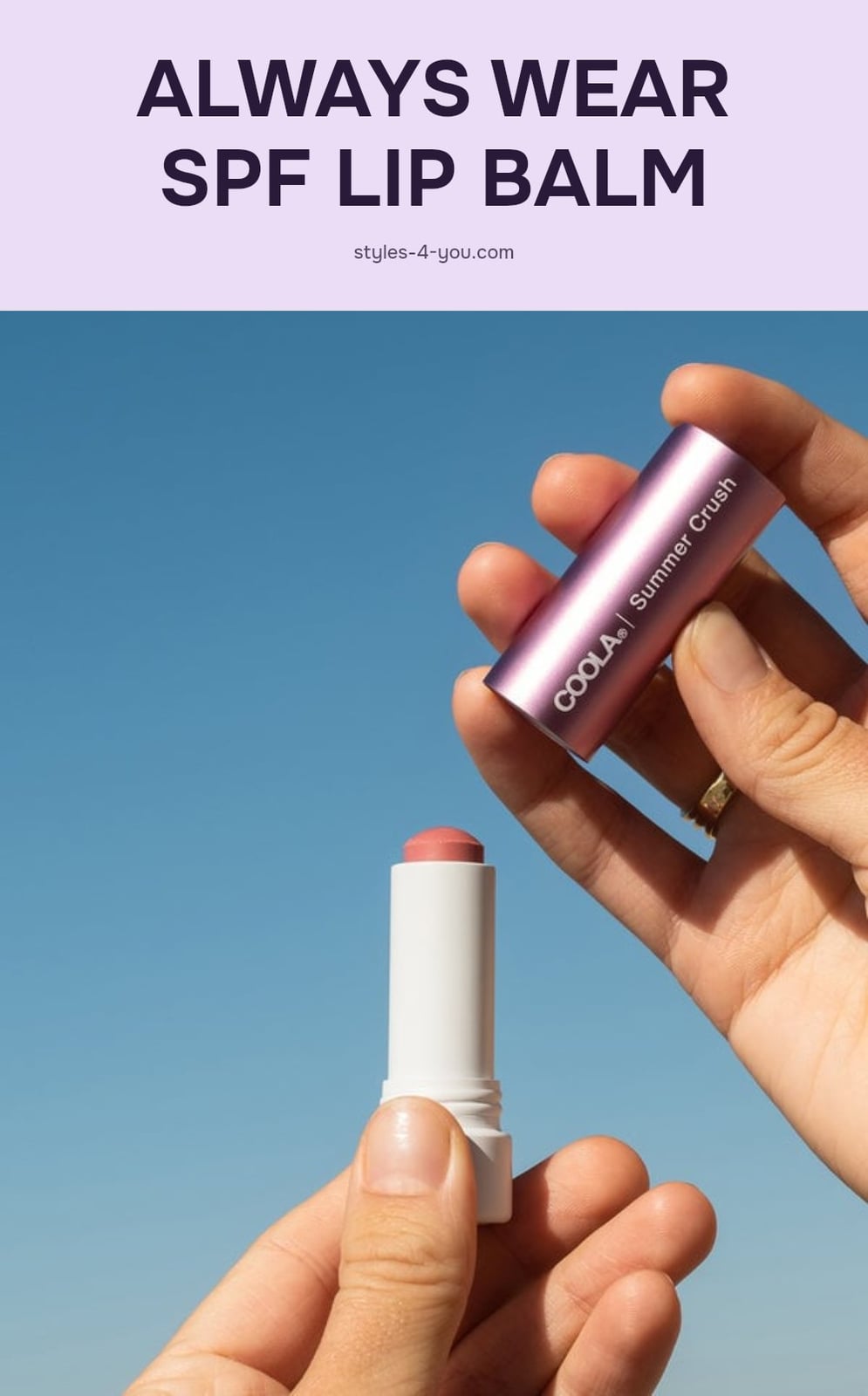
The skin on your lips is incredibly delicate and highly susceptible to sun damage, just like the rest of your skin. My tip: always reach for a lip balm with SPF 30 or higher during the day, even on cloudy days or indoors near windows. This protects against sunburn and reduces the risk of long-term sun damage.
- Apply a generous layer before heading outside.
- Reapply every two hours if you’re outdoors.
- Choose a broad-spectrum formula for full protection.
2. Hydrate from the Inside Out

Dehydration is a major culprit behind dry, chapped lips. Make sure you’re drinking plenty of water throughout the day to keep your entire body, including your lips, well-hydrated. My tip: keep a water bottle handy as a visual reminder to sip regularly. Aim for at least eight glasses daily, and increase your intake during exercise or hot weather.
3. Choose the Right Lip Balm Ingredients
Not all lip balms are created equal. Look for ingredients that truly lock in moisture. Occlusives like petrolatum, shea butter, lanolin, and beeswax create a protective barrier that seals in hydration. Humectants such as hyaluronic acid and glycerin draw moisture to your lips.
- Occlusives: petrolatum, shea butter, lanolin, beeswax.
- Humectants: hyaluronic acid, glycerin.
- Avoid: camphor, menthol, or salicylic acid if you have sensitive or chapped lips.
These irritating ingredients can worsen dryness and cause a burning sensation.
4. Gentle Exfoliation is Key
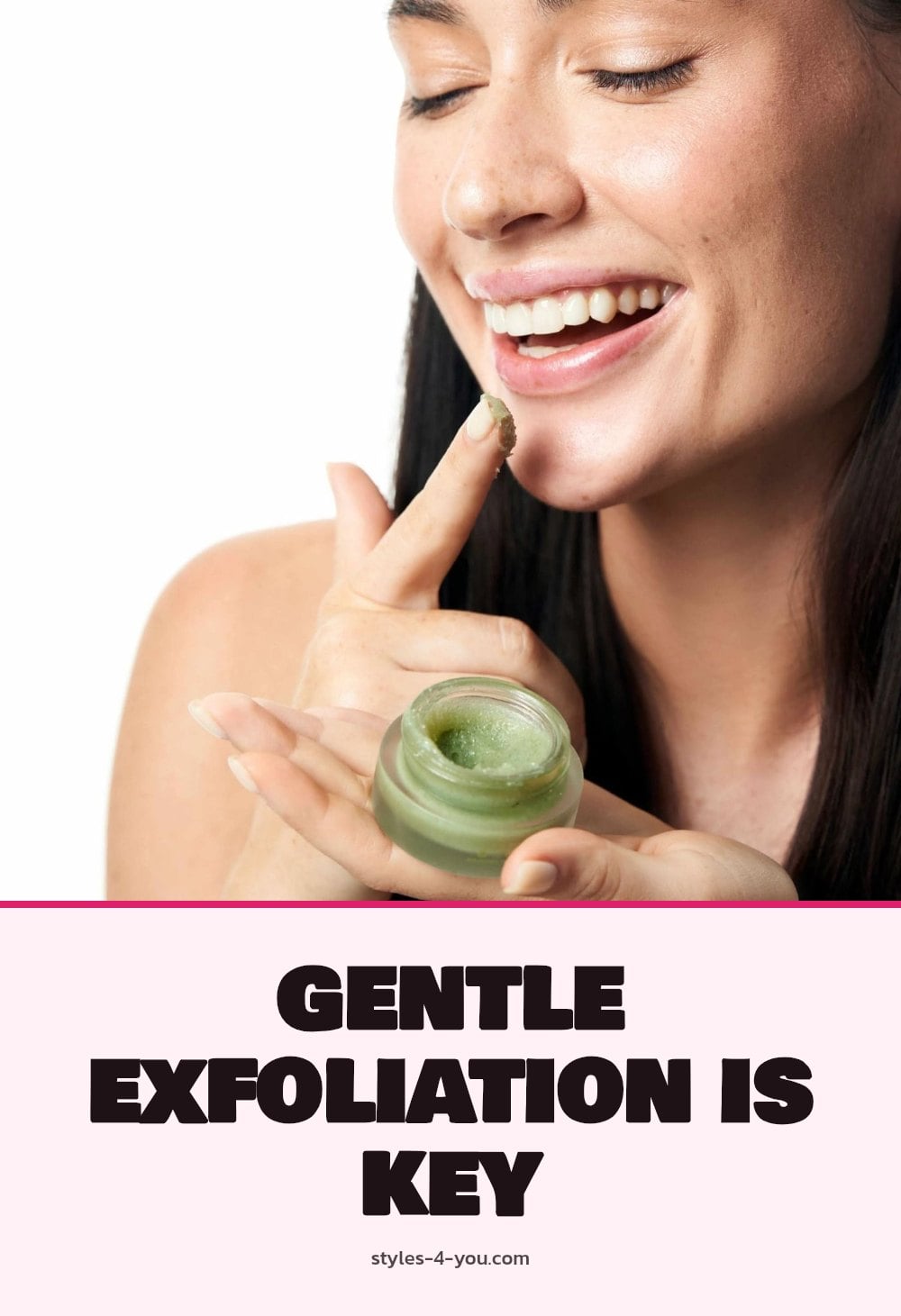
Dead skin cells build up on your lips, making them feel rough and look dull. Gently exfoliate once or twice a week to remove those flakes, but don’t overdo it. Over-exfoliating can cause irritation and damage.
Tip: Use a sugar-based lip scrub or a soft, damp toothbrush in small, circular motions. Always follow with a hydrating balm to lock in moisture.
5. Break the Lip-Licking Habit
Licking your lips might feel like a quick fix, but it actually makes them drier. Saliva evaporates quickly, taking essential moisture with it. This creates a cycle of dryness that’s hard to break.
Good to know: When you feel the urge to lick, reach for your lip balm instead. It’s a conscious habit to break, but your lips will thank you.
6. Don’t Pick or Peel Your Lips
Resist the urge to pick or peel dry, flaky skin from your lips. This can cause irritation, bleeding, and even introduce bacteria, slowing down the healing process. It also makes lips look worse.
Instead, rely on gentle exfoliation and consistent balm application to smooth them out. Patience pays off here.
7. Overnight Lip Treatment

Your lips can benefit from an intensive treatment while you sleep. Apply a thick layer of a rich, hydrating lip balm or a dedicated lip mask before bed. This allows the ingredients to deeply penetrate and repair your lips overnight.
You’ll wake up with lips that feel soft and look plump. It’s one of the simplest ways to boost your lip care routine.
8. Protect from Harsh Weather

Cold winds, dry air, and extreme temperatures can quickly strip moisture from your lips, leaving them chapped and cracked. In harsh weather, a physical barrier makes a real difference.
- Wear a scarf: Pull it up over your mouth to shield your lips from wind and cold.
- Use a face mask: A cloth or ski mask adds another layer of protection when you’re outdoors.
- Apply balm first: Put on a thick layer of lip balm before heading out, then cover up. This simple step can prevent chapping before it starts.
9. Use a Humidifier Indoors
Indoor heating dries out the air during colder months, and that parched environment pulls moisture from your lips. A humidifier adds water back into the air, keeping your lips and skin from becoming dehydrated.
My tip: place a humidifier in your bedroom and run it while you sleep. You’ll wake up with noticeably softer lips, especially if you pair it with an overnight lip treatment. Aim for a humidity level around 30 to 50 percent for comfort without condensation on windows.
10. Check for Allergens
Sometimes lip dryness or irritation isn’t just chapping; it could be an allergic reaction. Ingredients like fragrances or lanolin in lip products can trigger contact dermatitis, causing redness, peeling, or itching.
- Check your products: Look for potential irritants in the ingredient list.
- Discontinue use: If you suspect a reaction, stop using the product for a few days and see if symptoms improve.
- Switch to simple formulas: Try balms with minimal ingredients like petrolatum or beeswax to reduce exposure.
If symptoms persist, consult a dermatologist for patch testing.
11. Be Mindful of Medications
Some medications list lip dryness as a side effect, and you might not connect the two until you notice the pattern. If you’ve recently started a new prescription and your lips feel unusually dry, that could be the cause.
- Review your meds: Check the package insert or ask your pharmacist about dryness as a known effect.
- Track changes: Note when the dryness started relative to your medication schedule.
- Talk to your doctor: They might adjust the dose, switch medications, or recommend a management strategy like a stronger lip balm.
Don’t stop a medication on your own; professional guidance is the safe route.
When to Consult a Dermatologist
If your lip dryness or chapping is severe, persistent, or accompanied by pain, swelling, or sores, it’s time to see a doctor. These symptoms could point to an underlying medical condition, a severe allergic reaction, or an infection that needs professional treatment.
Don’t brush off issues that linger for weeks despite your best care routine. Early diagnosis can prevent further complications, so trust your instincts and get a dermatologist’s opinion if something feels off.
Frequently Asked Questions
How often should I apply lip balm?
You should apply lip balm whenever your lips feel dry or after eating, drinking, or being outdoors. For daytime protection, reapply a balm with SPF every two hours or more often if you’re in the sun. The key is consistency, not a set number of times.
Can I use regular body lotion on my lips?
It’s not recommended. Body lotions are formulated for thicker facial and body skin and may contain ingredients that are irritating or drying for the delicate lip area. Stick with products specifically designed for lips, like balms or masks.
What ingredients should I look for in a lip balm?
Look for occlusives like petrolatum, shea butter, lanolin, and beeswax to seal in moisture, and humectants such as hyaluronic acid and glycerin to draw moisture to the lips. For daytime, choose a balm with SPF 30 or higher.
Is it bad to use a lip scrub daily?
Yes, exfoliating too often can cause irritation and damage to the delicate lip skin. Stick to gentle exfoliation once or twice a week, using a sugar-based scrub or a soft toothbrush. If your lips are already chapped, skip exfoliation until they heal.
Why do my lips get chapped even when I drink water?
While staying hydrated is important, chapped lips can also be caused by environmental factors like dry air, wind, or sun, as well as habits like licking your lips or using drying lip products. Check your lip balm ingredients and consider using a humidifier in dry environments.
Can certain foods affect lip dryness?
Yes, some foods can contribute to lip dryness, especially those that are salty, spicy, or acidic, as they can irritate the lips. Also, if you have an allergy to a food ingredient, it may show up as lip irritation or dryness. Pay attention to how your lips react after eating.
Final Thoughts
My tip for lasting results is to make lip care a non-negotiable part of your daily routine. Start with a hydrating balm in the morning and a thicker treatment at night. With consistent care, you can expect to see smoother, softer lips within a few days to a week. Your lips will thank you for the attention.
The information in this article is for general informational purposes only and is not a substitute for professional medical advice. If you have persistent, severe lip dryness, pain, swelling, or sores, please consult a dermatologist or healthcare provider for a proper diagnosis and treatment plan.
More Blog ideas
- Your Essential Guide to a Healthy Feminine Hygiene Routine
- Best High Protein Foods to Eat Daily for Health and Energy
- Feeling Stuck: 12 Small Steps to Get Unstuck
- Winter Skin Survival Tips
- How to Get a Flat Stomach
- How to Fix Damaged Hair and Restore Its Health
- Full-Body Kettlebell Workout
- Dry Scalp vs. Dandruff
- Full Body Workout for Beginners
- 21 Easy Beauty Tips Every Woman Should Know
- Feminine Energy: 15 Daily Habits to Feel More Radiant
- Upper Body Workout for Women at Home