How to Live a Soft Life: 12 Tiny Rituals for Peace and Ease
Discover how to embrace a soft life by prioritizing well-being and reducing stress. Learn 12 simple rituals to create a gentle, fulfilling existence.


If you’re feeling drained by the constant pressure to achieve and produce, the ‘soft life’ offers a different path. It’s a lifestyle philosophy that has gained popularity on social media for its focus on ease, comfort, and peace over hustle and struggle. This article covers 12 simple rituals you can use to reduce stress, set boundaries, and create a more gentle, fulfilling daily existence.
Key Takeaways
- Identify your personal stress triggers and actively work to minimize them.
- Prioritize genuine self-care activities that replenish your energy, not just aesthetics.
- Set clear boundaries with work, technology, and demanding relationships to protect your peace.
- Incorporate small, enjoyable rituals into your day, like a morning cup of tea in silence.
- Practice daily mindfulness to savor simple moments and reduce rushing.
What is a Soft Life?
The ‘soft life’ is a lifestyle philosophy that prioritizes ease, comfort, and peace over constant hustle and struggle. It’s about intentionally creating a life that feels gentle and supportive, reducing stress, and embracing self-care. This trend gained traction on TikTok and Instagram as a rejection of hustle culture. It doesn’t mean avoiding work or responsibility, but approaching them from a place of balance and well-being, often through small, consistent rituals that enhance daily life.
1. Identify Your Stress Triggers
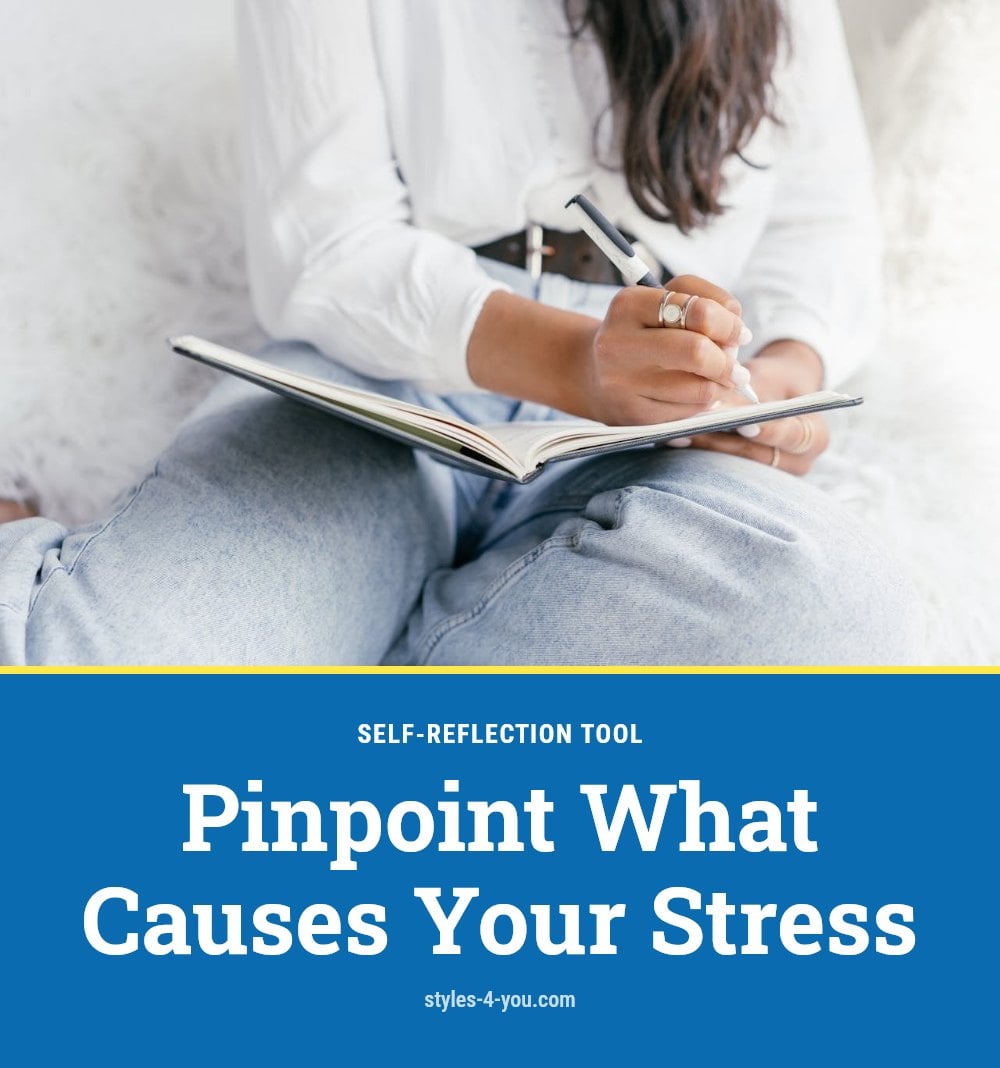
Take a moment to truly reflect on what causes you stress in your daily life. Is it a cluttered space, a demanding schedule, or certain relationships? Understanding your triggers is the first step to creating boundaries and finding solutions that bring more peace.
My tip: Keep a journal for a week, noting down moments of tension or overwhelm. This helps you pinpoint specific stressors, making them easier to address. Once you know what drains your energy, you can actively seek ways to minimize or eliminate those triggers.
2. Prioritize Genuine Self-Care
Self-care isn’t just bubble baths (though those are great!). It’s about activities that genuinely replenish your energy and soothe your soul. Think about what truly makes you feel rested and revitalized. Is it reading, a quiet walk, listening to music, or spending time in nature?
Make these non-negotiable appointments in your schedule, even if they’re just 15 minutes. It’s about consistent, intentional nourishment. When you prioritize genuine self-care, you build resilience against daily stress.
3. Cultivate a Cozy Home Space

Your home should be your sanctuary. Create an environment that feels comfortable, inviting, and peaceful. This doesn’t mean expensive renovations. Think soft lighting, cozy blankets, comfortable seating, and perhaps some calming scents from candles or diffusers.
My tip: Declutter regularly to reduce visual noise and make your space feel more expansive and serene. A tidy space often leads to a tidier mind, making it easier to relax and unwind.
4. Set Clear Boundaries
Set clear boundaries: Protecting your energy and peace means knowing when to say no. This applies to work, technology, and even demanding relationships. Establish specific ‘off-limits’ times for checking work emails or scrolling social media, such as after 8 p.m. or during meals.
Communicate your boundaries respectfully but firmly to others. For example, let your team know you won’t reply to messages on weekends. Remember, setting boundaries isn’t selfish. It’s a vital act of self-preservation that allows you to show up better for yourself and everyone else.
5. Incorporate Enjoyable Rituals

Incorporate enjoyable rituals: A ‘soft life’ is built on small, consistent rituals that bring joy and ease to your day. Think of a morning cup of herbal tea enjoyed in silence, an evening skincare routine, or listening to a favorite podcast during your commute.
These aren’t tasks. They’re moments of intentional pleasure that break up the day and remind you to slow down. The key is consistency. Even five minutes of a ritual you love can shift your mindset from rushed to relaxed.
6. Practice Daily Mindfulness
Practice daily mindfulness: Being present in your daily activities is key to experiencing the ‘soft life’. It’s about savoring simple moments rather than rushing through them. Whether you’re eating a meal, walking, or doing chores, try to engage all your senses. Notice the colors, sounds, smells, and textures around you.
Tip: Take five deep breaths before starting a new task or after finishing one. This simple act grounds you and brings you back to the present. It turns a chaotic day into a series of manageable, mindful moments.
7. Prioritize Adequate Rest
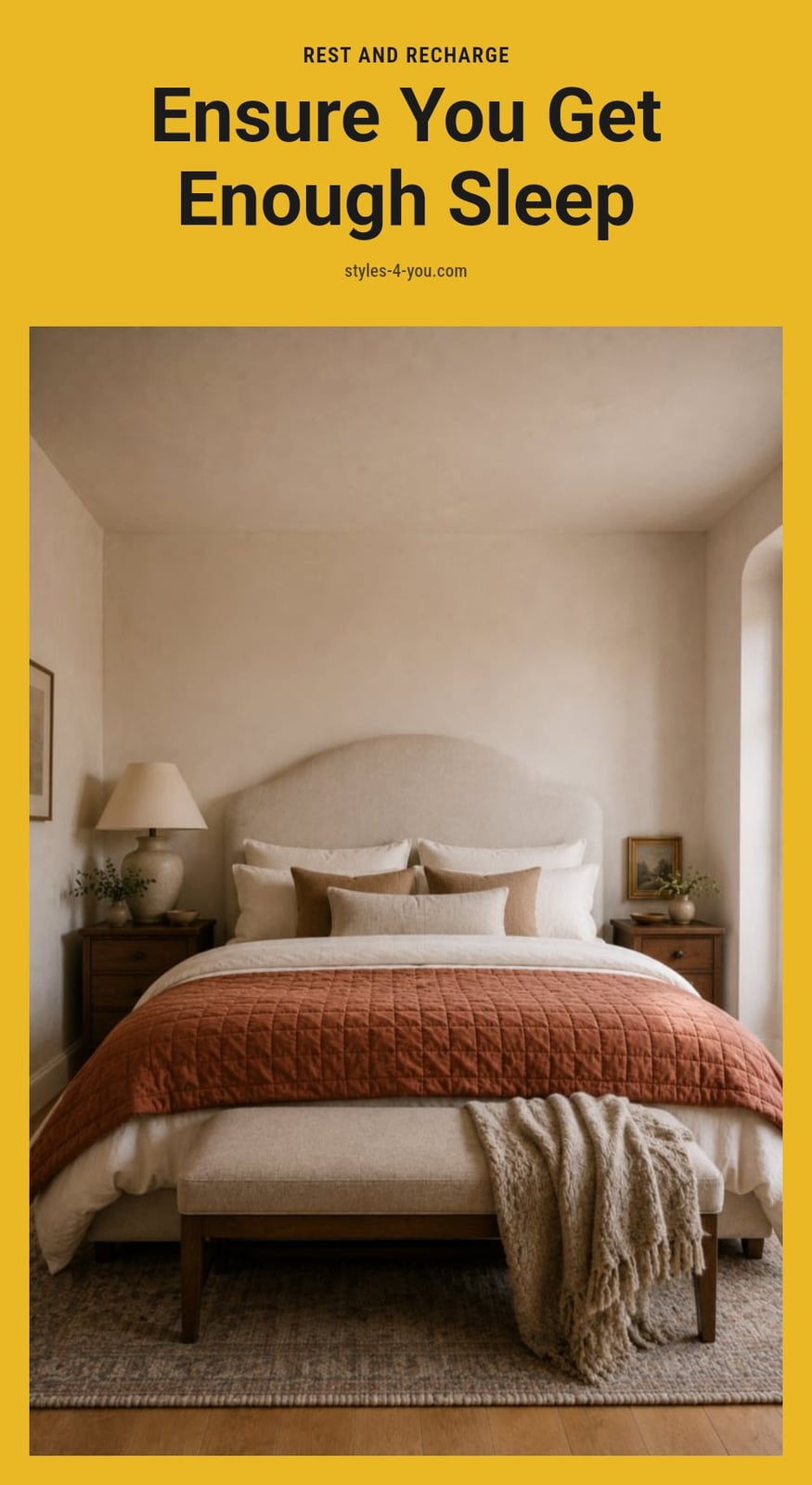
Prioritize adequate rest: Adequate sleep and rest are fundamental components of a ‘soft life’. You can’t pour from an empty cup, and sleep is how you refill it. Aim for 7-9 hours of quality sleep each night.
Create a relaxing bedtime routine to signal to your body that it’s time to wind down. This isn’t just about physical rest. It’s about giving your mind the space to process and rejuvenate, leading to better emotional well-being and resilience during the day.
8. Engage in Joyful Hobbies
Dedicate time to activities purely for enjoyment, without any productivity goal. This is a direct rebellion against ‘hustle culture’. Think about what you loved doing as a child or what brings you a sense of flow and happiness. It could be painting, gardening, dancing, or playing an instrument. These hobbies are vital for mental and emotional well-being, reminding you that your worth isn’t tied to your output.
9. Nourish Key Relationships
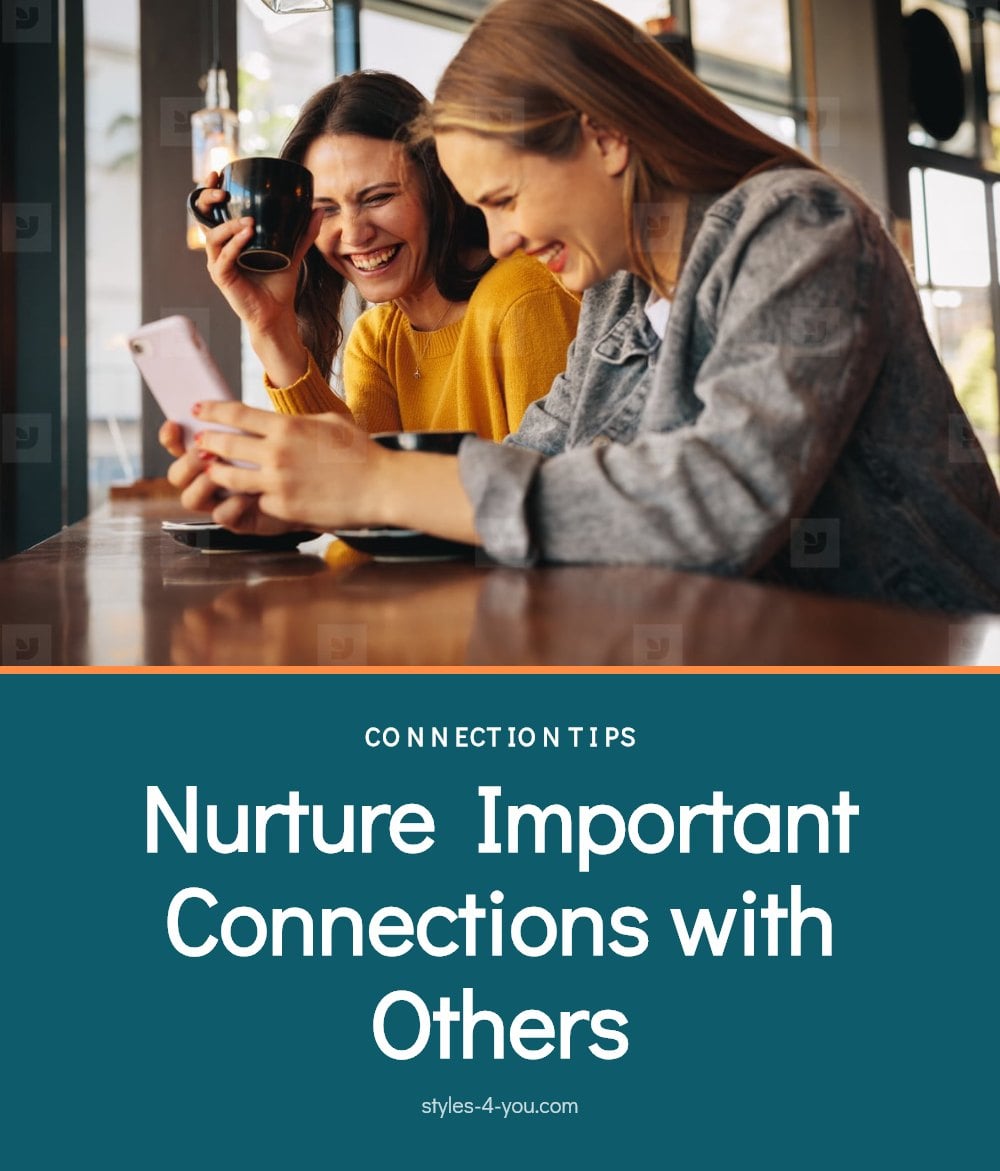
A supportive social circle is crucial for a ‘soft life’. You don’t have to do it all alone. Invest time and energy in connections that uplift you and make you feel seen. Distance yourself from relationships that drain you.
Good to know: Schedule regular, low-key meet-ups with trusted friends, a coffee date, a walk in the park, or a simple meal together. Quality over quantity matters here.
10. Embrace Gentle Movement
Physical activity is important, but a ‘soft life’ encourages gentle movement that feels good for your body, not punishing workouts. Think yoga, Pilates, walking in nature, stretching, or gentle dancing. The goal is to move in a way that energizes and relaxes you. Listen to your body’s needs each day; some days call for a brisk walk, others for restorative stretching.
11. Practice Financial Wellness

While a ‘soft life’ isn’t about luxury, financial stability can significantly reduce stress and contribute to peace of mind. Create a budget that works for you, save for emergencies, and make intentional spending choices aligned with your values.
Pro move: Automate savings and bill payments to reduce mental load. Even small, consistent steps toward financial health make a big difference in your overall well-being.
Common ‘Soft Life’ Misconceptions
Believing it means never working hard: A ‘soft life’ is about working smarter, not harder, and managing responsibilities in a less stressful way, not avoiding them entirely.
Thinking it requires significant wealth: While financial stability helps reduce stress, a ‘soft life’ is primarily about intentional choices and mindset, not luxury purchases or a lavish lifestyle.
Focusing solely on aesthetics: Curated social media portrayals can be misleading. The ‘soft life’ is about internal well-being and peace, not just a pretty Instagram feed.
Trying to implement too many changes at once: It’s a gradual process. Start with small, consistent changes to avoid overwhelm and ensure sustainable habits.
Ignoring underlying issues: The ‘soft life’ is a proactive approach to well-being, but it’s not a substitute for addressing burnout, anxiety, or other mental health concerns with professional support if needed.
Frequently Asked Questions
Can you have a soft life if you work a demanding job?
Yes. A soft life is about how you approach work, not avoiding it. You can set boundaries like not checking emails after a certain time, taking genuine breaks during the day, and focusing on tasks that truly matter. It’s about working smarter and protecting your energy, even in a high-pressure role.
Is a soft life just about being lazy?
No, it’s a common misconception. A soft life is not about avoiding responsibilities. It’s about managing them in a less stressful way by prioritizing rest, setting boundaries, and choosing tasks that align with your well-being. You can still work hard, but from a place of balance rather than burnout.
How long does it take to feel the benefits of a soft life?
Benefits like reduced stress and increased peace can be noticed within a few weeks of consistent small changes. However, it’s an ongoing practice, not a quick fix. You may feel a shift in your daily mood and energy as you incorporate rituals like mindfulness and adequate sleep over time.
Does a soft life require a lot of money?
No, it does not require significant wealth. While financial stability can reduce stress, the core of a soft life is about intentional choices and internal well-being, not luxury. You can create a cozy home with simple items like soft lighting and blankets, and practice self-care with activities like walking or reading.
What does a soft life actually mean?
A soft life is a lifestyle philosophy that prioritizes ease, comfort, and peace over constant hustle. It involves setting boundaries, prioritizing rest and genuine self-care, and making intentional choices that reduce stress. It’s about creating a life that feels gentle and supportive, not about avoiding all challenges.
Final Thoughts
My recommendation is to start with just one or two changes that feel most doable for you. For instance, try setting a boundary around work emails after 8 p.m. or dedicating 10 minutes to a hobby you love. With consistent practice, you can expect to notice a reduction in stress and an increase in overall well-being within a few weeks. The ‘soft life’ isn’t a destination but an ongoing practice of choosing ease and balance.
More Blog ideas
- Your Essential Guide to a Healthy Feminine Hygiene Routine
- Best High Protein Foods to Eat Daily for Health and Energy
- Feeling Stuck: 12 Small Steps to Get Unstuck
- Winter Skin Survival Tips
- How to Get a Flat Stomach
- How to Fix Damaged Hair and Restore Its Health
- Full-Body Kettlebell Workout
- Dry Scalp vs. Dandruff
- Full Body Workout for Beginners
- 21 Easy Beauty Tips Every Woman Should Know
- Feminine Energy: 15 Daily Habits to Feel More Radiant
- Upper Body Workout for Women at Home