How to Lose 10 Pounds in 3 Weeks: A Realistic Guide
Wondering if you can lose 10 pounds in 3 weeks? Discover practical, healthy strategies focusing on diet, exercise, and lifestyle changes.

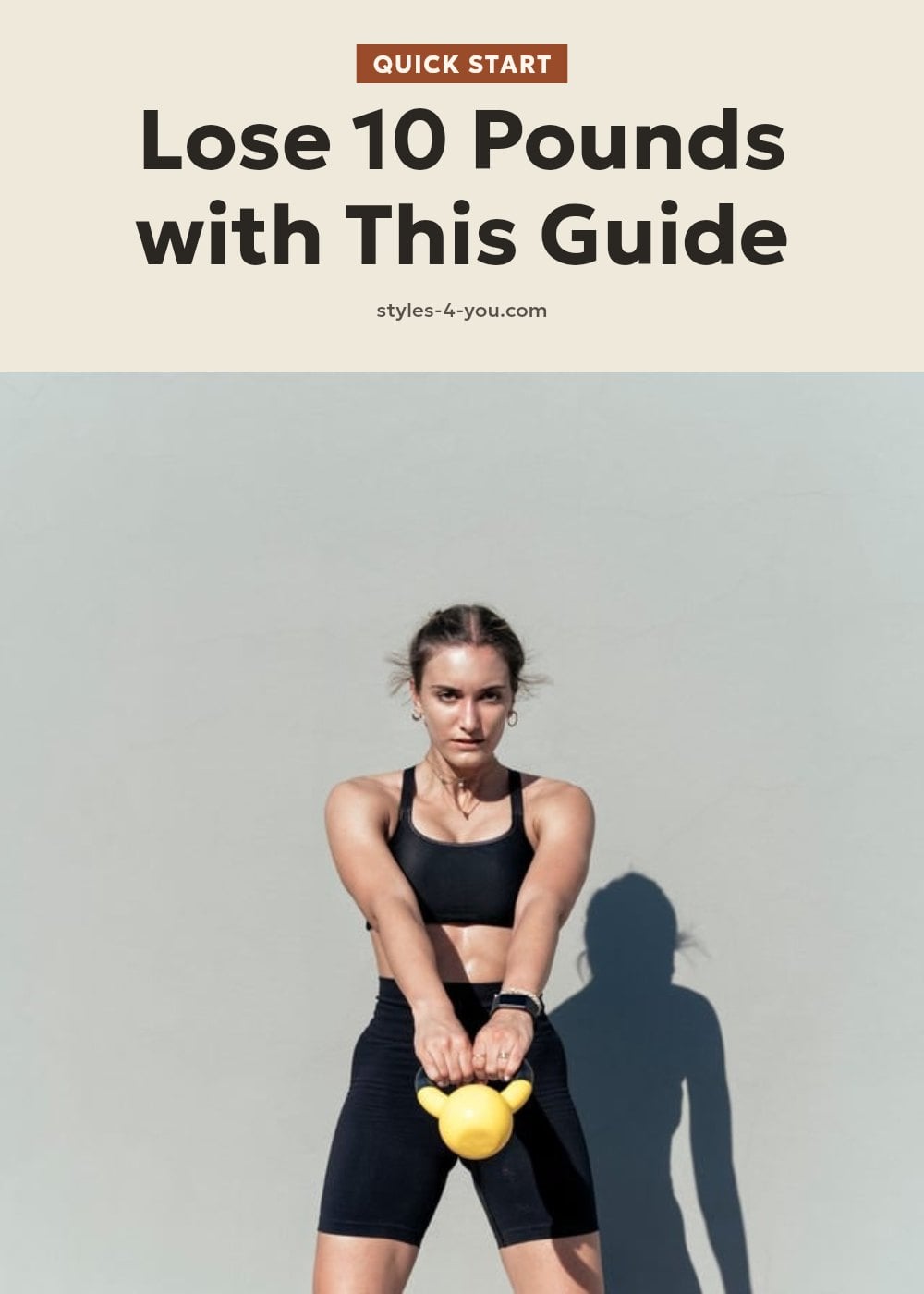
So, you’re aiming to lose 10 pounds in three weeks. That’s a serious goal, and it’s going to take real dedication. This article breaks down the math behind that calorie deficit, the specific tools and strategies that can help you get there, and the common pitfalls to avoid so you can do it as safely as possible.
Key Takeaways
- Aim for a daily caloric deficit of about 1,167 calories to lose 10 pounds in 21 days.
- Focus on whole, unprocessed foods like lean proteins, vegetables, and whole grains.
- Combine cardio with strength training to burn calories and preserve muscle.
- Get 7-9 hours of sleep per night to help regulate appetite hormones.
- Consult a healthcare professional before starting any rapid weight loss plan.
Can You Really Lose 10 Pounds in 3 Weeks?
Losing 10 pounds in three weeks is an ambitious goal that requires a significant caloric deficit and consistent effort. While possible for some, especially those with more weight to lose, it pushes the typical healthy boundaries. A sustainable rate is generally 1-2 pounds per week, so this plan demands extra discipline and careful monitoring. Consult a healthcare professional before starting any drastic changes.
Tools to Support Your Weight Loss Journey
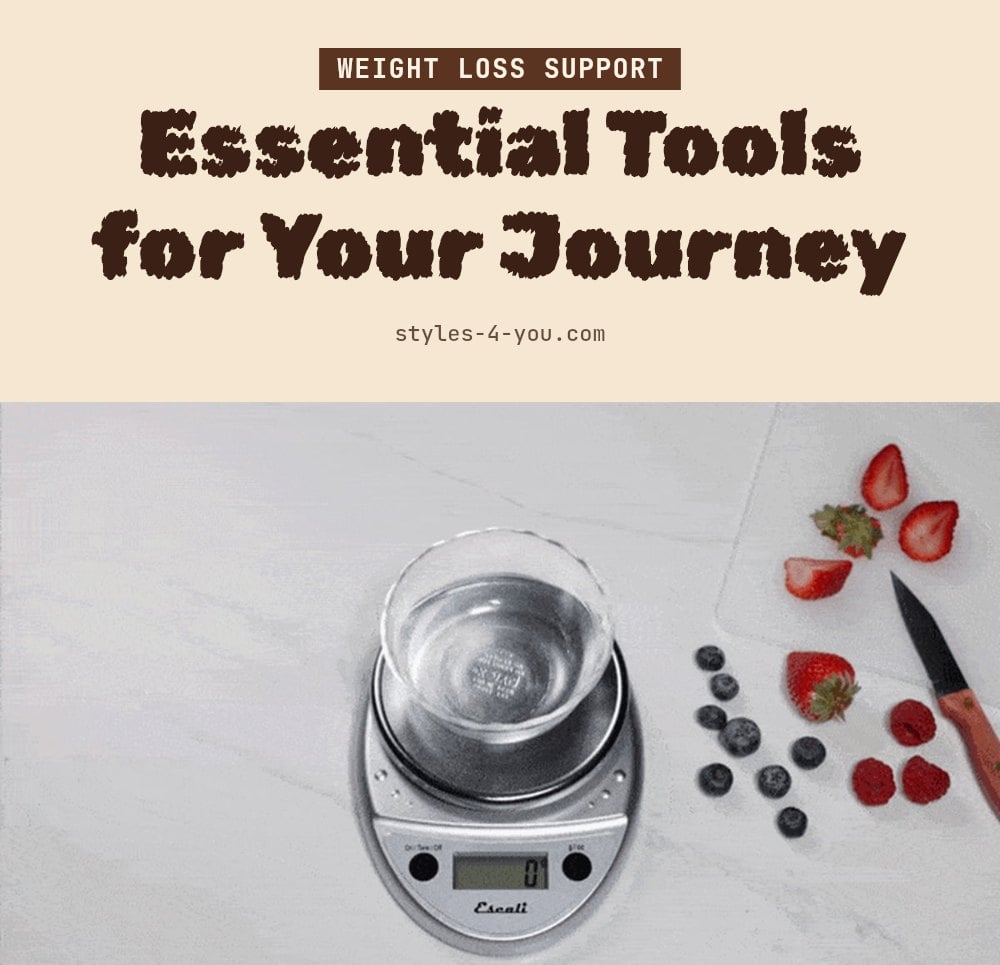
Having the right tools can make tracking and consistency much easier. Here’s what I recommend having on hand:
- Food scale: For accurate portion control, especially with calorie-dense foods.
- Measuring cups and spoons: For precise ingredient tracking when cooking.
- Reusable water bottle: Encourages consistent hydration throughout the day.
- Fitness tracker (optional): Monitors activity levels and calorie burn.
- Journal or app: For tracking food intake and exercise.
Your 3-Week Plan to Kickstart Weight Loss

Follow this plan to kickstart your weight loss over the next three weeks.
- Calculate your deficit: To lose 10 pounds in 3 weeks, you need an average daily caloric deficit of about 1,167 calories. Use a calculator or app to find your maintenance calories, then subtract that amount.
- Prioritize whole foods: Fill your plate with lean proteins, fruits, vegetables, and whole grains. These foods are nutrient-dense and naturally lower in calories than processed options.
- Boost protein at each meal: Aim to include a source of protein like chicken, fish, tofu, or Greek yogurt. Protein enhances satiety and helps preserve muscle during weight loss.
- Cut sugary drinks and processed foods: Sodas, juices, and packaged snacks add empty calories. Replace them with water, sparkling water, or unsweetened beverages.
- Mix cardio and strength training: Do cardiovascular exercise like brisk walking or cycling most days, and add strength training 2-3 times per week. Strength training builds muscle, which can boost your metabolism.
- Aim for 7-9 hours of sleep: Quality sleep supports hormone regulation, which can impact appetite. Prioritize a consistent sleep schedule.
- Practice mindful eating: Slow down, savor each bite, and check in with your hunger and fullness cues. This helps prevent overeating.
Understanding the Calorie Deficit for Weight Loss
The Math Behind the Deficit
To lose 10 pounds in three weeks, you need an average daily caloric deficit of approximately 1,167 calories. This number comes from the fact that one pound of fat contains about 3,500 calories, so 10 pounds equals 35,000 calories. Dividing that by 21 days gives you the daily target.
This deficit must be achieved through a combination of reduced food intake and increased physical activity. For example, you might cut 700 calories from your diet and burn an extra 467 calories through exercise each day.
It’s a significant deficit, so careful planning and monitoring are essential. Make sure you’re still getting adequate nutrients and not compromising your health. If you feel overly fatigued or unwell, adjust your approach and consult a professional.
Common Pitfalls to Avoid When Trying to Lose Weight
Underestimating Calorie Intake: Beverages, condiments, and small snacks add up faster than you think. A splash of oil, a handful of nuts, or a flavored latte can easily add 300 calories you didn’t plan for. My tip: track everything you eat and drink for at least a few days to see where the hidden calories are coming from.
Overestimating Exercise Burn: That 30-minute run might feel like a big deal, but it likely burns fewer calories than you assume. Focus on consistency over perceived intensity. A steady routine of daily walks and regular workouts will do more than one heroic session you over-reward.
Neglecting Sleep: When you’re short on sleep, hunger hormones shift, making you feel hungrier and crave unhealthy foods. Prioritize 7-9 hours of quality sleep per night. It’s one of the simplest ways to keep your appetite in check.
Cutting Calories Too Drastically: Severely restricting calories can lead to muscle loss, nutrient deficiencies, and make the diet unsustainable. Aim for a moderate deficit that supports steady progress, and ensure your intake stays above the minimum recommended for your body. If you’re unsure what’s right for you, consult a healthcare professional.
Ignoring Strength Training: Focusing solely on cardio can lead to muscle loss. Strength training helps build muscle, which boosts your metabolism. Add two or three sessions per week to preserve muscle while you lose fat.
Smart Strategies to Boost Your Progress

Stay Hydrated: Drinking plenty of water throughout the day can help you feel full and support your body’s basic functions. Thirst often masquerades as hunger, so reach for a glass before grabbing a snack. My tip: keep a reusable bottle on your desk and refill it at least three times daily.
Plan Ahead: Spend 20 minutes on Sunday prepping meals and portioning snacks. When hunger hits and you have a container of cut veggies or a pre-cooked chicken breast ready, you won’t default to the vending machine.
Manage Stress: High stress raises cortisol, which can make weight loss harder. Try a 5-minute breathing break or a short walk when you feel overwhelmed. Even light stretching counts.
Eat Mindfully: Put your fork down between bites and chew slowly. It takes about 20 minutes for your brain to register fullness, so slowing down helps you stop at the right point, not the stuffed point.
Track Progress Beyond the Scale: The scale is just one number. Note if your energy is steadier, your mood is brighter, or your jeans fit looser. Those wins keep you motivated when the scale stalls.
When to Consult a Healthcare Professional
Before starting any new diet or exercise program, especially if you have underlying health conditions, consult a healthcare professional. They can help you set a safe calorie range and activity level tailored to your needs.
If you experience dizziness, extreme fatigue, or other concerning symptoms during your weight loss journey, stop and seek medical advice. These may be signs that your body isn’t handling the deficit well.
Your caloric intake should not fall below the minimum recommended for basic bodily functions, typically around 1200 calories per day for women, but this varies by individual. Never go below this without professional guidance.
You should also consult a doctor if you are pregnant, breastfeeding, or have a history of disordered eating. A professional can provide personalized advice to ensure your weight loss plan is safe and effective for your individual needs.
Frequently Asked Questions
Is losing 10 pounds in 3 weeks healthy?
For many people, losing 10 pounds in three weeks is more aggressive than the recommended 1-2 pounds per week. It can be done safely under a doctor’s guidance, but it may increase the risk of nutrient deficiencies or gallstones. Always check with a healthcare professional before starting.
What foods should I avoid to lose weight quickly?
Cut back on sugary drinks, processed snacks, refined grains, and high-calorie condiments. These foods pack a lot of calories without keeping you full. Stick to lean proteins, vegetables, fruits, and whole grains to get the most nutrition for your calorie budget.
How much exercise do I need to lose 10 pounds?
You’ll need to create a large calorie deficit, so a mix of cardio and strength training is key. Aim for at least 30-60 minutes of moderate to vigorous exercise most days. Cardio burns immediate calories, while strength training builds muscle that boosts your metabolism over time.
Can stress affect my weight loss progress?
Yes, chronic stress raises cortisol levels, which can increase appetite and encourage fat storage, especially around the belly. Managing stress through sleep, meditation, or light activity can help keep your hormones in check and support your weight loss efforts.
What if I don’t see results in 3 weeks?
Don’t be discouraged. Weight loss isn’t always linear, and factors like water retention, muscle gain, or hormonal changes can mask fat loss. Review your food tracking and exercise consistency, and consider consulting a dietitian to fine-tune your approach. The habits you build matter more than the scale.
Final Thoughts
My honest take: this is a sprint, not a marathon. If you stick to the calorie deficit, prioritize whole foods, and stay consistent with exercise, you can absolutely see significant changes in three weeks. But keep your expectations realistic, some of that loss will be water weight, and the real win is building habits that last. If you don’t hit the full 10 pounds, celebrate the progress and keep going.
This article is for informational purposes only and does not constitute medical advice. Weight loss results vary by individual. Always consult a doctor or registered dietitian before starting a new diet or exercise program, especially if you have underlying health conditions.
More Blog ideas
- Your Essential Guide to a Healthy Feminine Hygiene Routine
- Best High Protein Foods to Eat Daily for Health and Energy
- Feeling Stuck: 12 Small Steps to Get Unstuck
- Winter Skin Survival Tips
- How to Get a Flat Stomach
- How to Fix Damaged Hair and Restore Its Health
- Full-Body Kettlebell Workout
- Dry Scalp vs. Dandruff
- Full Body Workout for Beginners
- 21 Easy Beauty Tips Every Woman Should Know
- Feminine Energy: 15 Daily Habits to Feel More Radiant
- Upper Body Workout for Women at Home