Low Porosity Hair for Beginners: How to Get Moisture to Stay
Struggling with dry, product-resistant hair? Learn how to care for low porosity hair by getting moisture in and keeping it there for healthy, hydrated strands.

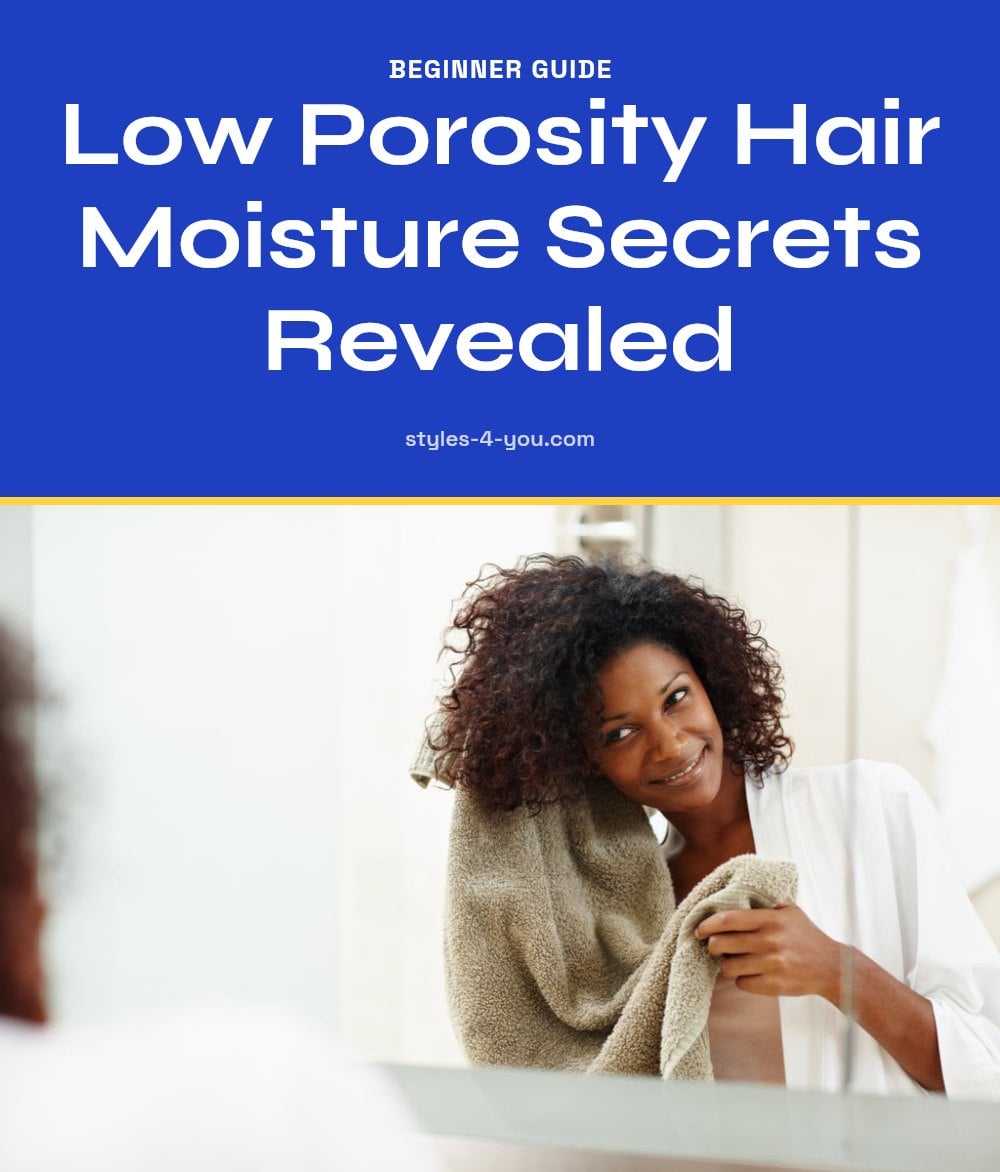
If your hair takes forever to get wet, feels dry even after conditioning, and products seem to just sit on the surface, you might be dealing with low porosity hair. The tightly closed cuticles make it tough for moisture to get in, but the good news is that once you learn the right techniques, you can keep it hydrated and healthy. This article covers what low porosity hair is, the mistakes to avoid, and a simple routine to help moisture actually absorb and stay put.
Key Takeaways
- Shampoo at least once a week with a sulfate-free formula to prevent product buildup.
- Always use gentle heat (like a steamer or warm towel) when deep conditioning to open cuticles.
- Choose lightweight, humectant-rich products over heavy oils and butters for better absorption.
- Apply products to damp hair using warm water to help them penetrate the hair shaft.
- Don’t assume low porosity hair is automatically protein-sensitive; test products to see how your hair reacts.
What is Low Porosity Hair and Why Does it Resist Moisture?
Low porosity hair has tightly packed, overlapping cuticles that act like a barrier. This makes it hard for moisture to get in, but once it does, it’s also hard for it to escape. You might notice your hair takes forever to get fully wet and dry, and products seem to sit on top instead of absorbing.
The key is to use lightweight, water-based products and gentle heat to encourage the cuticles to open. This helps moisture actually penetrate and stay, keeping your hair hydrated and less brittle.
Your Essential Toolkit for Low Porosity Hair
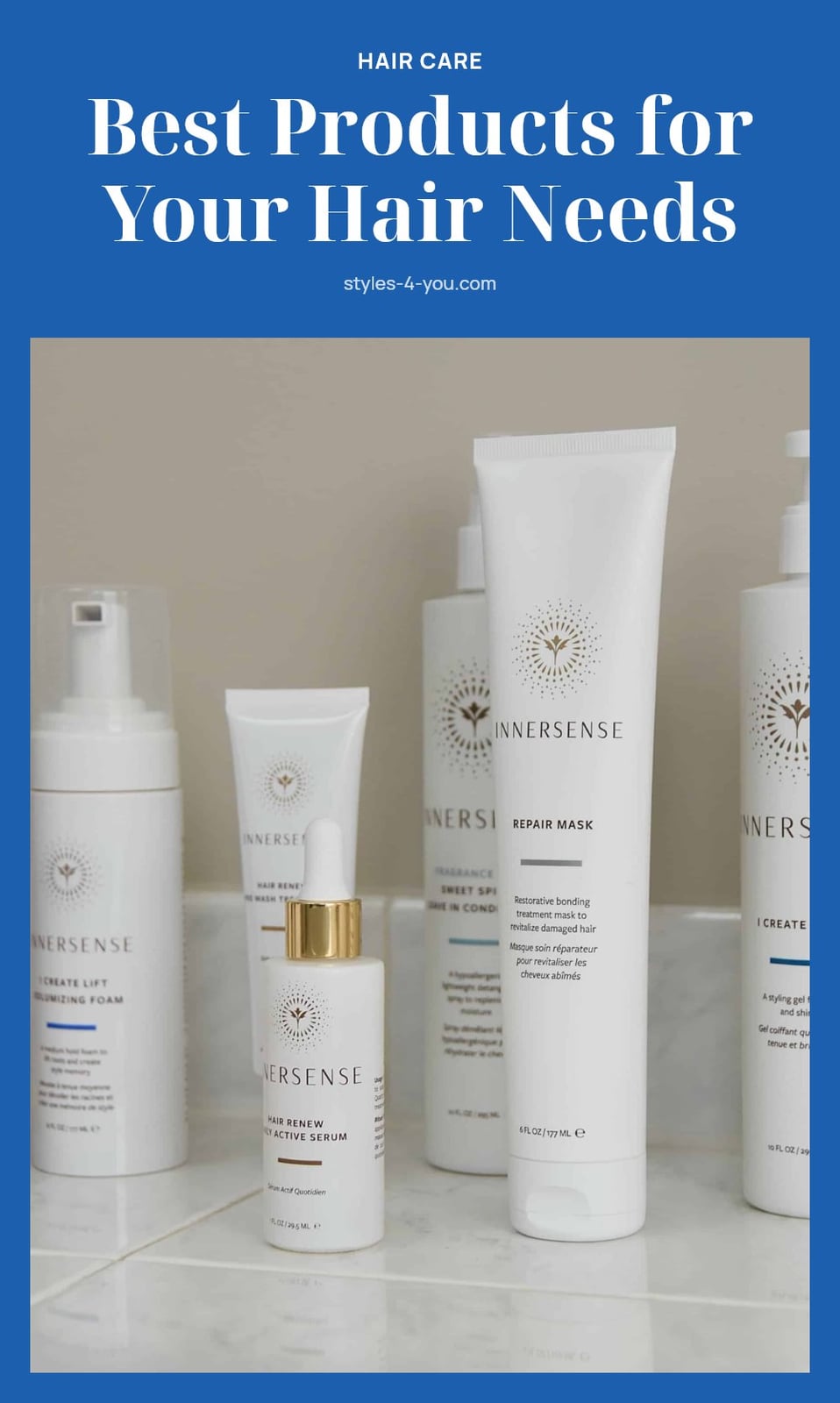
To care for low porosity hair, you need the right tools and products. Here’s what to have on hand:
- Clarifying shampoo: Removes product buildup that can block moisture.
- Lightweight, humectant-rich conditioner and leave-in: These absorb better than heavy oils or butters.
- Hair steamer or warm towel: Gentle heat helps open cuticles for deeper product penetration.
- Microfiber towel or cotton t-shirt: Minimizes friction and moisture loss compared to regular towels.
Your Routine: How to Hydrate and Care for Low Porosity Hair
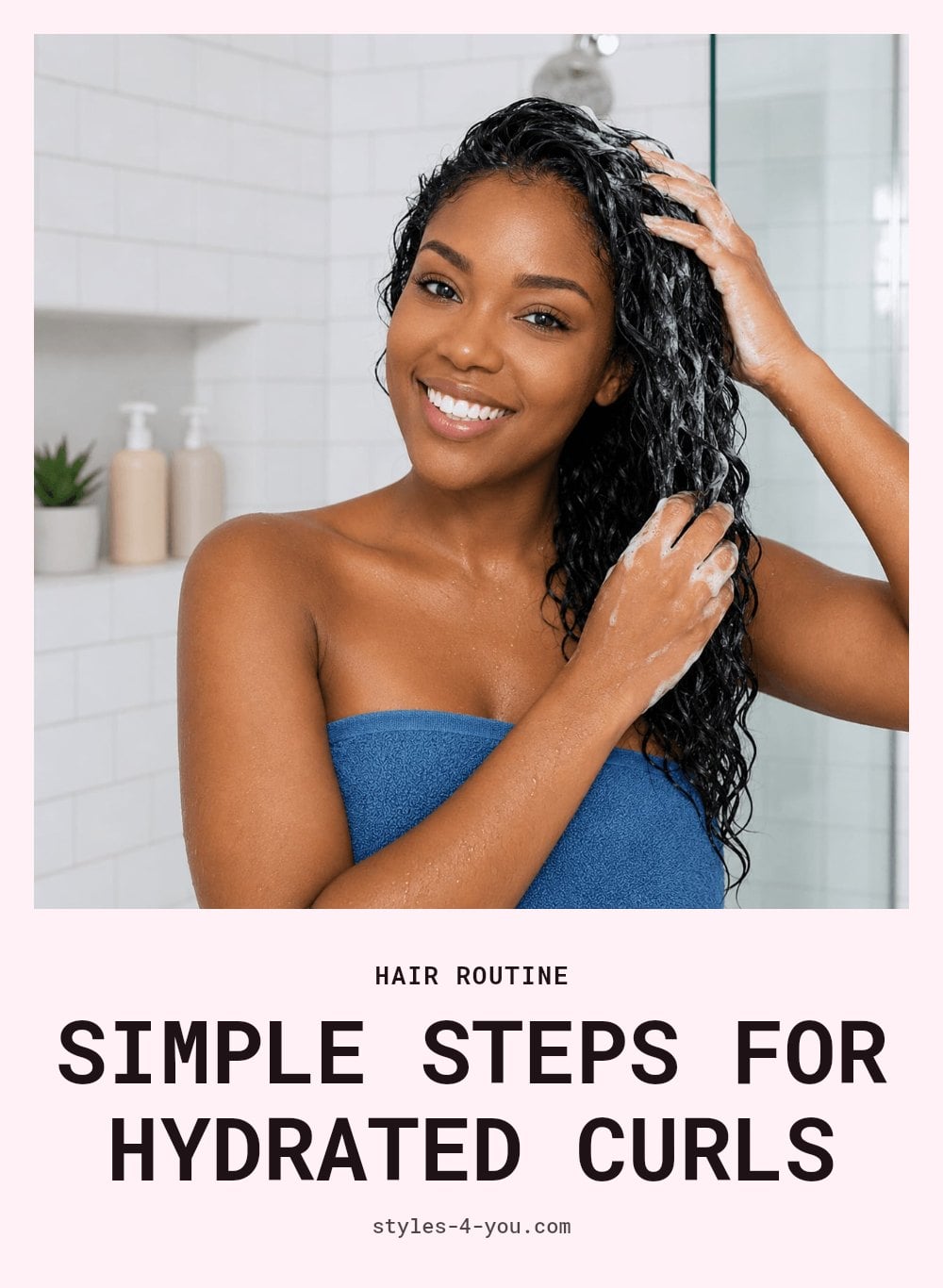
Here’s a simple routine to keep low porosity hair hydrated and healthy.
- Shampoo weekly: Shampoo at least once a week, or even twice if you use thick products or sweat a lot. This prevents buildup and ensures a clean base. Choose a sulfate-free shampoo to avoid stripping natural oils.
- Deep condition with heat: Apply your deep conditioner, then use a hooded dryer, a plastic cap, or a warm towel to trap heat. This opens the cuticles, allowing the conditioner to penetrate rather than just sit on the surface. Leave it on for the time recommended on the product label.
- Style with warm water: When styling, fill your spray bottle with warm water. Warm water helps open the cuticles, so styling products absorb into the hair shaft instead of just coating it. Experiment with styling on soaking wet versus damp hair to see which works best for you.
If you’re concerned about protein, don’t assume you’re protein-sensitive just because you have low porosity hair. Test a product with protein and see how your hair reacts. If it feels stiff or straw-like, you might be sensitive; in that case, follow up with a protein-free moisturizing product.
Here is the method in action: Noelia ♥ demonstrates it in about 12 minutes. The how-to part starts at 1:22.
Common Low Porosity Hair Mistakes to Avoid
Even with the right routine, it’s easy to fall into habits that sabotage low porosity hair. Here are the most common mistakes to avoid:
- Only co-washing: Co-washing doesn’t effectively cleanse low porosity hair. It leaves buildup that can block moisture and even hinder growth. Shampoo weekly instead.
- Rinsing with cold water: Cold water closes the cuticles, preventing moisture from entering. That’s counterproductive if you’re trying to hydrate. Use warm water for rinsing.
- Skipping heat during deep conditioning: Without heat, deep conditioners just sit on top of low porosity hair. Always use gentle heat to help them absorb.
- Avoiding all protein: Not everyone with low porosity hair is protein-sensitive. Skipping protein entirely might mean missing out on beneficial products. Test and see how your hair responds.
- Styling without water or with cold water: Products won’t penetrate if you style on dry hair or use cold water. Always use warm water to help them absorb.
Pro Tips for Maximizing Moisture Absorption and Retention
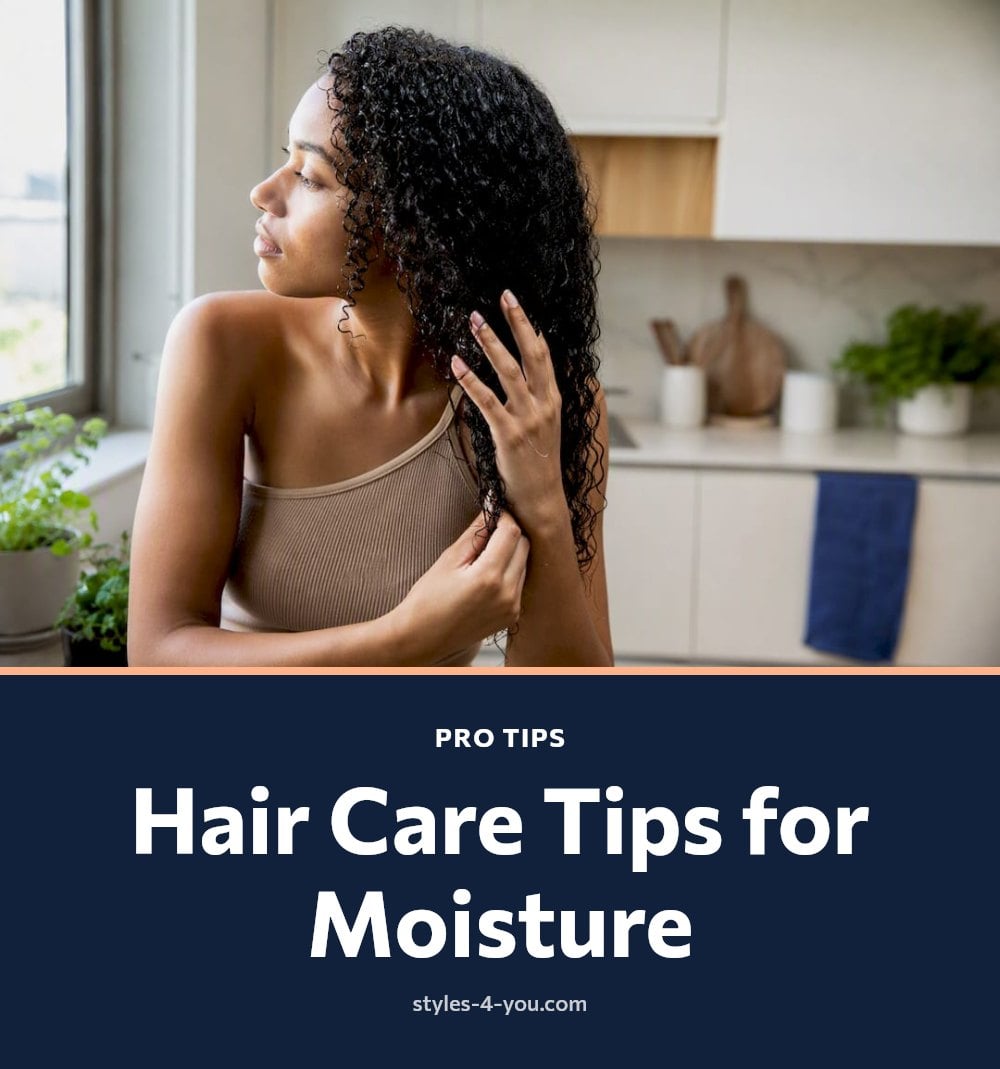
Apply to damp hair: Work products into hair that is damp, not dripping wet. Damp hair allows lightweight ingredients to absorb without being diluted or sliding off, which is a common issue with low porosity strands.
Choose humectants: Look for conditioners and leave-ins with glycerin, honey, or aloe vera. These attract moisture from the air and help it penetrate your cuticles, unlike heavy oils that just sit on top.
Use heat gently: When deep conditioning, keep the heat low and steady. A warm towel or steamer should feel comfortable on your scalp, never hot, to avoid burns or damage while still opening the cuticles.
Dilute essential oils: If you add essential oils for fragrance or scalp health, always mix them into a carrier oil like jojoba or grapeseed. Undiluted oils can irritate the scalp, especially when combined with heat.
What to Expect: Timeline for Results and Product Costs
With consistent care, you can expect to see better moisture retention and less dryness within a few weeks. Your hair should feel softer, look shinier, and products will start absorbing instead of sitting on the surface.
Product costs vary widely, but focus your spending on a quality clarifying shampoo, a lightweight conditioner, and a deep conditioner that works with heat. A hair steamer or warm cap is a worthwhile investment if you deep condition regularly, as it maximizes penetration and speeds up results.
Tip: Stick with your routine for at least four weeks before judging results. Low porosity hair responds slowly, but gentle heat and lightweight products will gradually improve moisture balance.
Frequently Asked Questions
How can I tell if my hair has low porosity?
The most reliable way is to observe how your hair behaves. If it takes a long time to get fully wet, resists absorbing products, and stays wet for a while after washing, it likely has low porosity. The float test is common but not always accurate, so paying attention to your hair’s daily responses is more trustworthy.
Are natural oils good for low porosity hair?
Some natural oils can work, but they need to be used carefully. Heavy oils like coconut or castor oil can sit on the hair and cause buildup. Lighter oils such as jojoba or grapeseed oil may be better, but always apply them sparingly and after water-based products to avoid blocking moisture.
How often should I deep condition low porosity hair?
Deep conditioning once a week is usually enough for low porosity hair, especially if you use heat to help it absorb. Overdoing it can lead to buildup, so stick to a weekly schedule and adjust based on how your hair feels. If your hair is very dry, you might try every five days, but watch for product residue.
Can low porosity hair be healthy?
Absolutely. Low porosity hair can be just as healthy as any other hair type when you use the right care methods. The key is to focus on lightweight moisture, regular clarifying, and heat during conditioning. With consistency, low porosity hair can be soft, shiny, and well-hydrated without feeling weighed down.
Final Thoughts
Stick with a consistent routine that includes weekly shampooing, heat-assisted deep conditioning, and lightweight products, and you should see improved moisture retention within a few weeks. A realistic expectation is that your hair will feel softer and shinier, and products will start absorbing instead of just sitting on top. Finding what works for your unique hair takes a little patience, but the results are worth it.
More Blog ideas
- Your Essential Guide to a Healthy Feminine Hygiene Routine
- Best High Protein Foods to Eat Daily for Health and Energy
- Feeling Stuck: 12 Small Steps to Get Unstuck
- Winter Skin Survival Tips
- How to Get a Flat Stomach
- How to Fix Damaged Hair and Restore Its Health
- Full-Body Kettlebell Workout
- Dry Scalp vs. Dandruff
- Full Body Workout for Beginners
- 21 Easy Beauty Tips Every Woman Should Know
- Feminine Energy: 15 Daily Habits to Feel More Radiant
- Upper Body Workout for Women at Home






