How to Manage Greasy Hair: Natural Remedies and Tips
Learn how to tackle greasy hair with natural remedies and lifestyle adjustments. Get tips to balance your scalp and enjoy cleaner hair for longer.

If your hair looks greasy just hours after washing, you are not alone. Overactive sebaceous glands produce excess sebum, which leaves hair looking oily. The good news is that with the right routine, you can manage oil production naturally. This article covers why hair gets greasy, natural remedies, daily habits, and long-term strategies to keep your hair clean longer.
Key Takeaways
- Wash with a gentle sulfate-free shampoo formulated for oily hair.
- Apply conditioner only to mid-lengths and ends, not the scalp.
- Space out washes gradually to train your scalp to produce less oil.
- Clean your hair brushes and combs regularly to remove oil buildup.
- Use lukewarm water and avoid hot water that can stimulate sebaceous glands.
The Quick Fix for Greasy Hair
The quick fix for greasy hair starts with understanding that overactive sebaceous glands produce excess oil. You can’t just wash more; you need a combination of gentle washing, targeted products, and lifestyle tweaks. Use a sulfate-free shampoo, apply conditioner only to ends, and rinse with lukewarm water. In between washes, dry shampoo absorbs oil at the roots. Natural remedies like apple cider vinegar rinses help balance scalp oil over time. Consistency is key, and results often show within a few weeks.
Why Your Hair Gets Greasy So Fast
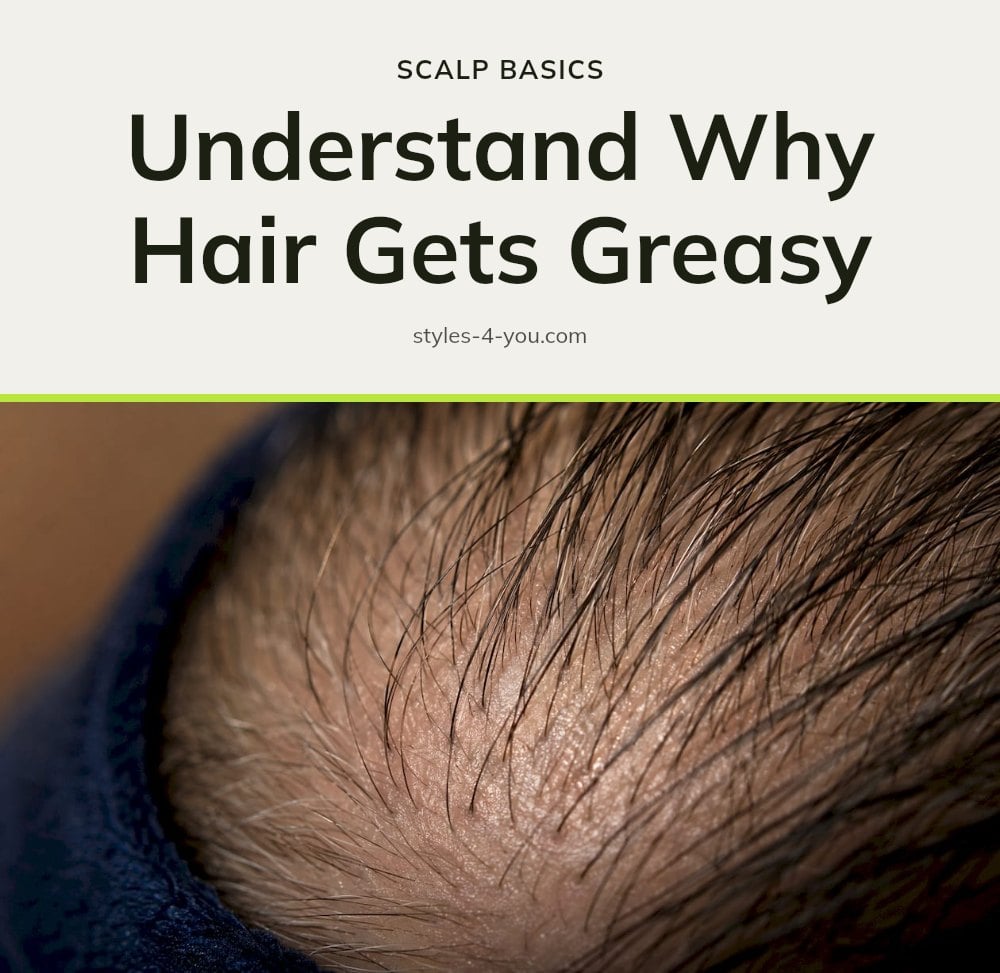
Why Your Hair Gets Greasy So Fast
Sebum is a natural oil produced by sebaceous glands on your scalp. It keeps hair and skin moisturized and protected. But when those glands go into overdrive, they produce too much sebum, leaving hair looking greasy just hours after washing.
Several factors can trigger this overproduction:
- Hormonal fluctuations: Changes during your cycle, puberty, or stress can ramp up oil production.
- Genetics: If your parents had oily hair, you might too.
- Diet: High intake of processed foods and sugar may affect scalp health.
- Stress: Stress impacts hormones, which can increase sebum.
- Washing too often: Stripping your scalp of natural oils can backfire, causing it to produce even more oil to compensate.
Understanding these triggers helps you adjust your routine for a less greasy scalp.
Essential Tools and Products for Managing Oily Hair
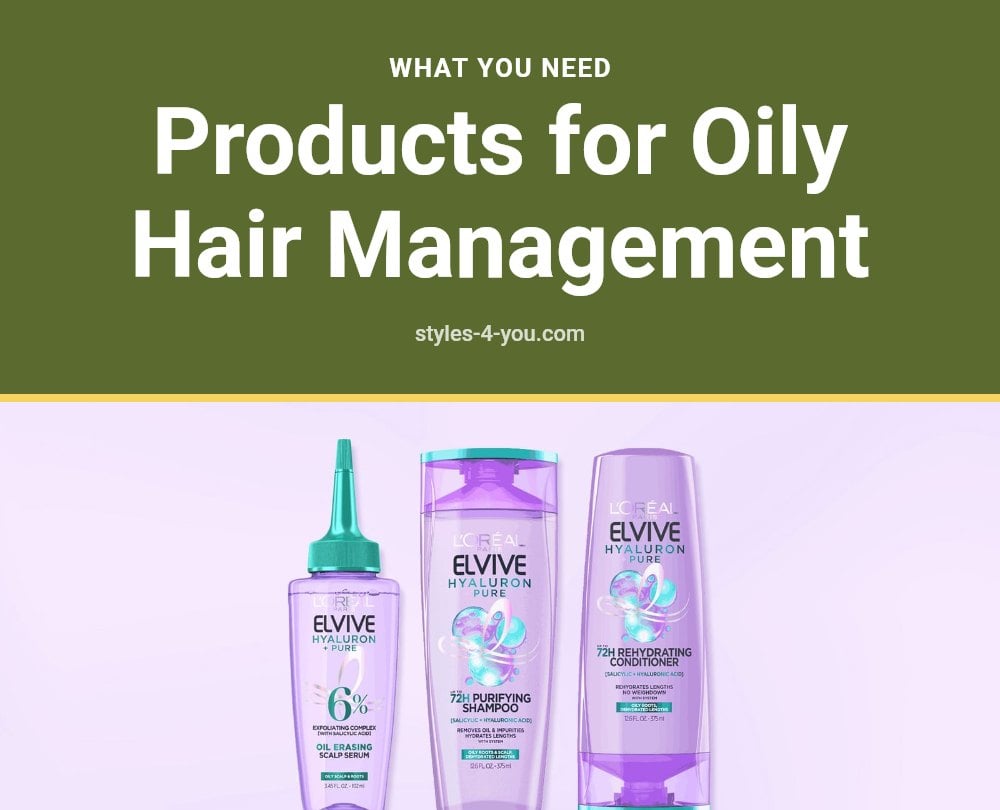
Essential Tools and Products for Managing Oily Hair
To keep greasiness at bay, stock up on these essentials:
- Gentle, sulfate-free shampoo: Look for one formulated for oily hair; it cleans without stripping.
- Lightweight conditioner: Apply only to mid-lengths and ends to avoid weighing down roots.
- Dry shampoo: A lifesaver for in-between washes to absorb excess oil at the roots.
- Apple cider vinegar or aloe vera: Natural DIY remedies to balance scalp oil.
- Clean hair brush: A brush free of oil and product buildup prevents spreading grease.
Having these on hand makes it easier to manage oil daily.
Natural Remedies to Balance an Oily Scalp
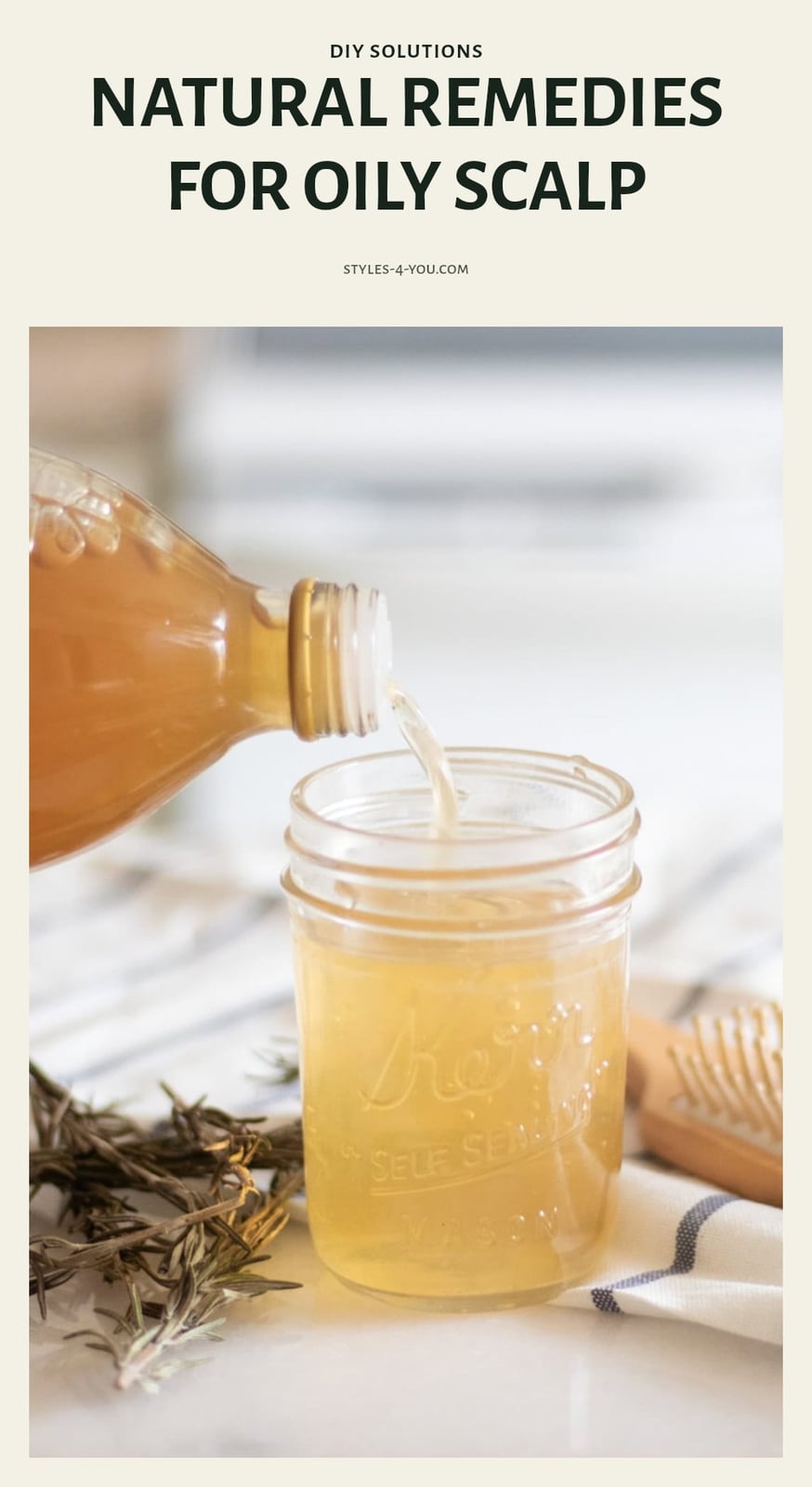
Natural Remedies to Balance an Oily Scalp
Natural ingredients can help regulate oil production without harsh chemicals. Here are four remedies to try:
- Apple cider vinegar rinse: Mix 2-3 tablespoons of ACV with a cup of water. After shampooing, pour it over your scalp, leave for 2-3 minutes, then rinse. ACV balances pH and removes buildup.
- Aloe vera gel: Apply pure aloe vera gel directly to your scalp, leave for 10 minutes, then wash. It soothes irritation and helps reduce oiliness.
- Tea tree oil (diluted): Add 3-5 drops of tea tree oil to a tablespoon of carrier oil (like jojoba or coconut). Massage into scalp, leave for 15 minutes, then wash. Its clarifying properties cut through excess sebum.
- Scalp scrub: Once a week, use a gentle scrub (like sugar mixed with aloe) to exfoliate dead skin and product buildup. Massage in circular motions for 1-2 minutes, then rinse.
My tip: Always do a patch test on your inner arm before trying any new remedy to avoid allergic reactions. And remember, essential oils must always be diluted to prevent irritation.
Your Daily Routine for Less Greasy Hair
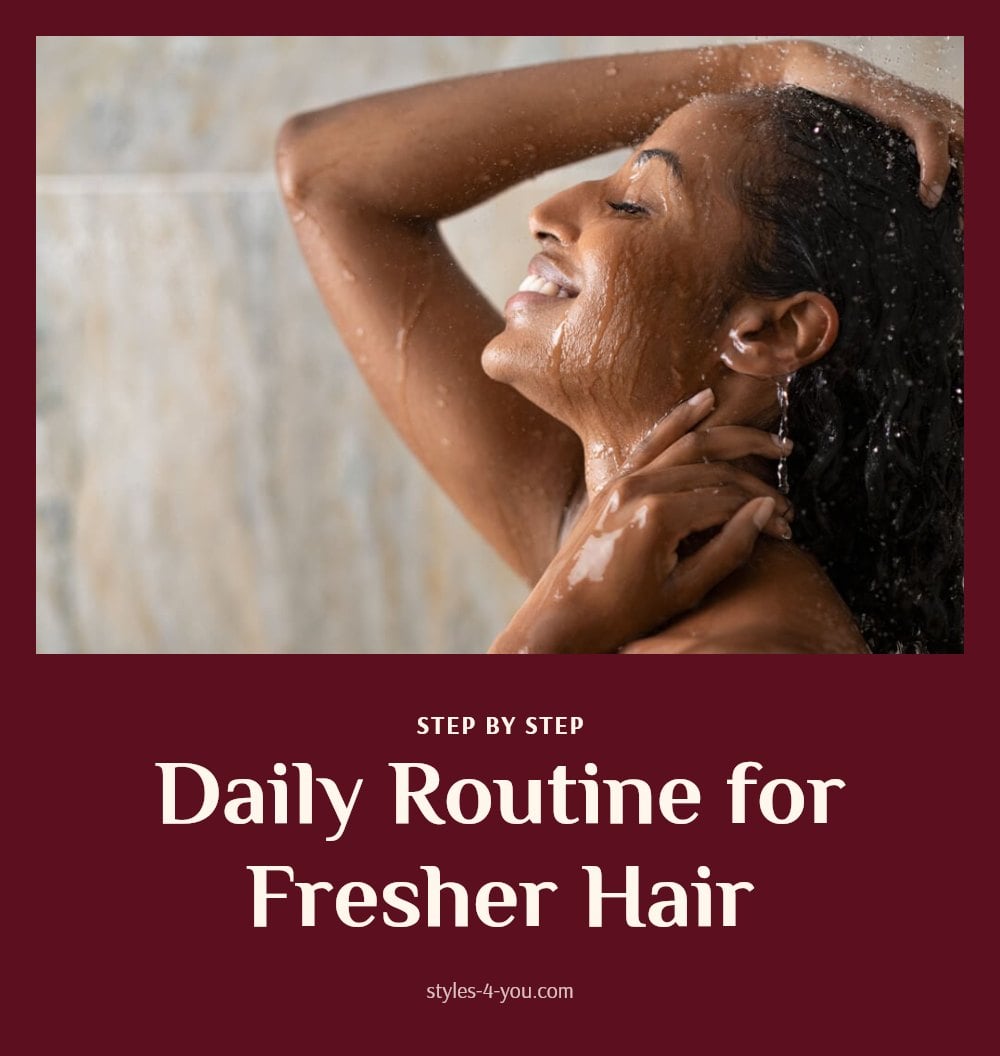
Start your routine with lukewarm water. Hot water can stimulate your sebaceous glands, so keep the temperature comfortable but not scalding. Apply a gentle, sulfate-free shampoo formulated for oily hair, focusing on the scalp where oil builds up.
- Wash your scalp: Massage the shampoo into your roots with your fingertips, not your nails, for about 60 seconds. Avoid scrubbing the ends, which are naturally drier.
- Condition only the ends: Squeeze a dime-sized amount of lightweight conditioner and run it through your mid-lengths to tips. Never apply it to your scalp, as that can weigh hair down and add grease.
- Rinse thoroughly: Spend an extra 30 seconds rinsing to remove all shampoo and conditioner residue. Leftover product can attract dirt and make hair look oily faster.
- Clean your tools weekly: Remove hair from your brush after each use, then wash it with a drop of shampoo in warm water once a week. Dirty brushes spread old oil and product back onto clean hair.
- Keep hands off: Avoid touching your hair during the day. Oils and dirt from your fingers transfer easily, so if you need to adjust your style, use a clean wide-tooth comb.
Common Mistakes Making Your Hair Greasier
Even with the best products, small habits can undo your progress. Here are the most common mistakes and how to fix them.
- Washing too often: Shampooing daily strips natural oils, which can cause your scalp to overproduce sebum. Try washing every other day or every two days instead.
- Conditioner on the scalp: Applying conditioner to your roots adds moisture where you don’t need it. Keep it on the ends only, from the ears down.
- Skipping the final rinse: Not rinsing thoroughly leaves a film of product that traps oil and dirt. Rinse until the water runs clear and hair feels squeaky clean.
- Dirty brushes and combs: Using hair tools caked with old oil and styling product redeposits grime. Clean them weekly with warm water and a mild soap.
- Over-brushing: Brushing from root to tip too many times stimulates your scalp’s oil glands. Brush only to detangle, and focus on the ends.
Long-Term Strategies to Prevent Greasy Hair
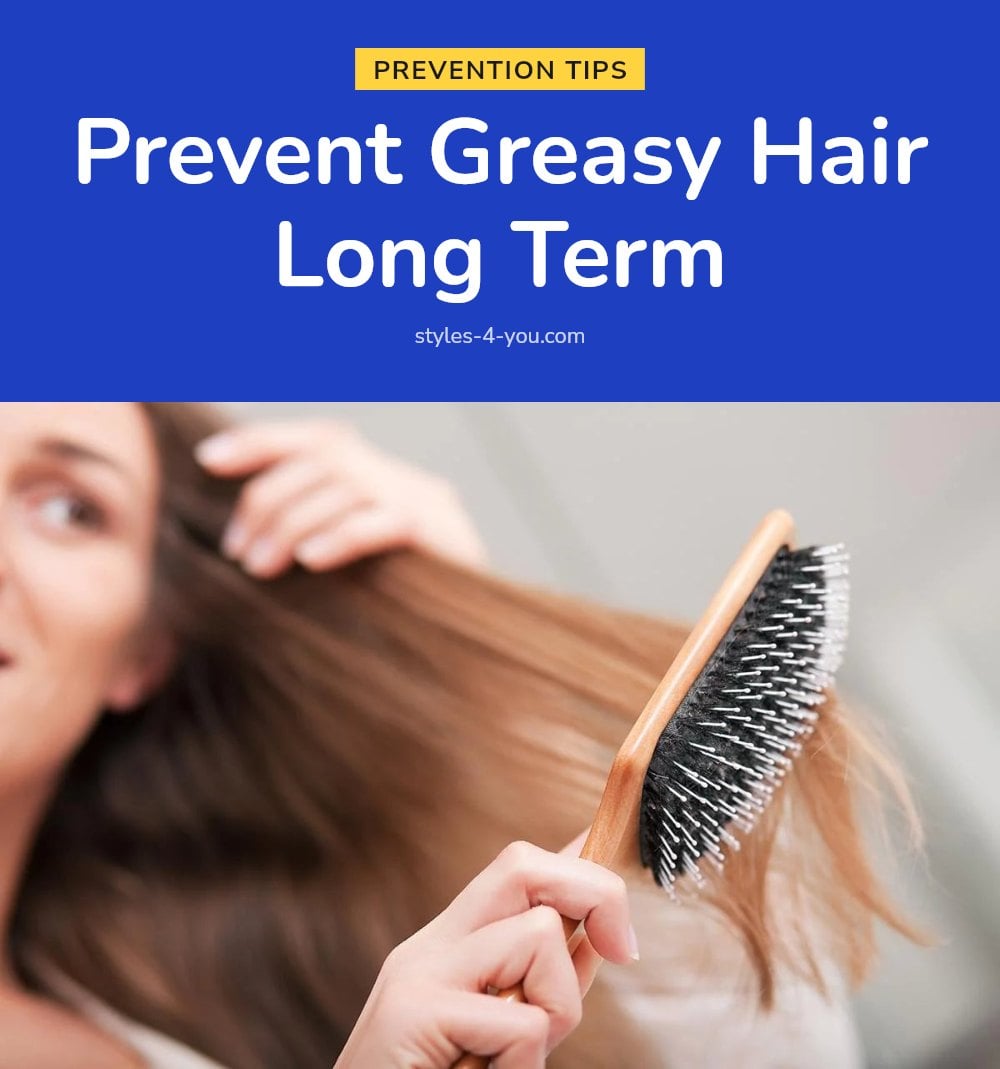
Long-term results come from consistent habits that train your scalp to produce less oil over time.
- Space out washes gradually: Start by adding an extra day between washes. If you wash daily, try every other day for two weeks, then every three days. Your scalp will adjust and produce less oil in response.
- Eat for scalp health: A diet rich in zinc, B vitamins, and omega-3 fatty acids supports balanced sebum production. Include foods like leafy greens, nuts, and fatty fish, and limit processed sugars.
- Manage stress: High stress levels can trigger hormonal shifts that increase oil production. Incorporate daily stress-reducing activities like a 10-minute walk or deep breathing.
- Choose lightweight styling products: Opt for mousses or sprays labeled “volumizing” or “oil-free.” Apply them at least 2 inches away from your scalp to avoid weighing roots down.
When to Consult a Professional for Oily Hair
If your hair stays greasy despite consistent routine changes, it may be time to see a dermatologist. Seek professional help if you notice scalp irritation, redness, or excessive itching, which could indicate a condition like seborrheic dermatitis. Also consult a doctor if you suspect an underlying health issue, such as a hormonal imbalance, is contributing to the oiliness. A specialist can recommend prescription treatments or investigate other causes.
Frequently Asked Questions
How often should I wash oily hair?
Try washing every other day or every three days instead of daily. Washing too often can strip natural oils and cause your scalp to produce even more sebum. Gradually spacing out washes helps train your scalp over time.
Can diet affect greasy hair?
A diet high in processed foods and sugar may contribute to oily scalp. Eating a balanced diet rich in vitamins and minerals supports overall skin and scalp health, which can help regulate oil production.
Is dry shampoo good for oily hair?
Dry shampoo can be a useful tool between washes to absorb excess oil at the roots. However, it should not replace regular washing, as buildup from dry shampoo can clog pores and irritate the scalp over time.
What ingredients should I look for in shampoo for oily hair?
Look for a gentle, sulfate-free shampoo that is specifically formulated for oily hair. Ingredients like tea tree oil, aloe vera, or apple cider vinegar can help balance oil, but always dilute essential oils properly before use.
Can stress cause greasy hair?
Stress can influence hormone levels, which in turn can trigger sebaceous glands to produce more oil. Managing stress through relaxation techniques or regular exercise may help reduce greasiness over time.
Final Thoughts
Start by switching to a sulfate-free shampoo and applying conditioner only to your ends. Be patient: it can take a few weeks of consistent habits to see a real difference in oil production. Stick with the routine, and your scalp will gradually adjust for longer-lasting freshness.
This article is for informational purposes only and is not a substitute for professional medical advice. If you have persistent scalp irritation, redness, or excessive itching, consult a dermatologist or healthcare provider for a proper diagnosis and treatment plan.
More Blog ideas
- Your Essential Guide to a Healthy Feminine Hygiene Routine
- Best High Protein Foods to Eat Daily for Health and Energy
- Feeling Stuck: 12 Small Steps to Get Unstuck
- Winter Skin Survival Tips
- How to Get a Flat Stomach
- How to Fix Damaged Hair and Restore Its Health
- Full-Body Kettlebell Workout
- Dry Scalp vs. Dandruff
- Full Body Workout for Beginners
- 21 Easy Beauty Tips Every Woman Should Know
- Feminine Energy: 15 Daily Habits to Feel More Radiant
- Upper Body Workout for Women at Home