Mastering the Art of Filing Nails for Perfect Shape and Health
Learn essential techniques for filing nails at home to achieve a smooth, even shape and prevent breakage, leaving your hands looking polished and neat.

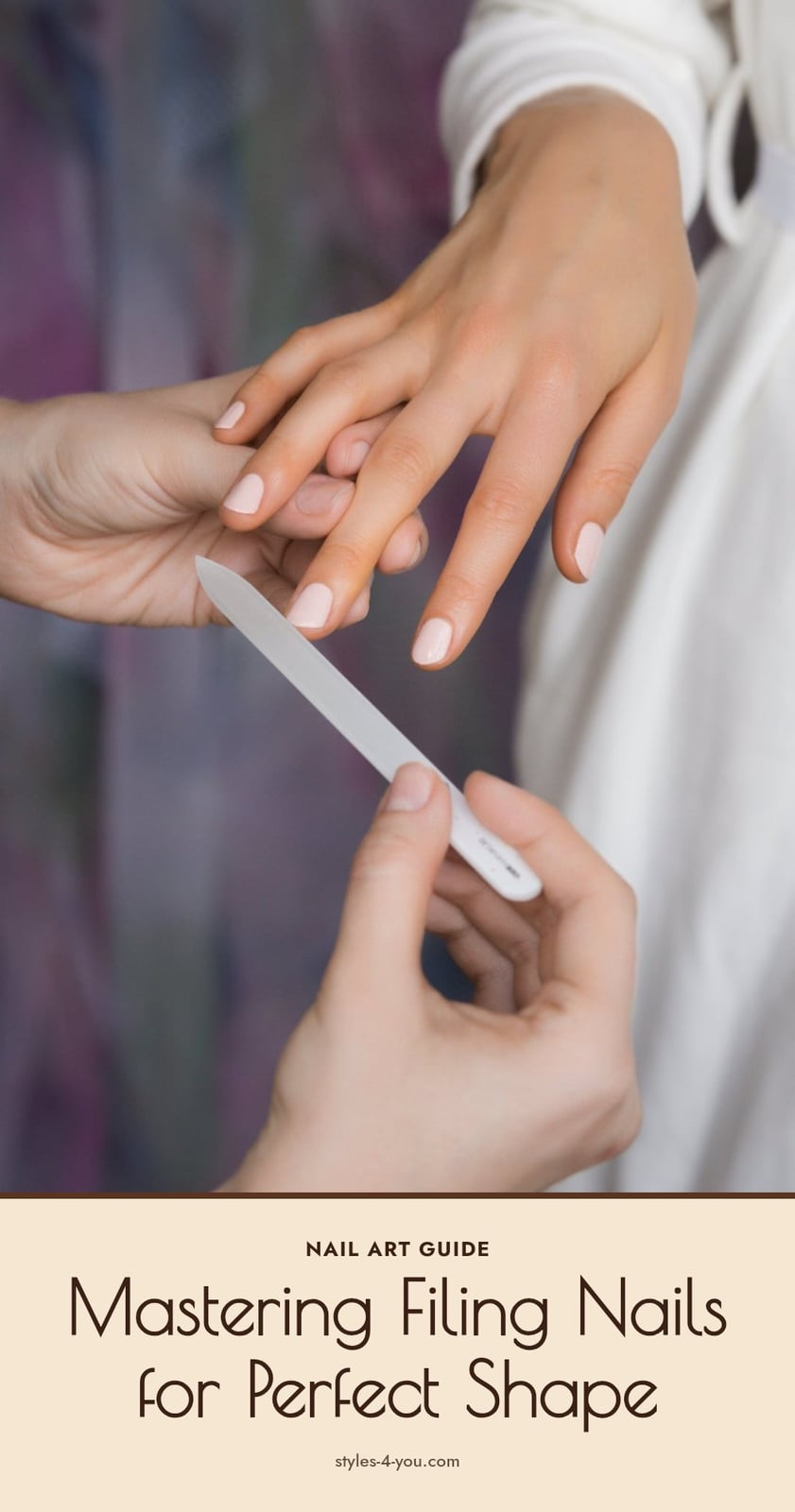
Getting a perfect nail shape at home is easier than you think, and it all starts with how you file. Whether you want a sleek almond or a classic square, the right technique keeps your nails strong and prevents breakage. This article covers everything from choosing the best file to mastering the one-direction stroke, plus common mistakes to skip for healthier nails.
Key Takeaways
- File nails only when completely dry to prevent splitting and peeling.
- Use a fine-grit file (higher number) for natural nails and a coarser one for shaping.
- Always file from the side toward the center in one direction, never sawing back and forth.
- Buff sparingly after filing to avoid thinning the nail plate.
- Clean your nail files regularly to prevent bacteria buildup.
The Secret to Perfectly Filed Nails
The secret to perfectly filed nails comes down to three rules: choose the right grit file for your nail type, file only when nails are completely dry, and use a gentle, consistent motion in one direction. Wet nails are pliable and prone to splitting, so always wait until they’re dry. Filing from the outer edge toward the center in one smooth stroke prevents fraying and peeling, leaving a smooth, strong edge ready for any shape you desire.
Essential Tools for Flawless Filing
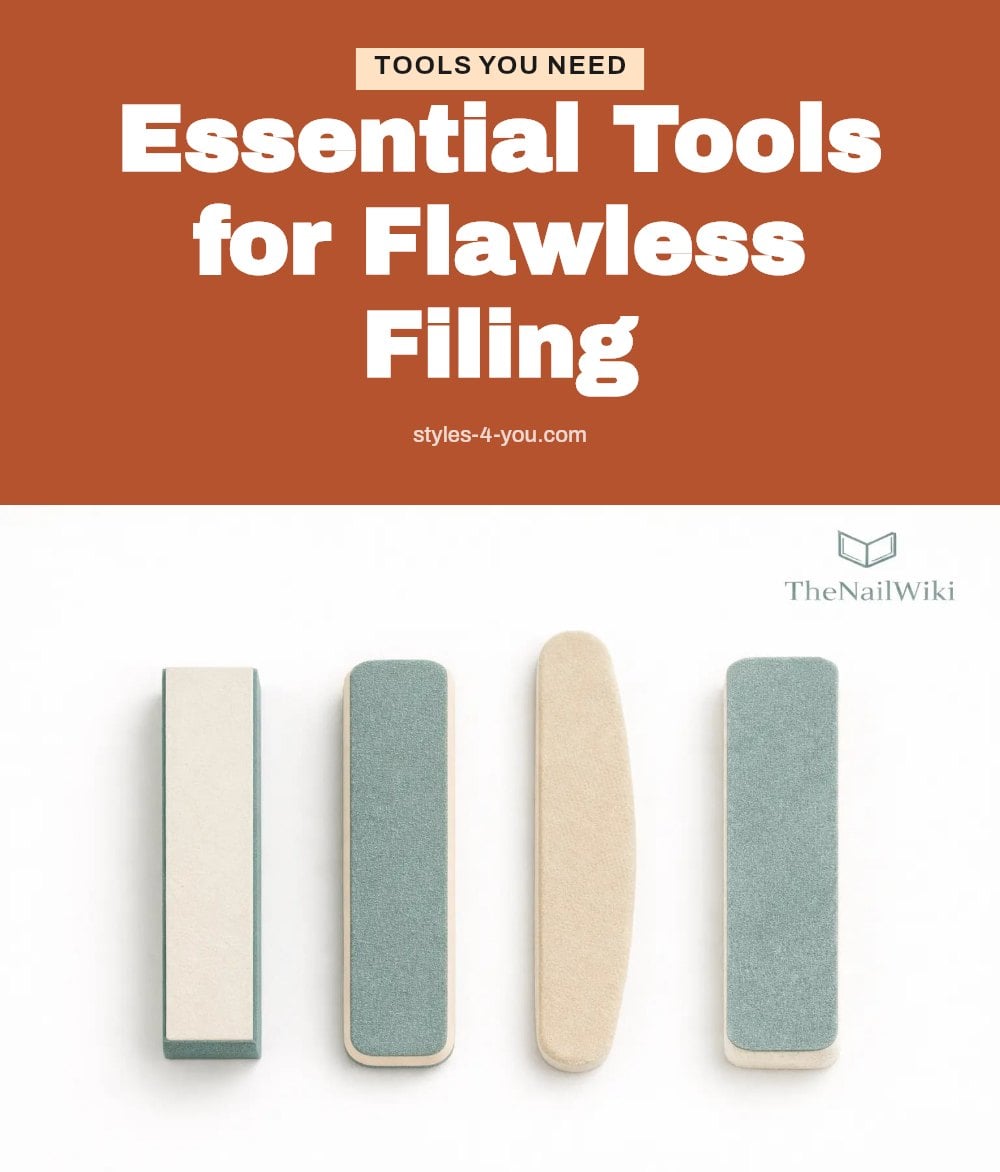
Having the right tools makes all the difference. Here’s what to keep in your nail kit:
- Emery boards: Versatile and affordable, with a coarse side for shaping and a finer side for smoothing.
- Glass or crystal files: Gentle on natural nails, they seal the edge to prevent micro-tears.
- Metal nail files: Durable but can be harsh on natural nails, so use with caution.
- Nail buffer: Smooths the nail surface and adds a natural shine after filing.
- Nail clippers: Optional, but handy for trimming significant length before filing.
Choosing the Right Nail File for Your Nails
Choosing the right file comes down to grit and material. Higher grit numbers mean finer files, ideal for natural nails and finishing touches. Lower grit numbers are coarser, better for shaping or working on artificial nails. Here’s a quick comparison:
| File Type | Grit Suitability | Benefits | Downsides |
|---|---|---|---|
| Emery board | Coarse and fine sides | Versatile, easy to find | Wears out quickly |
| Glass or crystal | Fine (high grit) | Gentle, works bidirectionally | Can break if dropped |
| Metal | Coarse (low grit) | Durable, long-lasting | Harsh on natural nails |
For everyday filing on natural nails, a glass file or the fine side of an emery board is your best bet.
Step-by-Step: How to File Your Fingernails
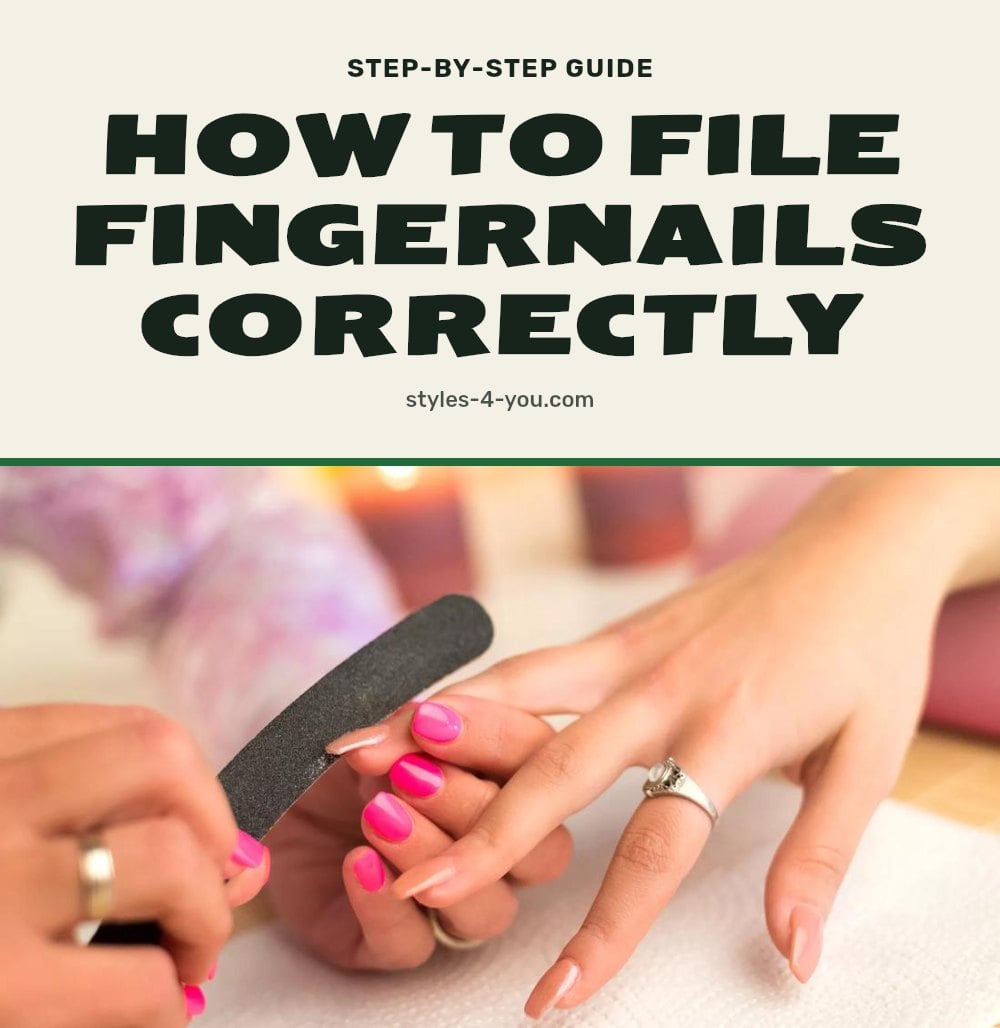
Follow these steps for a professional-looking finish every time.
- Start dry: Ensure your nails are completely dry before you begin. Filing wet nails can cause splitting and peeling.
- Pick your shape: Decide on your desired nail shape (square, round, oval, almond, or coffin) before you start.
- Hold the file at an angle: Position the file at a slight angle, not flat against the nail, to control the shape and avoid thinning the edge.
- File in one direction: Move the file from the outer edge toward the center in a smooth, consistent stroke. Avoid sawing back and forth, as this creates friction and frays the edge.
- Smooth the edges: Switch to the finer grit side of your file to gently smooth any rough spots.
- Handle toenails separately: For toenails, file straight across to help prevent ingrown toenails, with slight rounding at the corners if you prefer.
Common Nail Filing Mistakes to Avoid
Filing wet nails: Wet nails are pliable and more prone to splitting and peeling. Always file when your nails are completely dry.
Sawing back and forth: This motion creates friction and frays the nail edge, weakening it. Stick to filing in one consistent direction, from the side toward the center.
Using a coarse file on natural nails: A file that is too rough can cause damage. Opt for a higher grit (finer) file for natural nails.
Filing too deeply into the sides: This weakens the nail structure and can lead to breaks. Focus on shaping only the free edge.
Neglecting to clean your tools: Dirty files can harbor bacteria. Wash and sanitize reusable files regularly.
Pro Tips for Stronger, Healthier Nails
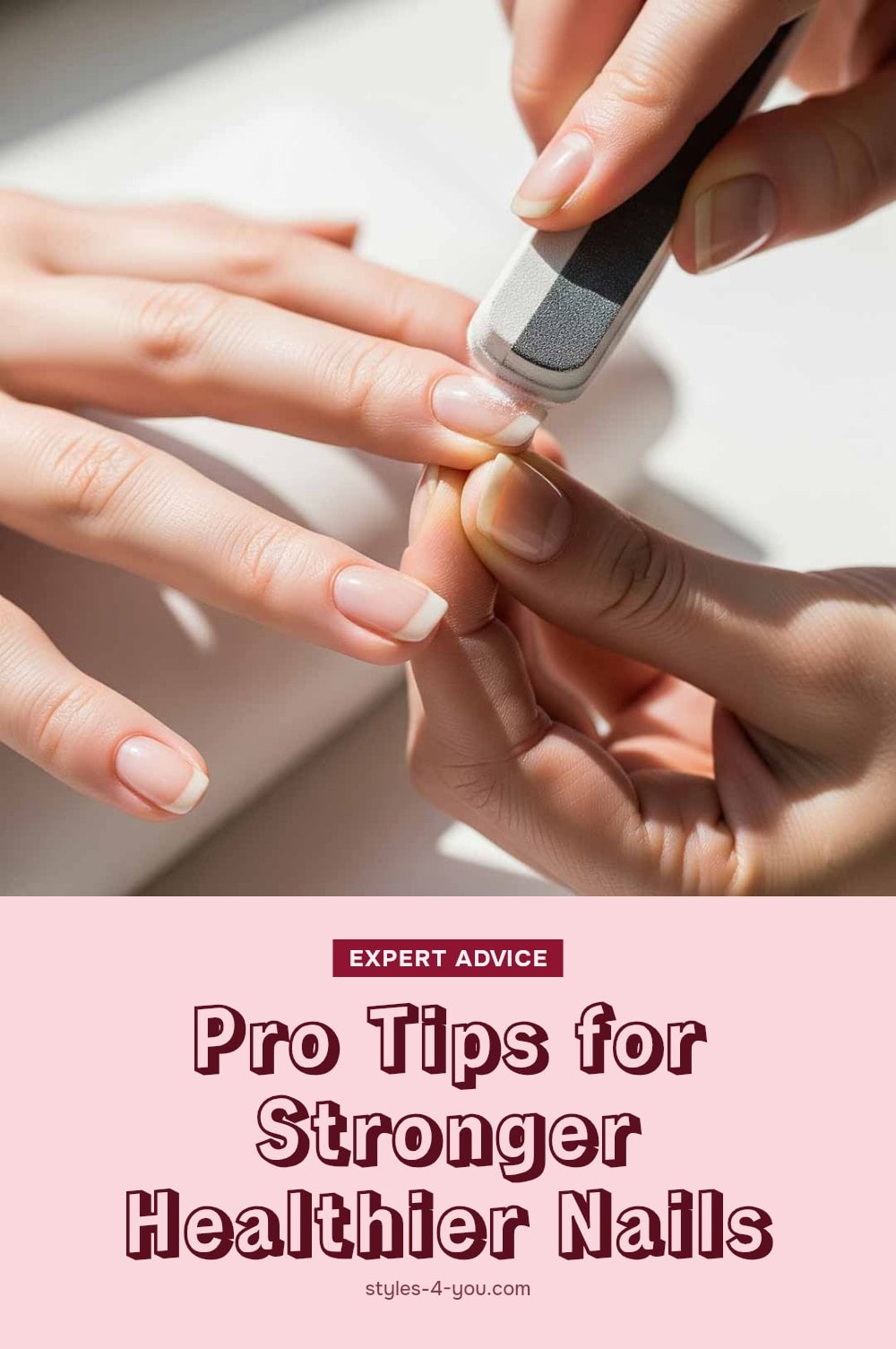
Maintain length regularly: Filing frequently helps prevent snags and breaks. A quick touch-up every few days keeps edges smooth.
Buff gently: After filing, a quick buff can smooth the surface and add shine. Do not overdo it, as excessive buffing thins the nail plate.
Know your shapes: Experiment with square, round, oval, almond, or coffin to find what suits you. Always prioritize nail health over fashion.
Address hangnails safely: Use clippers, not your file, to carefully remove hangnails. Filing them can worsen the tear.
Post-Filing Nail Care for Lasting Results
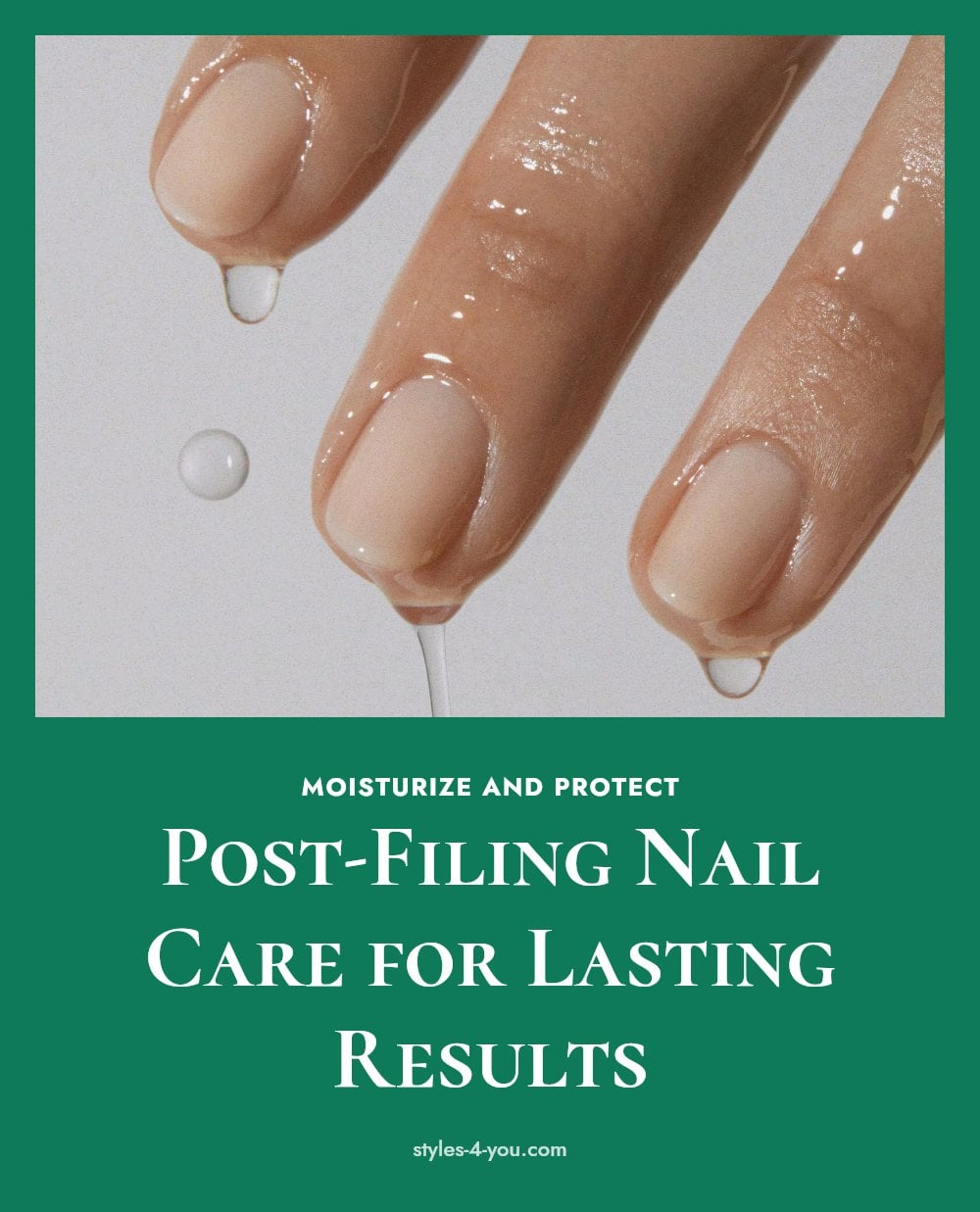
Moisturize your cuticles and nails: Apply cuticle oil or hand cream immediately after filing to rehydrate and nourish them.
Apply a strengthening base coat: Before polish, use a base coat to protect your newly shaped nails from staining and breakage.
Clean your nail files regularly: Wash reusable files with soap and water, then sanitize with rubbing alcohol to maintain hygiene.
Store your files properly: Keep them in a clean, dry case to prevent damage and contamination.
When to Seek Professional Nail Care
Signs of infection: If you experience persistent pain, redness, swelling, or pus around your nail, it could indicate an infection that needs medical attention.
Nail damage after filing: If your nails become excessively thin, brittle, or discolored after filing, consult a healthcare professional.
Severe ingrown toenails: For persistent ingrown toenails or other nail issues that at-home care cannot resolve, a podiatrist or dermatologist can help.
Frequently Asked Questions
How often should I file my nails?
File your nails as often as needed to maintain your desired length and shape, typically once a week or every few days. Regular touch-ups prevent snags and breaks, making your nails easier to manage.
Can I use the same file for fingernails and toenails?
Yes, you can use the same file for both, but it’s best to have a separate one for toenails to avoid transferring bacteria. Toenails are thicker and may require a coarser grit, so a dedicated file works well.
What’s the best way to clean my nail file?
For reusable files like glass or metal, wash them with soap and warm water, then sanitize with rubbing alcohol. Emery boards are disposable, but you can brush off dust and replace them regularly to keep them hygienic.
Should I file my nails before or after trimming them?
File your nails after trimming them. Trimming first reduces length, and then filing shapes and smooths the edges. Always file when nails are dry to avoid damage, whether before or after trimming.
How can I stop my nails from splitting after filing?
To prevent splitting, always file in one direction from the side to the center, never sawing back and forth. Keep your nails moisturized with cuticle oil, and avoid filing wet nails. Using a fine-grit file also helps seal the edge.
Final Thoughts
For the best results, stick to filing once a week or as needed to keep edges smooth and avoid snags. My tip: invest in a glass or crystal file if you want a gentle, long-lasting tool that seals the nail edge. With consistent care, you’ll notice fewer breaks and a more polished look between manicures.
More Blog ideas
- Your Essential Guide to a Healthy Feminine Hygiene Routine
- Best High Protein Foods to Eat Daily for Health and Energy
- Feeling Stuck: 12 Small Steps to Get Unstuck
- Winter Skin Survival Tips
- How to Get a Flat Stomach
- How to Fix Damaged Hair and Restore Its Health
- Full-Body Kettlebell Workout
- Dry Scalp vs. Dandruff
- Full Body Workout for Beginners
- 21 Easy Beauty Tips Every Woman Should Know
- Feminine Energy: 15 Daily Habits to Feel More Radiant
- Upper Body Workout for Women at Home