How to Perform a Relaxing Face Massage at Home
Discover simple face massage techniques you can do at home. Improve circulation and reduce facial tension for a naturally glowing complexion.

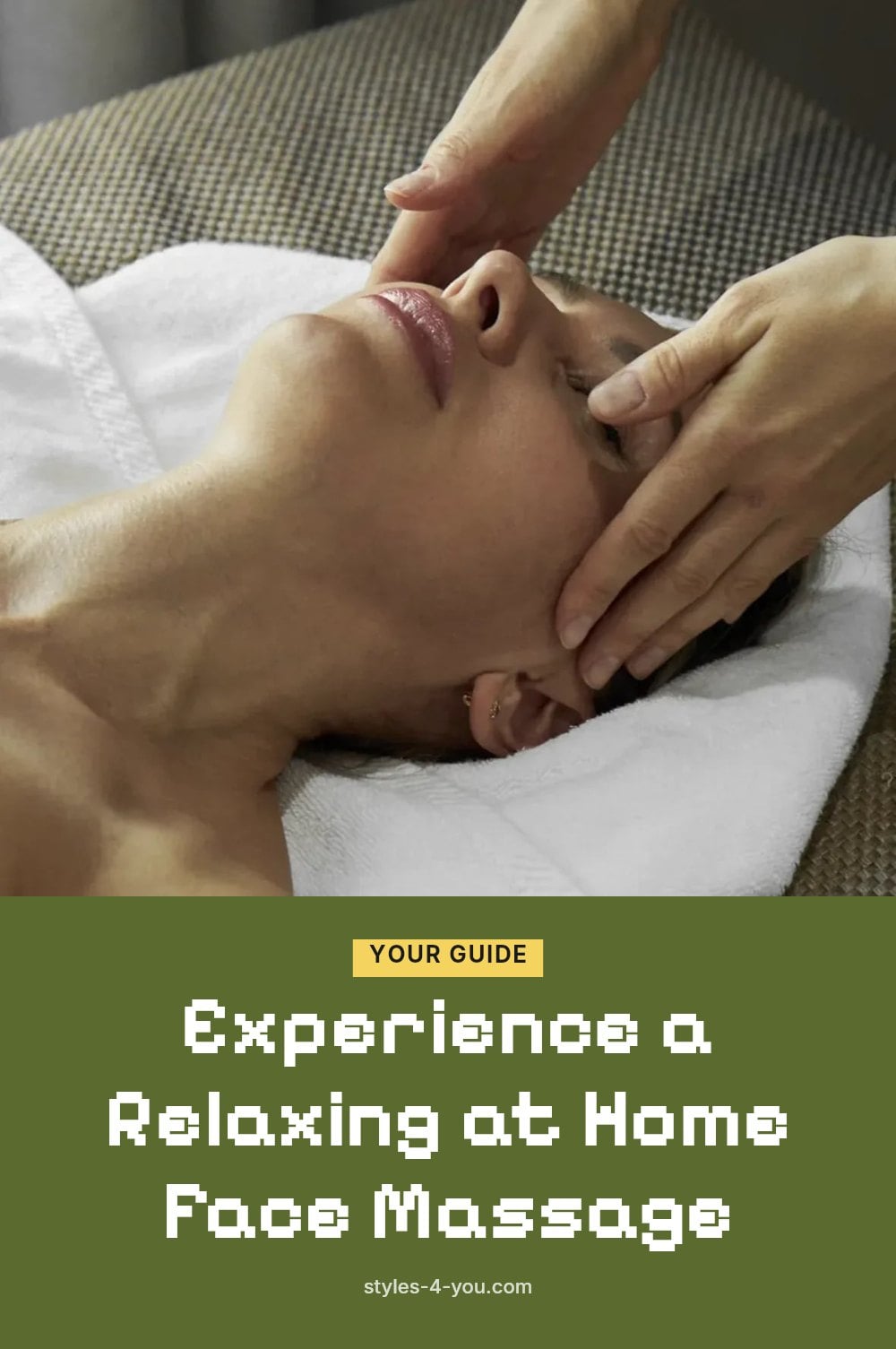
You have probably seen the glowing skin of beauty influencers and wondered if there is a secret. A facial massage at home might be the simple ritual you are missing. It uses gentle hand movements to boost circulation, drain lymph fluid, and ease tension in your face, leaving you with a fresh, dewy look.
This article walks you through the essentials, step-by-step techniques, and how to use tools like rollers and gua sha stones. You will also learn common mistakes to avoid and how to build a routine that fits your life.
Key Takeaways
- Always cleanse and apply oil or serum before massaging to prevent skin pulling.
- Use upward and outward strokes to avoid dragging skin downward.
- Keep pressure gentle, especially around the delicate eye area.
- Aim for 5 to 10 minutes daily or several times a week for best results.
- Stop immediately if you feel pain, redness, or discomfort.
What is Facial Massage and Why Should You Try It?
Facial massage is a simple practice that uses gentle hand techniques to stimulate the skin and muscles of your face. It works by boosting blood circulation, which can give you a healthy glow, and by encouraging lymphatic drainage to reduce puffiness. With regular practice, it also helps relieve tension in common spots like your jaw and temples. Think of it as a mini workout for your face that leaves you looking refreshed and feeling relaxed.
Gather Your Facial Massage Essentials
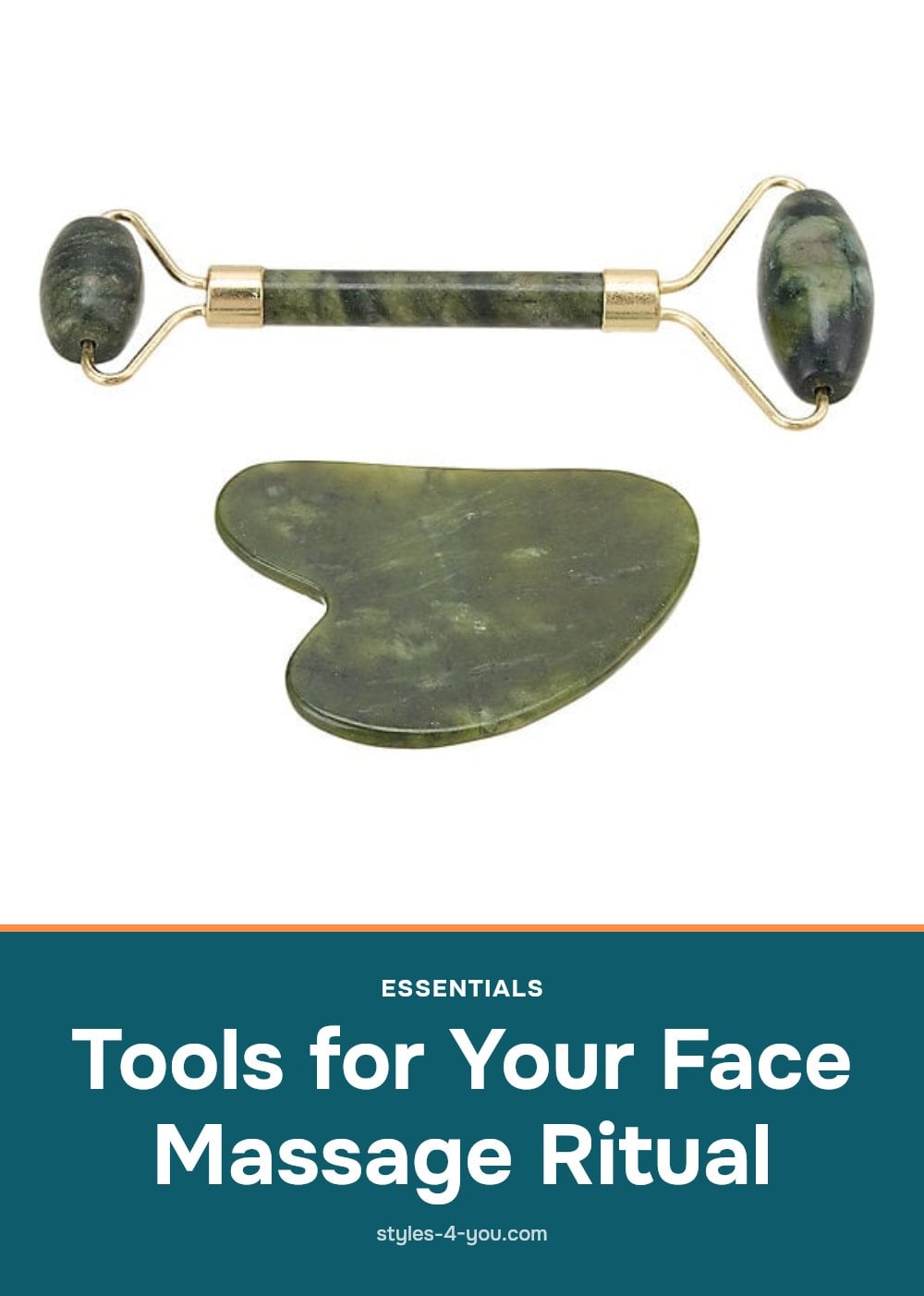
Before you start, gather a few basics. The most important is a good facial oil, serum, or moisturizer to let your hands or tools glide smoothly without pulling your skin. Clean hands are your primary tool, but you can enhance the experience with a roller or gua sha stone. You will also need a gentle cleanser to prep your face properly.
- Facial oil, serum, or moisturizer: creates slip and prevents friction.
- Clean hands: your main instrument for massage.
- Optional tools: a jade roller or gua sha stone for added benefits.
- Gentle cleanser: to remove dirt and oil before you begin.
Your Step-by-Step Guide to an At-Home Facial Massage
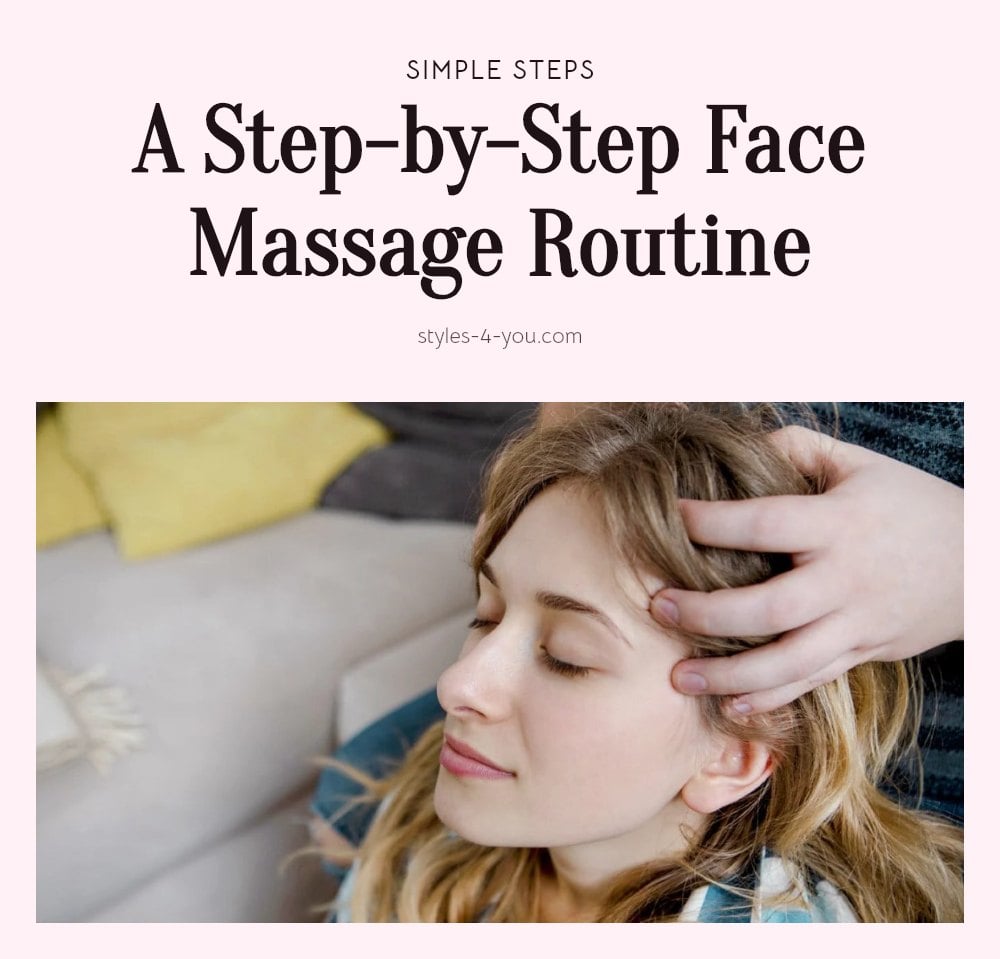
Follow these steps for an effective at-home facial massage. Each step builds on the last, so take your time and stay gentle.
- Cleanse your face: Wash with a gentle cleanser to remove makeup, dirt, and oil. Pat dry with a clean towel.
- Apply facial oil or serum: Use a generous amount so your fingers slide easily. Do not skimp, dry skin leads to tugging and irritation.
- Warm up your hands: Rub your palms together for a few seconds. Warm hands feel better and help the product absorb.
- Use upward and outward strokes: Start at the center of your face and move outward toward your ears. Always lift, never pull down.
- Focus on tension areas: Spend extra time on your jaw, temples, and forehead. Use small circular motions with your fingertips to release tightness.
- Add lymphatic drainage: Sweep from your jawline down your neck toward your collarbone. This helps move excess fluid and reduce puffiness.
- Be extra gentle around the eyes: Use your ring finger to apply light pressure under the eyes, moving from inner to outer corner. The skin here is very delicate.
Enhance Your Massage with Tools: Rollers and Gua Sha
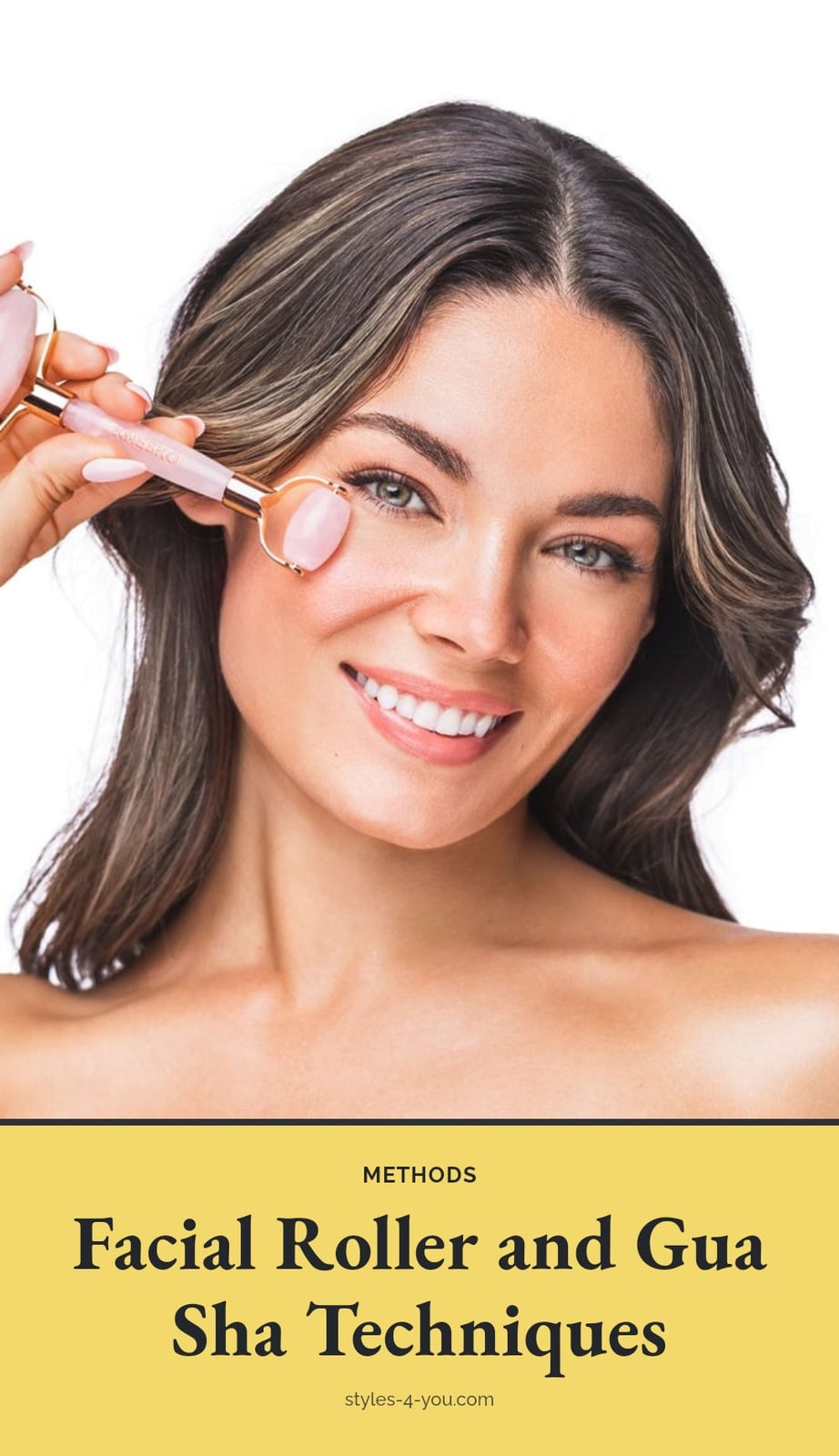
Tools can take your facial massage to the next level, but they are optional. Here is how to use them effectively.
Facial Rollers
Rollers are great for cooling and gentle depuffing. Keep yours in the fridge for an extra refreshing effect. Glide the roller over your face with light pressure, always moving upward and outward. My tip: use the smaller end around your eyes and the larger end on your cheeks and jaw.
Gua Sha Tools
Gua sha stones are traditionally used in Chinese medicine to promote circulation and relieve deeper muscle tension. Hold the stone at a 15-degree angle and sweep it along your skin with firm but gentle pressure. Caution: avoid using gua sha on active breakouts or irritated skin.
Always apply a facial oil before using any tool to prevent tugging. Clean your tools with soap and water before and after each use to avoid spreading bacteria.
Common Facial Massage Mistakes to Avoid
Even a good routine can go wrong. Here are the mistakes I see most often, and how to avoid them.
- Massaging dry skin: Without oil or serum, your hands will drag and pull, causing friction and irritation. Always apply a generous layer of slip first.
- Using downward strokes: Pulling your skin down can contribute to laxity over time. Keep strokes upward and outward, especially along the cheeks and jawline.
- Applying too much pressure: Pressing hard can irritate the skin or break tiny capillaries, leaving red marks. Gentle, consistent pressure is all you need for results.
- Not cleaning your tools: Rollers and gua sha can harbor bacteria that spread breakouts. Wash them with soap and warm water before and after each use.
- Expecting permanent anti-aging results: At-home massage can temporarily plump and de-puff, but it won’t erase wrinkles. Treat it as a wellness ritual, not a facelift.
Top Tips for a Relaxing and Effective Facial Massage
To get the most out of your practice, keep these tips in mind.
- Stay consistent: A 5-minute session several times a week beats a one-time marathon. Regular practice is what maintains the glow and de-puffing effects.
- Extend to your neck and décolletage: Massaging downward from the jaw along the neck and upper chest supports lymphatic drainage and adds to the relaxation.
- Listen to your skin: If anything feels painful, sharp, or just wrong, stop. Discomfort is a signal, not a sign to push through.
- Make it a ritual: Pair your massage with a calming playlist or a few deep breaths. The relaxation benefit is half the point.
My tip: keep your oil or serum right by your sink so you actually remember to do it.
How Long and How Often Should You Massage Your Face?
A session only needs to last 5 to 10 minutes. That’s enough time to hit the major zones without rushing. For ongoing benefits, aim for daily or at least several times a week. Consistency matters more than duration.
Immediate results, like reduced puffiness, are often temporary and fade within hours. That’s normal, and why regular practice is key.
Good to know: at-home facial massage is essentially free. You only need products you probably already own, like your regular facial oil or moisturizer.
When to Consult a Professional or Dermatologist
Your safety comes first. Stop the massage immediately if you feel pain, notice redness, or experience any discomfort. That’s your skin telling you to back off.
Avoid massaging over active acne, eczema, rosacea flare-ups, or any skin infection. Working over irritated areas can spread bacteria and worsen inflammation.
If you have underlying skin conditions or specific concerns, check with a dermatologist before starting a new routine. They can tell you whether facial massage is safe for your skin type and how to adapt it.
Frequently Asked Questions
How often should I do a facial massage?
For ongoing benefits, aim for daily or at least several times a week. A typical session lasts 5 to 10 minutes, so it is easy to fit into your routine. Consistency is more important than duration, and even a short daily practice can help maintain a healthy glow and reduce puffiness over time.
Can facial massage help with acne?
Facial massage is not a treatment for acne and should be avoided over active breakouts or irritated skin. Massaging over acne can spread bacteria and worsen inflammation. If you have acne-prone skin, focus on gentle techniques on clear areas and consult a dermatologist for proper acne management.
What’s the best time of day for a facial massage?
There is no single best time, but many people enjoy a morning massage to reduce puffiness and wake up the skin, or an evening massage to relax after a long day. Choose a time when you are not rushed and can be consistent. Just ensure your face is clean and you have applied a slip product.
How long does it take to see results from facial massage?
Some effects, like reduced puffiness, can be visible immediately after a session. Other benefits, such as improved circulation and muscle relaxation, may become more noticeable with regular practice over several weeks. Remember that results are temporary, so consistency is key to maintaining them.
Can I use any oil for facial massage?
You can use a facial oil, serum, or even a rich moisturizer, as long as it provides enough slip to prevent tugging. Choose one suited to your skin type, such as a lightweight oil for oily skin or a nourishing balm for dry skin. Avoid heavy oils that might clog pores if you are prone to breakouts.
Final Thoughts
For a simple and effective routine, start with a clean face, apply your favorite facial oil, and spend 5 to 10 minutes using gentle upward strokes. Focus on your jaw, temples, and neck to release tension and encourage lymphatic drainage. Expect temporary results like reduced puffiness right after a session, but the real glow comes from consistency over weeks.
Make this a calming part of your day, maybe in the evening before bed. Your skin will thank you for the extra care, and you might find the ritual itself becomes a moment you look forward to.
This article is for general information only and is not a substitute for professional medical or dermatological advice. If you have a persistent skin condition, active breakouts, or any concerns, please consult a dermatologist or healthcare provider before starting a facial massage routine.
More Blog ideas
- Your Essential Guide to a Healthy Feminine Hygiene Routine
- Best High Protein Foods to Eat Daily for Health and Energy
- Feeling Stuck: 12 Small Steps to Get Unstuck
- Winter Skin Survival Tips
- How to Get a Flat Stomach
- How to Fix Damaged Hair and Restore Its Health
- Full-Body Kettlebell Workout
- Dry Scalp vs. Dandruff
- Full Body Workout for Beginners
- 21 Easy Beauty Tips Every Woman Should Know
- Feminine Energy: 15 Daily Habits to Feel More Radiant
- Upper Body Workout for Women at Home






