Your Guide to Personal Growth and Continuous Self-Improvement
Discover how personal growth can lead to a more fulfilling life. Learn practical strategies and essential tools to foster your self-awareness and resilience.


You might feel a quiet pull toward something more, a desire to understand yourself better or build a life that feels truly meaningful. That pull is personal growth, and it’s a journey anyone can start right where they are. This article walks through what personal growth really means, the simple tools that help, and the practical steps to keep you moving forward without burning out.
Key Takeaways
- Personal growth is a continuous process, not a destination you reach once.
- Start with self-awareness by observing your thoughts and feelings without judgment daily.
- Set SMART goals to give your efforts clear direction and measurable milestones.
- Embrace challenges and view failures as learning opportunities, not setbacks.
- If feelings of overwhelm or anxiety persist, consult a mental health professional.
What Exactly Is Personal Growth?
Personal growth is the continuous journey of developing new skills, knowledge, and perspectives. It means consciously working on yourself to build a more satisfying and meaningful existence. The process leads to increased self-awareness, resilience, and overall well-being. It’s not a destination you reach once but a path you walk every day.
Essential Tools for Your Growth Journey
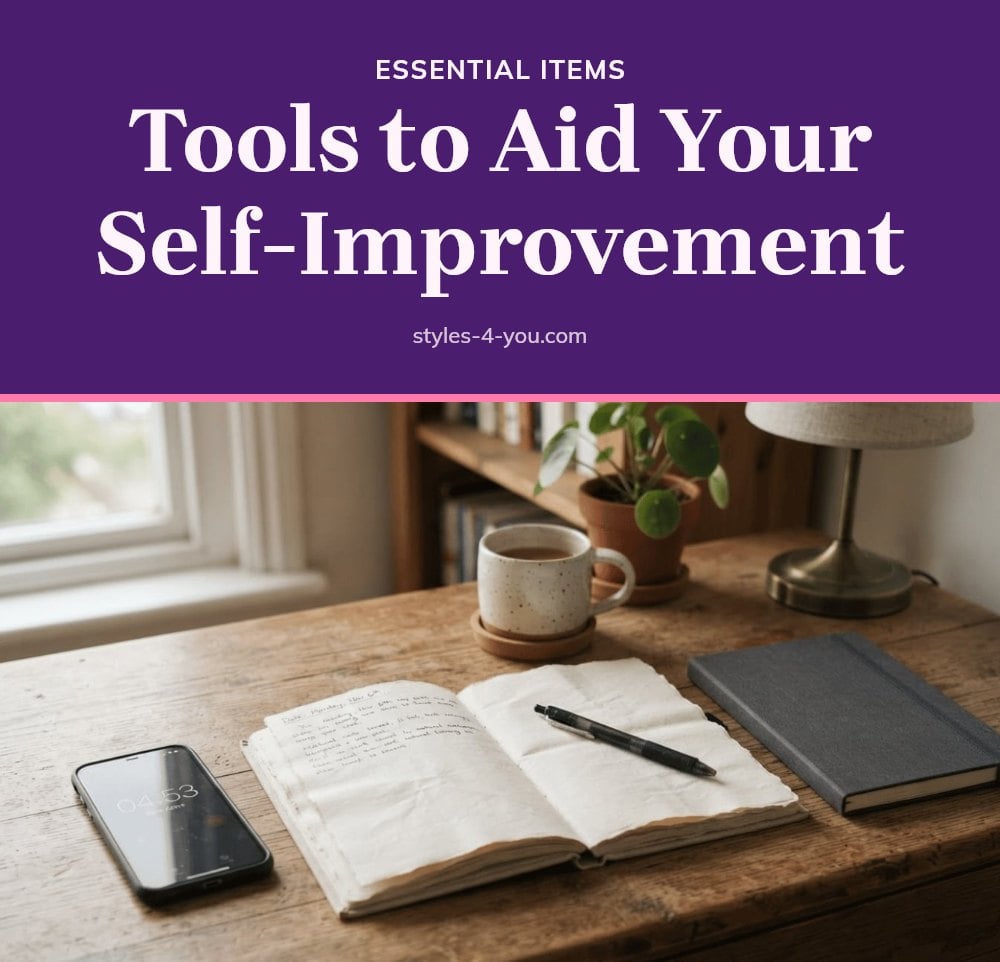
You don’t need much to start, but a few tools can keep you on track.
- Journal or notebook: Use it for daily self-reflection and tracking progress over time.
- Books or online courses: They provide structured knowledge and new skills to expand your thinking.
- Meditation apps: A guided session helps you practice mindfulness and emotional regulation.
- Goal-setting planner: It turns vague intentions into clear, actionable steps.
Your Step-by-Step Guide to Personal Growth

Follow these steps to build a personal growth practice that sticks.
- Cultivate self-awareness: Spend a few minutes each day observing your thoughts and feelings without judgment. Understanding your patterns is the foundation for change.
- Set SMART goals: Make your goals specific, measurable, achievable, relevant, and time-bound. This directs your energy toward what matters most.
- Learn new skills or knowledge: Take an online course, read a non-fiction book, or practice a hobby that challenges your intellect. Growth requires new input.
- Step out of your comfort zone: Try something that feels uncomfortable, like speaking up in a meeting or taking a different route to work. Discomfort builds resilience.
- Build healthy relationships: Surround yourself with people who support your growth and challenge you to be better. Social connection fuels emotional development.
- Practice mindfulness and reflection: Start each day with five minutes of reflection. Ask what you intend to learn and how you can approach challenges differently.
Smart Strategies to Accelerate Your Growth

These strategies help you get more out of your daily efforts.
- Embrace challenges: View failures as learning opportunities, not setbacks. Each one teaches you something valuable.
- Prioritize self-care: Protect your sleep, nutrition, and exercise. A healthy body supports a growing mind.
- Seek new experiences constantly: Visit a new neighborhood, try a different cuisine, or attend a workshop. Novelty sparks growth.
- Practice active listening: In conversations, focus on understanding the other person before responding. Empathy strengthens relationships.
- Cultivate a growth mindset: Remind yourself that your abilities can improve with effort. This belief fuels persistence.
- Practice gratitude: Write down three things you’re grateful for each day. It shifts your focus from what’s missing to what’s present.
Common Pitfalls to Avoid on Your Journey
Many people treat personal growth like a finish line they can cross, but it is actually a continuous process. When you focus only on external achievements, like a promotion or a new skill, you miss the internal development that sustains real change.
Ignoring burnout: Pushing through mental fatigue without rest can stall your progress entirely. Skipping consistency: Taking action once a month won’t build momentum; small daily steps matter more. Forgetting to celebrate: Not acknowledging small wins makes the journey feel thankless and drains motivation.
Being overly critical: Harsh self-talk can undermine your confidence and keep you stuck. Comparing too closely: Everyone’s path is different, and measuring your progress against someone else’s timeline often leads to unnecessary frustration. Instead, check in with your own starting point and adjust as you go.
When to Seek Professional Guidance
If feelings of overwhelm, anxiety, or depression become persistent or severe, consult a mental health professional. They can help you navigate these emotions safely while you continue your growth work.
Struggling with expectations: If you experience significant frustration despite consistent effort, a therapist or coach can help you set realistic goals. Caution: Be wary of self-help resources that promise quick fixes or make extreme claims without evidence. Reliable guidance comes from trained professionals, not shortcuts.
Understanding the Timeline and Investment in Growth
Personal growth has no fixed timeline. Consistent effort over weeks, months, and years produces cumulative results, but there is no deadline.
Costs vary widely: Journaling and self-reflection are free. Books and online courses are moderate investments. Therapy or coaching costs more but offers tailored support. Building healthy relationships and seeking feedback from trusted people are also important aspects of personal growth that do not necessarily incur costs. Choose what fits your budget and needs, and remember that the most important investment is your consistent time and attention.
Frequently Asked Questions
How long does personal growth take?
Personal growth has no fixed timeline. It is a lifelong process where consistent effort over weeks, months, and years produces cumulative results. There is no deadline, so focus on steady progress rather than a finish line.
Can personal growth be painful?
Yes, growth can sometimes feel uncomfortable or even painful. Stepping outside your comfort zone, facing difficult emotions, or confronting old patterns may bring up distress. This is normal, but if feelings become overwhelming, it is wise to seek support from a mental health professional.
What is the difference between personal growth and self-help?
Personal growth is the ongoing internal process of developing skills, awareness, and resilience. Self-help refers to the external resources, like books, courses, or apps, that can support that process. Think of self-help as a tool and personal growth as the journey itself.
How do I know if I’m growing as a person?
Signs of growth include increased self-awareness, better emotional regulation, greater resilience during challenges, and a stronger sense of purpose. You may also notice that you handle setbacks differently or feel more comfortable stepping outside your comfort zone.
Is personal growth a solo journey?
While much of the work happens internally, social connection is important for well-being. Building healthy relationships, seeking feedback from trusted people, and asking for help when needed can all foster growth. You don’t have to do it entirely alone.
Final Thoughts
Choose one small habit to start with, like journaling for five minutes each evening or setting one SMART goal for the month. Expect progress to come in layers, with noticeable shifts appearing over weeks and months rather than overnight. Keep showing up, and let the journey itself be the reward.
This article is for general informational purposes only and does not constitute medical or professional advice. Personal growth journeys vary widely, and if you experience persistent feelings of overwhelm, anxiety, or depression, please consult a qualified mental health professional.
More Blog ideas
- Your Essential Guide to a Healthy Feminine Hygiene Routine
- Best High Protein Foods to Eat Daily for Health and Energy
- Feeling Stuck: 12 Small Steps to Get Unstuck
- Winter Skin Survival Tips
- How to Get a Flat Stomach
- How to Fix Damaged Hair and Restore Its Health
- Full-Body Kettlebell Workout
- Dry Scalp vs. Dandruff
- Full Body Workout for Beginners
- 21 Easy Beauty Tips Every Woman Should Know
- Feminine Energy: 15 Daily Habits to Feel More Radiant
- Upper Body Workout for Women at Home