Pigmentation: 8 Natural Ways to Even Out Your Skin Tone
Discover 8 natural ways to reduce skin pigmentation and achieve a more even skin tone at home. Learn how to use ingredients like aloe vera and turmeric safely.

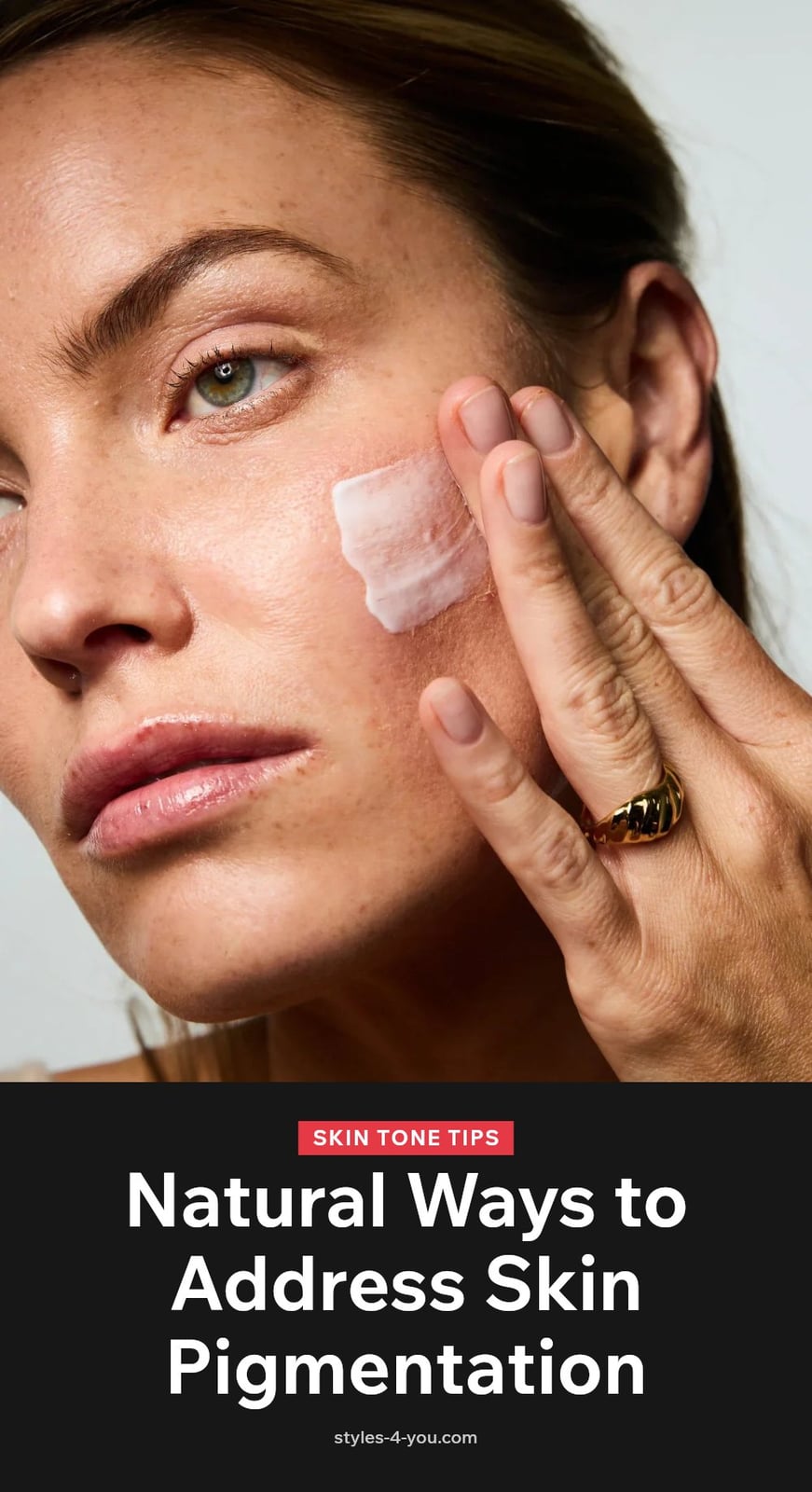
Uneven skin tone and dark spots can feel stubborn, but you don’t always need a dermatologist’s office to start seeing improvement. Pigmentation is simply your skin producing extra melanin in certain areas, often triggered by the sun, past breakouts, or hormonal shifts. This article walks through eight natural ingredients you can use at home to help lighten those spots and even out your complexion, along with the safety steps you absolutely need to follow.
Key Takeaways
- Apply broad-spectrum SPF 30 sunscreen daily, even on cloudy days, to prevent new dark spots.
- Most natural remedies take several weeks to months of consistent use before results become visible.
- Always dilute acidic ingredients like lemon juice or apple cider vinegar to avoid skin irritation.
- Perform a patch test on a small area before applying any new remedy to your face.
- Consult a dermatologist if pigmentation is severe, widespread, or does not improve with home care.
Understanding Skin Pigmentation and Natural Solutions
Pigmentation is simply the color of your skin, determined by how much melanin your body produces. When that melanin becomes uneven, you get dark spots or patches, often from sun exposure, inflammation, or hormonal shifts. Professional treatments exist, but many natural remedies can help by gently exfoliating or providing antioxidant benefits. The catch is that consistency and diligent sun protection are absolutely essential for any noticeable improvement.
1. Aloe Vera for Skin Lightening

Aloe vera contains aloin, a natural depigmenting compound that may help lighten dark spots. Apply pure aloe vera gel directly to pigmented areas before bed and rinse in the morning.
- My tip: Use fresh gel from a plant if possible, or a high-quality, pure aloe vera gel with no added fragrances or alcohol.
2. Turmeric Paste for Even Tone
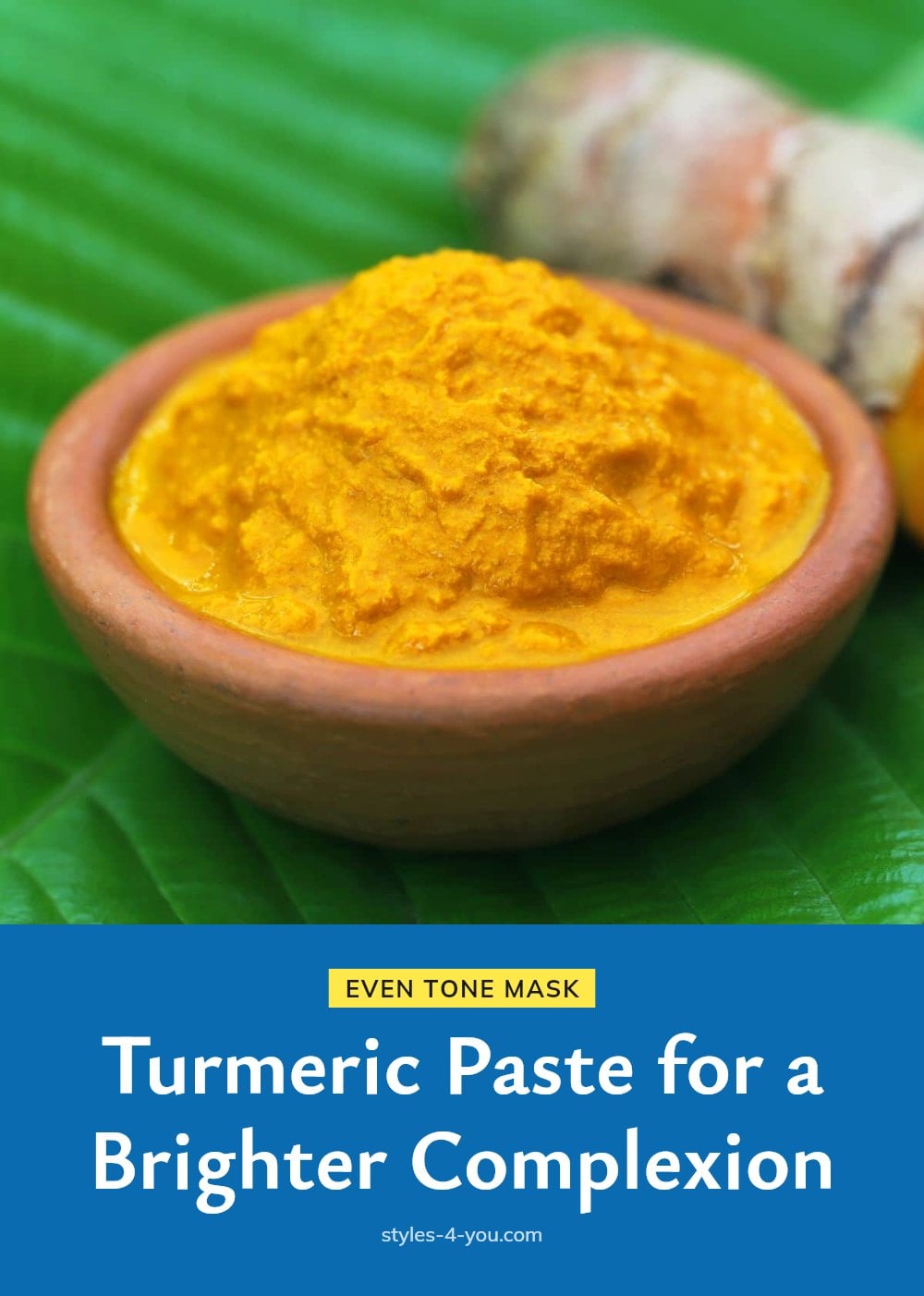
Turmeric contains curcumin, an antioxidant and anti-inflammatory compound that may inhibit melanin production. Mix turmeric powder with a little milk or honey to form a paste and apply to affected areas for 15-20 minutes.
- Caution: Turmeric can temporarily stain skin or clothing yellow, so use with care and do a patch test.
3. Lemon Juice and Honey Mask
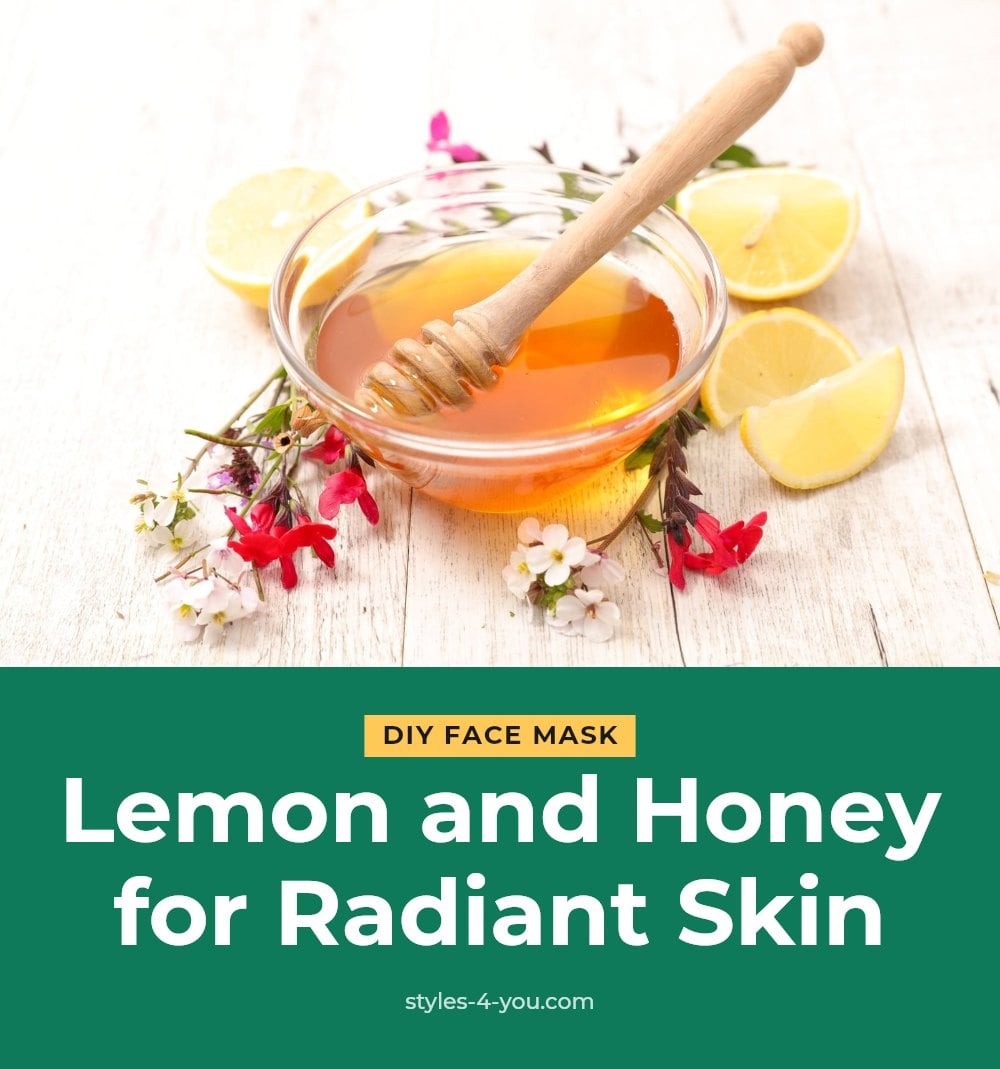
Lemon juice contains citric acid, a natural AHA that provides mild exfoliation, potentially lightening pigmentation. Mix equal parts fresh lemon juice and honey, apply to spots for 10-15 minutes, then rinse.
- Caution: Lemon juice can increase sun sensitivity; always use sunscreen afterward. Never use undiluted lemon juice, especially on sensitive skin, as it can cause irritation.
4. Apple Cider Vinegar Spot Treatment
Apple cider vinegar contains acetic acid, which may help lighten pigmentation through gentle exfoliation. Dilute it with an equal amount of water, then apply with a cotton ball to dark spots. Leave it on for a few minutes before rinsing.
My tip: Always dilute ACV before applying to your skin to avoid irritation, and do a patch test first.
5. Green Tea Compress Benefits

Green tea is rich in epigallocatechin gallate (EGCG), a powerful antioxidant that may help reduce melanin production. Brew a strong cup, let it cool, then soak a cotton pad and apply it to pigmented areas for 10-15 minutes.
You can also use cooled green tea bags directly on the spots for a soothing effect.
6. Red Onion Extract for Scars
Some studies suggest red onion extract can improve the appearance of scars and hyperpigmentation. Try extracting juice from a red onion and applying it to the pigmented areas, leaving it on for a short period before rinsing.
Caution: Red onion can be quite potent; perform a patch test to ensure no irritation occurs.
7. Tomato Pulp for Sun Protection
Tomato pulp contains lycopene, a potent antioxidant that may help protect skin from sun damage and improve overall skin tone. Mash fresh tomato pulp and apply it as a mask to your face for 15-20 minutes before rinsing.
While not a direct lightening agent, its protective qualities can complement other pigmentation efforts.
8. Potato Slices for Dark Spots
Potatoes contain catecholase, an enzyme some believe can help lighten dark spots, though scientific evidence is limited. Slice a raw potato and place the slices directly onto the pigmented areas, leaving them on for 10 to 15 minutes before rinsing with cool water.
My tip: This is a gentle option, but consistency over several weeks is key to see if it works for you. Always perform a patch test before using this remedy, and while it is mild, consistent use is what matters most.
Preventing Future Pigmentation
Your best defense against new dark spots starts with a broad-spectrum sunscreen of SPF 30 or higher, applied every single day, even when it is cloudy. UV rays penetrate clouds and windows, so make it a morning habit. For extended time outdoors, add a wide-brimmed hat, sunglasses, and UV-protective clothing to shield areas sunscreen might miss.
Hands off your face is another rule I follow. Picking at acne or scabs triggers post-inflammatory hyperpigmentation, which can linger long after the original spot heals. Keep your skincare routine gentle, too, and skip harsh scrubbing, which irritates skin and can worsen discoloration.
Consistency is key: keep up your sun protection and chosen remedies even after you see improvement. Stopping early can let pigmentation creep back, so treat prevention as a permanent part of your routine.
Frequently Asked Questions
Can pigmentation be completely removed with natural methods?
Natural methods can help lighten and fade dark spots, but they rarely remove pigmentation completely. Most people see a noticeable improvement in overall skin tone rather than total elimination. For deep or stubborn spots, professional treatments like chemical peels or laser therapy may be more effective.
Is sun exposure the only cause of skin pigmentation?
No, sun exposure is a major cause, but pigmentation can also result from inflammation after acne or injury, hormonal changes such as pregnancy or birth control use, and certain medications. Melasma, for example, is often driven by hormones. Knowing the underlying cause helps you choose the most effective approach.
Can certain foods help with skin pigmentation?
Some foods contain antioxidants like lycopene and vitamin C that may support skin health and offer mild protection from sun damage, but they are not a direct treatment for existing pigmentation. Eating a balanced diet rich in fruits and vegetables can help, but it should not replace topical remedies or sun protection.
What is the difference between hyperpigmentation and melasma?
Hyperpigmentation is a general term for any area of skin that becomes darker than the surrounding skin. Melasma is a specific type of hyperpigmentation, usually appearing as larger, symmetrical patches on the face, and is often triggered by hormonal changes such as pregnancy or oral contraceptives. Both can be managed with similar sun protection and topical strategies.
What causes dark spots on my face?
Dark spots on the face are most commonly caused by sun exposure over time, which leads to sunspots or age spots. They can also appear after a pimple or skin injury heals, a condition called post-inflammatory hyperpigmentation. Hormonal changes can trigger melasma, which often appears as patches on the cheeks and forehead.
Final Thoughts
For a realistic starting point, pick just one natural remedy from the list and use it consistently for at least four to six weeks while wearing sunscreen every day. You will likely see a gradual lightening, not a complete disappearance, of dark spots. The real win comes from protecting your skin from future damage, so make that SPF 30 habit your non-negotiable baseline.
This article is for informational purposes only and does not constitute medical advice. Natural remedies can cause skin irritation, especially on sensitive skin. If your pigmentation is new, rapidly changing, painful, or does not improve with home care, please consult a dermatologist or healthcare professional for a proper evaluation.
More Blog ideas
- Your Essential Guide to a Healthy Feminine Hygiene Routine
- Best High Protein Foods to Eat Daily for Health and Energy
- Feeling Stuck: 12 Small Steps to Get Unstuck
- Winter Skin Survival Tips
- How to Get a Flat Stomach
- How to Fix Damaged Hair and Restore Its Health
- Full-Body Kettlebell Workout
- Dry Scalp vs. Dandruff
- Full Body Workout for Beginners
- 21 Easy Beauty Tips Every Woman Should Know
- Feminine Energy: 15 Daily Habits to Feel More Radiant
- Upper Body Workout for Women at Home






