Posture Exercises for Beginners: Easy Daily Routine
Improve your posture with simple, effective daily exercises. Learn how to strengthen your core, back, and shoulders for better alignment and reduced pain.

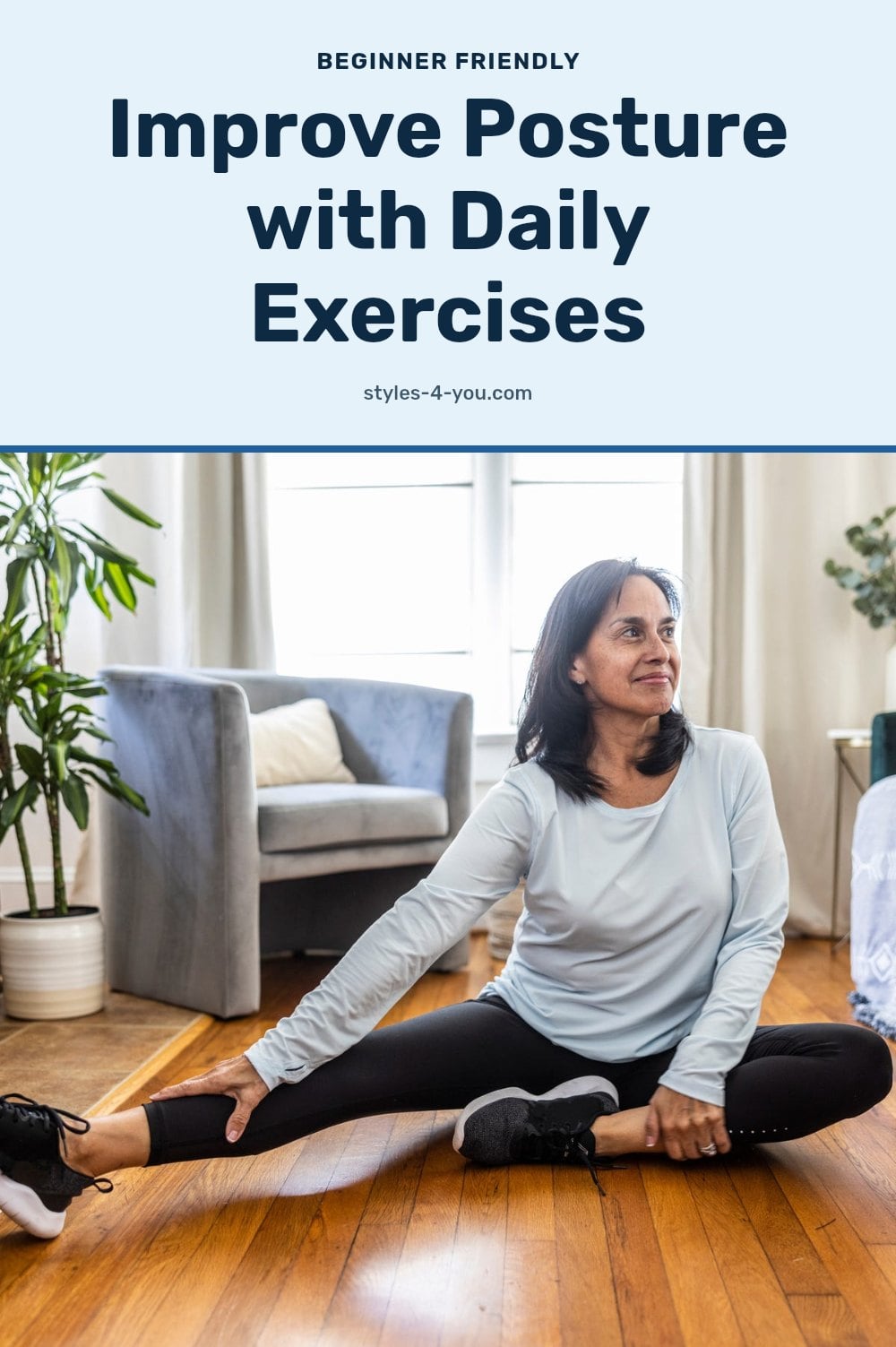
If you spend hours hunched over a desk or looking down at your phone, you’ve probably noticed the toll it takes on your neck, shoulders, and lower back. Posture exercises are the simplest way to reverse that damage by strengthening the muscles that keep your spine aligned. In this article, I’ll walk you through a beginner-friendly daily routine that targets your core, back, and shoulders, plus tips for staying consistent without overdoing it.
Key Takeaways
- Perform each exercise slowly and with control, focusing on muscle engagement rather than speed.
- Stretch tight chest muscles and hip flexors just as much as you strengthen your back and core.
- Consistent daily practice of 10-15 minutes can show noticeable improvements in a few weeks to a few months.
- Stop any exercise immediately if you feel sharp pain, numbness, or tingling.
- Consult a physical therapist or doctor if you have chronic pain or a pre-existing back or neck condition.
What Are Posture Exercises and Why Do They Matter?
Posture exercises are targeted movements that strengthen the muscles supporting your spine, helping you maintain better alignment throughout the day. They work the core, back, shoulders, and neck, the key areas that keep you upright. With regular practice, these exercises can reduce pain from slouching and correct common issues like rounded shoulders. Think of them as retraining your body to hold a more balanced position naturally, without constant effort.
1. Chin Tucks

Chin tucks target the deep neck flexors that often weaken from forward head posture. Sit or stand tall, then gently pull your chin straight back as if making a double chin. Keep your eyes forward and feel a lengthening at the back of your neck. Hold for 5 seconds, then release. Repeat 10-15 times.
- Sets and reps: 2-3 sets of 10-15 reps
- Form cue: Keep your head level, don’t tilt up or down
- Make it easier or harder: Add a light finger press on your chin for more resistance
2. Shoulder Blade Squeezes

Shoulder blade squeezes counteract rounded shoulders by activating the upper back muscles. Sit or stand tall with your arms at your sides. Gently squeeze your shoulder blades together, as if holding a pencil between them, while keeping your shoulders down away from your ears. Hold for 3-5 seconds, then release. Repeat 10-15 times.
- Sets and reps: 2-3 sets of 10-15 reps
- Form cue: Don’t let your shoulders shrug up toward your ears
- Make it easier or harder: Extend your arms straight out in front and squeeze from there
3. Wall Angels
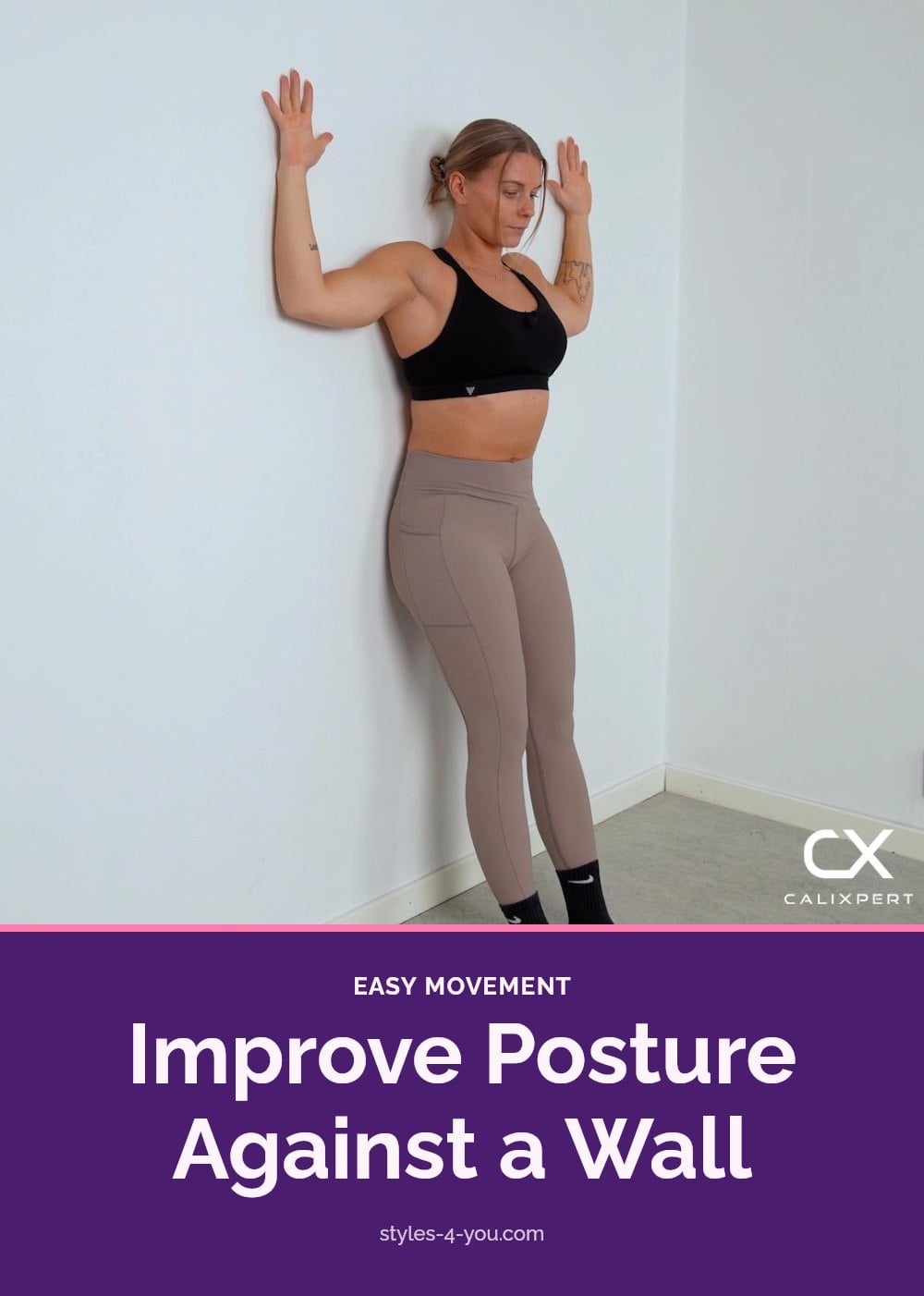
Wall angels improve shoulder mobility and reinforce proper spinal alignment. Stand with your back, head, and arms pressed against a wall, elbows bent at 90 degrees. Slowly slide your arms up the wall as high as you can while keeping your entire back, head, and arms in contact with the wall. Then slide them back down to the starting position. Perform 8-12 slow repetitions.
- Sets and reps: 2-3 sets of 8-12 reps
- Form cue: Keep your lower back flat against the wall, don’t arch it
- Make it easier or harder: Step away from the wall slightly to reduce the range of motion
4. Cat-Cow Stretch
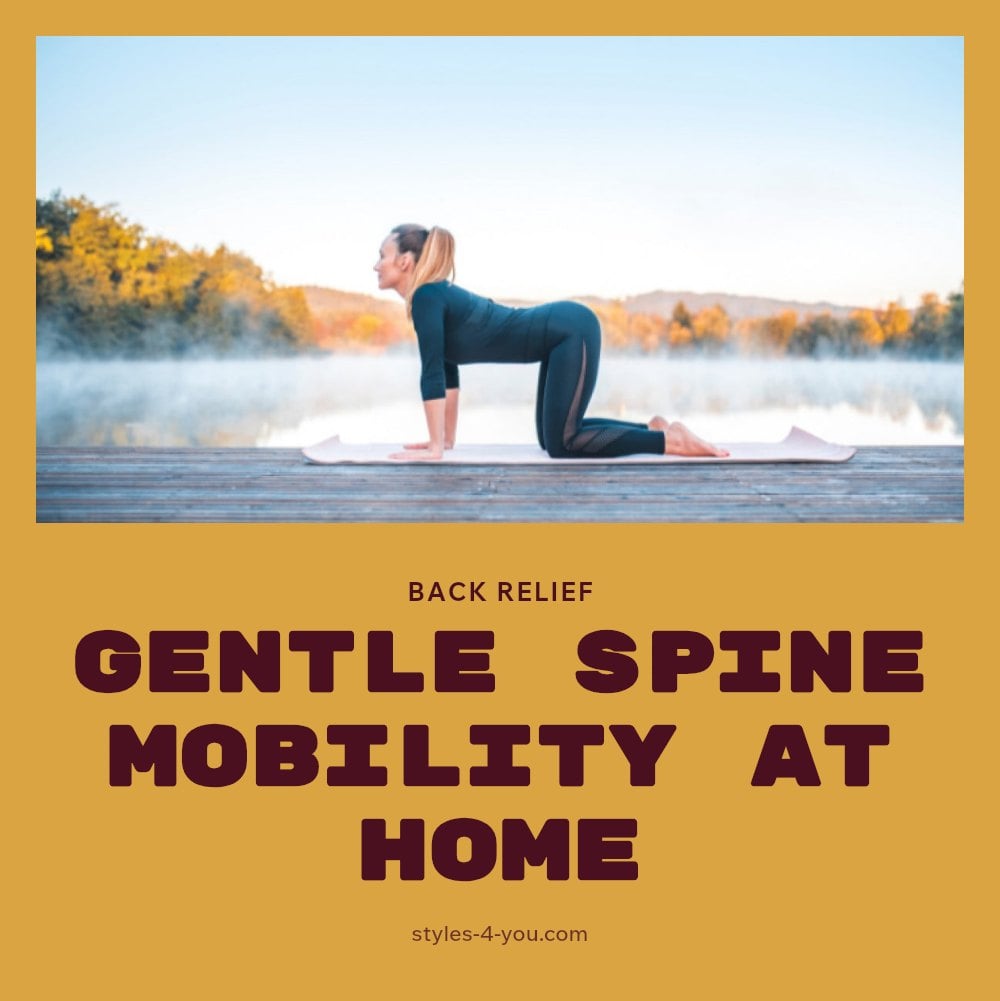
Cat-Cow stretch combines spinal mobility with deep breathing to release tension and improve posture. Start on all fours with your hands directly under your shoulders and knees under your hips. Inhale as you drop your belly toward the floor, lifting your chest and tailbone (Cow pose). Exhale as you round your spine toward the ceiling, tucking your chin and tailbone (Cat pose).
- Sets and reps: 10-12 slow, controlled repetitions, moving with your breath.
- Form cue: Initiate each movement from your pelvis, not your head.
- Make it easier or harder: To deepen the stretch, hold each position for a breath before transitioning.
5. Thoracic Extension with Foam Roller (or Towel)
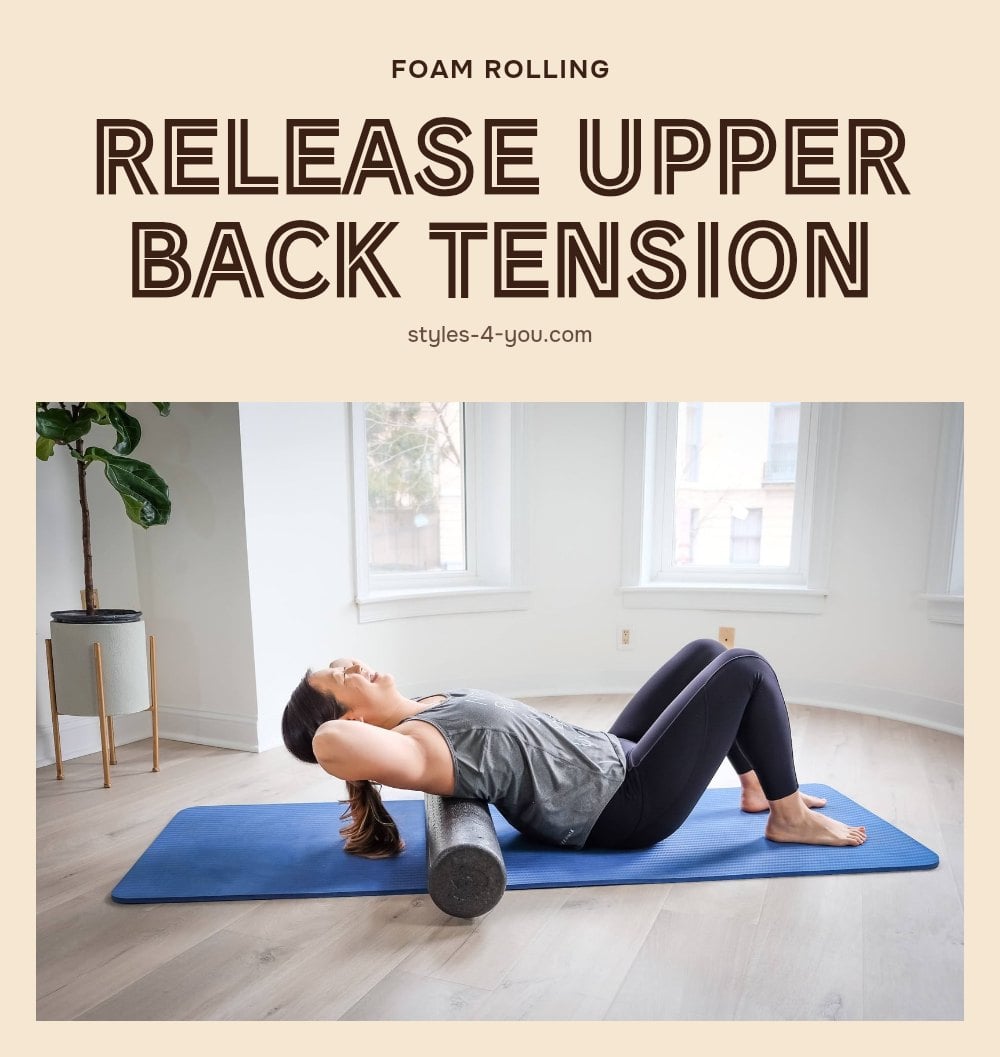
Thoracic extension opens the mid-back to counter the rounding from sitting and slouching. Lie on your back with a foam roller (or a rolled towel) placed under your upper back, just below your shoulder blades. Support your head with your hands, then gently extend your spine over the roller, lifting your hips slightly if it feels comfortable.
- Time: Hold for 30-60 seconds, or gently rock side to side for a massage effect.
- Form cue: Keep your neck relaxed and your chin slightly tucked throughout.
- Make it easier or harder: Place the roller lower on your back for a gentler stretch; use a firmer roller for more pressure.
6. Glute Bridges
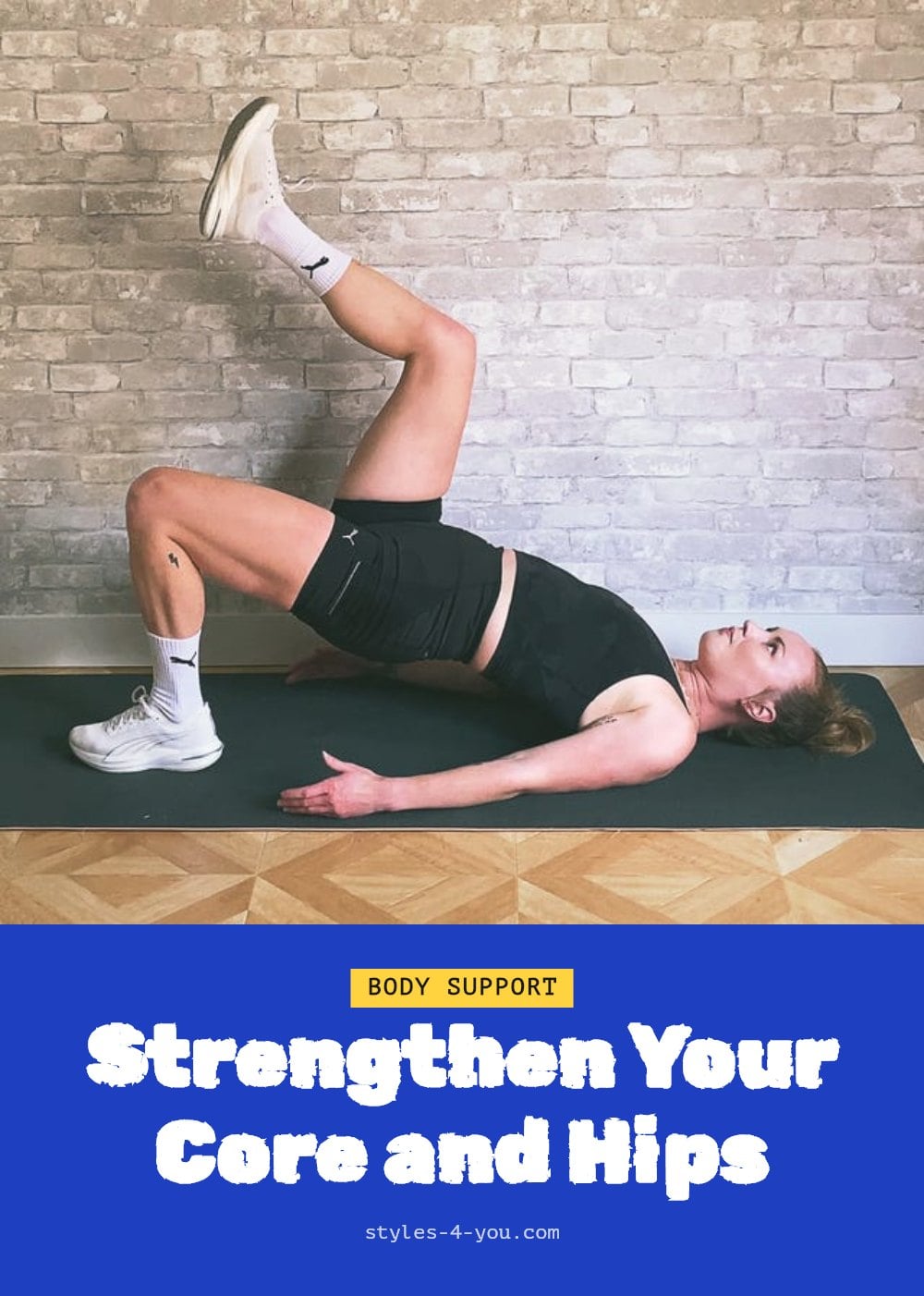
Glute bridges strengthen your glutes and lower back, which helps stabilize your pelvis and improve overall posture. Lie on your back with your knees bent and feet flat on the floor, hip-width apart. Engage your glutes to lift your hips until your body forms a straight line from your shoulders to your knees, then lower slowly.
- Sets and reps: 10-15 repetitions, holding the top for 2-3 seconds each time.
- Form cue: Squeeze your glutes at the top and avoid arching your lower back.
- Make it easier or harder: Perform with both feet on the floor; for a challenge, lift one foot off the floor (single-leg bridge).
7. Plank
The plank builds core strength, which is essential for maintaining a neutral spine throughout the day. Start in a push-up position, then lower onto your forearms, keeping your elbows directly under your shoulders. Brace your core, glutes, and quads to keep your body in a straight line from your head to your heels.
- Time: Hold for 20-60 seconds, maintaining good form. Repeat 2-3 times.
- Form cue: Imagine pulling your belly button toward your spine to prevent your hips from sagging or rising.
- Make it easier or harder: Drop your knees to the floor to reduce the load; extend one leg or add a leg lift for a greater challenge.
8. Doorway Chest Stretch
Doorway chest stretch targets the tight chest muscles that pull your shoulders forward and cause rounding. Stand in a doorway and place your forearms on the doorframe, elbows slightly below shoulder height. Step forward gently with one foot until you feel a stretch across your chest.
- Time: Hold for 20-30 seconds. Repeat 2-3 times per side.
- Form cue: Keep your chest lifted and shoulders relaxed, not hunched.
- Make it easier or harder: Step closer to the doorway for a lighter stretch; step farther forward or bend your front knee for a deeper stretch.
Essential Tools for Your Posture Routine
You don’t need much to start a posture routine, but a few basic items make it safer and more effective.
- Yoga mat: Provides cushioning and grip for floor exercises like planks and glute bridges.
- Resistance bands: Add progressive resistance to exercises like rows or pulls, helping strengthen back muscles.
- Small towel: Roll it up for neck support during chin tucks or as a substitute for a foam roller.
- Chair: Use it for seated stretches, seated rows, or as a support for balance.
- Wall: Essential for wall angels, wall slides, and checking your alignment.
Your Weekly Posture Exercise Schedule
Consistency matters more than session length. Even 10 minutes daily produces better results than one long weekly session. The schedule below alternates strengthening and stretching so you don’t overload any muscle group.
| Day | Focus | Exercises |
|---|---|---|
| Monday | Upper back | Wall angels, shoulder blade squeezes |
| Tuesday | Core and hips | Plank, glute bridges |
| Wednesday | Active recovery | Cat-cow, doorway chest stretch |
| Thursday | Neck and spine | Chin tucks, thoracic extension |
| Friday | Full chain | All exercises from the week, 5 reps each |
| Saturday | Light movement | 10-minute walk with posture awareness |
| Sunday | Rest | Gentle stretching or skip |
My tip: Keep a sticky note on your monitor that reads “roll shoulders back.” It turns an abstract goal into a daily reminder. Adjust the intensity if you feel soreness, sharp pain means stop and check your form. If you have chronic back or neck pain, talk to a physical therapist before starting any routine.
Frequently Asked Questions
How long does it take to see results from posture exercises?
With consistent daily practice of 10 to 15 minutes, many people notice reduced discomfort and better alignment within a few weeks to a few months. Long-term changes require ongoing commitment, so don’t get discouraged if progress feels slow at first.
Can posture exercises help with chronic back pain?
They can help by strengthening the muscles that support your spine and reducing muscle imbalances. However, if you have chronic back pain, it’s important to consult a doctor or physical therapist first. They can identify the root cause and tailor exercises to your specific condition.
Do I need any special equipment for posture exercises?
No, most beginner exercises require only a yoga mat for comfort. A small towel, a chair, and a wall are also useful. Resistance bands can add challenge later, but they’re optional. You can start effectively with just your body weight and a few minutes of space.
Is it possible to completely fix bad posture?
While you can significantly improve your alignment and reduce discomfort, completely fixing bad posture often depends on your starting point, consistency, and daily habits. Exercises are most effective when combined with ergonomic workspace adjustments and regular movement breaks throughout the day.
How often should I do posture exercises?
Daily practice is ideal, even if it’s just 10 minutes. Consistency beats intensity, so aim for a short routine every day rather than a long session once a week. Listen to your body and take rest days if you feel sore or fatigued.
Final Thoughts
My main recommendation is to pick just two or three exercises from this routine and do them every day for two weeks before adding more. That way you build the habit without getting overwhelmed. Realistic expectation: you won’t see a perfect posture overnight, but you should feel less tension and more awareness within a month. Stick with it, and your body will thank you.
This article provides general information about posture exercises and is not a substitute for professional medical advice. If you have persistent pain, a pre-existing condition, or concerns about your posture, please consult a doctor or physical therapist. Always listen to your body and stop any exercise that causes sharp pain.
More Blog ideas
- Your Essential Guide to a Healthy Feminine Hygiene Routine
- Best High Protein Foods to Eat Daily for Health and Energy
- Feeling Stuck: 12 Small Steps to Get Unstuck
- Winter Skin Survival Tips
- How to Get a Flat Stomach
- How to Fix Damaged Hair and Restore Its Health
- Full-Body Kettlebell Workout
- Dry Scalp vs. Dandruff
- Full Body Workout for Beginners
- 21 Easy Beauty Tips Every Woman Should Know
- Feminine Energy: 15 Daily Habits to Feel More Radiant
- Upper Body Workout for Women at Home






