Practical Strategies to Combat Overworking and Burnout
Learn effective strategies to stop overworking, prevent burnout, and find a healthier work-life balance. Set boundaries and prioritize self-care.


Feeling constantly stressed and exhausted from work is more common than you think. It’s not just about the hours you put in; it’s the nagging feeling that you can never truly switch off. This constant mental engagement can lead to burnout, affecting both your mental and physical health. In this article, I’ll walk you through practical steps to set boundaries, manage your time better, and prioritize self-care so you can regain balance and actually enjoy your time away from work.
Key Takeaways
- Set specific work hours and stick to them to create a hard boundary.
- Schedule short breaks every 90 minutes to maintain focus and energy.
- Use the Eisenhower Matrix to prioritize tasks and delegate when possible.
- Communicate your workload early to your manager if you’re at capacity.
- Make time for hobbies and activities outside of work to recharge.
Understanding Overworking: More Than Just Long Hours
Overworking isn’t just about clocking long hours. It’s the constant mental engagement with work even when you’re off the clock, and the inability to truly disconnect. This pattern leads to chronic stress and eventual burnout, draining your physical and emotional reserves. To break the cycle, you need to set firm boundaries, manage your time intentionally, and make self-care a non-negotiable priority. It’s about working smarter, not longer.
Why We Fall Into the Overworking Trap
Why We Fall Into the Overworking Trap
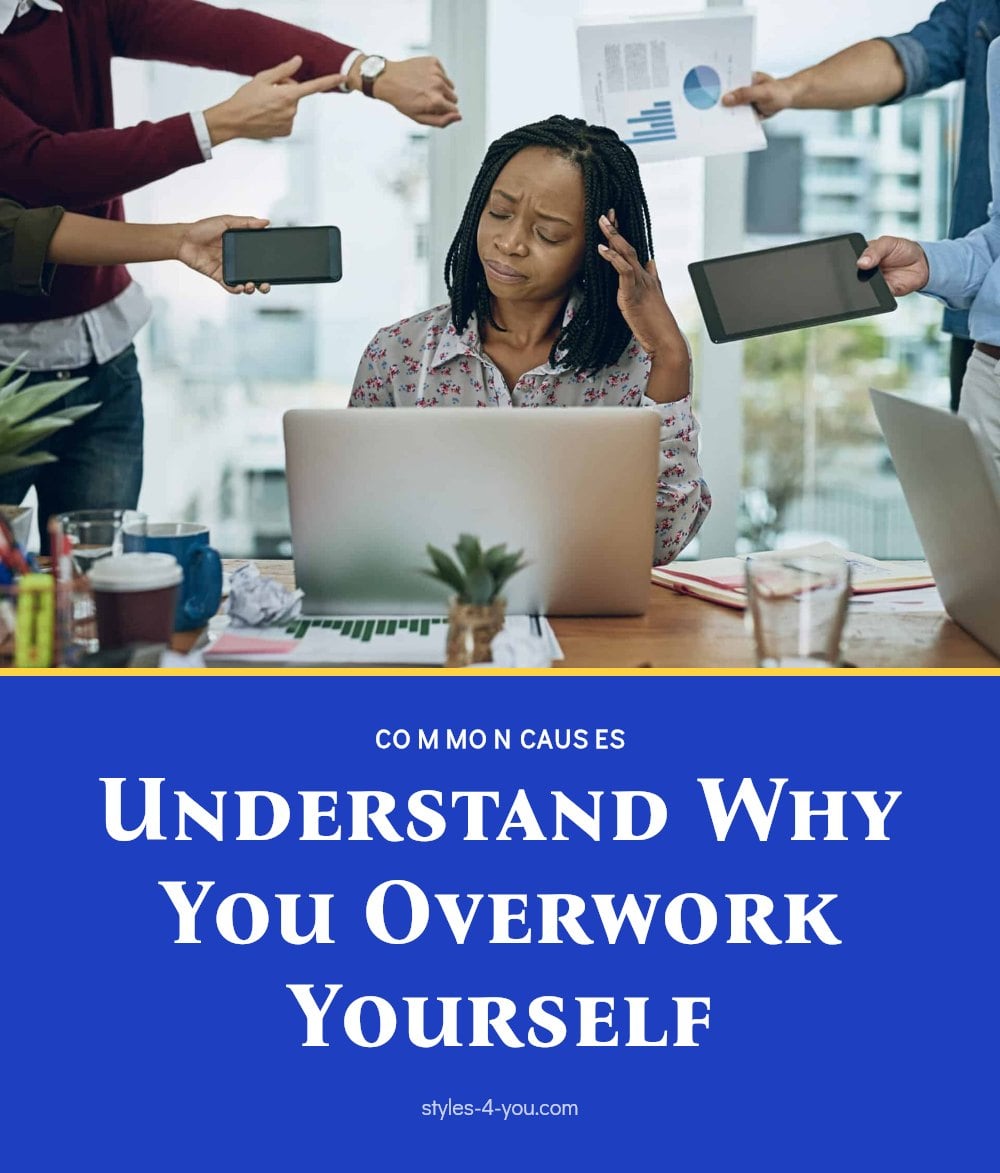
Many of us believe that more hours automatically mean more productivity or greater success. That mindset is a major driver of overworking. Without clear boundaries between your work and personal life, the lines blur, and you end up answering emails at 10 p.m. or skipping dinner to finish one more task.
Ignoring early signs of burnout, like persistent fatigue or irritability, also keeps the cycle going. You push through instead of pausing. Another common reason is failing to delegate. You think it’s faster to do everything yourself, but that only piles on more stress. Recognizing these patterns is the first step to changing them.
Effective Strategies to Reclaim Your Time and Energy
Effective Strategies to Reclaim Your Time and Energy
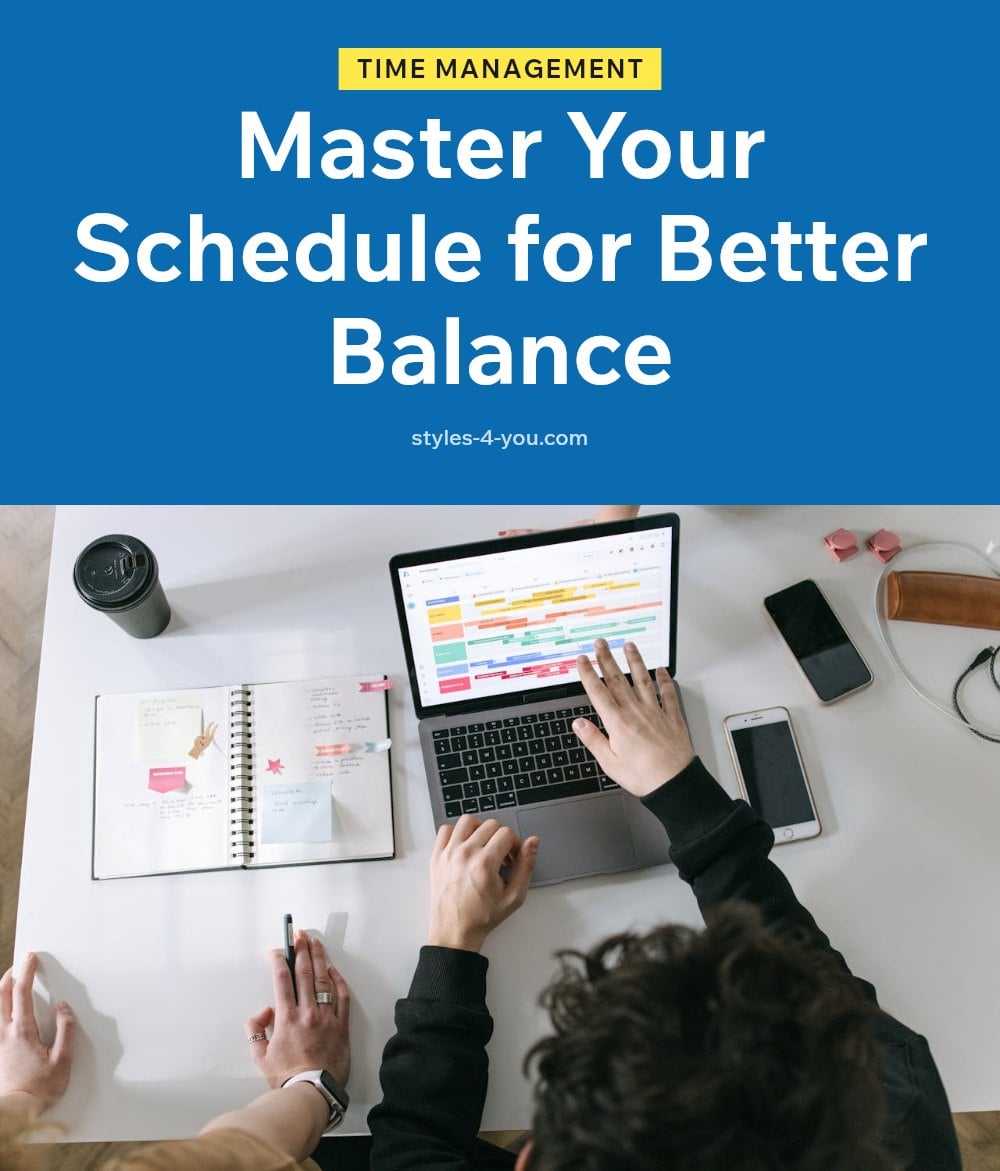
Start by setting specific work hours and sticking to them rigorously. Decide when your day ends, and then close your laptop and stop checking notifications. This creates a hard line between work and rest.
Use the Eisenhower Matrix: Sort your tasks into four categories: urgent and important, important but not urgent, urgent but not important, and neither. Handle urgent and important tasks first, as they demand immediate action. Schedule important but not urgent tasks for dedicated time blocks, since these often prevent future problems. Delegate urgent but not important tasks to others when possible, and drop tasks that are neither urgent nor important to free up your energy.
Communicate your workload: If you have too much on your plate, talk to your supervisor or HR. Be honest about what you can realistically handle. Many managers prefer to know early rather than wait for burnout to show up.
Schedule regular breaks: Every 90 minutes, step away from your desk for 5 to 10 minutes. Walk around, stretch, or just look out the window. Breaks actually improve your focus and output for the rest of the day.
Add hobbies you enjoy: Block time in your calendar for activities that have nothing to do with work, like reading, cooking, or a sport. This gives your brain a genuine break and helps you recharge.
Common Missteps When Trying to Stop Overworking
Common Missteps When Trying to Stop Overworking
Believing more hours equal success: Instead, measure your output by results, not time spent. Focus on efficiency and effectiveness.
Failing to set clear boundaries: Without defined work hours, you never truly disconnect. Enforce a hard stop for your workday.
Ignoring early burnout signs: Fatigue, irritability, and trouble concentrating are warnings. Pay attention and adjust before you crash.
Trying to do everything yourself: Delegating tasks when possible lightens your load and builds trust in your team.
Neglecting sleep and self-care: These are not optional. Prioritize 7 to 9 hours of sleep and basic self-care routines for sustained well-being.
Practical Tips for Sustainable Work-Life Balance

Schedule short breaks every 90 minutes or so. Even a 5-minute walk or stretching at your desk can reset your focus and prevent the afternoon slump.
Make time for hobbies that have nothing to do with work. Whether it’s gardening, painting, or playing a sport, these activities give your brain a break and boost your mood.
Try a simple mindfulness exercise: sit quietly for 5 minutes, focus on your breath, and notice when your mind wanders. Many people find this reduces stress and improves clarity.
My tip: Create a wind-down routine 30 minutes before bed. Dim the lights, put away screens, and read a book or take a warm bath. A consistent routine signals your body that it’s time to sleep, which can improve sleep quality.
Building Habits to Prevent Future Overworking

Preventing overworking means building habits that keep you balanced over the long term. Start by regularly communicating your workload and capacity to your team or manager. If you’re at capacity, say so early, before it becomes a crisis.
Review your schedule weekly. Are you consistently working late or skipping breaks? Adjust your plan to make it sustainable, not just productive. A sustainable schedule leaves room for rest, not just output.
Take your vacation days. Time off isn’t a reward, it’s necessary for recovery and preventing burnout. Plan your time off in advance so it actually happens, and don’t cancel it for work.
Pro move: Set a recurring calendar reminder to assess your boundaries. Ask yourself: am I checking emails after hours? Am I saying yes too often? Reinforce your limits as needed, and don’t feel guilty for protecting your time.
When to Seek Professional Help for Overworking
If you’ve tried these strategies and still feel exhausted, irritable, or detached from work most days, it may be time to talk to a healthcare professional. Chronic stress and burnout can take a real toll on your health.
Prolonged overworking has been linked to serious issues like cardiovascular problems, anxiety, and depression. Don’t dismiss persistent symptoms as just part of the job.
Caution: If you experience severe emotional distress, such as feeling unable to cope or having thoughts of self-harm, seek immediate professional help. You don’t have to handle this alone.
Frequently Asked Questions
What are the first signs of overworking?
Early signs often include fatigue, irritability, difficulty concentrating, and a sense of detachment from work. You might also notice you’re skipping meals or breaks to keep going. If these symptoms sound familiar, it’s a good prompt to reassess your workload and boundaries before they escalate further.
Can overworking lead to serious health problems?
Yes, prolonged overworking can contribute to chronic stress, which may lead to more serious health issues like cardiovascular problems, anxiety, and depression. If you’re experiencing persistent stress that’s impacting your daily life, it’s wise to speak with a healthcare professional. They can provide guidance and support tailored to your situation.
How can I set boundaries with my boss about workload?
Start by having an honest conversation about your current capacity. Use specific examples of your workload and suggest solutions, like reprioritizing tasks or extending deadlines. It’s often helpful to frame it as a way to maintain quality and productivity. Remember, it’s better to communicate early than to wait until you’re overwhelmed.
Is it normal to feel guilty when taking breaks?
Yes, many people feel guilty when stepping away from work, especially if they believe more hours equal more success. But taking breaks is actually a sign of self-awareness and good time management. Remind yourself that rest is necessary for sustained focus and creativity, and it’s not a weakness.
What’s the difference between hard work and overworking?
Hard work is focused, productive, and has clear boundaries. Overworking is when you’re constantly engaged with work, even off the clock, and you can’t disconnect. Hard work respects your limits; overworking ignores them. The key difference is whether you’re able to switch off and recharge.
How long does it take to recover from burnout?
Recovery from burnout varies, but with consistent effort, noticeable improvements in well-being can appear within weeks to months. It’s an ongoing process, not a quick fix. Prioritize rest, set boundaries, and consider professional support if symptoms persist. Be patient with yourself as you rebuild your energy and balance.
Final Thoughts
Start by picking one or two strategies that resonate most with you. Maybe it’s setting a hard stop time or scheduling those 90-minute breaks. Consistency is key; with regular effort, you can start to feel more in control within a few weeks. Remember, taking time to rest is not a weakness, it’s essential for your long-term productivity and well-being. You deserve to feel balanced, and it’s within your reach.
This article is for general informational purposes only and is not a substitute for professional medical or mental health advice. If you’re experiencing persistent stress, burnout, or other health concerns, please consult a qualified healthcare provider for personalized guidance.
More Blog ideas
- Your Essential Guide to a Healthy Feminine Hygiene Routine
- Best High Protein Foods to Eat Daily for Health and Energy
- Feeling Stuck: 12 Small Steps to Get Unstuck
- Winter Skin Survival Tips
- How to Get a Flat Stomach
- How to Fix Damaged Hair and Restore Its Health
- Full-Body Kettlebell Workout
- Dry Scalp vs. Dandruff
- Full Body Workout for Beginners
- 21 Easy Beauty Tips Every Woman Should Know
- Feminine Energy: 15 Daily Habits to Feel More Radiant
- Upper Body Workout for Women at Home






