How to Practice Mindfulness Every Day for Calm and Focus
Learn how to practice mindfulness every day with simple techniques. Reduce stress, improve focus, and enhance well-being with our practical guide.

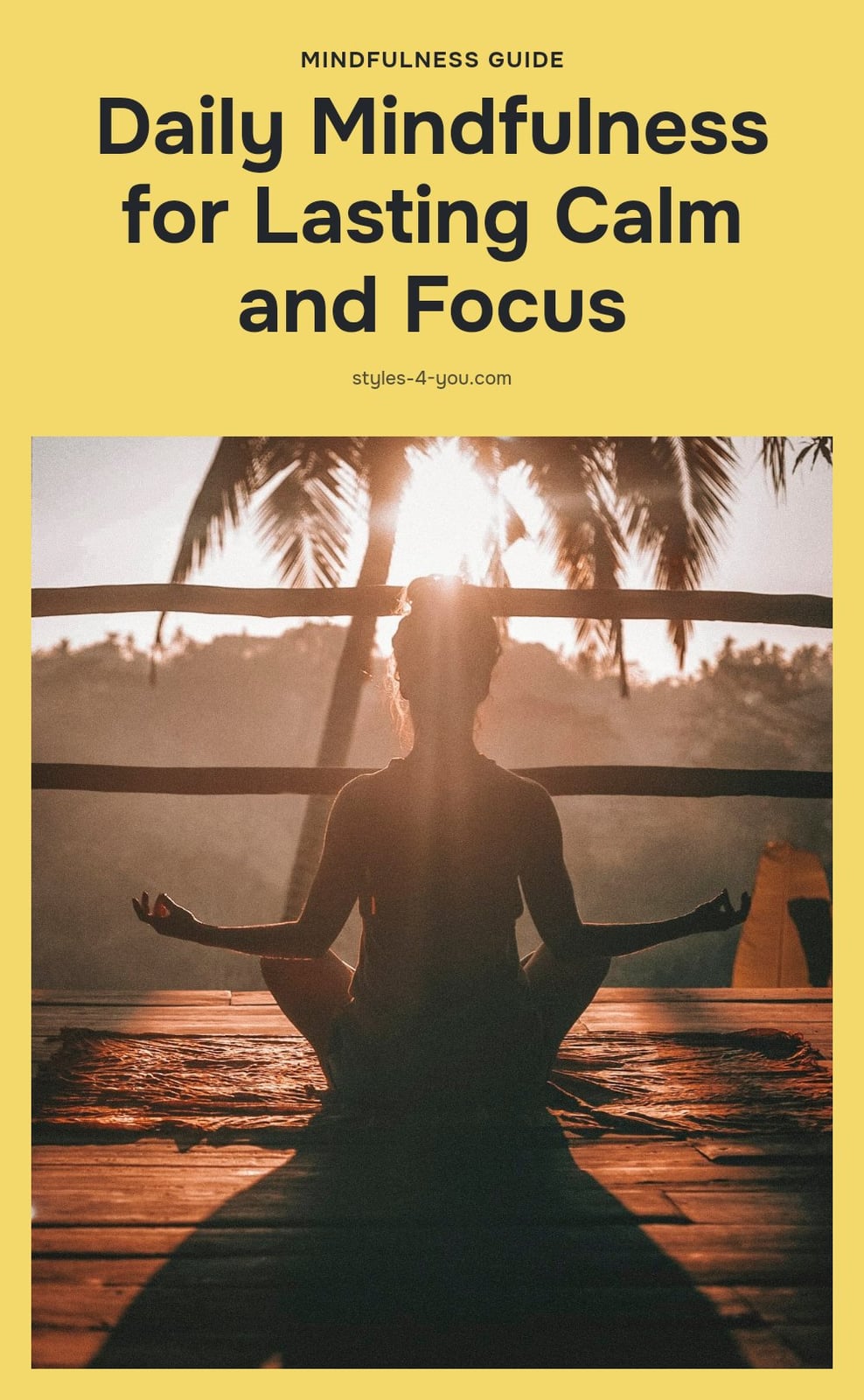
You don’t need a meditation cushion or an hour of free time to start feeling calmer and more focused. Mindfulness is simply the practice of paying attention to the present moment, on purpose, and without judgment. This article covers what mindfulness is, how to practice it both formally and informally, and common mistakes to avoid so you can build a habit that fits your life.
Key Takeaways
- Mindfulness is about observing thoughts, not stopping them.
- Start with short sessions of 5 to 10 minutes and gradually increase.
- Use your breath as an anchor when your mind wanders.
- Practice informally during everyday activities like eating or walking.
- Consistency matters more than session length for lasting benefits.
What is Mindfulness and How Can It Help?
Mindfulness is the simple but powerful practice of paying attention to the present moment on purpose and without judgment. Instead of trying to stop your thoughts, you observe them like clouds passing by. This shift in focus can reduce stress, sharpen your concentration, and help you manage your emotions more effectively. My tip: start by noticing your breath for just a few seconds a day to see how it feels.
What You Need to Start Your Mindfulness Practice
You don’t need much to begin. Here is the short list:
- A cushion or chair: Sit comfortably with your spine upright.
- A timer: Optional, but it helps keep your session consistent.
- A meditation app: Great for guided practices if you are new.
- A quiet space: Choose a spot where you won’t be interrupted for a few minutes.
Step-by-Step Guide to Formal Mindfulness Meditation
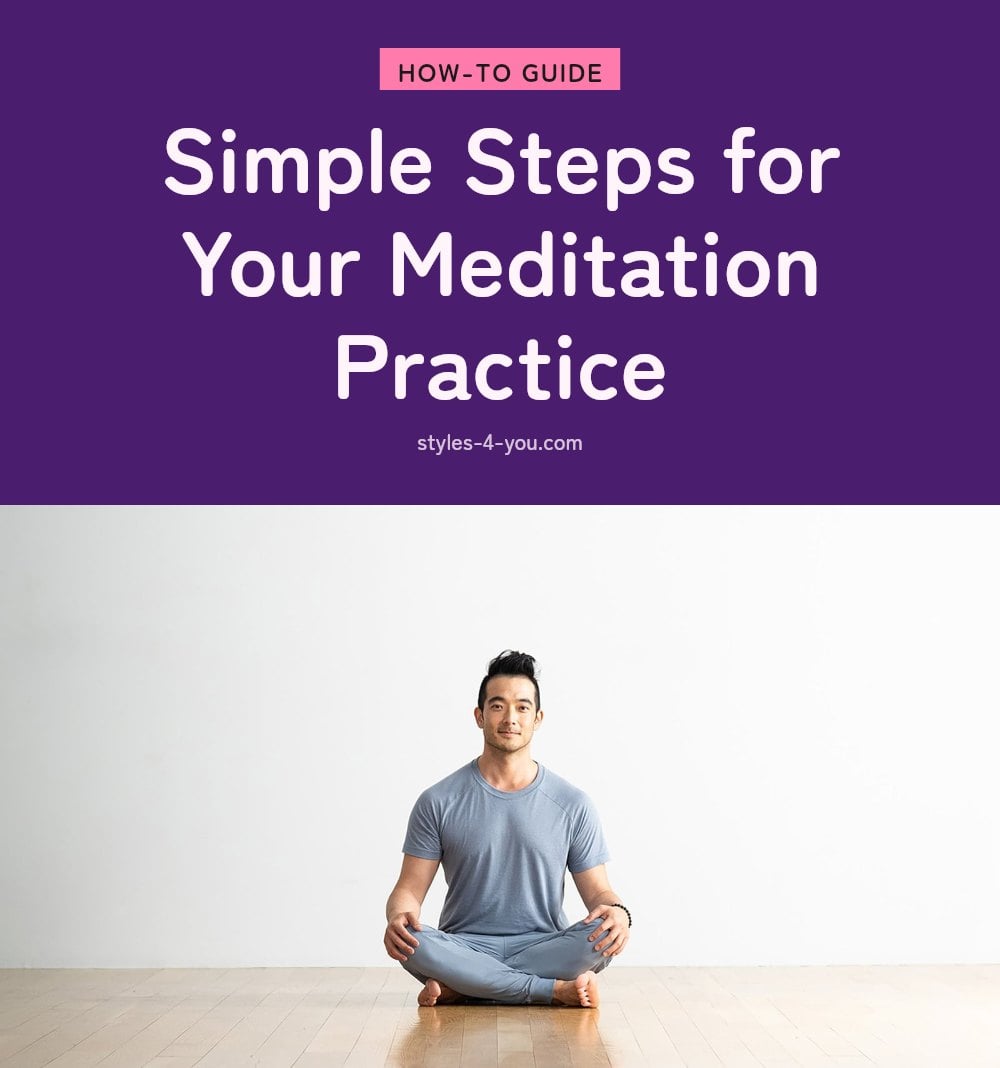
Start by finding a quiet spot where you can sit or lie down without interruptions. A chair or cushion works fine, just keep your spine upright but relaxed. If you prefer lying down, that’s okay too, just avoid falling asleep.
Set a timer for 5 to 10 minutes. That’s enough for a beginner session. You can use your phone timer, but put it on silent and place it where you won’t be tempted to check it.
- Close your eyes: Gently close your eyes or soften your gaze toward the floor. The goal is to reduce visual distractions, not to strain.
- Anchor on your breath: Bring your attention to the natural flow of your breath. Notice the sensation of air entering and leaving your nostrils, or the rise and fall of your chest.
- Observe thoughts: Thoughts and feelings will arise. Instead of judging them or pushing them away, simply notice them like clouds passing in the sky. Let them be.
- Redirect gently: When you realize your mind has wandered, which it will, gently guide your attention back to your breath. No frustration, no self-criticism. That act of redirecting is the practice itself.
- End slowly: When the timer goes off, take a few deep breaths before opening your eyes. Notice how you feel before getting up.
My tip: don’t worry if your mind wanders a hundred times in one session. Each time you notice and return, you’re strengthening your mindfulness muscle.
Integrating Mindfulness Into Your Daily Life Informally

You can bring mindfulness into almost any daily activity. Here are a few methods I use regularly:
Mindful Eating
Take the first bite of a meal without looking at your phone. Notice the taste, texture, and smell. Chew slowly. My tip: Try this with one raisin or a single piece of chocolate to really tune in.
Mindful Walking
On your next walk, pay attention to the sensation of your feet hitting the ground. Listen to the sounds around you. Feel the air on your skin. You don’t need a special route; just bring your awareness to each step.
Mindful Listening
When someone is talking to you, give them your full attention. Notice the tone of their voice, the pauses, and the words they choose. Resist the urge to plan your reply while they are still speaking.
Mindful Chores
Washing dishes, folding laundry, or sweeping can become a mindfulness practice. Focus on the feel of the warm water, the scent of the soap, or the rhythm of the broom. Caution: It is easy to slip into autopilot, so gently remind yourself to come back to the physical sensations.
Common Mindfulness Mistakes and How to Avoid Them
Mistake: Believing mindfulness means emptying your mind. It doesn’t. The goal is to observe your thoughts as they come and go, not to shut them off. Trying to force a blank mind usually backfires and adds tension.
Mistake: Getting frustrated when your mind wanders. I’ve been there. But here’s the thing: noticing that your mind wandered and gently bringing it back is the actual practice. Each time you redirect, you’re strengthening your attention muscle.
Mistake: Expecting immediate profound results. Mindfulness is a skill, not a switch. Consistency matters more than session length. Small daily efforts add up over weeks and months.
Mistake: Using mindfulness to avoid difficult emotions. That’s the opposite of what it’s for. Mindfulness invites you to sit with discomfort and observe it without judgment. If you find yourself pushing feelings away, pause and try to simply notice them instead.
Expert Tips for a Consistent Mindfulness Practice
Start small: I usually set a timer for 5-10 minutes when I’m starting out. A short daily session beats a long one you skip.
Be patient and compassionate: Your mind will wander, and that is normal. Each time you notice it and return to your anchor, you are building the skill.
Use guided meditations: Apps or online resources walk you through the basics. They remove the guesswork and keep you on track.
Schedule your practice: I put it on my calendar right after my morning coffee. Treating it like an appointment helps me follow through.
Find your anchor: Your breath works, but you can also focus on the sound of a fan or the sensation of your feet on the floor. Pick what feels stable for you.
When to Consult a Professional About Mindfulness
Mindfulness is generally safe, but it can sometimes bring up uncomfortable emotions or increase anxiety. If you notice this happening, pause and consider speaking with a mental health professional. For anyone with a severe mental health condition, consult a therapist or doctor before starting a mindfulness practice. It should be a complement to professional care, not a replacement.
Frequently Asked Questions
How long does it take to see results from mindfulness?
Many people notice subtle shifts in stress and focus within a few weeks of consistent daily practice. Benefits tend to build over time, so a few minutes every day is more effective than longer sessions done only occasionally.
Can mindfulness be practiced anywhere?
Yes, you can practice mindfulness almost anywhere. While formal meditation works best in a quiet space, informal mindfulness can be done while walking, eating, washing dishes, or even waiting in line. The key is to bring your full attention to whatever you are doing.
What if my mind keeps wandering during meditation?
That is completely normal and part of the practice. The goal is not to stop your thoughts but to notice when your mind has wandered and gently bring your attention back to your breath. Each time you do that, you are strengthening your focus.
Is mindfulness a religious practice?
Mindfulness has roots in ancient Buddhist meditation, but its modern application is often secular and does not require any religious belief. Many people use it simply as a practical tool for reducing stress and improving focus.
Can children practice mindfulness?
Yes, children can practice mindfulness in age-appropriate ways, such as paying attention to their breath for a few seconds or noticing the taste of a raisin. Short, playful exercises often work best, and it can help them with focus and emotional regulation.
Final Thoughts
Start with just a few minutes a day, even three to five minutes, and build from there. Expect your mind to wander, that is normal, and each time you notice it and return to your breath, you are strengthening your mindfulness skill. With consistent daily practice, you may notice reduced stress and improved focus within a few weeks to months.
This article is for general informational purposes only and is not a substitute for professional medical or psychological advice. If you experience increased distress or have a severe mental health condition, consult a licensed mental health professional before starting a mindfulness practice.
More Blog ideas
- Your Essential Guide to a Healthy Feminine Hygiene Routine
- Best High Protein Foods to Eat Daily for Health and Energy
- Feeling Stuck: 12 Small Steps to Get Unstuck
- Winter Skin Survival Tips
- How to Get a Flat Stomach
- How to Fix Damaged Hair and Restore Its Health
- Full-Body Kettlebell Workout
- Dry Scalp vs. Dandruff
- Full Body Workout for Beginners
- 21 Easy Beauty Tips Every Woman Should Know
- Feminine Energy: 15 Daily Habits to Feel More Radiant
- Upper Body Workout for Women at Home