How to Prevent Blackheads on Your Nose and T-Zone
Learn effective strategies to prevent blackheads, especially on your nose and T-zone, with expert tips on skincare routines and product choices.

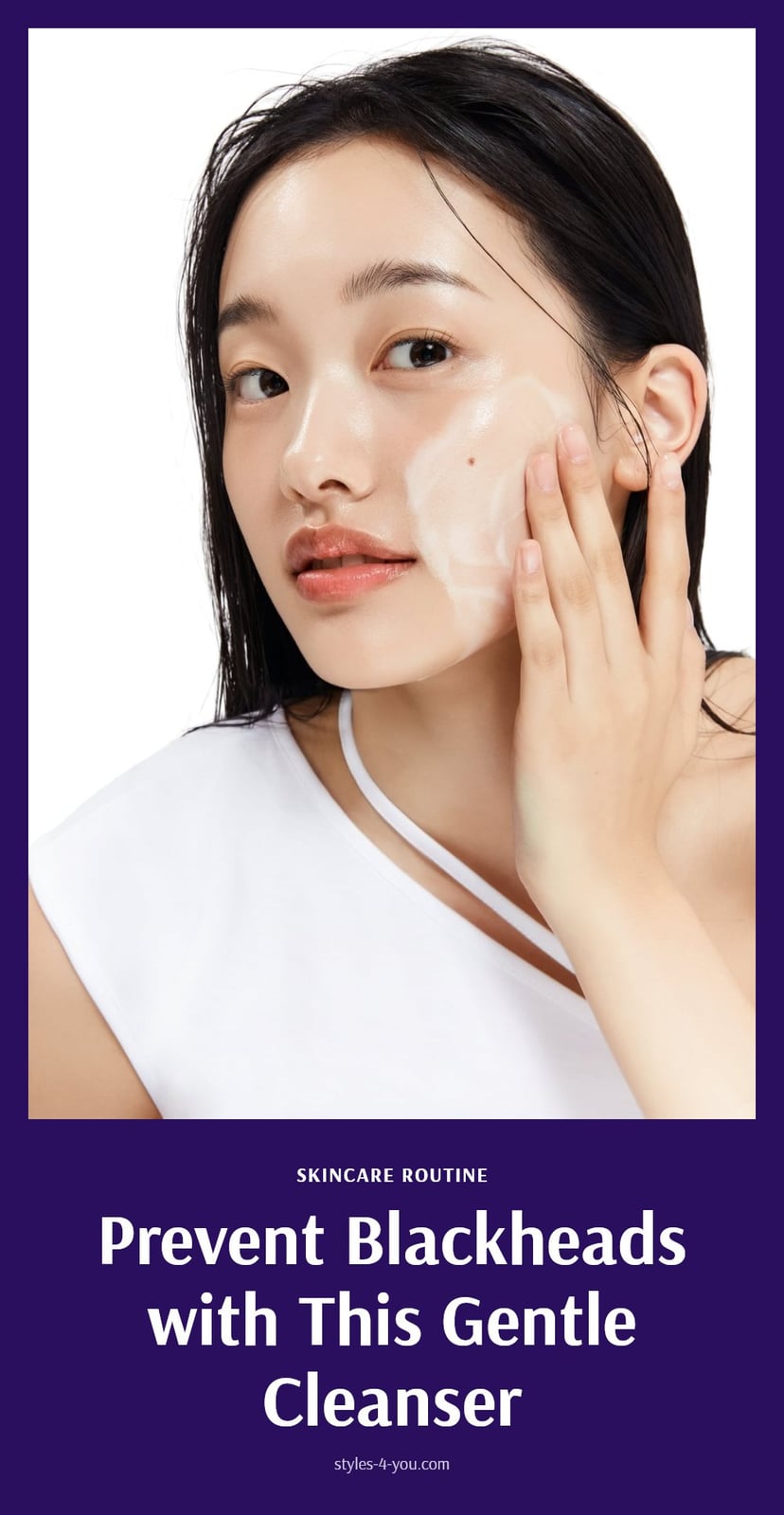
If you’ve ever looked closely in the mirror and noticed tiny dark spots on your nose or T-zone, you’re not alone. Blackheads are a common, mild form of acne that happen when pores get clogged with oil and dead skin cells. The good news is that with the right routine, you can prevent them from forming in the first place. This article covers what causes blackheads, how to prevent them with simple skincare steps, and what common mistakes to avoid.
Key Takeaways
- Blackheads form when pores clog with oil and dead skin cells, and the dark color comes from oxidation, not dirt.
- Cleanse your face twice daily with a gentle cleanser to remove excess oil and dead skin cells.
- Use salicylic acid (BHA) or retinoid products consistently to promote cell turnover and unclog pores.
- Avoid picking or squeezing blackheads, as this can lead to irritation, infection, or scarring.
- Stick with your routine for 4 to 8 weeks to see noticeable improvement in blackheads.
What Are Blackheads and Why Do They Form?
Blackheads are open comedones, a mild form of acne. They form when a hair follicle pore gets clogged with sebum (oil) and dead skin cells. The dark color comes from oxidation, not dirt: when the trapped material is exposed to air, it turns dark. You’ll most often see them on your nose, forehead, and chin, the T-zone, because that area has more oil glands.
Understanding Why Blackheads Appear on Your Skin
How Blackheads Form
Blackheads are technically open comedones. They develop when a hair follicle pore becomes clogged with sebum and dead skin cells. Unlike whiteheads, the pore stays open, so the trapped material is exposed to air. That exposure triggers oxidation, which turns the plug dark. The color is not from dirt, which is why scrubbing won’t remove them.
Why the T-Zone Is More Prone
The T-zone (nose, forehead, chin) has a higher concentration of sebaceous glands, so it produces more oil. More oil means a higher chance of clogged pores, which is why blackheads often cluster there.
Other Contributing Factors
- Hormonal fluctuations: Changes during puberty, menstrual cycles, or stress can increase oil production.
- Certain medications: Some drugs may affect sebum output or skin cell turnover.
- Genetics: Your skin type and how easily your pores clog can be inherited.
Effective Skincare Methods to Prevent Blackheads
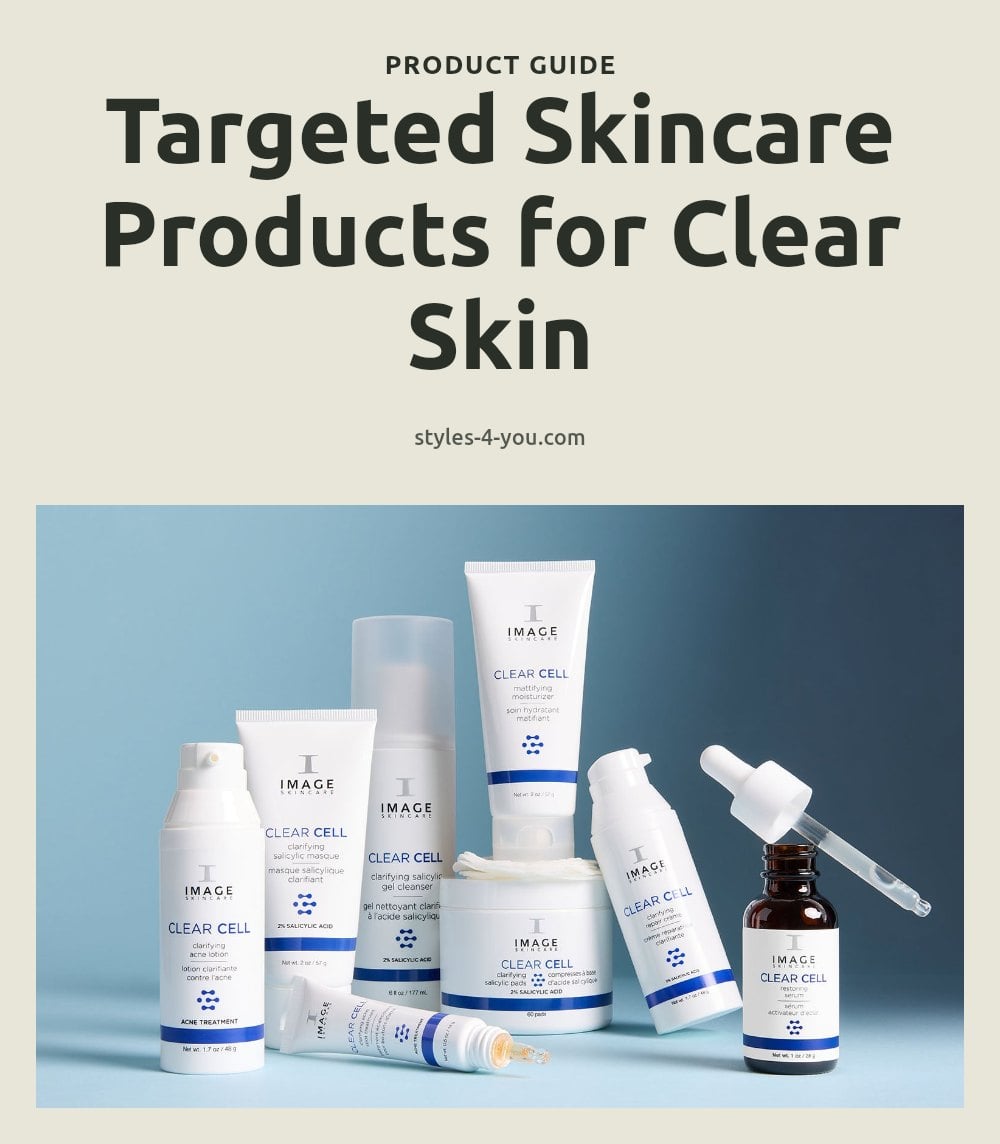
Build a Consistent Cleansing Routine
Cleanse your face twice daily with a gentle cleanser. Morning and evening washing removes excess oil and dead skin cells before they can clog pores. Avoid harsh soaps that strip your skin, as that can trigger more oil production.
Use Salicylic Acid (BHA) to Unclog Pores
Salicylic acid is a beta hydroxy acid that penetrates into the pore to dissolve the buildup of sebum and dead skin cells. Look for a BHA serum or cleanser and start by using it once a day, preferably in the evening. If your skin tolerates it well after a week or two, you may increase to twice daily. Always follow the product instructions and consider starting with a lower concentration to minimize irritation.
Add a Retinoid for Cell Turnover
Topical retinoids like adapalene promote cell turnover, which helps keep pores from getting clogged in the first place. They are available over the counter. Apply a pea-sized amount at night, starting with every other day to minimize irritation. Caution: Retinoids increase sun sensitivity, so always wear sunscreen during the day.
Combine BHA and Retinoids Without Irritation
If you use both salicylic acid and a retinoid, avoid applying them at the same time. Use the BHA in the morning and the retinoid at night, or alternate days: BHA one day, retinoid the next. This gives your skin time to adjust and reduces the risk of over-exfoliation.
Use Clay Masks Weekly
Clay masks absorb excess oil and can help draw out impurities. Use one once or twice a week, but not more often, as overuse can dry out your skin. Leave it on for 10-15 minutes, then rinse with lukewarm water.
Choose Non-Comedogenic Products
Always use non-comedogenic moisturizers and makeup. These are formulated not to clog pores, so they won’t contribute to new blackheads. Even if your skin is oily, moisturizing is important to maintain a healthy barrier.
Remove Makeup Thoroughly Every Night
Going to bed with makeup on allows product and dead skin cells to accumulate in pores. Use a gentle makeup remover or cleansing oil first, then follow with your regular cleanser. My tip: Keep wipes by your bed for emergencies, but don’t rely on them as your only cleanse.
Long-Term Strategies for Blackhead Prevention
Long-term prevention is about consistent, gentle care. Exfoliation is key to stopping dead skin cell buildup, but how you combine it with daily BHA use matters. If you already use a salicylic acid cleanser or serum daily, count that toward your weekly exfoliation total. In that case, skip the separate scrub or mask on those days, and aim for 1-3 total exfoliating sessions per week, including the daily BHA product.
Always remove makeup before bed, and wash your face after sweating or exercising to clear pores promptly. Choose non-comedogenic skincare and makeup products to avoid introducing new clogs. Avoid over-washing or harsh scrubbing; that irritates skin and can increase oil production.
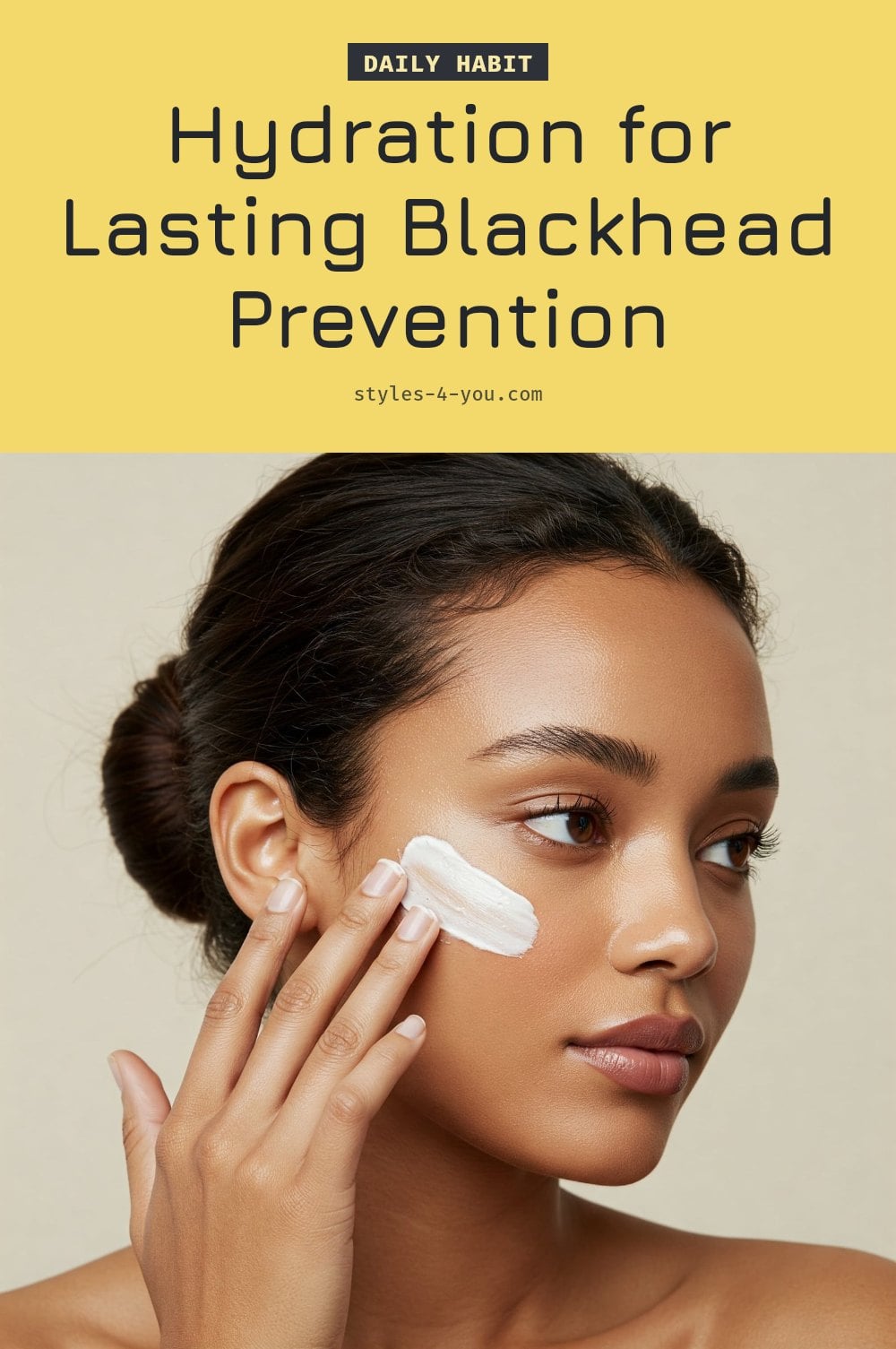
Moisturize regularly with a non-comedogenic lotion to keep your skin barrier healthy, which helps it shed cells normally. My tip: If your skin feels tight or looks shiny by midday, you are likely over-exfoliating. Scale back to two times a week and focus on hydration for a few days.
Common Mistakes When Trying to Get Rid of Blackheads
Scrubbing Too Hard: It is easy to think blackheads are dirt that needs to be scrubbed off, but that is not the case. Vigorous scrubbing irritates the skin and can worsen the appearance of blackheads. Use gentle, circular motions with a soft cloth or your fingertips instead.
Over-Drying Skin: Harsh products that strip natural oils may feel effective at first, but they can trigger your skin to produce even more oil. This extra oil then clogs pores further. Stick to a balanced routine with a gentle cleanser and a non-comedogenic moisturizer.
Excessive Pore Strip Use: Pore strips are satisfying to peel off, but they only remove surface debris and can irritate sensitive skin. They are not a primary treatment for blackheads. Use them sparingly, if at all, and focus on exfoliating ingredients like salicylic acid.
Expecting Instant Results: Skincare requires patience. Most treatments need 4 to 8 weeks of consistent use to show noticeable improvement. Do not give up after a week if you do not see changes.
Ignoring Product Labels: Not all makeup and skincare products are safe for acne-prone skin. Always check for the term “non-comedogenic” on labels, as these products are formulated not to clog pores.
When to Consult a Dermatologist for Blackheads
If your blackheads are widespread, painful, or do not improve after 4 to 8 weeks of consistent over-the-counter treatment, it is time to see a dermatologist. Also consult a professional if you experience severe irritation, burning, or an allergic reaction to any product. A dermatologist can provide personalized advice and prescribe stronger treatments, such as prescription-strength retinoids or professional extractions, that are not available over the counter.
Expected Timeline for Blackhead Improvement
With consistent use of appropriate products, you can expect noticeable improvement in blackheads within 4 to 8 weeks. This timeline applies to salicylic acid cleansers, retinoid creams, and other targeted treatments. Once you see results, ongoing prevention requires you to stick with your routine every day. Over-the-counter products vary widely in cost, but consistent use matters far more than choosing an expensive brand.
Frequently Asked Questions
Are blackheads caused by dirt?
No, blackheads are not caused by dirt. The dark color comes from oxidation when the trapped oil and dead skin cells are exposed to air. Scrubbing too hard thinking it’s dirt can actually irritate your skin and make blackheads worse.
Can pore strips get rid of blackheads permanently?
Pore strips only remove the top layer of a blackhead temporarily, not the entire clog. They don’t prevent new blackheads from forming and can irritate sensitive skin if used too frequently. They are not a long-term solution.
How often should I exfoliate to prevent blackheads?
Gentle exfoliation 1 to 3 times a week with a mild BHA (salicylic acid) or a soft scrub is enough to prevent dead skin cell buildup. Over-exfoliating can strip your skin and trigger more oil production, which may worsen blackheads.
Is it okay to use makeup if I have blackheads?
Yes, you can wear makeup, but choose non-comedogenic products that won’t clog your pores. Always remove your makeup thoroughly before bed to prevent buildup that can contribute to blackheads.
What’s the difference between blackheads and whiteheads?
Both are types of acne, but blackheads are open comedones where the trapped material is exposed to air and oxidizes, turning dark. Whiteheads are closed comedones, where the pore is blocked and the material stays under the skin, appearing as small white or flesh-colored bumps.
Final Thoughts
To prevent blackheads on your nose and T-zone, focus on a consistent routine of gentle cleansing, targeted exfoliation with salicylic acid or a retinoid, and using non-comedogenic moisturizer. Expect to see noticeable improvement within 4 to 8 weeks if you stick with it. The key is patience and consistency, not harsh scrubbing or quick fixes.
This article is for general informational purposes only and does not constitute medical or dermatological advice. Individual skin conditions vary, and what works for one person may not work for another. If you have persistent, painful, or widespread blackheads, or experience severe irritation from any product, consult a dermatologist or healthcare professional.
More Blog ideas
- Your Essential Guide to a Healthy Feminine Hygiene Routine
- Best High Protein Foods to Eat Daily for Health and Energy
- Feeling Stuck: 12 Small Steps to Get Unstuck
- Winter Skin Survival Tips
- How to Get a Flat Stomach
- How to Fix Damaged Hair and Restore Its Health
- Full-Body Kettlebell Workout
- Dry Scalp vs. Dandruff
- Full Body Workout for Beginners
- 21 Easy Beauty Tips Every Woman Should Know
- Feminine Energy: 15 Daily Habits to Feel More Radiant
- Upper Body Workout for Women at Home






