How to Reduce Crow’s Feet Naturally at Home
Learn how to reduce crow's feet naturally at home with effective skincare routines, lifestyle changes, and DIY tips for smoother skin.

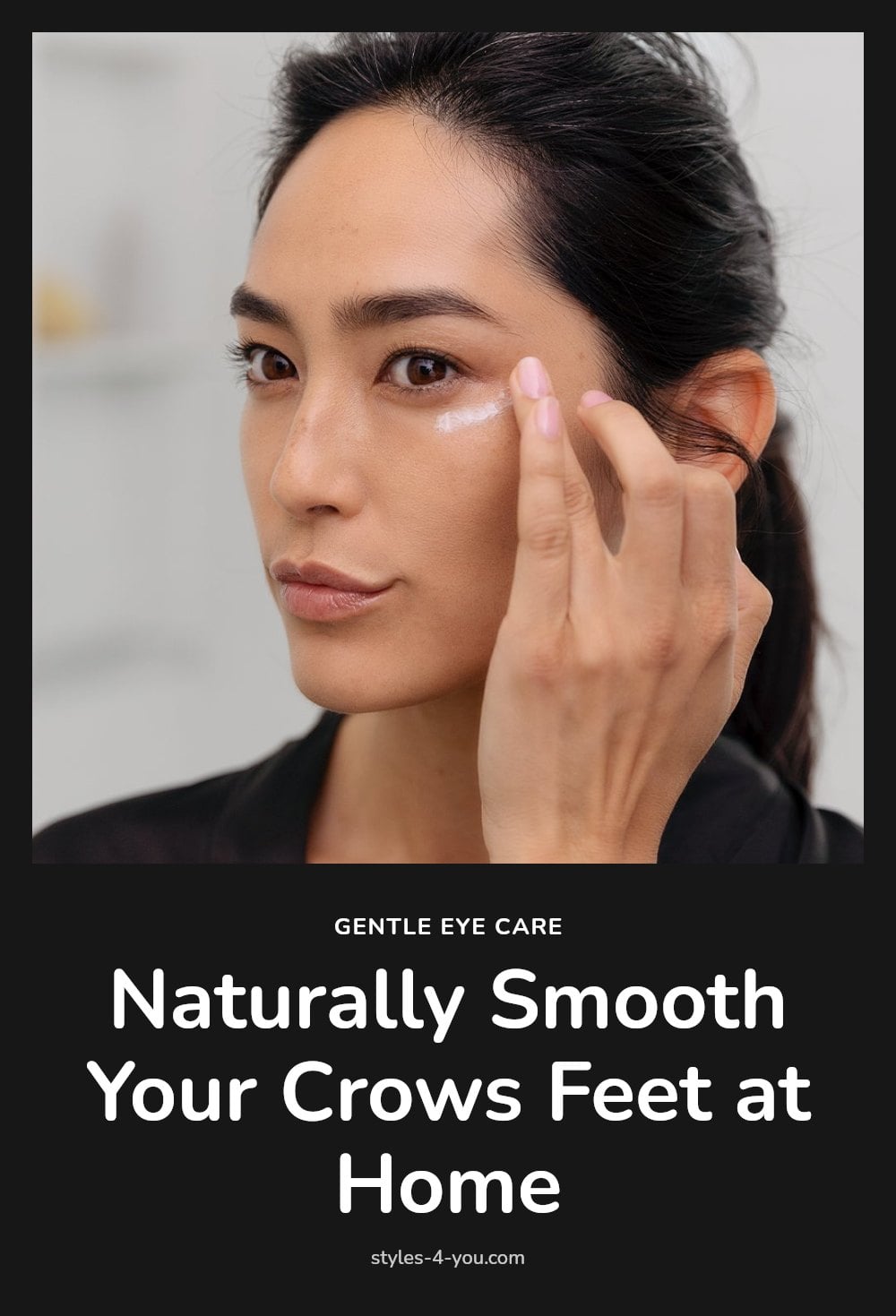
Noticing fine lines at the corners of your eyes when you smile? You’re not alone. Crow’s feet are a natural part of aging, but you can soften their appearance from home. This article covers the most effective at-home strategies, from daily sun protection to hydrating ingredients, to help you reduce those lines without a trip to the dermatologist.
Key Takeaways
- Wear SPF 30+ sunscreen daily around your eyes, even on cloudy days.
- Use a gentle eye cream with hyaluronic acid, peptides, or antioxidants.
- Incorporate a retinoid or bakuchiol into your nighttime routine, starting slowly.
- Get 7 to 9 hours of sleep per night to support skin repair.
- Expect noticeable results after several weeks to a few months of consistent care.
Can You Really Get Rid of Crow’s Feet at Home?
The short answer is no, you can’t completely erase crow’s feet at home. But you can make them look significantly better. The goal is to reduce their appearance by focusing on what works: improving skin hydration, protecting against sun damage, and boosting collagen production. Consistent effort with the right routine really does pay off.
Why Crow’s Feet Appear Around Your Eyes

Crow’s feet are dynamic wrinkles. That means they form from repetitive muscle movements, smiling, squinting, laughing, that crease the skin around your eyes over and over.
Key causes
- Aging skin: Your skin naturally produces less collagen and elastin as you get older. Less collagen means less firmness and elasticity, so those creases stick around longer.
- Sun exposure: UV radiation damages collagen and elastin fibers directly. This is one of the biggest accelerators of crow’s feet formation.
- Dehydration: When your skin is dehydrated, fine lines look deeper and more pronounced. Hydrated skin plumps up, making lines less visible.
Your Essential Toolkit for Reducing Eye Wrinkles
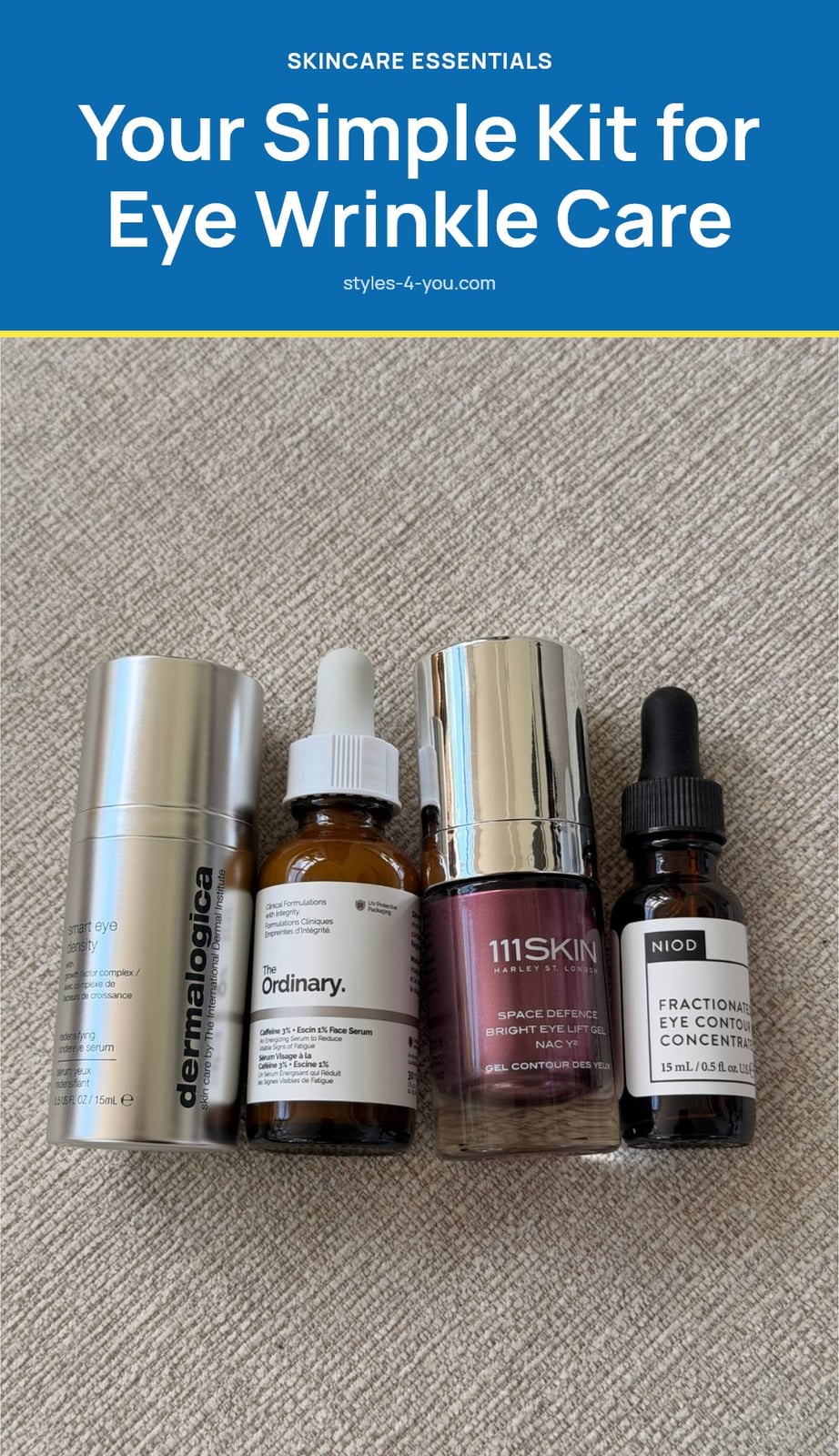
Here’s what you need to build a routine that actually works.
- Sunscreen (SPF 30+): Daily protection from UV damage. Non-negotiable.
- Sunglasses: Prevent squinting and block sun exposure around the eyes.
- Eye cream: Look for hyaluronic acid, peptides, and antioxidants to hydrate and support skin repair.
- Retinoid or bakuchiol serum: Stimulates collagen production and speeds up cell turnover.
- Gentle cleanser: Avoid harsh formulas that strip the delicate eye area.
- Moisturizer: Locks in hydration for overall skin health.
- Water: Essential for internal hydration that plumps skin from within.
- Antioxidant-rich foods: Fruits and vegetables support skin health from the inside.
- Plant-based oils: Argan oil or rosehip oil nourish and moisturize the eye area.
Effective At-Home Methods to Smooth Your Eye Area
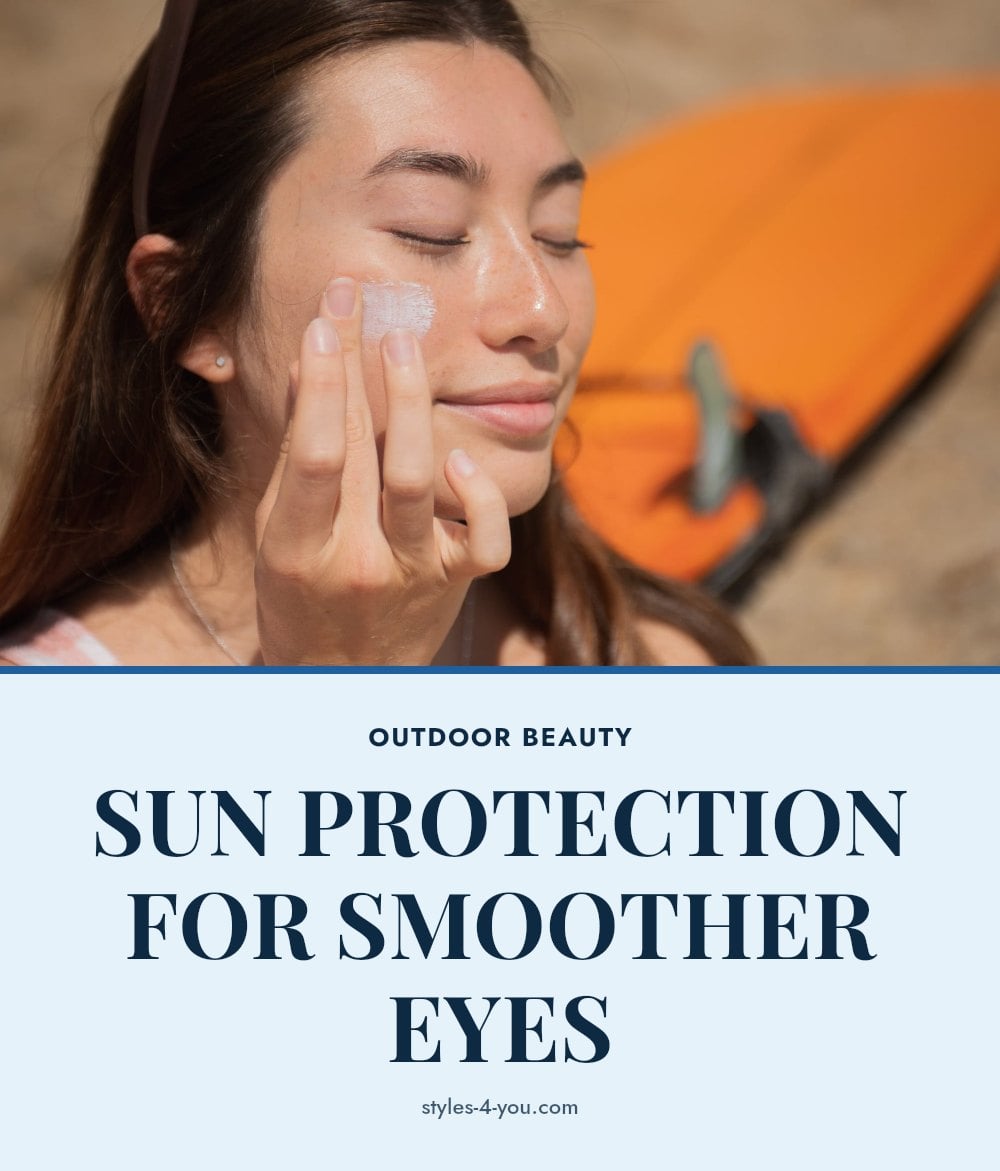
These methods are the ones I’ve seen make a real difference. Consistency is the key.
Daily sun protection
Apply SPF 30+ sunscreen around your eyes every morning, even on cloudy days. Wear sunglasses and a wide-brimmed hat when you’re outside. This prevents further UV damage and reduces squinting.
Targeted eye creams
Choose an eye cream with hyaluronic acid, peptides, and antioxidants. Pat a small amount gently around the orbital bone using your ring finger. It applies the least pressure. My tip: Keep your eye cream in the fridge. The cold constricts blood vessels and helps depuff the area.
Retinoids or bakuchiol
Incorporate a retinoid or bakuchiol serum into your nighttime routine. Start with once or twice a week to let your skin adjust, then gradually increase frequency. These ingredients stimulate collagen and speed cell turnover. Caution: Never apply retinoids to wet skin around the eyes. It increases irritation risk. Wait 20 minutes after cleansing.
Hydration from within
Drink plenty of water throughout the day. Well-hydrated skin looks plumper, which makes fine lines less noticeable. Aim for 7 to 9 glasses as a baseline.
Gentle eye massage
Use your ring finger to tap gently from the inner corner outward along the brow bone and under the eye. Do this for 30 seconds after applying eye cream. It temporarily improves circulation and reduces puffiness, making lines look softer.
Common Mistakes When Treating Crow’s Feet
Expecting complete elimination is the top mistake. Natural remedies and consistent care reduce the appearance of crow’s feet, but they won’t erase them entirely. Applying too much pressure when you put on eye cream or makeup can damage the delicate skin around your eyes. Use your ring finger and a gentle tapping motion instead.
Neglecting sun protection is a primary cause of worsening wrinkles. UV damage breaks down collagen and elastin, so skipping sunscreen undoes your other efforts. Using harsh cleansers or exfoliants near your eyes can cause irritation and make lines more visible. Stick to gentle, fragrance-free products. Inconsistency is another common error. Results require regular, long-term effort, so stick with your routine even when you don’t see immediate changes.
Preventing New Crow’s Feet from Forming

Consistent sun protection is non-negotiable. Apply SPF 30+ daily, wear sunglasses to prevent squinting, and use a wide-brimmed hat for extra coverage. Adequate sleep, 7 to 9 hours per night, allows your skin to repair and regenerate, which directly supports a smoother eye area.
An antioxidant-rich diet protects against free radical damage. Load up on fruits, vegetables, and foods high in vitamins C and E. Avoid smoking entirely. Smoking significantly accelerates skin aging and breaks down collagen. Keep your skin plump and resilient by drinking enough water throughout the day. Hydration from within makes a real difference.
How Long Until You See Results and What to Expect
You can expect noticeable results after several weeks to a few months of consistent use. Continued improvement requires ongoing adherence to your routine, so don’t stop when you see initial changes. At-home remedies are generally affordable, ranging from drugstore eye creams to mid-range serums. Aim for a reduction in the appearance of crow’s feet, not complete elimination. That’s a realistic and achievable goal.
When to Consider Seeing a Dermatologist
If at-home methods aren’t delivering the results you want after several months, a dermatologist can offer stronger options. Persistent irritation, redness, itching, burning, or swelling means you should stop using the product and see a professional. For deep-set crow’s feet, in-office treatments like laser therapy or chemical peels might be more effective. Always consult a dermatologist for any new or unusual skin changes around your eyes.
Frequently Asked Questions
How long does it take to see results from at-home remedies?
You can expect noticeable results after several weeks to a few months of consistent use. Continued improvement requires ongoing adherence to your routine, so don’t stop when you see initial changes.
Can drinking more water really help with crow’s feet?
Yes, dehydration can make fine lines appear more pronounced. Drinking enough water helps keep your skin hydrated, which can temporarily plump the skin and reduce the visibility of crow’s feet.
Are there any foods that can help reduce crow’s feet?
A diet rich in antioxidants, such as fruits and vegetables, can help protect your skin from free radical damage that contributes to aging. While no food erases wrinkles, a healthy diet supports overall skin health.
Is it okay to use my regular face moisturizer around my eyes?
It depends on the formula. Avoid harsh cleansers, exfoliants, or strong active ingredients near the eyes. A gentle, hydrating moisturizer without irritants can be used, but an eye cream formulated specifically for the delicate eye area is often a better choice.
What’s the difference between dynamic and static wrinkles?
Dynamic wrinkles, like crow’s feet, appear with facial movements such as smiling or squinting. Static wrinkles are visible even when your face is at rest. Over time, dynamic wrinkles can become static if the skin loses enough elasticity.
Final Thoughts
My tip: Start with daily SPF 30+ sunscreen around your eyes and a hydrating eye cream with hyaluronic acid. Those two steps alone can make a visible difference. Realistically, you’ll see improvement after several weeks to a few months, but you need to stick with it every day. The goal isn’t perfection, it’s smoother, healthier-looking skin that shows your smile, not just the lines.
This article is for informational purposes only and does not constitute medical advice. Results from at-home remedies vary by individual. If you experience persistent irritation, redness, or other skin concerns, consult a dermatologist or healthcare professional.
More Blog ideas
- Your Essential Guide to a Healthy Feminine Hygiene Routine
- Best High Protein Foods to Eat Daily for Health and Energy
- Feeling Stuck: 12 Small Steps to Get Unstuck
- Winter Skin Survival Tips
- How to Get a Flat Stomach
- How to Fix Damaged Hair and Restore Its Health
- Full-Body Kettlebell Workout
- Dry Scalp vs. Dandruff
- Full Body Workout for Beginners
- 21 Easy Beauty Tips Every Woman Should Know
- Feminine Energy: 15 Daily Habits to Feel More Radiant
- Upper Body Workout for Women at Home






