How to Reduce a Puffy Face Naturally at Home
Wake up to a puffy face? Discover effective, natural at-home remedies to quickly reduce facial swelling and prevent it from returning.

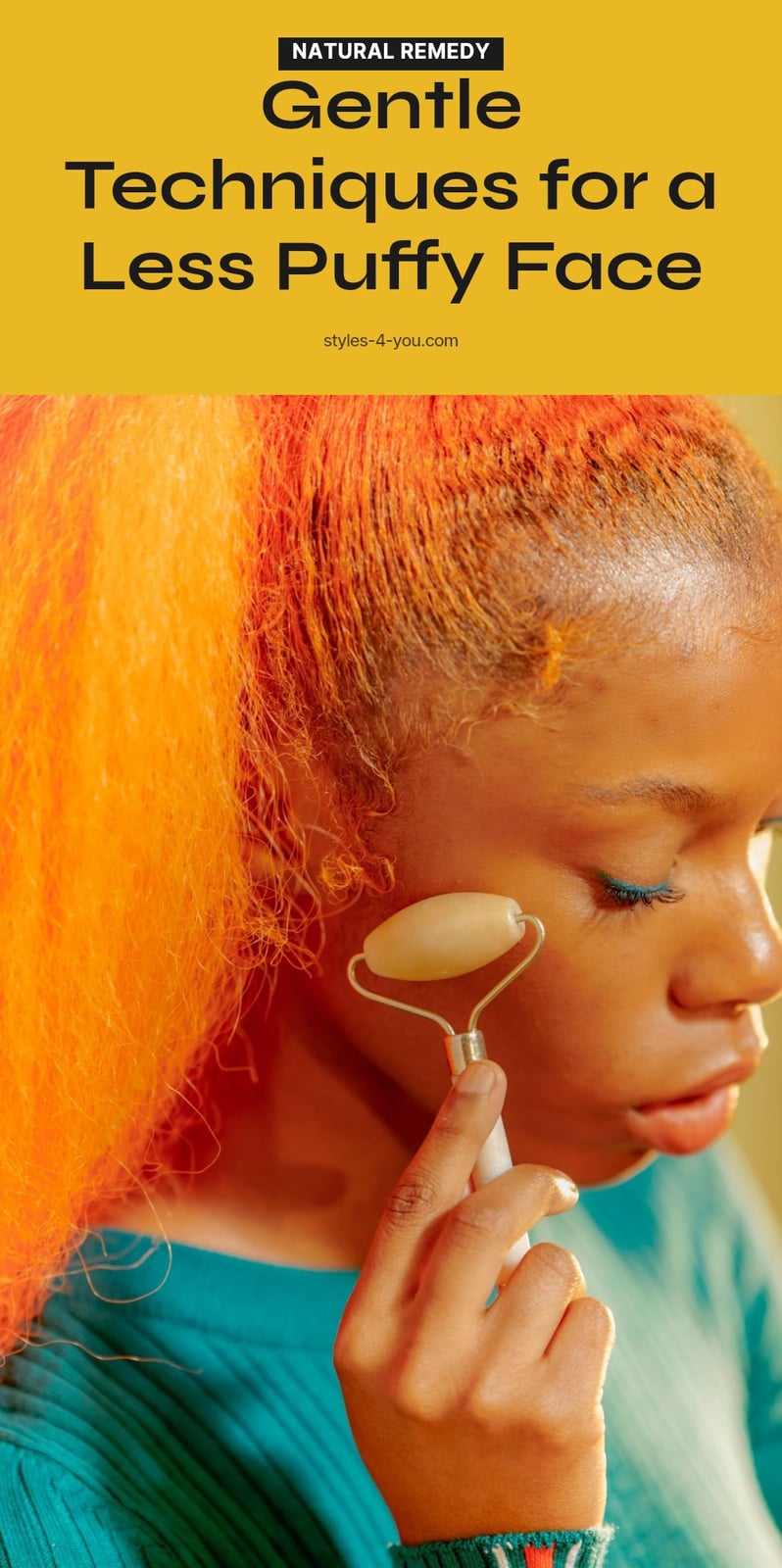
Waking up with a puffy face is frustrating, but it’s usually a temporary issue you can tackle right at home. Whether it’s from last night’s salty dinner, a late night, or just how you slept, a few simple cooling and massage techniques can make a visible difference in under half an hour. This article walks you through the most effective natural methods, common mistakes to avoid, and the daily habits that help keep puffiness from coming back.
Key Takeaways
- Cool the face with a cold compress or chilled roller for 5 to 10 minutes.
- Massage gently in upward and outward motions to encourage lymphatic drainage.
- Drink enough water throughout the day to prevent fluid retention.
- Elevate your head with an extra pillow while sleeping to reduce pooling.
- Seek medical help if puffiness is sudden, severe, or lasts more than a few days.
Quick Fix for a Puffy Face
A puffy face can often be reduced in minutes with simple at-home methods. The key is cooling the skin to constrict blood vessels and gently encouraging fluid drainage. Many people see noticeable results within 15 to 30 minutes, though these remedies offer temporary relief rather than a permanent fix.
Why Your Face Might Be Puffy
Facial puffiness is usually caused by fluid retention, also called edema, in the tissues of the face. Several everyday factors can trigger this:
- High sodium intake: Eating salty foods makes your body hold onto extra water.
- Dehydration: When you’re low on water, your body stores what it has, leading to puffiness.
- Lack of sleep: Poor sleep disrupts circulation and fluid balance.
- Alcohol: It dehydrates you and can cause inflammation.
- Allergic reactions: Food or environmental allergens can cause swelling.
- Inflammation: Skin irritation or certain medical conditions may contribute.
- Sleeping position: Lying flat allows fluid to pool in your face overnight.
Tools for Depuffing Your Face
Having a few basic tools on hand makes depuffing quick and easy. Here is what I keep ready:
- Cold compress or ice pack: Wraps in a soft cloth to constrict blood vessels and reduce swelling.
- Chilled facial roller or gua sha: Helps stimulate lymphatic drainage when used gently.
- Cucumber slices or chilled green tea bags: Soothe puffy eyes with antioxidants and caffeine.
- Extra pillow: Elevates your head during sleep to prevent fluid from pooling.
Effective At-Home Methods to Reduce Puffiness

Apply Cold
Cold constricts blood vessels and reduces swelling. Wrap a few ice cubes in a clean cloth or use a chilled facial roller. Gently press or roll over puffy areas for 5 to 10 minutes. Caution: Never apply ice directly to skin; it can cause ice burns.
Try Gentle Facial Massage
Massage stimulates lymphatic drainage, moving excess fluid away. Use clean fingers or a gua sha tool with light pressure. Work in upward and outward motions, starting at the center of your face and moving toward your ears and down your neck. Tip: Always use a facial oil or moisturizer to reduce friction and prevent pulling on delicate skin.
Use Caffeine or Tea Bags
Caffeine has vasoconstrictive properties that can temporarily reduce puffiness. Chill two green tea bags, then place them over your closed eyes for 10 to 15 minutes. The tannins and caffeine in the tea work together to soothe and tighten the skin. Good to know: This method is especially helpful for under-eye puffiness.
Apply Cucumber Slices
Cucumber contains antioxidants and flavonoids that may help calm irritation and reduce swelling. Place chilled slices over puffy areas for 10 to 15 minutes. My tip: Chill the cucumber in the fridge for at least 30 minutes before using for the best cooling effect.
Common Mistakes When Dealing with a Puffy Face
Don’t skip water: Drinking less will not help. When you are dehydrated, your body holds onto more fluid, which can actually worsen puffiness. Keep sipping water throughout the day.
Don’t rub or pull: The skin on your face is delicate, especially around the eyes. Aggressive rubbing or pulling can irritate the tissue and increase swelling. Use gentle, upward strokes instead.
Don’t ignore persistent puffiness: If your face stays puffy for days or gets worse despite home remedies, see a doctor. It could signal an underlying issue like a thyroid or kidney problem.
Don’t use very hot water: Hot water can inflame the skin and make puffiness worse. Stick to lukewarm or cool water when washing your face.
Preventing Future Facial Puffiness

Long-term prevention comes down to a few daily habits. Here is what I focus on:
- Drink plenty of water: Aim for 8 glasses a day to keep fluid moving and prevent retention.
- Cut back on sodium: Processed foods, canned soups, and restaurant meals are major sources. Cook at home when you can.
- Get 7-9 hours of sleep: Quality sleep helps regulate your body’s fluid balance.
- Elevate your head: Use an extra pillow so fluid does not pool in your face overnight.
- Limit alcohol: Alcohol dehydrates you, which can trigger puffiness the next day.
When to Consult a Doctor About Facial Puffiness
Seek emergency care if facial puffiness is sudden, severe, or accompanied by pain, redness, fever, or difficulty breathing. This could indicate a serious allergic reaction or infection.
See your doctor if puffiness persists for more than a few days or worsens despite home remedies. A healthcare professional can check for underlying conditions such as kidney disease, thyroid disorders, or chronic allergies. Do not self-diagnose.
Frequently Asked Questions
How long does it take for a puffy face to go down?
For temporary puffiness, you can often see a noticeable reduction within 15 to 30 minutes after using cooling and massage techniques. However, if the puffiness is tied to a high-sodium meal or lack of sleep, it may take several hours or even a day to fully resolve. Consistent habits like hydration and reduced salt intake can help prevent it from happening as often.
Can dehydration cause a puffy face?
Yes, dehydration can actually make puffiness worse. When your body is low on water, it tends to hold onto the fluid it does have, which can lead to swelling in your face. Drinking enough water throughout the day helps keep your system moving and reduces the likelihood of fluid retention. Aim for about 8 glasses daily to stay well hydrated.
Is a puffy face a sign of a serious health problem?
In most cases, facial puffiness is harmless and temporary, often caused by diet, sleep, or allergies. However, if the puffiness is sudden, severe, or comes with pain, redness, fever, or difficulty breathing, it could signal a serious allergic reaction or infection, and you should seek emergency care. Persistent puffiness that lasts more than a few days or worsens should be evaluated by a doctor to rule out underlying conditions like kidney or thyroid issues.
Are there foods that help reduce facial puffiness?
While no single food is a magic cure, a diet low in sodium and rich in potassium can help your body balance fluids. Foods like bananas, leafy greens, and cucumbers are good choices because they support healthy fluid regulation. Staying hydrated and avoiding processed, salty foods are the most effective dietary steps to minimize puffiness.
Final Thoughts
For quick relief, grab a cold compress or chilled facial roller and spend a few minutes gently pressing and rolling over the puffy areas. You can expect to see some improvement within 15 to 30 minutes, but remember these are temporary fixes. To keep puffiness at bay long term, focus on staying hydrated, cutting back on salty foods, and getting consistent sleep. If your face stays puffy for days or comes with other symptoms, don’t hesitate to check in with a doctor to rule out anything more serious.
This article is for general informational purposes only and is not a substitute for professional medical advice. If you have persistent, severe, or concerning facial puffiness, or if it is accompanied by other symptoms, please consult a doctor or dermatologist for a proper evaluation and guidance.
More Blog ideas
- Your Essential Guide to a Healthy Feminine Hygiene Routine
- Best High Protein Foods to Eat Daily for Health and Energy
- Feeling Stuck: 12 Small Steps to Get Unstuck
- Winter Skin Survival Tips
- How to Get a Flat Stomach
- How to Fix Damaged Hair and Restore Its Health
- Full-Body Kettlebell Workout
- Dry Scalp vs. Dandruff
- Full Body Workout for Beginners
- 21 Easy Beauty Tips Every Woman Should Know
- Feminine Energy: 15 Daily Habits to Feel More Radiant
- Upper Body Workout for Women at Home






