How to Remove Whiteheads Naturally and Gently
Learn how to remove whiteheads naturally and safely at home with gentle methods and effective ingredients. Get clear skin without picking or irritation.

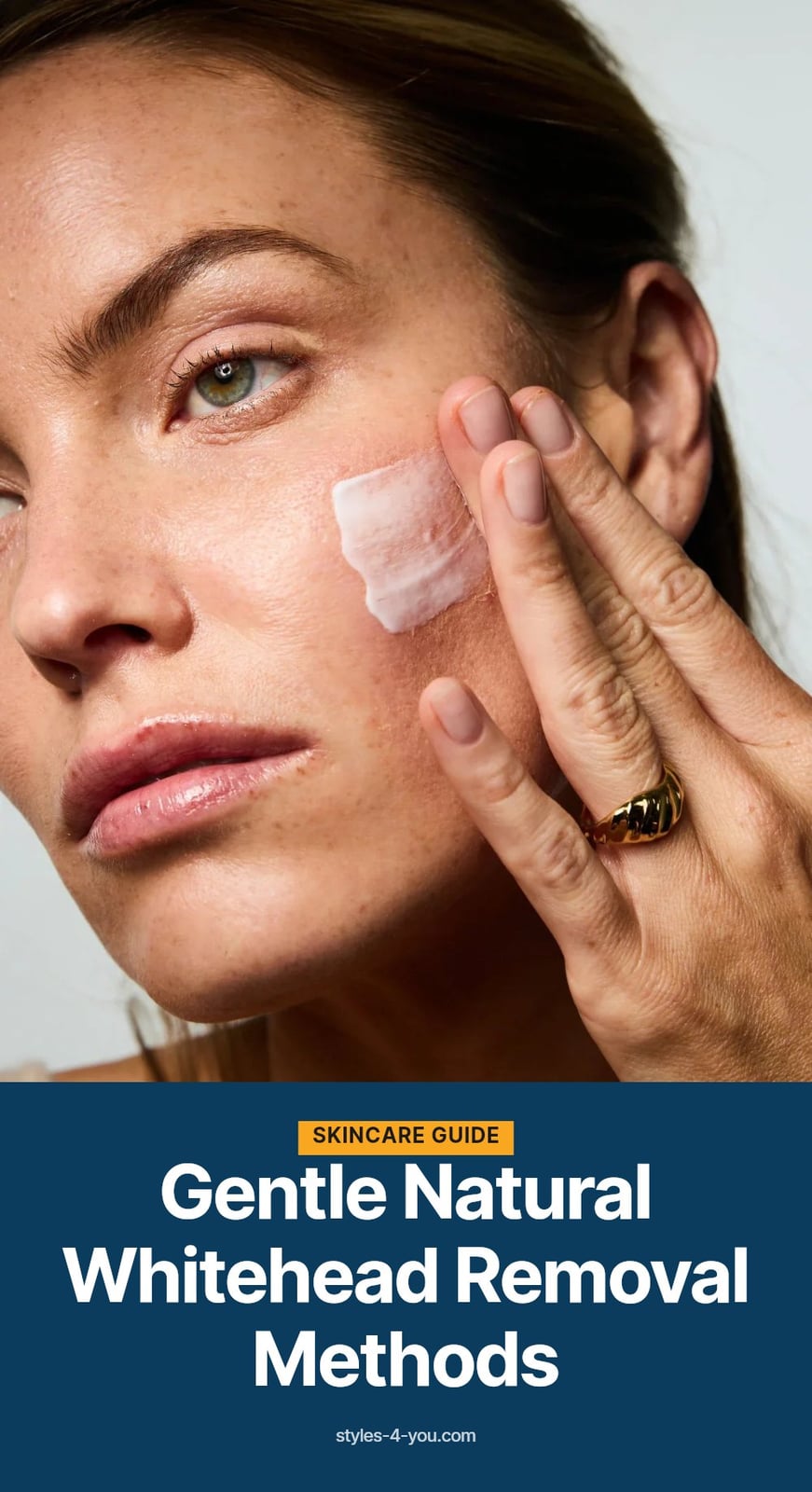
Whiteheads are those small, white or flesh-colored bumps that seem to appear out of nowhere, often on your forehead, nose, or chin. They happen when your pores get completely blocked with oil and dead skin cells, and unlike blackheads, the pore stays closed. The good news is that you can manage them at home with the right gentle approach.
In this article, I’ll walk you through what causes whiteheads, the natural and over-the-counter methods that actually help, a simple daily routine, and when it’s time to see a professional. You’ll learn how to clear your skin without harsh scrubbing or risky squeezing.
Key Takeaways
- Cleanse twice daily with a gentle, non-comedogenic cleanser.
- Exfoliate 2-3 times a week with salicylic acid.
- Never pick or squeeze whiteheads to avoid scarring.
- Use non-comedogenic makeup and change pillowcases often.
- See a dermatologist if whiteheads persist or are painful.
What Are Whiteheads and How Do They Form?
Whiteheads are closed comedones, which means the pore opening is completely blocked. Sebum and dead skin cells get trapped beneath the surface, creating a small, white or flesh-colored bump. Unlike blackheads, the pore isn’t open to air, so the material doesn’t oxidize and darken. Gentle removal focuses on exfoliation and ingredients that reduce oil and inflammation without picking or squeezing.
Your Gentle Skincare Arsenal for Whiteheads
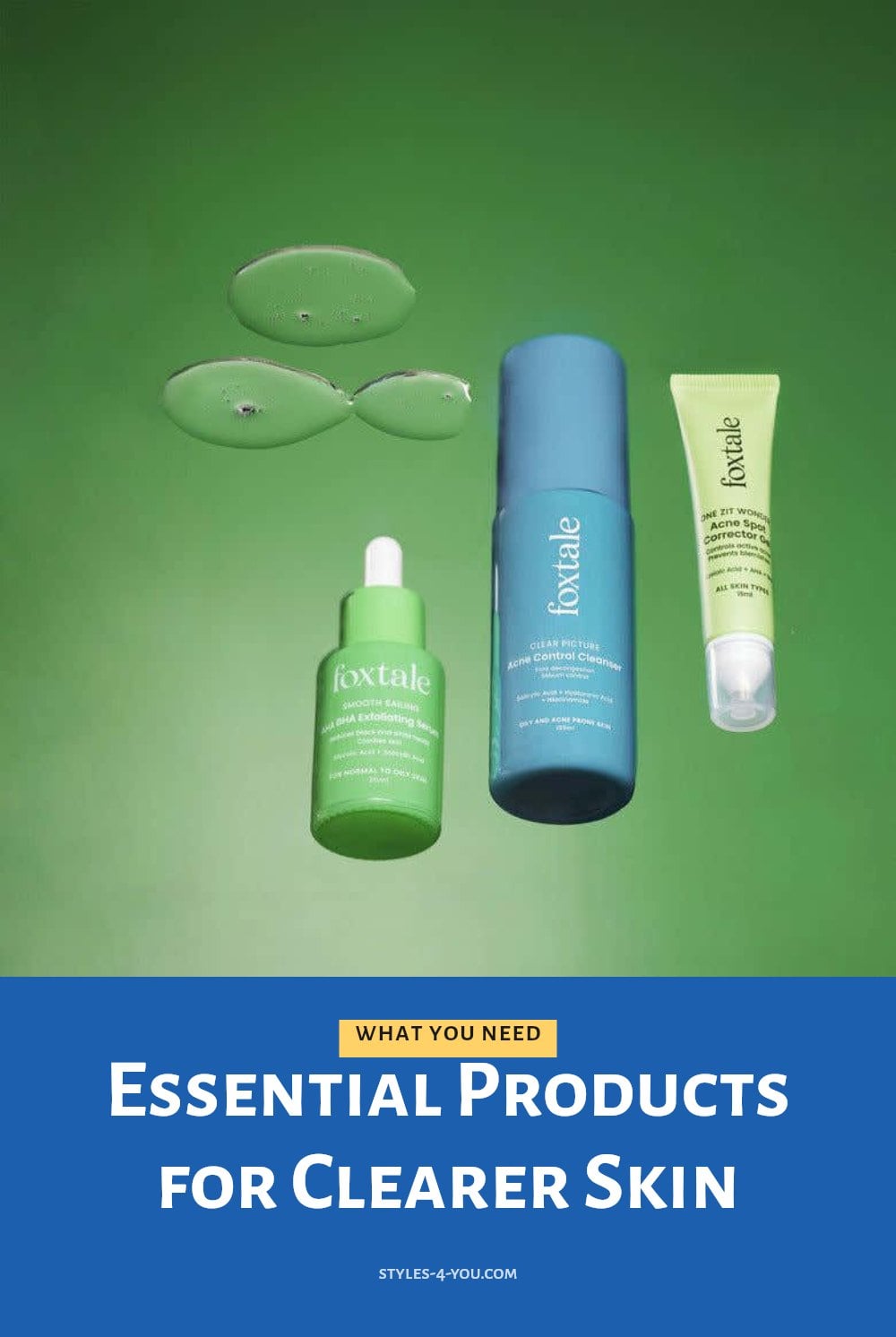
Building a gentle arsenal is the first step to managing whiteheads. You don’t need a dozen products, just the right ones. Here is what I keep on hand:
- Gentle facial cleanser: Use one labeled non-comedogenic to avoid clogging pores further.
- Salicylic acid product: A cleanser or serum that exfoliates inside the pore lining.
- Clay mask: Bentonite or kaolin clay absorbs excess oil and draws out impurities.
- Tea tree oil (diluted): A drop mixed with a carrier oil works as a spot treatment.
- Aloe vera gel and honey: Both soothe inflammation and calm irritated skin.
- Warm compress: A clean cloth soaked in warm water softens blockages before cleansing.
Natural Methods to Gently Clear Whiteheads
Natural methods can clear whiteheads without harsh chemicals. Each targets a different part of the problem. Here is how I use them.
Salicylic Acid for Pore Exfoliation
Salicylic acid is a beta-hydroxy acid that penetrates oil and exfoliates inside the pore. I use a 2% salicylic acid serum 2-3 times a week after cleansing. Caution: Start with once a week to see how your skin reacts, then increase gradually.
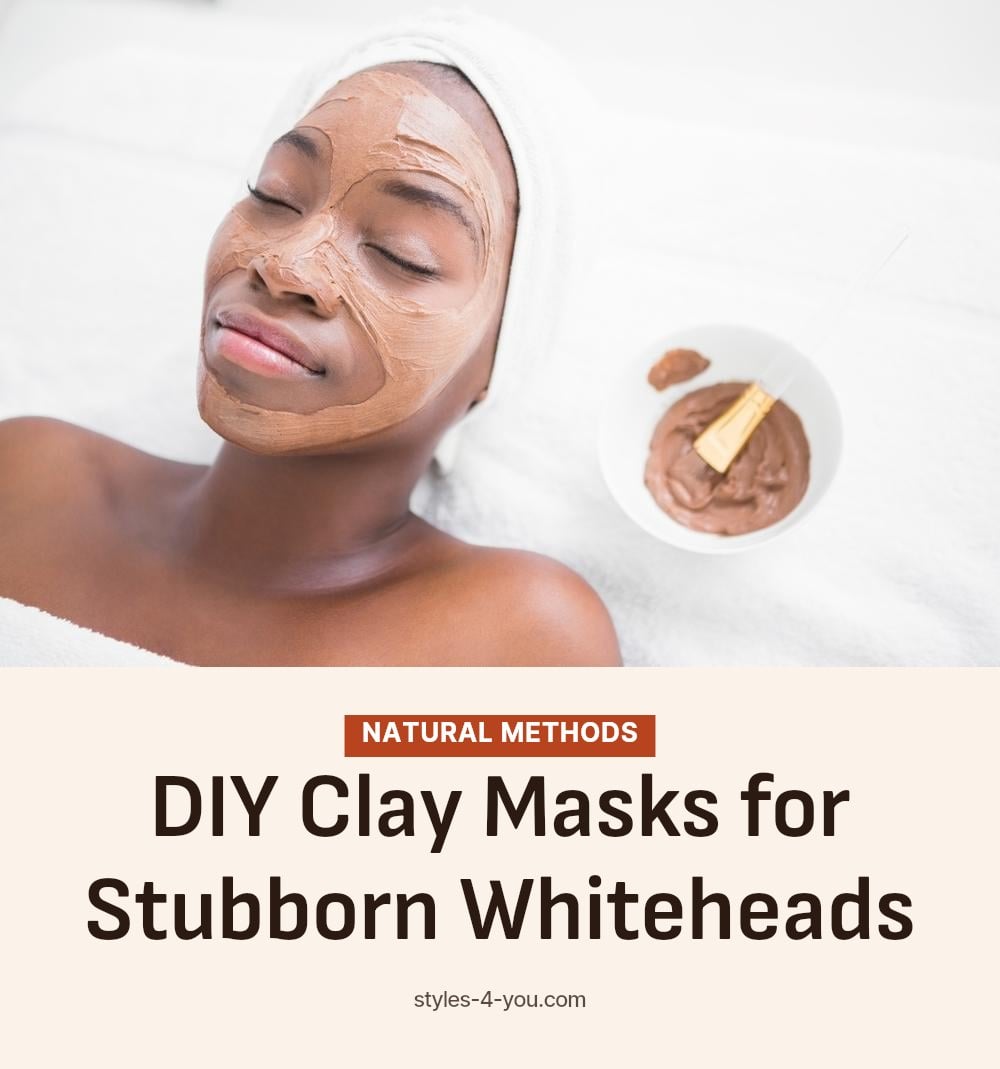
Clay Masks for Oil Absorption
A clay mask pulls excess oil and debris from pores. I apply a thin layer of bentonite clay mixed with water or apple cider vinegar once a week. Leave it on for 10 minutes, no longer, so it doesn’t dry out your skin. My tip: Rinse off with lukewarm water and follow with moisturizer.
Tea Tree Oil as a Spot Treatment
Tea tree oil has antimicrobial properties that can help with acne. Always dilute it: mix 1 drop of tea tree oil with 12 drops of a carrier oil like jojoba or almond oil. Dab it on individual whiteheads with a cotton swab. Caution: Never apply undiluted tea tree oil directly to skin. It can cause burns.
Aloe Vera and Honey for Soothing
Aloe vera gel and honey both have anti-inflammatory effects. I mix a teaspoon of aloe vera gel with half a teaspoon of raw honey and apply it as a mask for 15 minutes. This calms redness and helps prevent irritation from other treatments.
Warm Compress to Soften Blockages
A warm compress loosens the sebum and dead skin cells inside the pore. Soak a clean cloth in warm water, wring it out, and press it gently on the area for 2-3 minutes. Do this before your regular cleansing routine to make exfoliation more effective.
Your Daily Routine for Managing Whiteheads
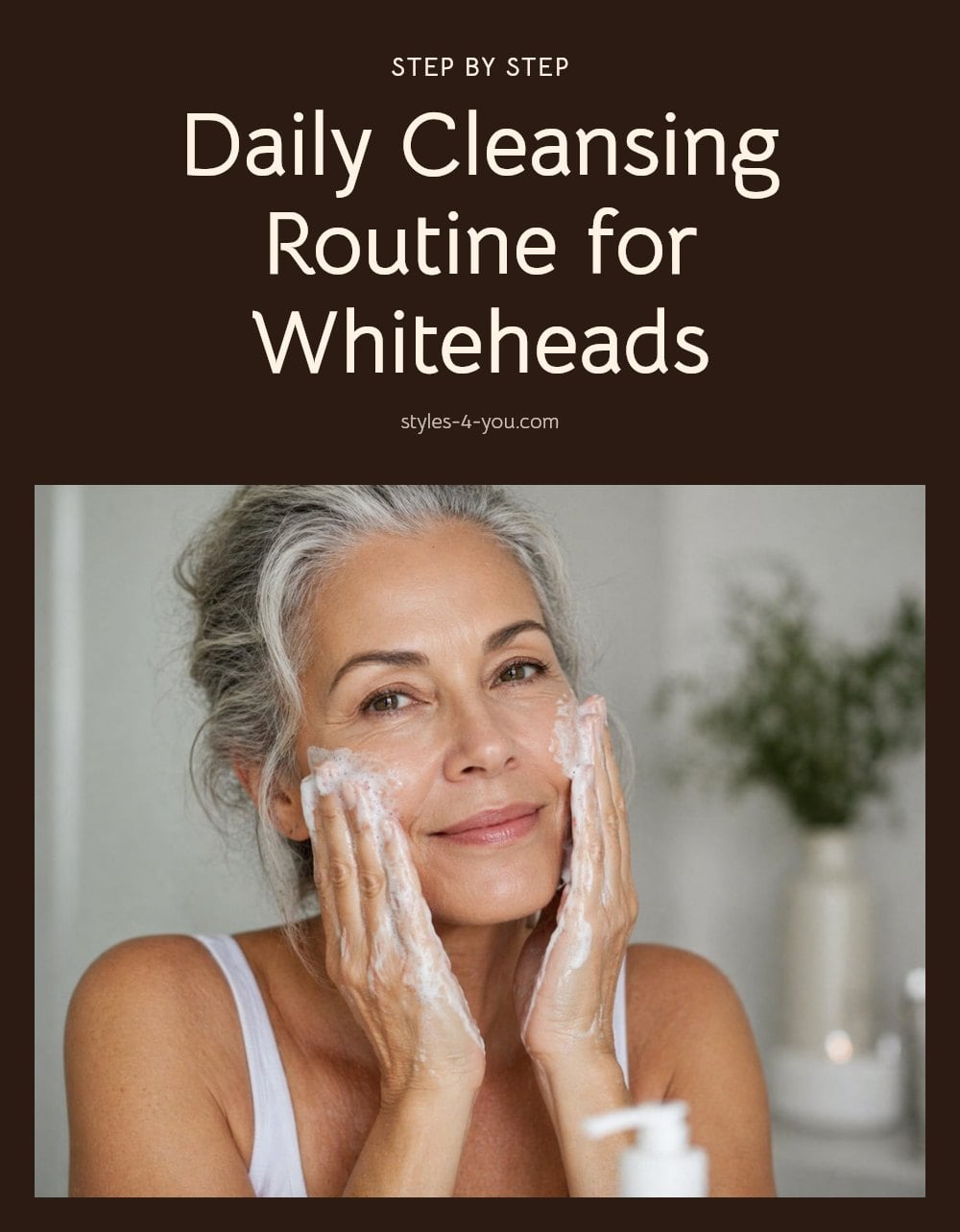
Consistency is everything when managing whiteheads. Here is the routine I follow.
- Cleanse morning and night: Use a gentle, non-comedogenic cleanser. Wash for 60 seconds, then rinse with lukewarm water. Pat dry, don’t rub.
- Exfoliate 2-3 times a week: On alternating nights, apply a salicylic acid serum or use a salicylic acid cleanser. Skip exfoliation if your skin feels tight or irritated.
- Apply spot treatments as needed: Use diluted tea tree oil or a salicylic acid spot treatment on individual whiteheads. Apply only to the bump, not the surrounding skin.
- Moisturize every time: Choose a lightweight, non-comedogenic moisturizer. Even oily skin needs hydration to avoid producing extra sebum.
- Perform a patch test for new products: Dab a small amount behind your ear or on your inner arm for 24 hours. If no redness or itching appears, it is safe to use on your face.
Stick with this routine for at least two weeks before expecting changes. Consistency matters more than intensity.
Common Whitehead Mistakes to Avoid
I’ve made every mistake in the book, so let me save you the trouble. Never pick or squeeze whiteheads. That bump is a closed pore, and squeezing can push the blockage deeper, causing inflammation, infection, and scarring. It is not worth it.
Avoid harsh cleansers or scrubs. Rough scrubbing strips the skin’s natural oils, which can trigger more oil production and more whiteheads. Stick to gentle, non-comedogenic products.
Don’t use too many active ingredients at once. Layering salicylic acid, benzoyl peroxide, and tea tree oil can overwhelm your skin and cause irritation. Use one active per routine and patch test new products.
Understand whiteheads aren’t solely due to poor hygiene. Hormones, genetics, and product choices play a big role. Being consistent with a simple routine matters more than scrubbing harder.
Preventing Future Whiteheads: My Best Tips
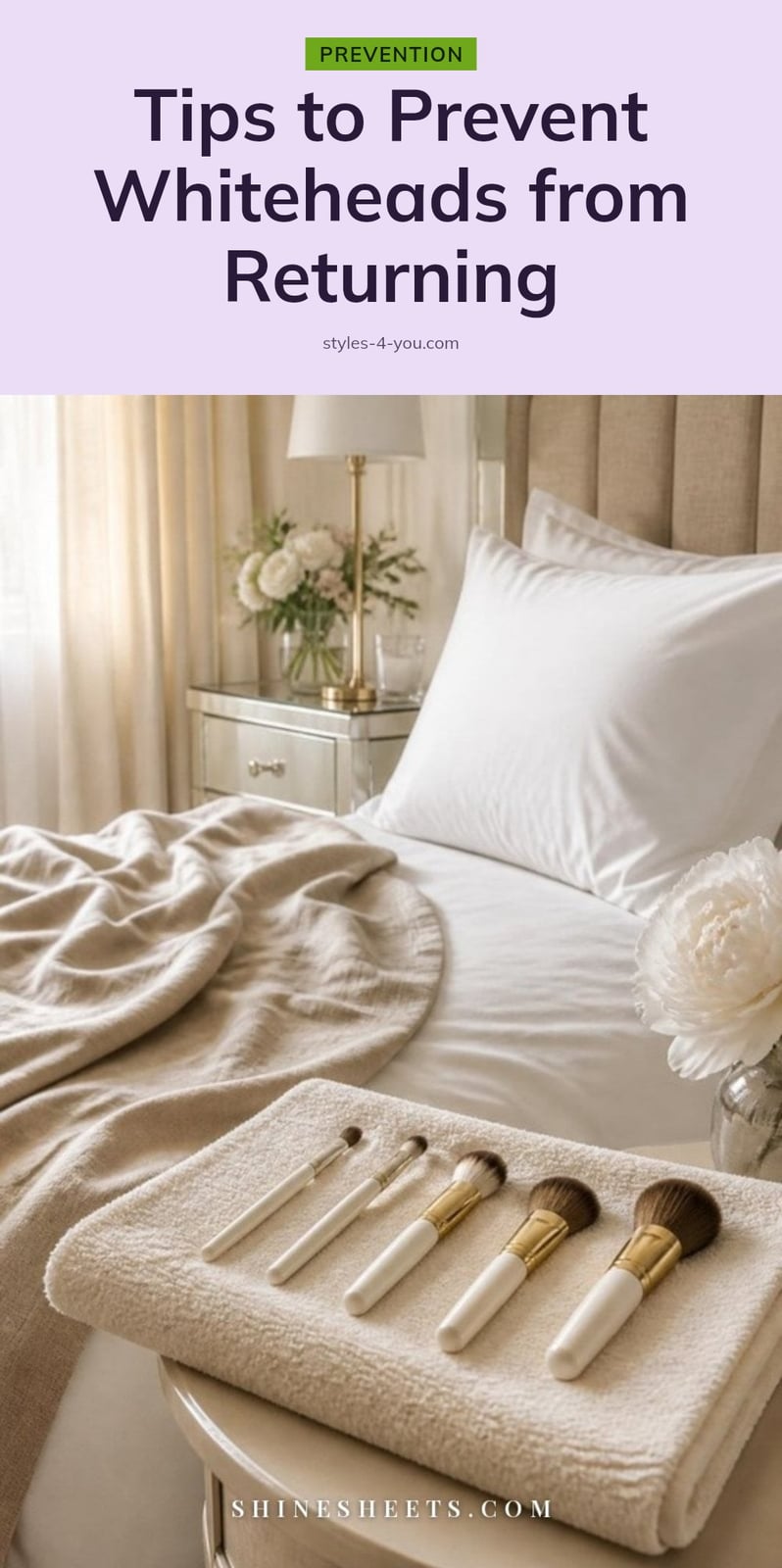
Prevention is where you win the long game. Here are my best tips beyond the daily routine.
- Use non-comedogenic makeup and skincare. Check labels for terms like “oil-free” and “won’t clog pores.” This alone made a difference for me.
- Change pillowcases frequently. I swap mine every 2-3 days. Oil and bacteria build up fast, and your face presses into that for hours.
- Clean makeup brushes regularly. Dirty brushes spread bacteria and old product onto your skin. Wash them weekly with a gentle soap.
- Avoid leaving makeup on overnight. Sleeping in makeup traps oil and dead skin cells against your pores. A quick cleanse before bed prevents that.
- Manage stress levels. Stress can increase cortisol, which may boost oil production. Even a 5-minute walk or deep breathing helps.
What to Expect: Timeline and Cost for Whitehead Treatment
With consistent treatment, you can often see results within a few weeks to a month. Whiteheads are stubborn, so don’t expect overnight changes. Ongoing prevention is what keeps them from coming back.
Home remedies and over-the-counter products are generally affordable. A tube of salicylic acid gel or a clay mask costs much less than a single dermatologist visit. Professional treatments, like chemical peels or prescription topicals, are a higher investment but may be worth it for persistent cases.
When to See a Professional for Persistent Whiteheads
If your whiteheads are persistent, painful, or accompanied by cysts or nodules, it is time to see a dermatologist. DIY methods can only do so much, and a professional can prescribe stronger treatments or diagnose underlying issues.
Also seek help if any home remedy causes severe redness, itching, or burning. A dermatologist can guide you to a routine that works without damaging your skin.
Frequently Asked Questions
What is the difference between a whitehead and a blackhead?
A whitehead is a closed comedone, meaning the pore opening is completely blocked, so the trapped oil and dead skin stay white or flesh-colored. A blackhead is an open comedone, where the pore is open to air, and the material oxidizes and turns dark. The key difference is whether the pore is open or closed.
Can diet cause whiteheads?
Diet may play a role for some people, but it’s not a direct cause for everyone. Some research suggests that high-glycemic foods and dairy might worsen acne in certain individuals. If you notice a pattern, you could try adjusting your diet, but it’s not a guaranteed fix. Focus on a consistent skincare routine first.
How long does it take for whiteheads to go away with treatment?
With consistent treatment, you can often see results within a few weeks to a month. Whiteheads are stubborn, so don’t expect overnight changes. Ongoing prevention is key to keeping them from coming back. If you don’t see improvement after a month, consider seeing a dermatologist.
Is it okay to use multiple active ingredients at once for whiteheads?
Using too many active ingredients at once can overwhelm your skin and cause irritation. It’s better to start with one, like salicylic acid, and see how your skin responds. If you want to add another, like benzoyl peroxide, do it gradually and monitor for redness or dryness. Always patch test new products.
Can stress cause whiteheads?
Stress can contribute to whiteheads indirectly. When you’re stressed, your body produces more hormones like cortisol, which can increase oil production and lead to clogged pores. Managing stress through relaxation techniques, exercise, or adequate sleep may help reduce breakouts, but it’s not a cure-all.
Final Thoughts
My best advice is to build a simple, consistent routine: cleanse gently, exfoliate with salicylic acid a few times a week, and always moisturize with a non-comedogenic product. Stick with it for at least a month, since whiteheads take time to clear. You won’t see overnight results, but with patience and prevention, you can keep your skin smoother and reduce future breakouts.
Remember, if things get worse or you notice painful cysts, don’t hesitate to reach out to a dermatologist. They can offer stronger options that are safe for your skin type.
This article is for general information only and is not medical advice. If you have persistent, painful, or severe whiteheads, or if any product causes severe irritation, consult a dermatologist or healthcare professional. Always patch test new remedies and follow product instructions.
More Blog ideas
- Your Essential Guide to a Healthy Feminine Hygiene Routine
- Best High Protein Foods to Eat Daily for Health and Energy
- Feeling Stuck: 12 Small Steps to Get Unstuck
- Winter Skin Survival Tips
- How to Get a Flat Stomach
- How to Fix Damaged Hair and Restore Its Health
- Full-Body Kettlebell Workout
- Dry Scalp vs. Dandruff
- Full Body Workout for Beginners
- 21 Easy Beauty Tips Every Woman Should Know
- Feminine Energy: 15 Daily Habits to Feel More Radiant
- Upper Body Workout for Women at Home