How to Start Running: 10 Tips for Absolute Beginners
Ready to start running? Get 10 essential tips for absolute beginners, covering everything from gear to avoiding injury, for a safe and effective start.


Starting to run can feel like a big step, but it doesn’t have to be overwhelming. The secret is to begin slowly, mix in walking, and stay consistent. This article walks you through the essential tips for absolute beginners, from choosing the right shoes to setting realistic goals, so you can build a safe and enjoyable running habit.
Key Takeaways
- Start with a run/walk program, like 1 minute running and 2 minutes walking.
- Increase weekly mileage by no more than 10% to avoid injury.
- Replace running shoes every 300-500 miles or 3-6 months.
- Always warm up and cool down for 5-10 minutes each.
- Listen to your body and take rest days when needed.
Ready to Hit the Ground Running?
Starting a running routine is about building endurance and strength gradually to prevent injury and keep you motivated. Focus on a run/walk program, get proper gear, and always listen to your body. Consistency matters more than speed or distance in the beginning. Take it slow, and you will build a habit that lasts.
1. Get the Right Shoes

Investing in proper running shoes is crucial for comfort and injury prevention. Visit a specialty running store to get fitted by an expert who can analyze your gait and recommend shoes for your foot type and running style.
My tip: Don’t just go for looks. The right support makes all the difference.
Replace your running shoes every 300-500 miles, or every 3-6 months depending on usage, as cushioning and support wear down over time.
2. Start with a Run/Walk Program

Beginners should always start with a run/walk program to build endurance safely and prevent burnout. Alternate between periods of running and walking, gradually increasing your running intervals as you get fitter. For example, start with 1 minute of running followed by 2 minutes of walking, repeating for 20-30 minutes.
My tip: Consistency is key. Aim for 3-4 sessions a week rather than trying to do too much at once.
3. Warm Up and Cool Down
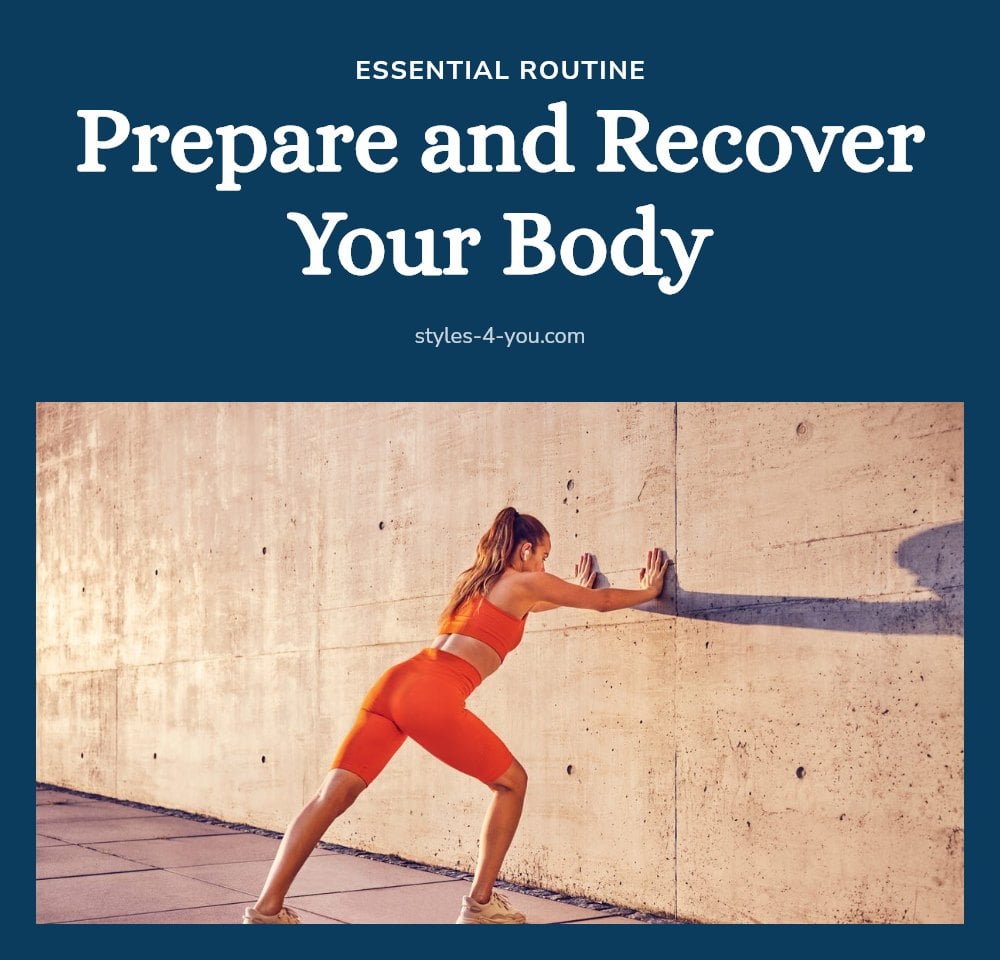
Never skip your warm-up and cool-down. A proper warm-up prepares your muscles for activity, while a cool-down aids recovery. Before your run, do 5-10 minutes of light cardio (like brisk walking) and dynamic stretches (leg swings, arm circles). After your run, spend 5-10 minutes walking and then do static stretches, holding each for 20-30 seconds (hamstring stretch, quad stretch).
Tip: Think of it as bookends for your workout, just as important as the run itself.
4. Increase Mileage Gradually
To avoid overuse injuries, increase your weekly mileage by no more than 10%. This 10% rule is a golden standard for runners. If you ran 10 miles this week, aim for no more than 11 miles next week. This allows your body to adapt progressively to the added stress.
Good to know: Patience is a virtue in running. Slow and steady wins the race, especially when you’re just starting out. Track your weekly miles so you can calculate the increase accurately, and resist the urge to add extra distance just because you feel good that day.
5. Focus on Form and Posture

Good running posture can significantly improve efficiency and reduce the risk of injury. Keep your shoulders relaxed and back, looking forward, not down. Maintain a slight forward lean from your ankles, not your waist, so your body stays aligned.
Your arms should swing naturally at your sides, bent at a 90-degree angle, and avoid crossing them over your body. This helps you maintain balance and momentum without wasting energy.
My tip: Imagine a string pulling you up from the crown of your head, that’s the feeling you’re going for. It keeps your spine tall and your stride smooth.
6. Stay Hydrated

Hydration is crucial for runners, especially before, during, and after runs, and even more so in warmer weather. Drink water throughout the day, not just when you’re about to run. Aim for clear urine as an indicator of good hydration.
Pro move: Carry a water bottle on longer runs, or plan routes with water fountains. Don’t wait until you’re thirsty!
7. Listen to Your Body and Rest
One of the most important lessons for new runners is to listen to your body. Normal muscle soreness after a run is expected, but sharp or persistent pain is a signal to stop and rest. If discomfort feels like more than a mild ache, take a break.
Rest days are just as important as running days. They give your muscles time to recover and help prevent burnout, so don’t feel guilty for taking them. Quick tip: If something hurts more than a mild ache, stop. Pushing through pain often leads to injury.
8. Consider Cross-Training
Cross-training means adding activities like cycling, swimming, or yoga to your weekly routine. These build overall fitness and strength without the repeated impact of running, which can help protect your joints while still improving your cardiovascular health.
Stronger supporting muscles from cross-training can reduce your risk of running-specific injuries, since your body handles the load more evenly. For example, cycling builds leg strength with less pounding, and yoga improves flexibility and core stability.
Tip: Add a couple of cross-training sessions a week, especially on rest days. You will come back to running feeling fresher and more balanced.
9. Set Realistic Goals and Stay Motivated
Set achievable goals, like completing a 5K race or running for 30 minutes straight, and you will have a clear target to work toward. Small milestones along the way keep motivation high, so celebrate each one, whether it is running a new distance or finishing a week without skipping a session.
Running with a friend or joining a local running group adds accountability and makes the miles more enjoyable. Good to know: focus on your own progress, not on how fast or far others go. Every run you complete is a step forward, and that is worth owning.
Common Running Mistakes to Avoid
Even with the best intentions, new runners often trip over the same hurdles. Here are the most common mistakes and how to steer clear of them.
- Doing Too Much Too Soon: Rapidly increasing mileage or intensity is a common pitfall that often leads to injury. Stick to the 10% rule for weekly mileage increases, and let your body adapt gradually.
- Skipping Warm-ups and Cool-downs: Neglecting these crucial steps increases the risk of muscle strain and reduces flexibility. Always dedicate time to prepare and recover, even on busy days.
- Ignoring Pain Signals: Pushing through sharp or persistent pain can turn a minor issue into a serious injury. Differentiate between muscle soreness and actual pain, and rest when needed.
- Running in Worn-Out Shoes: Old shoes lack proper cushioning and support, which can cause discomfort and lead to various foot, knee, and hip problems. Replace them regularly, roughly every 300-500 miles.
- Poor Hydration: Not drinking enough water, especially during longer runs or in hot weather, can lead to dehydration and fatigue. Hydrate consistently throughout the day, not just when you’re thirsty.
Frequently Asked Questions
How long should a beginner run?
For a beginner, a run/walk session of about 20 to 30 minutes total is a good starting point. You can alternate between running and walking, such as 1 minute of running and 2 minutes of walking, and gradually increase the running intervals as you get fitter. The key is to focus on time on your feet rather than distance.
Can I run every day as a beginner?
It’s generally not recommended to run every day when you’re just starting out. Your body needs rest days to recover and adapt, which helps prevent injury and burnout. Aim for three to four running days per week, and consider cross-training on other days to build fitness without the repeated impact.
What should I eat before running?
Eating a light snack about 30 to 60 minutes before a run can help fuel your workout. Opt for something easily digestible, like a banana, a slice of toast with peanut butter, or a small yogurt. Avoid heavy, high-fat meals right before running, as they can cause discomfort. Hydration is also important, so drink water beforehand.
Is walking as good as running for beginners?
Walking is an excellent low-impact activity and a great way to build a fitness base. For beginners, a run/walk program that includes walking intervals is often more sustainable than running alone. Walking helps you build endurance while reducing the risk of injury, and it can be just as effective for improving cardiovascular health when done regularly.
How do I prevent side stitches while running?
Side stitches are common in beginners, but you can reduce them by warming up properly, maintaining good posture, and breathing rhythmically. Avoid eating a large meal right before running, and stay hydrated. If you feel a stitch, slow down, take deep breaths, and press on the area until it eases.
Final Thoughts
If you’re new to running, the best approach is to keep it simple: start with a run/walk plan, invest in good shoes, and prioritize consistency over speed. Aim to run three to four times a week, and you can expect to see improvements in your cardiovascular fitness within a few weeks, with more noticeable endurance gains over several months. Remember, every runner starts somewhere, so be patient with yourself and enjoy the journey.
This article provides general information for educational purposes and is not a substitute for professional medical advice. Before starting any new exercise program, especially if you have pre-existing health conditions, consult your doctor. If you experience sharp pain, dizziness, or chest discomfort while running, stop immediately and seek medical attention.
More Blog ideas
- Your Essential Guide to a Healthy Feminine Hygiene Routine
- Best High Protein Foods to Eat Daily for Health and Energy
- Feeling Stuck: 12 Small Steps to Get Unstuck
- Winter Skin Survival Tips
- How to Get a Flat Stomach
- How to Fix Damaged Hair and Restore Its Health
- Full-Body Kettlebell Workout
- Dry Scalp vs. Dandruff
- Full Body Workout for Beginners
- 21 Easy Beauty Tips Every Woman Should Know
- Feminine Energy: 15 Daily Habits to Feel More Radiant
- Upper Body Workout for Women at Home






