Safe and Effective Teeth Whitening Methods You Can Try at Home
Explore safe natural teeth whitening methods to brighten your smile. Learn what to try, common mistakes to avoid, and when professional help is best.


You want a brighter smile without harsh chemicals or expensive treatments. I get it. I’ve looked into every natural option out there. The truth is, at-home methods can help lift surface stains from coffee, tea, and wine, but they won’t change your teeth’s natural color. This article covers gentle, effective techniques you can try, what to avoid, and when to call your dentist.
Key Takeaways
- Natural methods mainly remove surface stains, not change intrinsic tooth color.
- Baking soda paste used occasionally can gently polish away discoloration.
- Avoid acidic substances like lemon juice or undiluted apple cider vinegar.
- Results from natural whitening are subtle and may take weeks to months.
- Always consult your dentist before starting any whitening regimen.
Can You Really Whiten Your Teeth Naturally?
Yes, you can brighten your smile naturally, but with a big caveat: these methods mainly remove surface stains, not change the natural color of your teeth. Some remedies, like baking soda, have mild abrasive properties that can help polish away discoloration, while others, like oil pulling, lack scientific evidence. Always prioritize safety, and consult your dentist before trying anything, especially if you have existing dental concerns.
Why Teeth Get Stained and Discolored
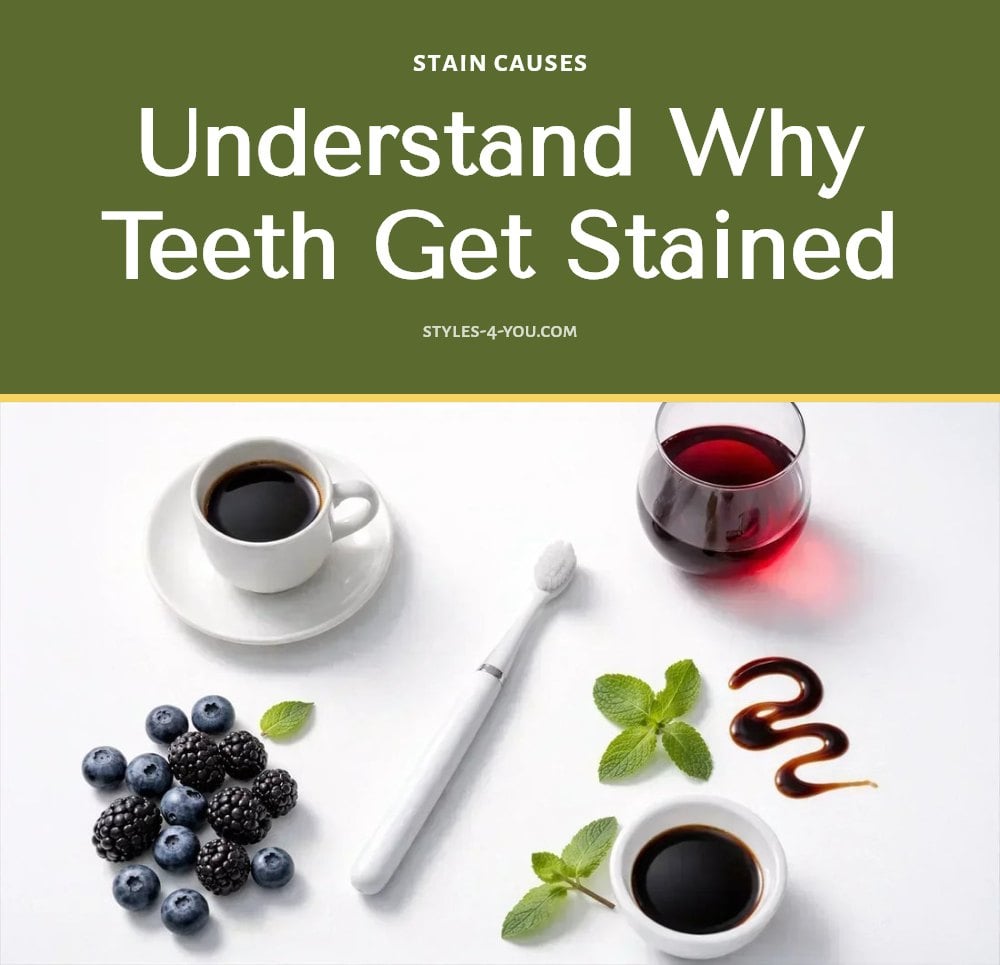
To understand how to whiten your teeth, it helps to know why they get stained in the first place. Tooth discoloration falls into two categories: extrinsic and intrinsic.
Extrinsic stains
- These are surface stains on the enamel, the outer layer of your teeth.
- Common culprits include coffee, tea, red wine, and berries.
- Natural whitening methods are most effective on these types of stains.
Intrinsic stains
- These occur within the tooth structure itself, often due to aging, trauma, or certain medications.
- They are much harder to address with at-home remedies.
Knowing the difference helps set realistic expectations. If your stains are mostly from your daily cup of joe, natural methods may help. If they’re deeper, you might need to talk to your dentist.
Gentle Natural Methods to Brighten Your Smile
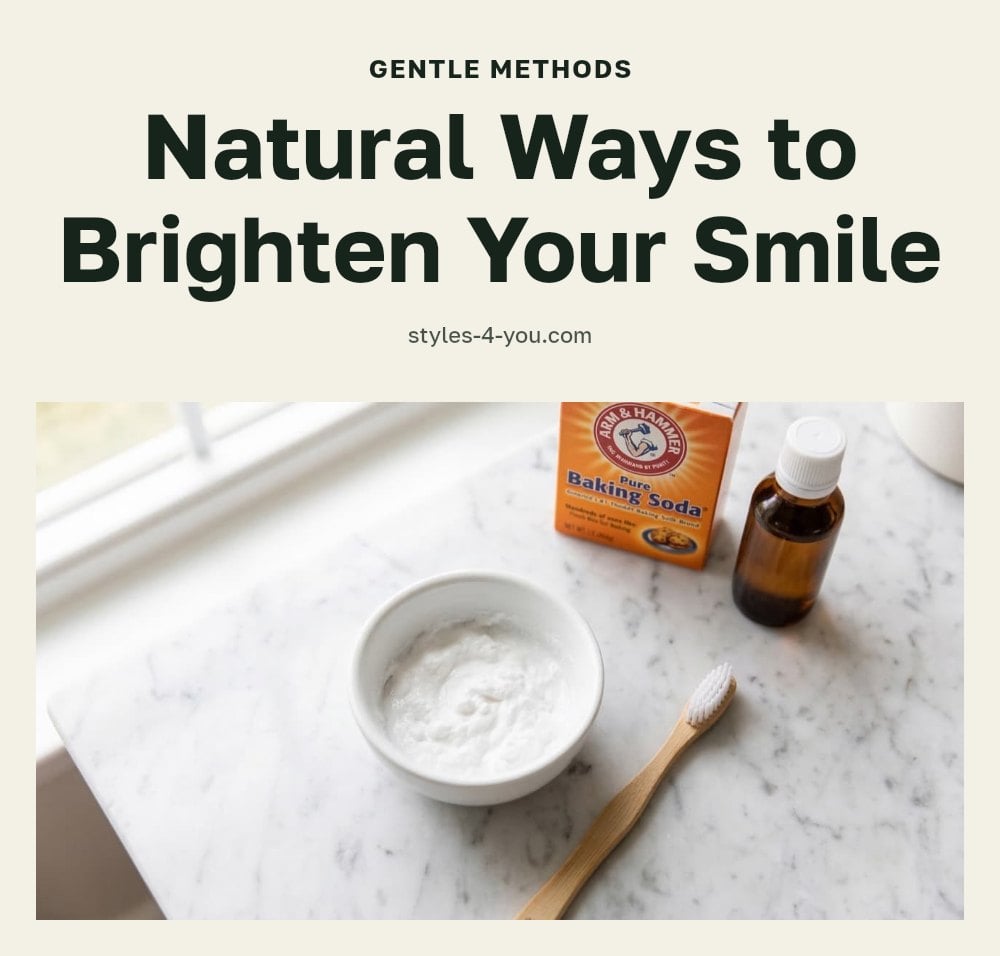
Here are a few gentle, natural approaches you can try at home. Remember, results are subtle and may take weeks to months to appear.
Baking soda paste
Mix a small amount of baking soda with water to form a paste. Apply it to your toothbrush and brush gently for 2 minutes, no more than once or twice a week. Baking soda is a mild abrasive that helps scrub away surface stains.
Caution: Overuse can wear down enamel, so keep it occasional and always use a soft-bristled brush.
Diluted hydrogen peroxide rinse
Hydrogen peroxide is a common whitening ingredient, but at-home concentrations can be tricky. If you choose to use it, dilute it with equal parts water. Swish for 30 seconds, then rinse thoroughly with water. Do not swallow.
Caution: Too strong a solution can irritate your gums and increase tooth sensitivity. Many experts recommend skipping this at home and opting for professional products instead.
Crunchy fruits and vegetables
Apples, carrots, and celery act like natural scrubbers. Their fibrous texture helps remove surface stains as you chew. They also stimulate saliva production, which neutralizes acids in your mouth.
My tip: Keep a bag of baby carrots or apple slices at your desk. They’re a healthy snack and a gentle way to polish your teeth after meals.
Common Natural Whitening Mistakes to Avoid
Some popular DIY whitening tricks can do more harm than good. Avoid these common mistakes.
- Using highly acidic substances: Lemon juice and undiluted apple cider vinegar are acidic and can erode tooth enamel, making teeth more prone to staining and sensitivity. Never apply them directly to your teeth.
- Over-abrasive cleaning: Activated charcoal is trendy, but it’s very abrasive. Frequent or aggressive use can wear down enamel, exposing the yellower dentin layer underneath.
- Ignoring sensitivity: If you feel pain, increased sensitivity, or gum irritation from any method, stop immediately. Continuing can cause permanent damage.
- Expecting dramatic changes: Natural methods are subtle and temporary. They won’t give you a Hollywood-white smile, and that’s okay. If you want more noticeable results, talk to your dentist.
Preventing New Stains for a Lasting Bright Smile
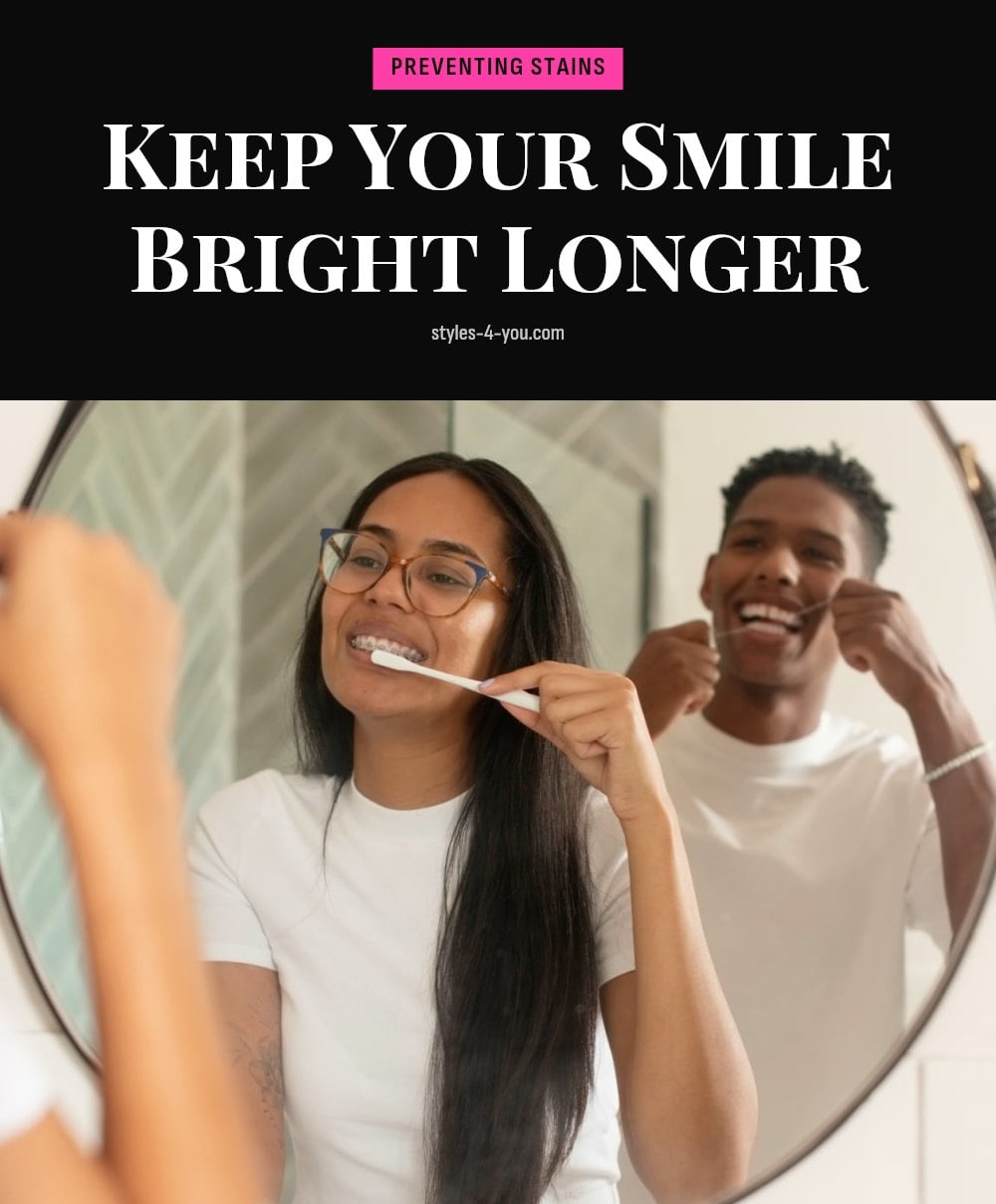
Once you’ve brightened your smile, keeping it that way comes down to daily habits. Brush twice a day with a fluoride toothpaste and floss once daily to remove plaque and food particles before they cause new stains. After drinking coffee, tea, red wine, or eating berries, rinse your mouth with water to wash away pigments before they settle. If you can, use a straw for staining drinks to minimize contact with your front teeth. Regular dental cleanings every six months remove hardened plaque and surface stains that brushing alone misses, so don’t skip them.
When to Consult Your Dentist About Whitening
Natural methods are not a substitute for professional care. See your dentist before starting any whitening routine, especially if you have sensitive teeth, gum disease, cavities, or exposed roots. If you’ve tried gentle natural methods for several weeks without seeing the results you want, a dentist can recommend a safe, effective option. Intrinsic stains that come from inside the tooth won’t respond to surface treatments, so professional evaluation is your best next step.
Frequently Asked Questions
How long does it take to see results from natural whitening?
Results are subtle and typically take several weeks to a few months of consistent use. You may notice a slight brightening of surface stains after a few weeks, but dramatic changes are unlikely. Patience and regular application are key, and the effects are often temporary.
Can natural whitening damage my teeth?
Yes, some natural methods can harm your teeth if used incorrectly. Acidic ingredients like apple cider vinegar can erode enamel, and abrasive materials like activated charcoal can wear it down over time. This can lead to increased sensitivity, cavities, and permanent damage. Always use gentle methods and stop if you feel pain or irritation.
Is activated charcoal safe for teeth whitening?
Activated charcoal is abrasive and can wear down tooth enamel if used too frequently or aggressively. While it may absorb some surface stains, the risk of enamel erosion often outweighs the benefit. My tip: if you try it, limit use to once a week and brush gently. For a safer option, stick with baking soda paste.
What foods should I avoid to prevent tooth stains?
Common culprits include coffee, tea, red wine, berries, and dark sauces. These contain pigments that stick to enamel and cause surface stains over time. Rinsing your mouth with water after consuming them can help reduce staining. Good oral hygiene, brushing twice daily and flossing, is your best defense.
When should I consider professional teeth whitening?
If you have significant discoloration, sensitive teeth, gum disease, cavities, or exposed roots, see your dentist before trying any whitening method. Professional treatments use higher concentrations of active ingredients under controlled conditions, making them safer and more effective for deep or intrinsic stains. Natural methods won’t give you the results you want in those cases.
Final Thoughts
For a safe, noticeable difference, stick with gentle methods like baking soda paste used once or twice a week, and pair them with solid daily habits, brushing with fluoride toothpaste, flossing, and rinsing after staining foods. Realistic expectation: you’ll see subtle brightening over several weeks, not an instant transformation. If your stains are deeper or you have sensitive teeth, skip the DIY and book a dentist visit. They have tools that actually work without risking your enamel.
This article is for informational purposes only and does not constitute medical or dental advice. Teeth whitening results vary, and some methods may cause enamel damage or sensitivity. Always consult a dentist before starting any whitening regimen, especially if you have existing dental conditions or concerns.
More Blog ideas
- Your Essential Guide to a Healthy Feminine Hygiene Routine
- Best High Protein Foods to Eat Daily for Health and Energy
- Feeling Stuck: 12 Small Steps to Get Unstuck
- Winter Skin Survival Tips
- How to Get a Flat Stomach
- How to Fix Damaged Hair and Restore Its Health
- Full-Body Kettlebell Workout
- Dry Scalp vs. Dandruff
- Full Body Workout for Beginners
- 21 Easy Beauty Tips Every Woman Should Know
- Feminine Energy: 15 Daily Habits to Feel More Radiant
- Upper Body Workout for Women at Home






