Self-Awareness: 10 Simple Practices to Know Yourself Better
Unlock deeper self-understanding with these 10 simple self-awareness practices. Learn to recognize your emotions, values, and strengths.

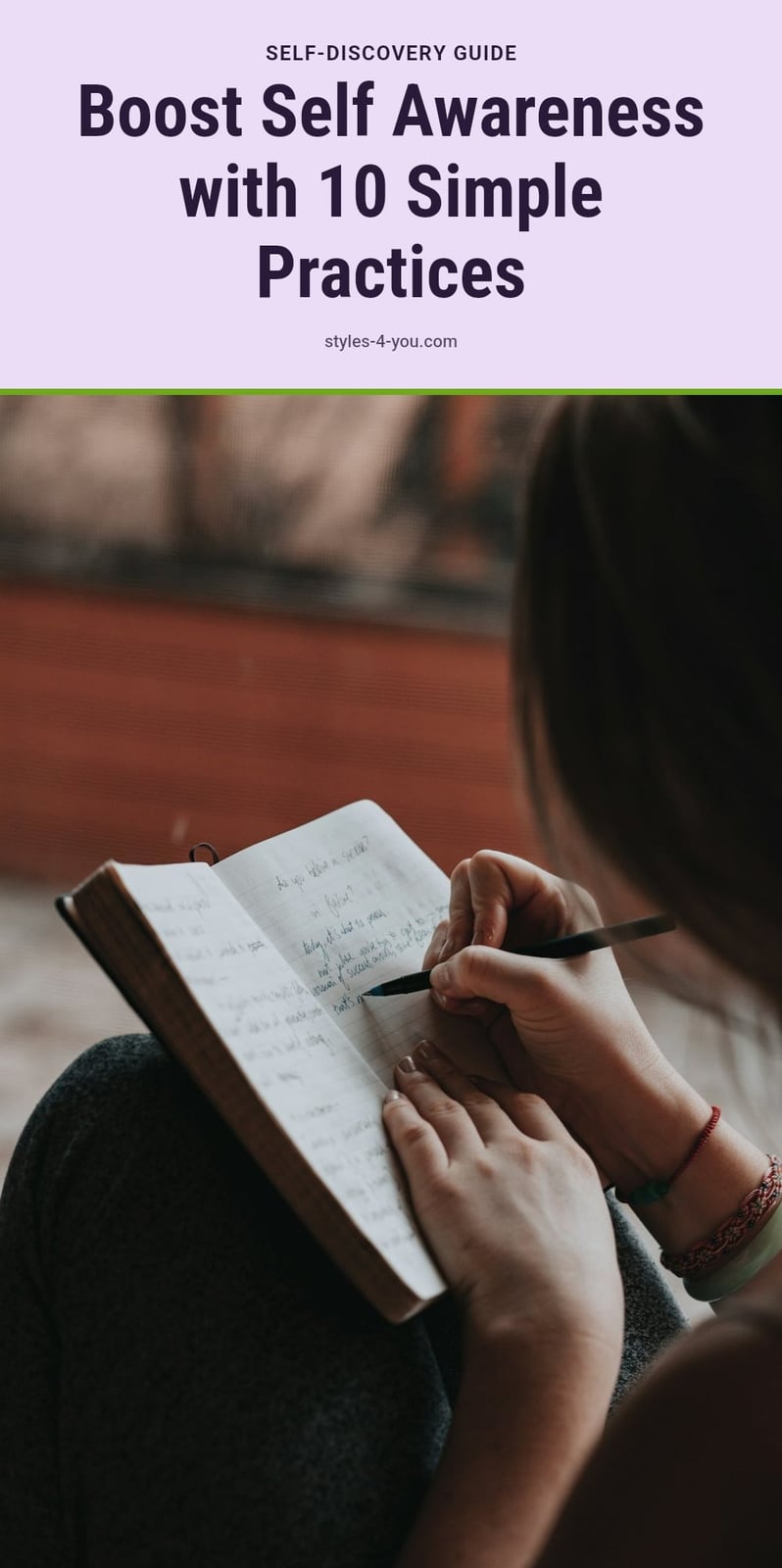
You might already have a sense of what makes you tick, but truly knowing yourself is a skill you can build intentionally. This article walks through ten simple practices that help you understand your emotions, values, strengths, and blind spots, so you can make choices that feel more authentic and less reactive.
Key Takeaways
- Practice daily reflection for just a few minutes to notice patterns in your thoughts and reactions.
- Keep a thought journal to explore feelings and identify emotional triggers without judgment.
- Identify your core values and check if your daily actions align with them.
- Seek constructive feedback from trusted people to understand how others see you.
- Reflect on past experiences, both successes and failures, to reveal lessons and repeating patterns.
What is Self-Awareness and Why Does It Matter?
Self-awareness is the ability to understand your own emotions, strengths, weaknesses, values, and motivations. It’s a foundational skill for personal development, effective communication, and making choices aligned with your true self. Cultivating self-awareness involves introspection, reflection, and paying attention to how you react to different situations and people. This ongoing practice helps you navigate life with greater clarity and intention.
1. Practice Daily Reflection

Set aside a few minutes each day to reflect on your thoughts, feelings, and experiences. Ask yourself questions like ‘What went well today?’ or ‘What challenged me?’ to gain insights. This consistent practice helps you notice patterns and understand your reactions better.
- Choose a consistent time, such as before bed or during your morning coffee.
- Keep it short; even 5 minutes counts.
- Write down your answers if you can, but verbal reflection works too.
2. Keep a Thought Journal
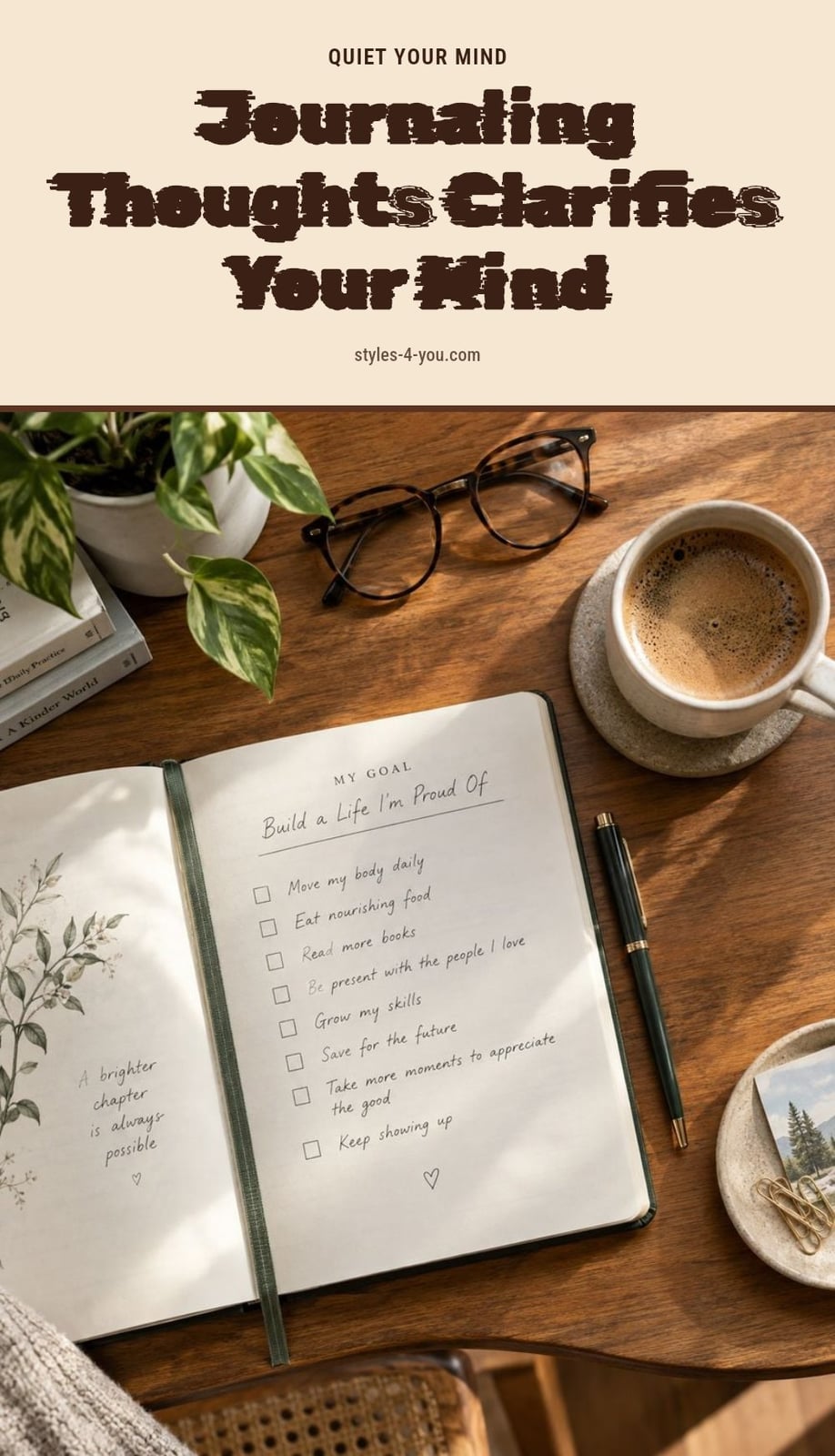
Journaling is a common and effective method for exploring thoughts, feelings, and patterns of behavior. Write freely without judgment; this helps you externalize and process your internal world. Over time, your journal becomes a record of your growth and a tool for identifying triggers.
- Use a simple notebook or a digital app; whatever feels comfortable.
- Try a prompt like ‘Today I felt… because…’ to get started.
- Re-read old entries monthly to spot recurring themes.
3. Identify Your Core Values
Understanding your core values helps in making decisions that are authentic to you. List what truly matters to you, such as honesty, creativity, or family, and assess if your actions align with them. When your actions align with your values, you experience greater fulfillment and inner peace.
- Brainstorm a list of 10 values, then narrow it down to your top 5.
- For each value, write one way you already honor it and one way you could honor it more.
- Revisit your list when facing a tough choice.
4. Observe Emotional Triggers
Start noticing the situations, words, or people that consistently spark a strong emotional reaction in you. That reaction is your trigger, and recognizing it is a key part of self-awareness.
When you feel that surge, pause and name the emotion without judging it. Just observe what happened and how your body responded. This simple act of observation, rather than judgment, gives you the space to choose a more constructive response next time instead of reacting on autopilot.
5. Practice Mindfulness Meditation
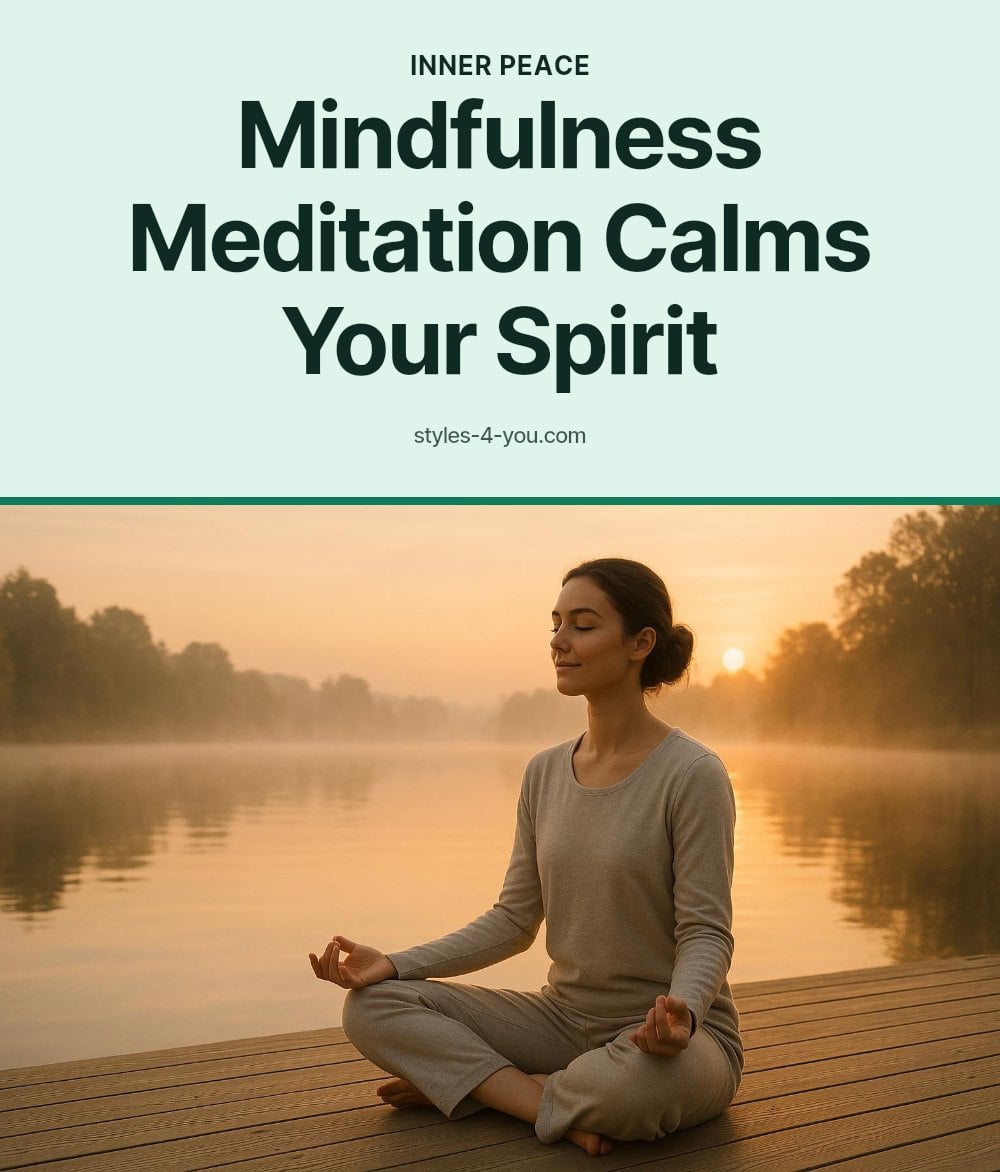
Mindfulness meditation trains your attention to stay with the present moment, which directly sharpens self-awareness. Even a few minutes a day can help you become more attuned to your thoughts, feelings, and bodily sensations as they arise.
My tip: Start with a free app or a guided meditation. Sit comfortably, focus on your breath, and when your mind wanders, gently bring it back. That simple return to the breath is the practice, and it builds the muscle of noticing without getting caught up.
6. Seek Constructive Feedback
Ask trusted friends, family, or colleagues for feedback to gain external self-awareness, which is how others see you. Use open-ended questions like “What’s one thing I could do better?” or “How do I come across in meetings?”
Listen without getting defensive. Remember that feedback is a gift, even when it’s hard to hear. Filter it through your own understanding and intuition, because feedback can be biased, and you know yourself best.
7. Understand Your Strengths
Look back at your past successes and identify the skills and qualities that made them possible. Those are your strengths, and understanding them lets you use them more deliberately in your work, relationships, and personal projects.
Once you know your strengths, actively seek opportunities to apply them. Using what you’re good at boosts your confidence and often increases job satisfaction, because you’re operating in your zone of natural ability.
8. Acknowledge Your Weaknesses
Naming what you are not good at takes courage, but it is the first step toward real growth. This is not about beating yourself up. It is an honest look at the areas where you can develop, like public speaking, patience, or follow-through.
Once you spot a weakness, you can act on it. Create a small plan, such as practicing one skill for ten minutes a day, or find a way to manage it, like delegating tasks that drain you. Many people find that acknowledging a weakness removes its power and turns it into a project.
Tip: Pick one weakness you already know about and write down one tiny action you can take this week. That is enough to start.
9. Pay Attention to Body Signals
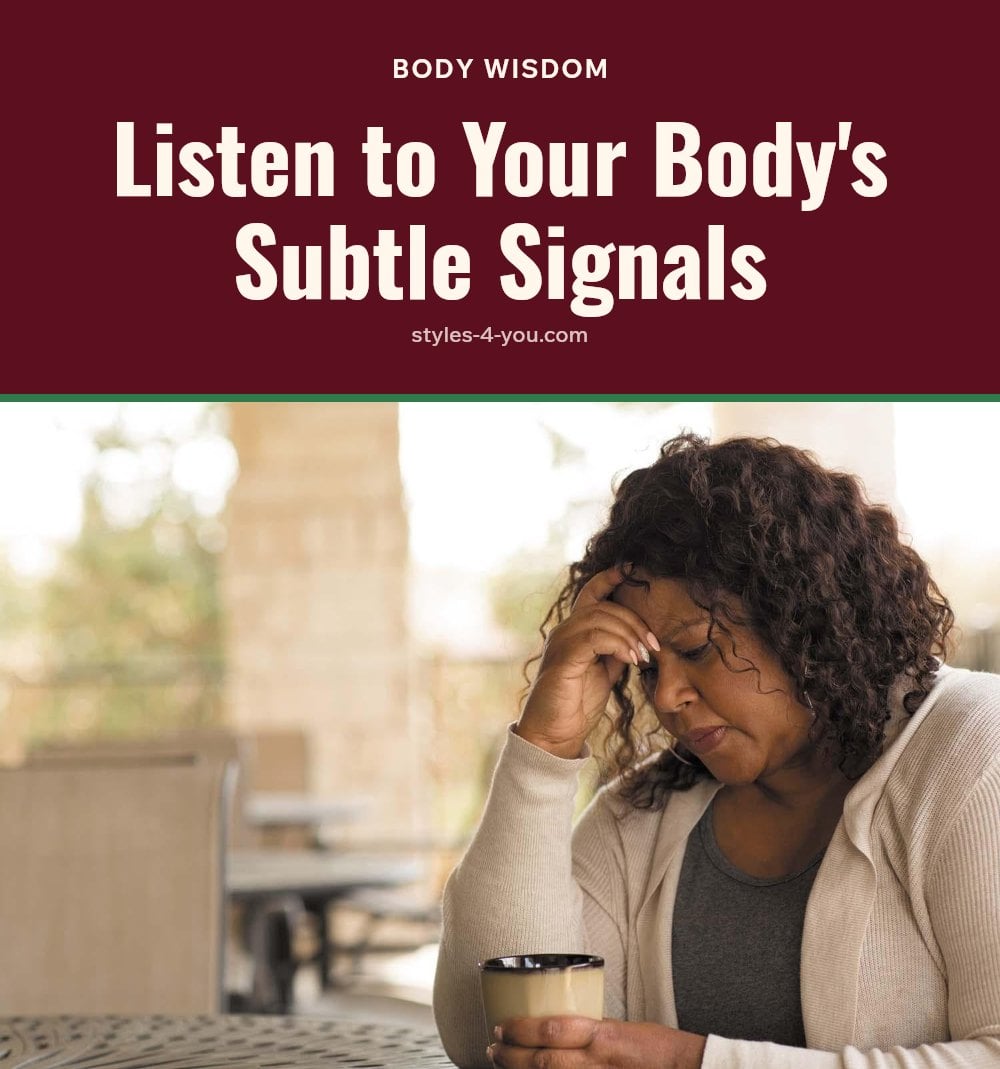
Your body often registers stress, excitement, or unease before your conscious mind catches up. Notice physical sensations like a tight jaw, shallow breathing, or that familiar “gut feeling” during conversations or decisions.
Start checking in with yourself a few times a day. Ask: Where do I feel tension right now? Am I tired, restless, or unusually warm? These cues can point to emotions you haven’t named yet.
My tip: When you notice a physical signal, pause and label the likely emotion behind it, like “I feel tense, so I might be anxious about this meeting.” Over time, this connection becomes faster and more accurate.
10. Reflect on Past Experiences
Look back at a difficult project or a failed relationship and ask what it taught you about how you handle stress or conflict. Successes work too: identify the choices and habits that led to a win, then repeat them deliberately.
This reflection reveals patterns, like a tendency to rush decisions or a strength for staying calm under pressure. Over time, you build a clear narrative of how you have grown, which makes current challenges feel more manageable and less personal.
Common Self-Awareness Pitfalls
One of the biggest traps is believing self-awareness is a destination you reach and then stop. It is a lifelong practice, so keep the daily reflection and journaling going even when you feel you have figured yourself out.
Another common mistake is confusing self-awareness with self-criticism. The goal is observation without judgment. When you notice a flaw, you do not need to spiral into shame; you just note it and decide what to do next.
Focusing only on your internal view while ignoring how others perceive you limits your growth and relationships. External feedback is part of the picture, even when it is hard to hear.
You also need to face uncomfortable truths. Avoiding the parts of yourself you do not like keeps you stuck. Growth happens outside your comfort zone.
Finally, do not expect others to tell you who you are. No one can do that internal work for you. It takes your own consistent effort.
Caution: If introspection brings up overwhelming sadness or anxiety that does not ease, consider talking to a mental health professional.
Frequently Asked Questions
How long does it take to become more self-aware?
Self-awareness is a lifelong process, not a quick fix. With consistent daily or weekly practices like journaling or reflection, many people begin noticing shifts in their understanding within weeks to months. The key is to keep going even after you feel you have learned something new.
Can self-awareness help with anxiety?
Becoming more aware of your thoughts and emotional triggers can help you recognize anxiety patterns earlier, which may make them feel more manageable. However, if introspection leads to overwhelming sadness or persistent anxiety, it is wise to seek support from a mental health professional rather than trying to manage it alone.
Is self-awareness the same as self-criticism?
No, they are very different. Self-awareness is about observing your thoughts, feelings, and behaviors without judgment, while self-criticism involves harshly judging yourself for them. A common pitfall is confusing the two, so focus on curiosity and acceptance rather than blame.
Do personality tests help with self-awareness?
Personality tests can be a useful starting point for self-exploration, but they should not be relied on exclusively. They offer a framework, but true self-awareness also comes from daily reflection, journaling, and feedback from people who know you well. Use tests as one tool among many.
What is the difference between internal and external self-awareness?
Internal self-awareness is how clearly you see your own values, passions, reactions, and impact on others. External self-awareness is understanding how others perceive you. Both matter: internal awareness helps you make authentic choices, while external awareness is key for empathy and effective communication.
Final Thoughts
Pick one practice from this list and commit to it for the next week, whether that is a five-minute daily reflection or jotting down three thoughts before bed. Expect small shifts at first, but over weeks you will start to notice patterns you missed before. Self-awareness is not a finish line, but the more you practice, the clearer your own inner compass becomes.
This article is for general informational purposes only and does not constitute medical or professional mental health advice. If self-reflection brings up persistent sadness, anxiety, or other concerns, please consult a qualified mental health professional.
More Blog ideas
- Your Essential Guide to a Healthy Feminine Hygiene Routine
- Best High Protein Foods to Eat Daily for Health and Energy
- Feeling Stuck: 12 Small Steps to Get Unstuck
- Winter Skin Survival Tips
- How to Get a Flat Stomach
- How to Fix Damaged Hair and Restore Its Health
- Full-Body Kettlebell Workout
- Dry Scalp vs. Dandruff
- Full Body Workout for Beginners
- 21 Easy Beauty Tips Every Woman Should Know
- Feminine Energy: 15 Daily Habits to Feel More Radiant
- Upper Body Workout for Women at Home






