Self-Care Ideas for a Bad Day: Simple Ways to Reset Your Mood
Feeling overwhelmed? Discover easy self-care ideas to quickly reset your mood and reduce stress, even on your toughest days. Find what works for you!

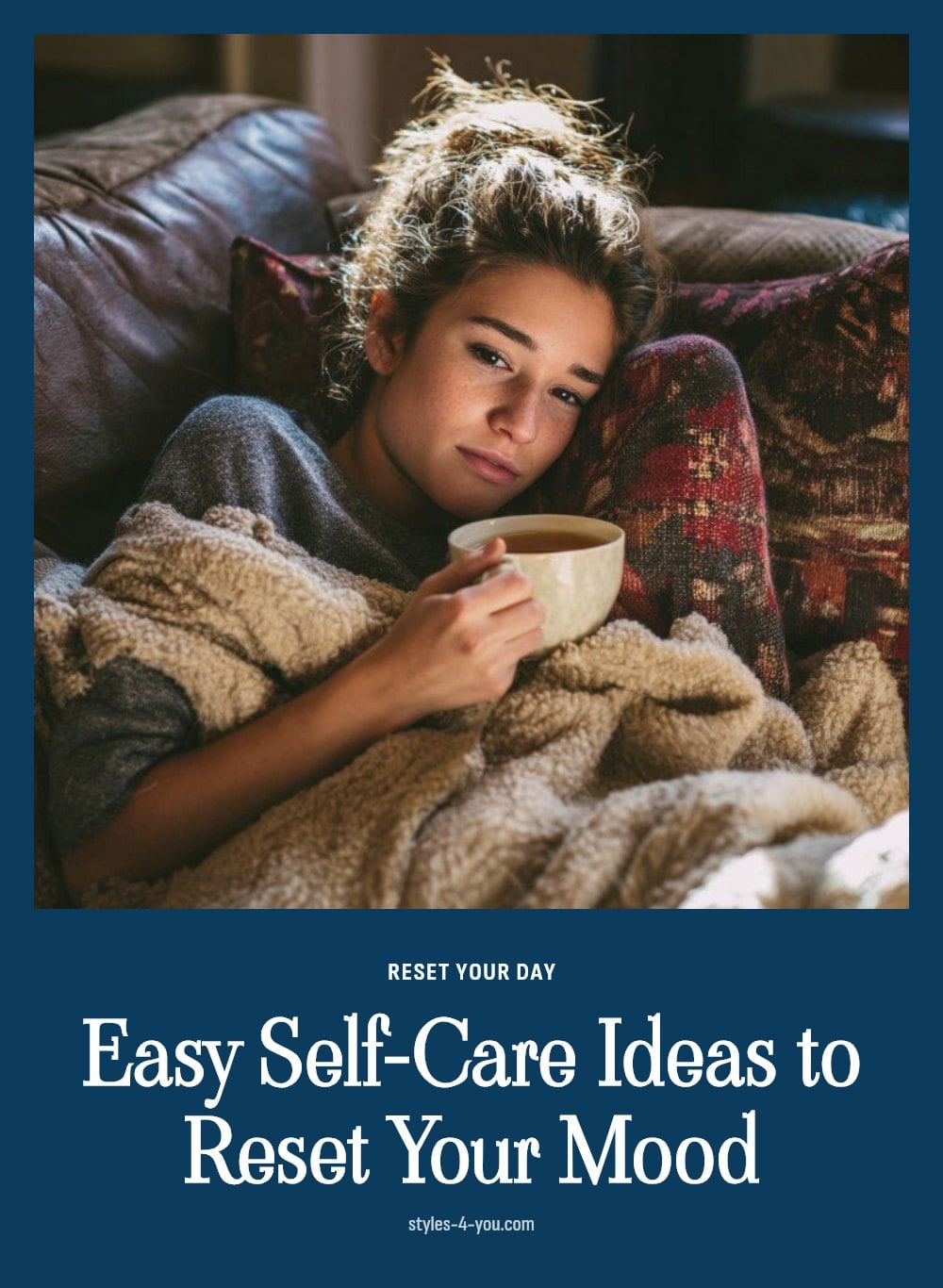
We all have those days when nothing seems to go right, and your mood takes a nosedive. On a bad day, the best thing you can do is give yourself permission to step back and reset with a simple act of self-care. This article covers easy, effective self-care ideas that can help lift your spirits and calm your mind, without requiring much time or money.
Think of these as small, intentional actions you can take right now to feel a little better. From a quick walk to a few minutes of journaling, these ideas are designed to fit into even the busiest day and help you reconnect with what you need.
Key Takeaways
- Self-care is essential for well-being, not a luxury, and helps prevent burnout.
- A 10-minute walk or quick stretch can release endorphins and reduce stress.
- Journaling or drawing gives emotions a healthy outlet without needing to be artistic.
- Hydrating and eating nutritious food directly impacts your energy and mental clarity.
- If negative feelings persist for weeks, talk to a mental health professional.
What Are the Best Self-Care Ideas for a Bad Day?
On a bad day, self-care means intentionally choosing small, accessible actions that help reset your mood and reduce stress. Focus on what genuinely makes you feel better, whether it’s a quick walk, listening to music, or a warm bath. These aren’t grand gestures, but simple, manageable actions that can make a significant difference in how you feel, preventing burnout and improving your overall well-being.
Quick Self-Care Ideas to Boost Your Mood
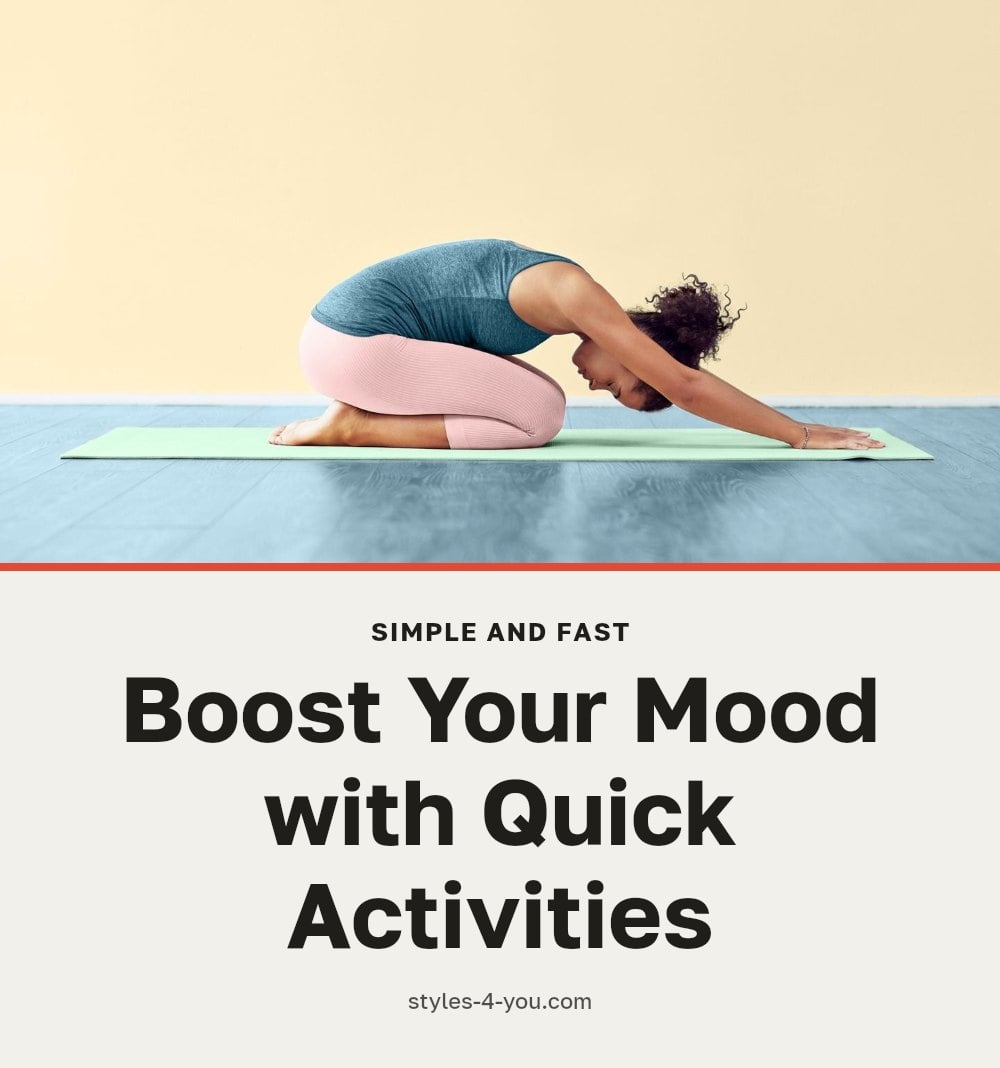
Quick mood boosters don’t need much time, just a little intention. Try one of these whenever you need a lift.
- Move your body: A 10-minute walk, a few stretches, or dancing in the kitchen can release endorphins and reduce stress. My tip: start with just five minutes; you can always do more.
- Practice mindfulness: Spend two minutes focusing on your breath or do a quick body scan. This calms the nervous system and pulls you back to the present.
- Step outside: Even a short time in nature lowers cortisol levels and improves mood. My tip: leave your phone inside and notice the sounds around you.
- Listen to calming music: Put on a playlist that soothes you, whether it’s classical, lo-fi, or ocean sounds. This can reduce anxiety and shift your energy.
- Take a warm bath or shower: The warmth relaxes muscles and promotes a sense of calm. Add Epsom salts if you have them.
- Connect with someone: A quick call or text with a friend or family member provides social support and combats isolation. Even a short chat can help.
Self-Care Activities for Mental and Emotional Reset
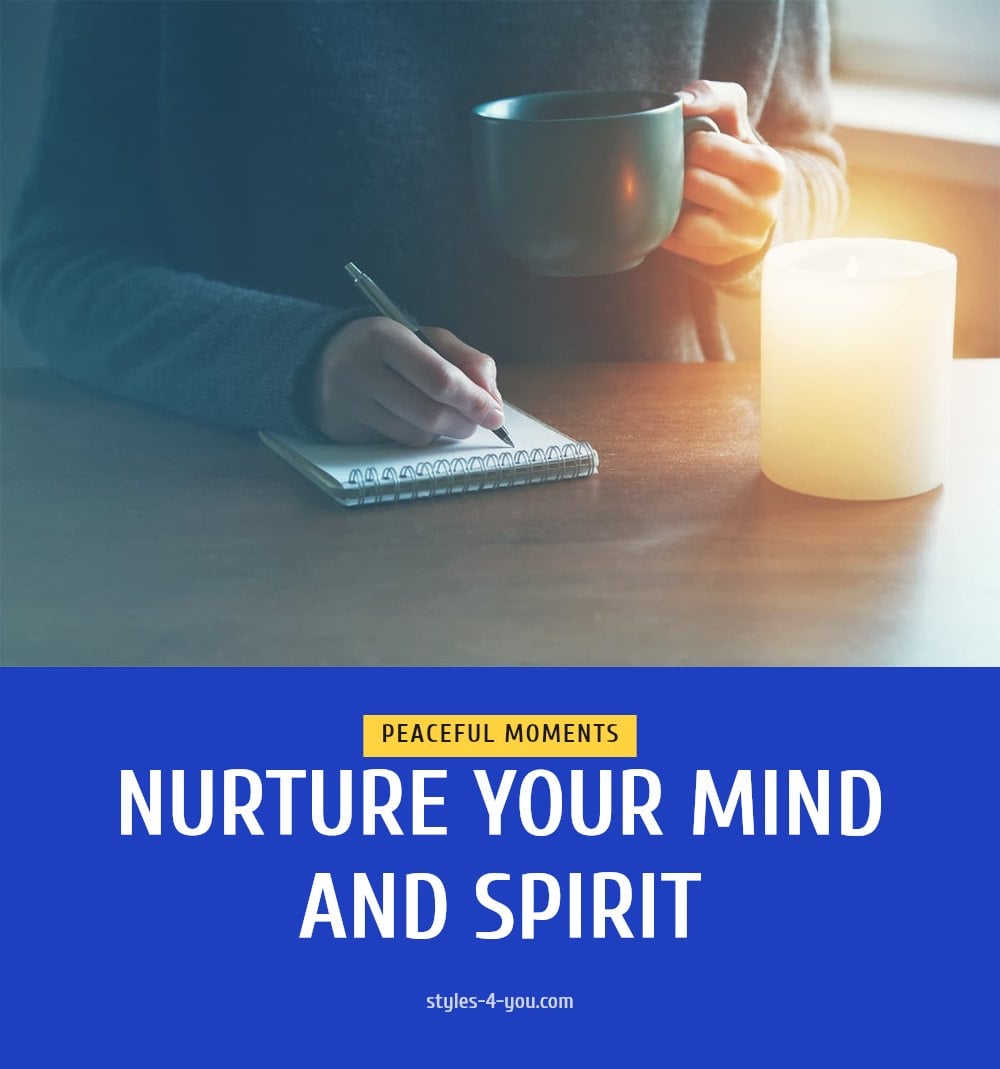
When your mind feels cluttered, these activities help you process emotions and reset mentally.
- Journal or draw: Write down what’s swirling in your head, or sketch without judging the result. This gives your emotions a healthy outlet. My tip: try a prompt like “Today I feel…” to get started.
- Practice gratitude: List three things you’re thankful for, big or small. This shifts your perspective and fosters positive emotions, even on tough days.
- Set boundaries: Say no to one non-essential commitment today. This prevents overwhelm and protects your energy for what matters.
- Read a book: Escape into a story for 20 minutes. Reading takes you out of your own head and offers a mental break.
Essential Tools for Your Self-Care Toolkit
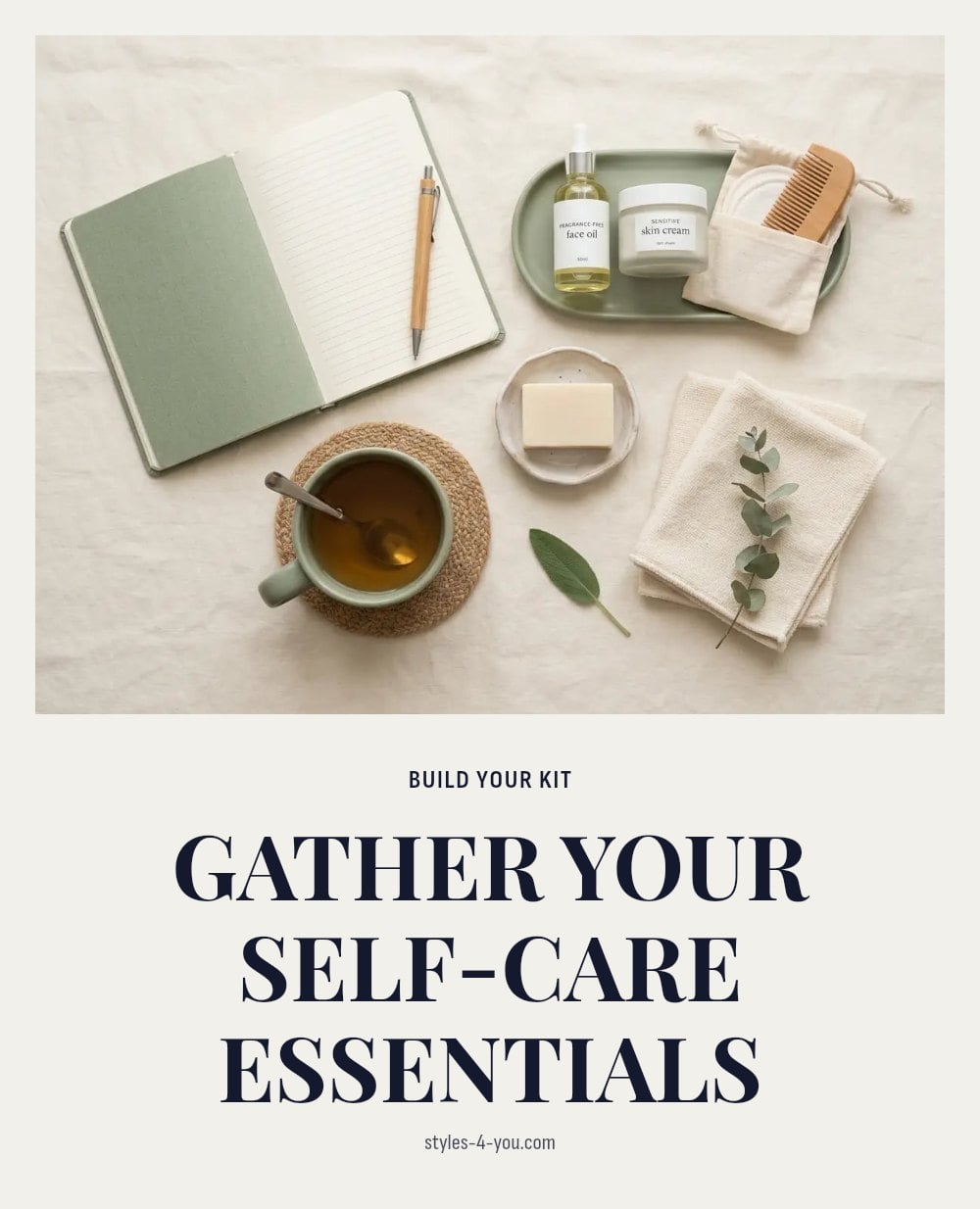
You don’t need much to practice self-care, but a few basics can make it easier. These are suggestions, not necessities.
- Journal and pen: For expressing thoughts and feelings.
- Comfortable clothing: Soft, loose pieces help you relax and move freely.
- Headphones: For listening to music or guided meditations.
- Bath salts or essential oils: Add to a warm bath for a spa-like experience at home.
- Herbal tea: A calming warm beverage like chamomile or peppermint.
- A good book: For mental escape and quiet time.
Common Self-Care Mistakes to Avoid
One of the biggest mistakes is thinking self-care has to cost money or take hours. A five-minute stretch, a glass of water, or stepping outside for fresh air are free and often the most impactful. You don’t need a spa day to reset.
Feeling guilty for taking time for yourself is another trap. Self-care is essential, not selfish. You can’t pour from an empty cup, so treat it as a necessity, not a luxury.
Many people wait until they’re completely burned out to practice self-care. That’s backwards. Integrate small resets into your regular routine to prevent overwhelm before it builds.
Caution: Self-care isn’t the same as self-indulgence. Binge-eating, overspending, or scrolling for hours may feel good temporarily, but they don’t nourish your well-being. Choose activities that genuinely recharge you.
Finally, don’t ignore signs of stress and exhaustion. Headaches, irritability, and poor sleep are signals. Address them early with a short break or a calming ritual, not after they escalate.
When to Seek Professional Help
Self-care helps with everyday stress, but it isn’t a substitute for professional support. If feelings of sadness, anxiety, or overwhelm last more than a few weeks or interfere with your work, relationships, or daily life, talk to a mental health professional.
Also seek help if you notice severe changes in sleep, appetite, or energy that don’t improve with rest and self-care, or if you have thoughts of self-harm or harming others. These are signs you need more than lifestyle adjustments.
Reaching out is a sign of strength, not weakness. A therapist or counselor can offer personalized strategies and a safe space to work through deeper issues.
Frequently Asked Questions
How often should I practice self-care?
You can practice self-care daily, weekly, or whenever you feel the need. Even a few minutes each day can help maintain your well-being, while consistent practice over time builds resilience. There’s no strict schedule, listen to your body and mind.
Can self-care really help with stress?
Yes, self-care activities like moving your body, practicing mindfulness, or spending time in nature can lower cortisol levels and calm your nervous system. They help reduce immediate stress and, when done regularly, support long-term emotional balance.
What if I don’t have much time for self-care?
Self-care doesn’t need hours. A five-minute stretch, a short walk, or listening to one calming song can reset your mood. Focus on small, accessible actions that fit into your day rather than waiting for a big block of free time.
Is self-care the same as being selfish?
Not at all. Self-care is essential for maintaining your overall health and preventing burnout. Taking time for yourself actually helps you show up better for others, so it’s a healthy practice, not a selfish one.
How do I know which self-care activity is right for me?
Experiment with different ideas and notice which ones genuinely lift your mood or calm your mind. Pay attention to how you feel during and after each activity. Over time, you’ll discover what works best for your unique needs and preferences.
Final Thoughts
Start with just one small action that feels doable right now, whether it’s stepping outside for fresh air or sipping a glass of water. Remember, you don’t need to overhaul your entire day, even five minutes of intentional self-care can make a difference. The key is consistency over time, not perfection in a single moment. Give yourself the grace to try something simple today.
This article provides general information and is not a substitute for professional medical or mental health advice. If you are experiencing persistent sadness, anxiety, or overwhelm, please consult a doctor or mental health professional for personalized support.
More Blog ideas
- Your Essential Guide to a Healthy Feminine Hygiene Routine
- Best High Protein Foods to Eat Daily for Health and Energy
- Feeling Stuck: 12 Small Steps to Get Unstuck
- Winter Skin Survival Tips
- How to Get a Flat Stomach
- How to Fix Damaged Hair and Restore Its Health
- Full-Body Kettlebell Workout
- Dry Scalp vs. Dandruff
- Full Body Workout for Beginners
- 21 Easy Beauty Tips Every Woman Should Know
- Feminine Energy: 15 Daily Habits to Feel More Radiant
- Upper Body Workout for Women at Home