Shaving Tips for Beginners: How to Get a Close, Smooth Shave
Master shaving with these essential tips for beginners. Learn how to prepare your skin, use the right technique, and prevent irritation for a smooth result.


Starting a shaving routine can feel tricky, especially when you’re after that smooth, close result without the redness and irritation. The good news is that with the right prep, technique, and aftercare, you can get a great shave every time. In this article, I’ll walk you through the essential steps, from softening your skin to choosing the right razor, so you can shave with confidence and keep your skin feeling comfortable.
Key Takeaways
- Always shave after a warm shower or bath to soften hair and open pores.
- Use a sharp razor and replace it every 5-10 shaves.
- Shave with the grain to reduce nicks, razor burn, and ingrown hairs.
- Apply a generous layer of shaving cream or gel to protect your skin.
- Moisturize immediately after shaving to soothe and hydrate your skin.
Achieving a Smooth, Irritation-Free Shave
The secret to a close, smooth shave without irritation lies in proper preparation, technique, and aftercare. Soften your skin and hair before shaving, use a sharp razor, and shave with the grain to minimize nicks and razor burn. Always follow up with moisturizing products to maintain skin health and prevent dryness. Get these basics right, and you’ll notice a difference immediately.
1. Prep Your Skin with Warm Water

Warm water is your best friend before shaving. I always hop in a warm shower or bath for at least 5-10 minutes before I even think about grabbing my razor. This helps to open up your pores and soften your hair, making it much easier for the razor to glide and cut the hair cleanly.
My tip: The softer the hair, the less tugging and pulling, which means less irritation.
2. Exfoliate Gently Before Shaving

Before I shave, I like to give my skin a gentle exfoliation. You can use a mild scrub or even just a loofah. This step helps to remove dead skin cells that can clog your razor and lift any trapped hairs, preventing ingrown hairs and leading to a much smoother shave.
My tip: Don’t overdo it! Gentle is key, especially if you have sensitive skin.
3. Always Use a Sharp Razor

Always use a fresh, sharp razor blade. A dull blade pulls at the hair, causing discomfort, nicks, and irritation. A sharp blade glides smoothly for a close, comfortable shave.
Tip: Replace your razor blade every 5-10 shaves, or sooner if it starts to feel rough or tug. Store your razor in a dry place to keep the blade in good condition longer.
4. Apply Generous Shaving Cream

Never, ever dry shave. I always apply a generous layer of shaving cream, gel, or oil before the razor touches my skin. This creates a protective barrier between the blade and your skin, which allows for an incredibly smooth glide and prevents the friction that leads to razor burn.
Make sure every area you plan to shave is thoroughly coated. A thin or patchy layer leaves spots unprotected, and that’s where nicks and irritation sneak in.
5. Shave With the Grain
Always shave in the direction your hair grows for the smoothest, least irritating result. Shaving against the grain might feel closer for a moment, but it significantly increases your risk of razor burn, nicks, and ingrown hairs. It’s not worth the trade-off.
Pay attention to your hair growth patterns, they’re not always uniform. On legs, the direction can change around the knee or ankle, so adjust your stroke angle as you go.
6. Use Light, Gentle Strokes
Let the razor do the work. Use light, gentle strokes with minimal pressure, and you’ll get a clean cut without damaging your skin. Pressing down hard doesn’t give you a closer shave, it just increases the likelihood of nicks, cuts, and irritation.
Short, controlled strokes are more effective and safer than long, aggressive ones. They let you follow the contours of your body without dragging the blade across uneven areas.
7. Rinse Your Razor Frequently
I rinse my razor blade frequently under warm water while I shave. This clears away hair and shaving cream that would otherwise clog the blades and reduce their effectiveness.
A clogged razor is essentially a dull razor, even if the blades are new. Keep the water running or dip the razor in a cup between strokes to maintain a clean cut every time.
8. Rinse with Cold Water
Once you’re done shaving, rinse your skin with cool or cold water. This helps to close your pores and soothe the skin, reducing any redness or irritation that the razor may have caused.
My tip: it feels refreshing and helps calm everything down after the shave, especially on warm days.
9. Moisturize Immediately After
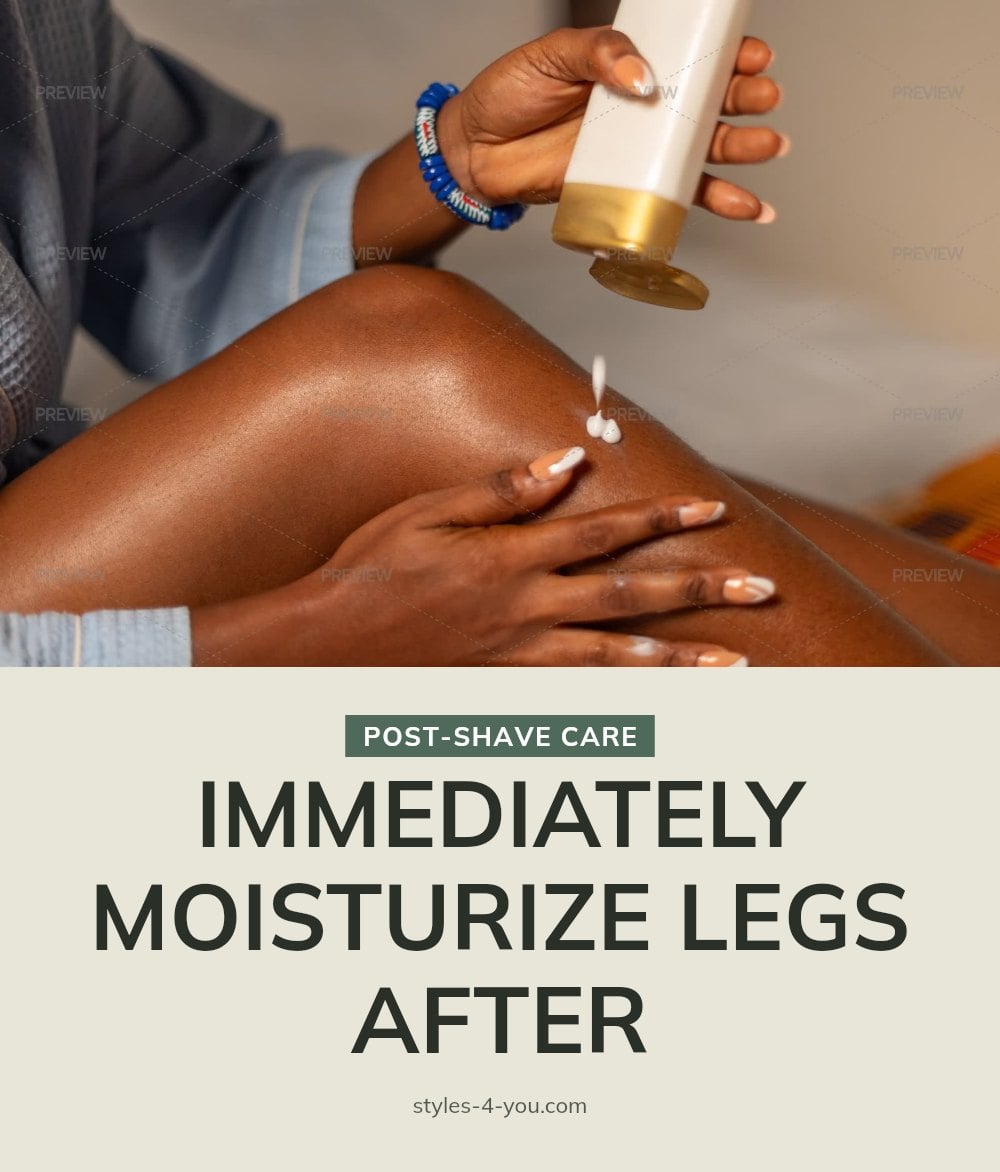
Don’t skip this step. Moisturizing immediately after shaving is crucial. It helps to soothe the skin, restore hydration, and prevent dryness that can lead to irritation and flaking.
My tip: choose a fragrance-free, gentle moisturizer or an after-shave balm, especially if you have sensitive skin. Apply it while your skin is still slightly damp to lock in the moisture.
10. Store Your Razor Properly
After each shave, rinse your razor thoroughly and store it in a dry place. Storing it in a damp shower can encourage bacterial growth and shorten the life of your blades.
My tip: I keep mine on a shelf outside the direct spray of the shower, so it air-dries completely between uses.
11. Be Mindful of Sensitive Areas
Certain areas of your body are more prone to irritation. Take extra care when shaving sensitive spots like your bikini line or underarms, where the skin is thinner and more delicate.
Use even lighter pressure and consider using a shaving product specifically designed for sensitive skin. My tip: sometimes, shorter strokes work better in tricky contours, so adjust your technique to the area.
Common Shaving Mistakes to Avoid
Even with the right prep and technique, a few common missteps can undo all your hard work. Here’s what to skip.
- Shaving on dry skin: This is a recipe for razor burn and nicks. Always wet your skin and use shaving cream.
- Using a dull or dirty razor: Dull blades tug, and dirty ones can cause infections. Change your blade regularly and rinse it often.
- Shaving too quickly or with too much pressure: Take your time and let the blade do the work with gentle strokes.
- Forgetting to moisturize: Post-shave moisturizing is essential for soothing and hydrating your skin.
Frequently Asked Questions
How often should I shave?
There’s no one-size-fits-all answer. It depends on your hair growth rate and personal preference. Some people shave daily, while others go a few days between shaves. The key is to give your skin time to recover, especially if you notice irritation. If you shave frequently, make sure to moisturize well and use a sharp blade to minimize stress on your skin.
Can I use body lotion as a shaving cream?
It’s not ideal. Body lotion doesn’t create the same protective barrier as shaving cream or gel, so you’re more likely to get friction and irritation. Shaving products are designed to help the razor glide smoothly and soften hair. If you’re in a pinch, a rich conditioner can work as a temporary substitute, but it’s best to use a proper shaving cream for the smoothest result.
What’s the best way to prevent ingrown hairs?
Exfoliating gently before you shave is a great start, as it lifts trapped hairs and removes dead skin cells. Shaving with the grain instead of against it also reduces your risk. After shaving, moisturize to keep skin soft, and consider using a product with salicylic acid if you’re prone to ingrowns. Avoid shaving over irritated skin, and give areas like your bikini line extra care.
Is it better to shave in the shower or bath?
Both work, as long as your skin and hair are warm and wet. A shower is often more convenient and allows the water to continuously soften your skin. A bath can also be effective, especially if you soak for a few minutes first. The key is to spend at least 5-10 minutes in warm water before you start, so your hair is soft and your pores are open.
How do I know when to change my razor blade?
A good rule of thumb is to replace your blade every 5-10 shaves, but you should change it sooner if you notice it pulling at your hair or if shaving feels less smooth. Dull blades cause nicks and irritation, so don’t wait too long. Pay attention to how your skin feels; if you’re getting more razor burn than usual, it’s probably time for a fresh blade.
Final Thoughts
Getting a smooth, irritation-free shave comes down to a few simple habits: prep your skin with warm water, always use a sharp blade, and never skip the shaving cream. Shave with the grain and use light strokes, then finish with a cool rinse and moisturizer. If you stick to these steps, you’ll notice fewer nicks and much less razor burn. Remember, your skin is unique, so pay attention to how it reacts and adjust your routine if needed. A little extra care goes a long way.
This article is for general informational purposes only and is not a substitute for professional medical advice. If you have persistent skin irritation, severe razor burn, or signs of infection, please consult a dermatologist or healthcare provider. Everyone’s skin is different, so what works for one person may not work for another.
More Blog ideas
- Your Essential Guide to a Healthy Feminine Hygiene Routine
- Best High Protein Foods to Eat Daily for Health and Energy
- Feeling Stuck: 12 Small Steps to Get Unstuck
- Winter Skin Survival Tips
- How to Get a Flat Stomach
- How to Fix Damaged Hair and Restore Its Health
- Full-Body Kettlebell Workout
- Dry Scalp vs. Dandruff
- Full Body Workout for Beginners
- 21 Easy Beauty Tips Every Woman Should Know
- Feminine Energy: 15 Daily Habits to Feel More Radiant
- Upper Body Workout for Women at Home