How to Shrink a Pimple Quickly and Safely
Learn how to shrink a pimple quickly and safely with effective at-home methods. Reduce redness and swelling within hours for clearer skin.

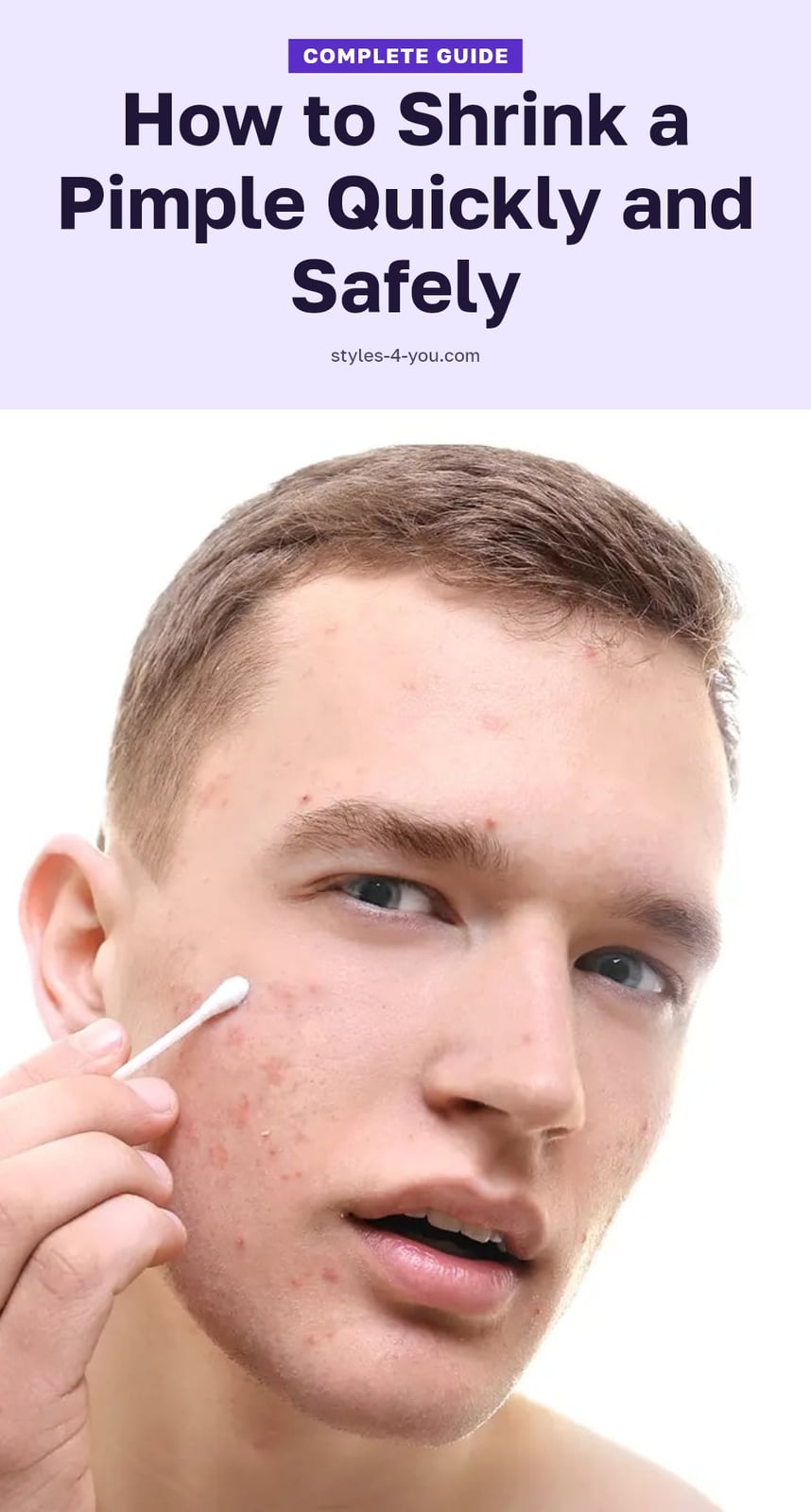
You have a big event tomorrow, and a pimple shows up today. I have been there, and I know the panic. The good news is you can shrink that pimple quickly and safely without making things worse. This article covers the fastest ways to reduce redness and swelling using cold compresses, spot treatments, and hydrocolloid patches, plus common mistakes to avoid.
Key Takeaways
- Apply a cold compress for 5-10 minutes to reduce swelling and redness.
- Use a spot treatment with salicylic acid or benzoyl peroxide directly on the blemish.
- Cover the pimple with a hydrocolloid patch overnight to absorb fluid and protect it.
- Never pick, squeeze, or pop a pimple. It can lead to scarring and more inflammation.
- Expect visible improvement in 12-48 hours, not instant disappearance.
Your Quick Fix for a Stubborn Pimple
To shrink a pimple quickly, focus on reducing inflammation and drying excess oil. Apply a targeted spot treatment with salicylic acid or benzoyl peroxide directly onto the blemish. A cold compress can also help reduce redness and swelling within a day or two.
Why That Pimple Popped Up: The Science Behind It
Every pimple starts the same way: a hair follicle gets clogged with sebum, your skin’s natural oil, and dead skin cells that shed faster than they can clear away. That plug traps everything inside the pore.
Once the follicle is blocked, bacteria called Propionibacterium acnes, or P. acnes, which normally live on your skin, multiply in the trapped oil. Their growth triggers your immune system to send white blood cells to the area, which causes the redness, swelling, and tenderness you see and feel.
So a pimple is less about dirt and more about a clog, a bacterial party, and your body’s inflammatory response. That’s why treatments that unclog pores or calm inflammation work better than scrubbing.
Gather Your Pimple-Fighting Arsenal
Keep these items on hand for fast, effective treatment:
- Salicylic acid or benzoyl peroxide spot treatment to exfoliate and kill bacteria.
- Hydrocolloid patch to absorb fluid and protect the pimple overnight.
- Cold compress (ice wrapped in cloth) to reduce swelling.
- Mild cleanser and non-comedogenic moisturizer for gentle daily care.
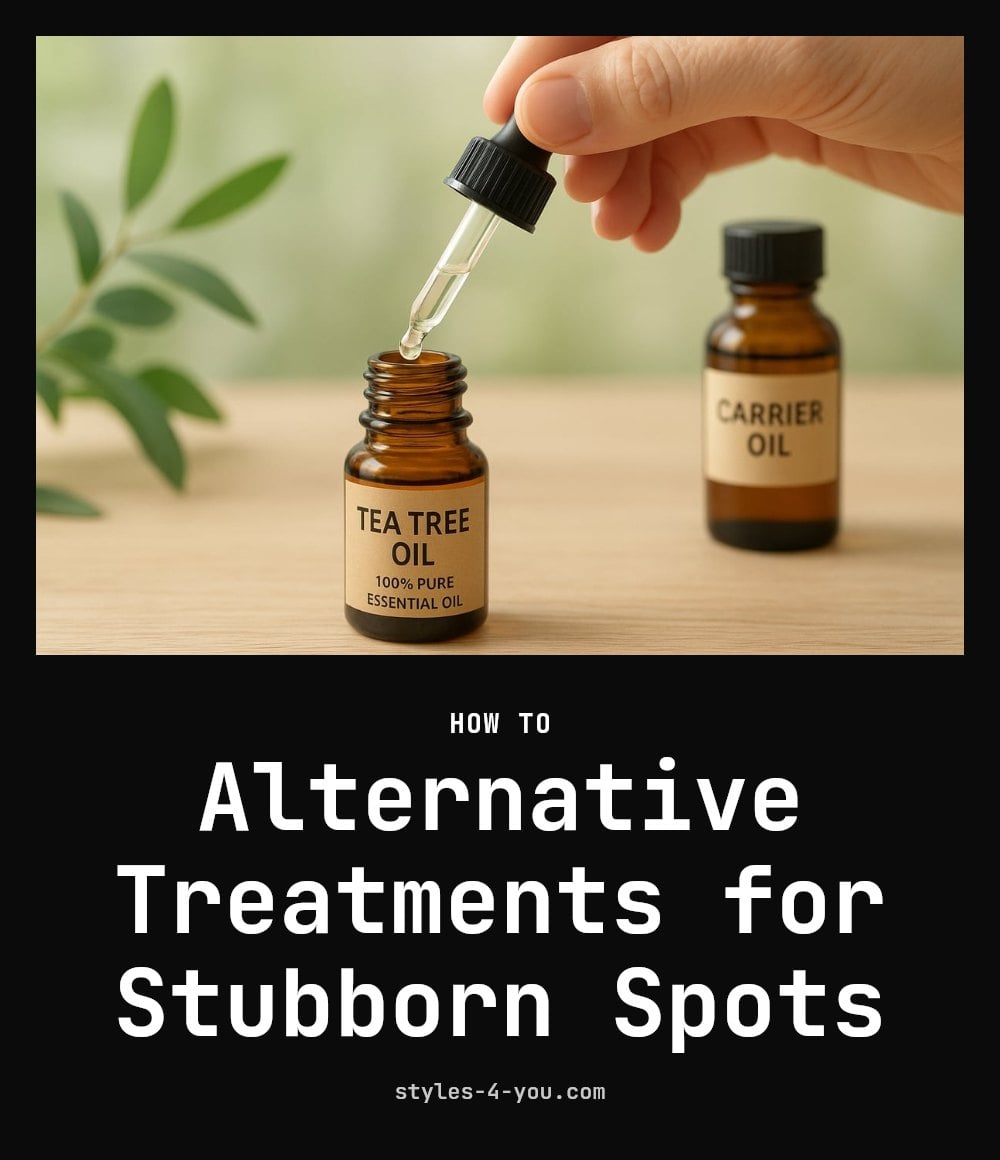
- Diluted tea tree oil with a carrier oil as a natural option.
Step-by-Step: How to Reduce Pimple Size and Redness
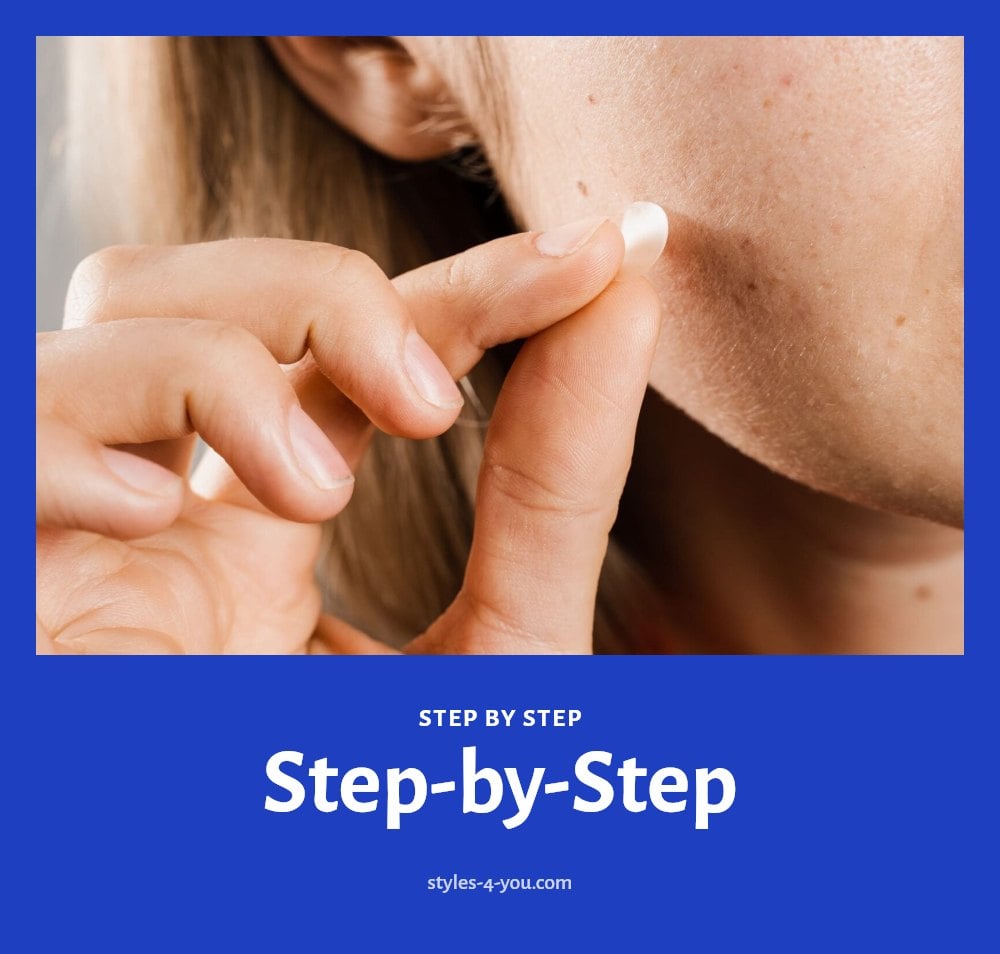
- Cleanse gently: Wash the area with a mild cleanser to remove dirt and excess oil without stripping the skin.
- Apply a cold compress: Hold a cold compress against the pimple for 5-10 minutes to constrict blood vessels and reduce swelling.
- Use a spot treatment: Dab a small amount of salicylic acid or benzoyl peroxide directly onto the blemish. Let it absorb before moving to the next step.
- Add a hydrocolloid patch: Place a patch over the pimple overnight to absorb fluid and create a protected healing environment.
- Moisturize: Apply a non-comedogenic moisturizer around the area (avoiding the spot treatment) to prevent dryness and irritation.
Alternative Treatments for Stubborn Spots
Alternative Treatments for Stubborn Spots
When spot treatments aren’t enough, other options can help calm a stubborn pimple. Each works differently, so match the method to your skin’s needs.
- Tea tree oil: Dilute 1 drop of tea tree oil with 2-3 drops of a carrier oil like jojoba or almond. Apply with a cotton swab. Its antiseptic and anti-inflammatory properties can reduce redness. Patch test on your inner arm first.
- Niacinamide: This form of vitamin B3 helps reduce inflammation and redness while improving your skin barrier. Apply a niacinamide serum or moisturizer to the whole face, not just the spot.
- Sulfur: Look for a sulfur-based spot treatment. It sheds dead skin cells and fights bacteria. Leave it on for 5-10 minutes, then rinse, unless the label says otherwise.
- Hydrocortisone cream: Over-the-counter 0.5% or 1% hydrocortisone can reduce inflammation quickly. Use it sparingly for 2-3 days only. Overuse can thin the skin.
My tip: rotate between two options if one stops working, but never combine them in the same application.
Common Pimple-Fighting Mistakes to Avoid
Some habits make pimples worse, even when you mean well. Avoid these common missteps to let your skin heal faster.
- Picking or squeezing: This can worsen inflammation, spread bacteria deeper, and leave a permanent scar. Keep your hands off completely.
- Over-drying skin: Stacking harsh products strips natural oils, which triggers more oil production and irritation. Stick to one spot treatment at a time.
- Unproven home remedies: Toothpaste and other DIY pastes can damage your skin with harsh ingredients. Skip them entirely.
- Ignoring hand hygiene: Unwashed hands transfer bacteria to your face. Wash with soap before touching your skin or applying any product.
When to Consult a Dermatologist
Most pimples resolve on their own, but some situations need a dermatologist’s input. Seek professional advice if any of the following apply to you.
- Painful or deep pimples: If a spot is extremely tender, large, or lasts more than a few weeks, a doctor can offer stronger options.
- Reaction to treatments: Stop using any product that causes excessive redness, burning, itching, or peeling, and consult a professional if it persists.
- Recurrent or severe acne: When breakouts are frequent, widespread, or affect your confidence, a dermatologist can create a tailored plan.
Frequently Asked Questions
How long does it take for a pimple to go away completely?
Complete resolution usually takes several days. You can expect redness and swelling to improve within 12 to 48 hours with proper treatment, but the pimple may still be visible for a few more days. Be patient and consistent with your skincare routine.
Can I use toothpaste to shrink a pimple?
No, toothpaste is not recommended. It can be very irritating and drying to the skin, which may cause more redness, peeling, and even worsen the breakout. Stick to proven spot treatments like salicylic acid or benzoyl peroxide instead.
Is it normal for a pimple to be painful?
Some tenderness is common, especially if the pimple is deep or inflamed. However, if it is extremely painful, large, or lasts more than a few weeks, it may be a sign of a deeper infection. In that case, consult a dermatologist for proper evaluation.
Can diet affect pimples?
For some people, high-glycemic foods like sugary snacks and dairy may trigger breakouts, but the connection varies. If you notice a pattern with certain foods, try reducing them for a few weeks to see if your skin improves. A balanced diet supports overall skin health.
How can I make a pimple go away fast?
To speed up recovery, apply a cold compress for 5-10 minutes to reduce swelling, then use a spot treatment with salicylic acid or benzoyl peroxide. Cover it with a hydrocolloid patch overnight. Avoid picking or using harsh products. Results show in 12-48 hours.
Final Thoughts
My tip: keep a hydrocolloid patch in your bag for sudden breakouts. Stick it on at night and let it work while you sleep. Realistically, you will see a difference within a day or two, but a pimple won’t vanish completely overnight. Focus on reducing redness and swelling so it blends in better with your skin. Stay gentle with your routine, and your skin will thank you.
This information is for general educational purposes only and is not a substitute for professional medical advice. If you have persistent, painful, or severe acne, or if you experience any adverse skin reaction, please consult a dermatologist or healthcare provider for personalized care.
More Blog ideas
- Your Essential Guide to a Healthy Feminine Hygiene Routine
- Best High Protein Foods to Eat Daily for Health and Energy
- Feeling Stuck: 12 Small Steps to Get Unstuck
- Winter Skin Survival Tips
- How to Get a Flat Stomach
- How to Fix Damaged Hair and Restore Its Health
- Full-Body Kettlebell Workout
- Dry Scalp vs. Dandruff
- Full Body Workout for Beginners
- 21 Easy Beauty Tips Every Woman Should Know
- Feminine Energy: 15 Daily Habits to Feel More Radiant
- Upper Body Workout for Women at Home






