How to Soften Forehead Wrinkles at Home with Simple Habits
Discover effective at-home habits and skincare routines to soften forehead wrinkles. Learn key ingredients and lifestyle tips for smoother skin.

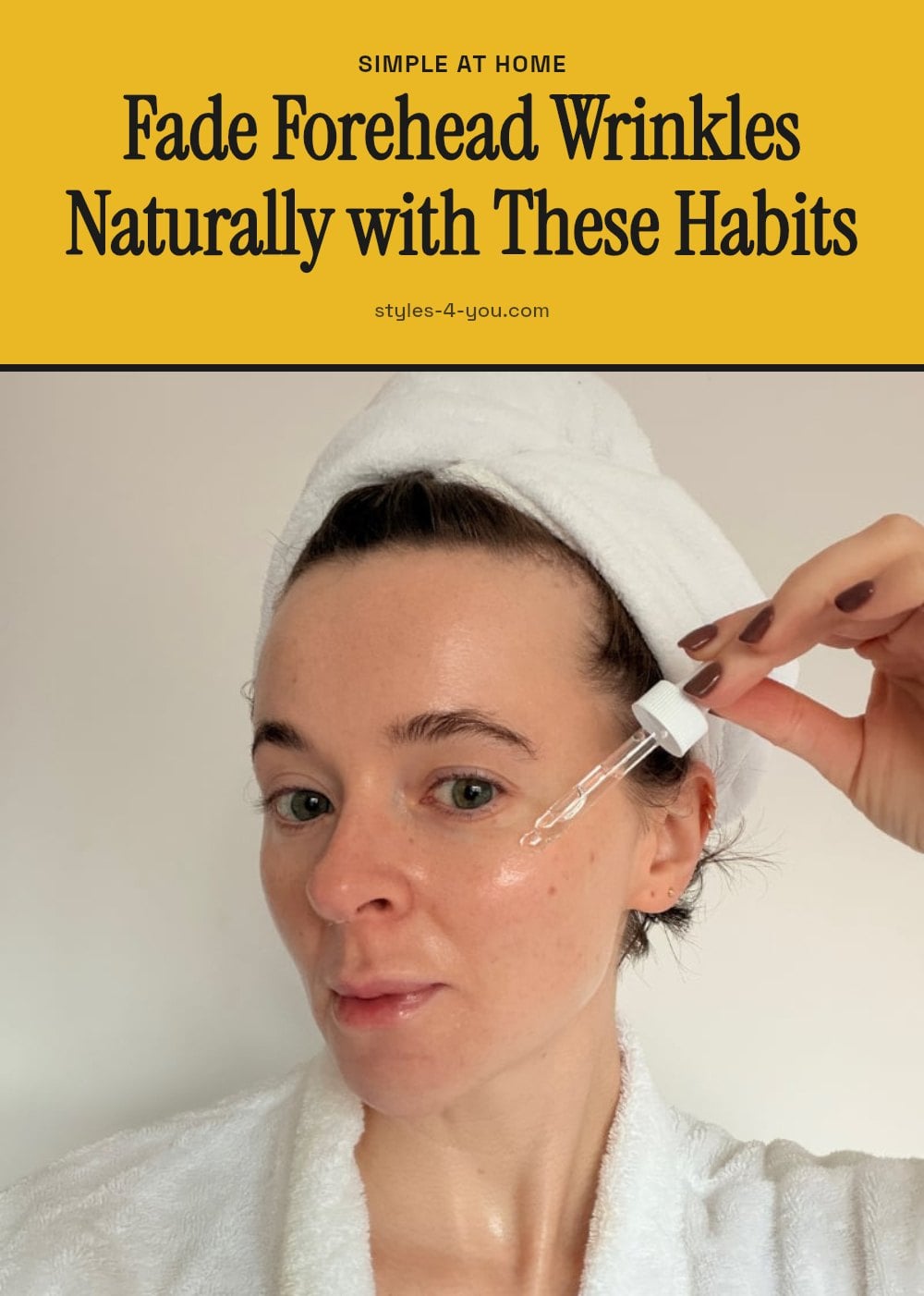
Noticing those horizontal lines on your forehead? You’re not alone. Forehead wrinkles are a common concern, and while you can’t erase them completely at home, you can absolutely soften their appearance with the right habits. This article covers the skincare ingredients that work, the lifestyle changes that matter, and what to expect from your efforts over time.
Think of it as a realistic, at-home approach to smoother-looking skin, without the hype.
Key Takeaways
- Apply broad-spectrum SPF 30+ sunscreen every morning, even indoors.
- Start retinoids at a low concentration every other night to build tolerance.
- Use hyaluronic acid and vitamin C serums for hydration and antioxidant protection.
- Aim for 7 to 9 hours of sleep nightly to support skin repair.
- Expect noticeable softening after 3 to 6 months of consistent care.
Can You Really Get Rid of Forehead Wrinkles at Home?
Yes, you can soften forehead wrinkles at home, but you won’t erase them completely. Consistency with skincare and lifestyle habits makes the real difference. Focus on keeping skin hydrated, protecting it from the sun every day, and using ingredients that support collagen production. Think of it as improving how your skin behaves over months, not erasing lines overnight.
Why Forehead Wrinkles Appear in the First Place

Why Forehead Wrinkles Appear in the First Place
Forehead wrinkles start as dynamic lines formed by repeated muscle contractions. Every time you raise your eyebrows, the skin creases. Over time, collagen and elastin fibers break down, turning those temporary creases into static wrinkles that stay visible even when your face is resting.
UV radiation from the sun accelerates this process by damaging collagen and elastin directly. Dehydration plays a role too: when skin lacks moisture, existing lines look deeper and more pronounced.
- Dynamic wrinkles come from facial expressions like raising eyebrows.
- Collagen and elastin loss turns dynamic into static wrinkles.
- Sun exposure speeds up collagen damage.
- Dehydrated skin makes wrinkles appear worse.
Your At-Home Skincare Arsenal for Smoother Forehead Skin

Your At-Home Skincare Arsenal for Smoother Forehead Skin
Retinoids, like retinol, are vitamin A derivatives that speed up cell turnover and stimulate collagen production. My tip: start with a low concentration every other night to avoid irritation, then gradually increase frequency as your skin builds tolerance.
Hyaluronic acid is a humectant that draws moisture into the skin, plumping it up and temporarily reducing the look of lines. Apply it to damp skin for better absorption.
Vitamin C (an antioxidant) protects against free radical damage from UV and pollution, while also brightening your complexion. Use it in the morning under sunscreen.
Peptides are short amino acid chains that signal the skin to produce more collagen and elastin. They work well in serums or moisturizers layered after cleansing.
- Retinoids: promote cell turnover and collagen.
- Hyaluronic acid: plumps by attracting moisture.
- Vitamin C: protects from free radicals and brightens.
- Peptides: signal collagen and elastin production.
Essential Tools and Products for Your Routine

Essential Tools and Products for Your Routine
Broad-spectrum sunscreen with SPF 30 or higher is non-negotiable. Apply it every morning, even on cloudy days or if you are indoors near windows.
- Sunscreen (SPF 30+): prevents new wrinkles and stops existing ones from worsening.
- Gentle cleanser: preps skin without stripping its natural barrier.
- Rich moisturizer: locks in hydration from serums and keeps the skin barrier healthy.
- Wide-brimmed hat and sunglasses: provide physical protection from UV and reduce squinting.
Common Mistakes When Treating Forehead Wrinkles
Expecting complete removal: Topical products soften the appearance of wrinkles but cannot erase them entirely. Aim for visible improvement, not perfection.
Skipping sunscreen: Inconsistent use is one of the fastest ways to undo your progress. UV damage accelerates collagen breakdown and makes lines deeper.
Introducing retinoids too quickly: Starting with a high concentration every night can cause redness, peeling, and irritation. Begin with a low strength every other night and build up slowly.
Neglecting hydration and lifestyle: Drinking enough water and using a rich moisturizer keep skin plump, which makes lines less noticeable. Diet, sleep, and stress levels all affect your skin’s appearance.
Lifestyle Habits to Prevent New Forehead Lines
Wear sunscreen daily: Apply a broad-spectrum SPF 30 or higher every morning, even indoors near windows. This is the single most effective step you can take.
Prioritize sleep: Aim for 7 to 9 hours of quality rest each night. During sleep, your skin repairs itself and produces collagen.
Eat for your skin: A balanced diet rich in antioxidants (berries, leafy greens) and healthy fats (avocado, nuts) supports skin elasticity and fights free radical damage.
Use physical barriers: Wear a wide-brimmed hat and sunglasses to reduce sun exposure on your forehead and prevent squinting, which creates dynamic lines.
What to Expect: Timeline and Long-Term Commitment
3 to 6 months: Noticeable softening of forehead lines usually appears after three to six months of consistent at-home care. Continue your routine for ongoing improvement.
Longer commitment: Results build over time as collagen production increases. The longer you stay consistent, the more your skin benefits.
Cost-effective approach: At-home products are generally more affordable than professional treatments. Consistency with a good routine matters more than spending on expensive items.
When It’s Time to See a Professional
Severe irritation or redness: If a new product causes persistent stinging, peeling, or a rash, stop using it and consult a dermatologist.
Unsatisfactory results: If you have been consistent for six months and see little change, a professional can offer personalized advice or prescription-strength options.
Professional treatments: For deeper wrinkles, a dermatologist may discuss injectables like neuromodulators or laser therapy to achieve more noticeable results.
Frequently Asked Questions
Can drinking water help with forehead wrinkles?
Drinking enough water helps keep your skin hydrated, which can make fine lines look less prominent. However, it won’t directly erase wrinkles. For lasting improvement, pair hydration with topical moisturizers and sunscreen, since UV damage is a major cause of wrinkle formation.
How long does it take to see results from at-home treatments?
Most people notice a softening of forehead lines after three to six months of consistent skincare and sun protection. Results build gradually as collagen production increases, so continued use over a longer period leads to further improvement.
Are facial exercises effective for forehead wrinkles?
Facial massage may temporarily improve circulation and relax muscles, but its long-term effect on deep wrinkles is limited. Relying on exercises alone won’t erase established lines. Combine them with proven skincare ingredients and sun protection for better results.
What is the most important step to prevent forehead wrinkles?
Daily sunscreen use is the single most effective step. Apply a broad-spectrum SPF 30 or higher every morning, even on cloudy days or when indoors near windows. UV radiation damages collagen and elastin, accelerating wrinkle formation, so consistent protection is key.
Final Thoughts
The most effective at-home strategy combines daily sun protection with consistent use of collagen-supporting ingredients like retinoids and vitamin C. My tip: pick one new habit to start with, such as wearing sunscreen every morning, and build from there. Realistic results take time, usually three to six months before you see a visible difference, with continued improvement as you stay consistent.
Stick with it, and your skin will thank you.
This article is for general informational purposes only and is not a substitute for professional medical advice. If you experience severe irritation, persistent redness, or other concerning skin reactions, please consult a dermatologist or healthcare provider.
More Blog ideas
- Your Essential Guide to a Healthy Feminine Hygiene Routine
- Best High Protein Foods to Eat Daily for Health and Energy
- Feeling Stuck: 12 Small Steps to Get Unstuck
- Winter Skin Survival Tips
- How to Get a Flat Stomach
- How to Fix Damaged Hair and Restore Its Health
- Full-Body Kettlebell Workout
- Dry Scalp vs. Dandruff
- Full Body Workout for Beginners
- 21 Easy Beauty Tips Every Woman Should Know
- Feminine Energy: 15 Daily Habits to Feel More Radiant
- Upper Body Workout for Women at Home






