7 Easy Ways to Soften and Remove Calluses at Home
Learn 7 simple, effective ways to soften and remove calluses on your hands and feet at home, including soaking, exfoliation, and moisturizing.


If you’ve noticed rough, thickened patches on your feet or hands, you’re likely dealing with calluses. They form as a protective response to repeated friction or pressure, and while they’re usually harmless, they can sometimes feel uncomfortable or tender. The good news is that most calluses can be softened and removed at home with the right gentle approach.
This article covers seven practical ways to soften and remove calluses, from soaking and exfoliating to using creams and protective gear. I’ll also share tips on what to avoid and when to see a professional.
Key Takeaways
- Soak calluses in warm water for 10-20 minutes before exfoliating to soften the skin.
- Use a pumice stone with gentle, circular motions on damp skin only.
- Apply a moisturizer or callus-softening cream daily to prevent recurrence.
- Wear well-fitting shoes with cushioning to reduce pressure on callus-prone areas.
- Consult a doctor or podiatrist if you have diabetes, poor circulation, or nerve damage.
What Are Calluses and How Can You Treat Them?
Calluses are areas of hardened, thickened skin that develop as a protective response to repeated friction or pressure. They commonly appear on the soles of your feet and palms of your hands. The good news is that most calluses can be softened and removed at home using simple methods like soaking, gentle exfoliation, and consistent moisturizing. However, it’s crucial to approach removal gently to avoid injury, especially if you have underlying health conditions like diabetes or poor circulation.
1. Soak Your Calluses in Warm Water
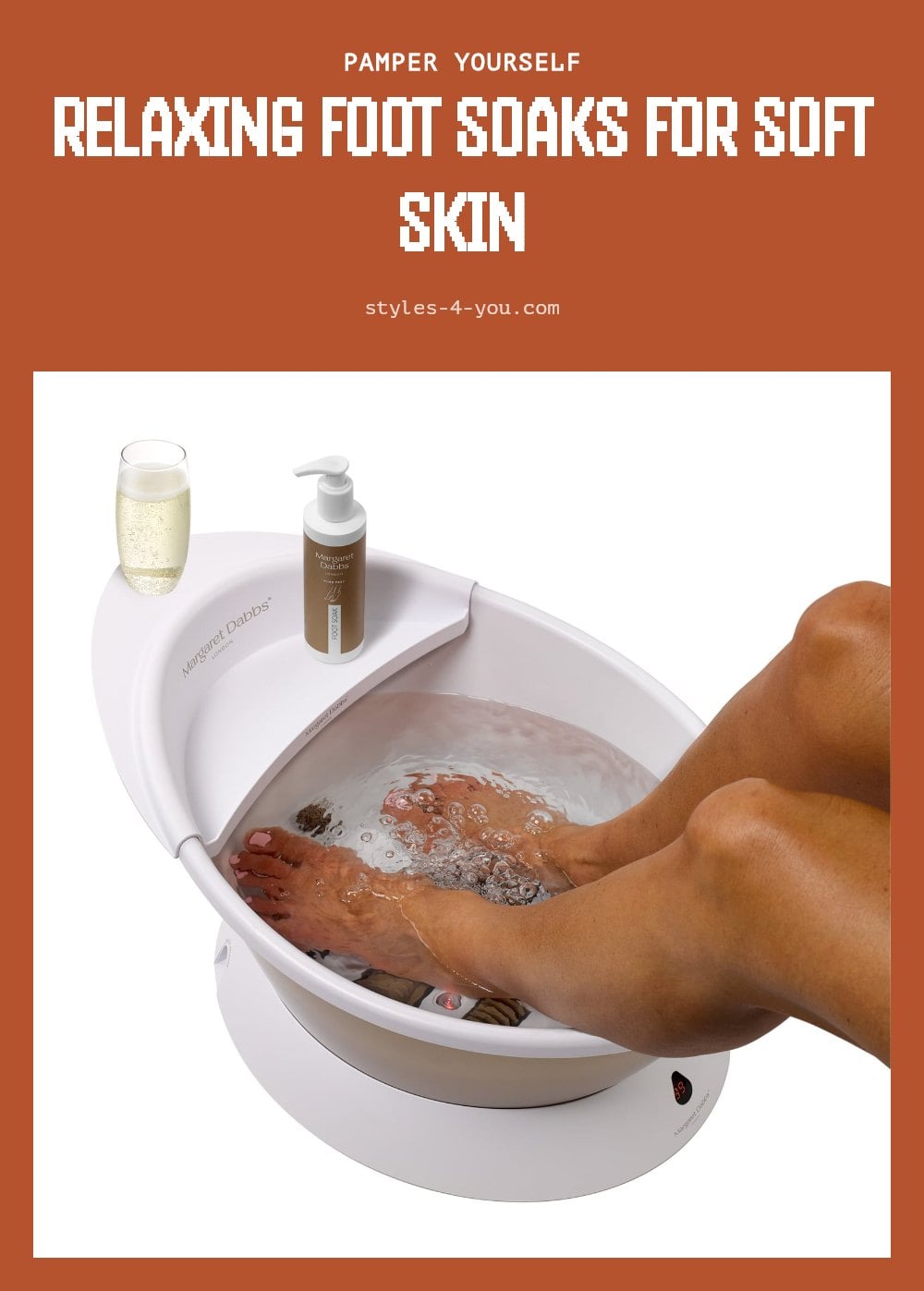
Soak the affected area in warm water for 10-20 minutes before any removal attempt. This softens the hardened skin, making it easier and safer to exfoliate. Adding Epsom salts can enhance the softening effect.
- Use comfortably warm water, not hot, to avoid burns.
- Soak until the skin feels pliable, not wrinkled.
- Pat dry gently before moving to the next step.
2. Gently File with a Pumice Stone

After soaking, use a pumice stone or foot file on the softened skin. Apply gentle, circular motions to gradually reduce the thickness of the callus. Avoid aggressive scrubbing or filing, which can irritate or damage healthy skin.
My tip: Always use a pumice stone on damp skin to prevent tearing or over-exfoliation. Work in small, controlled circles, letting the stone do the work rather than pressing hard.
3. Use a Callus-Softening Cream

Apply a rich moisturizer or callus-softening cream daily to keep skin hydrated. Look for creams containing ingredients like urea, salicylic acid, or AHAs, which help dissolve dead skin cells. Regular moisturizing is crucial to prevent calluses from reforming or becoming excessively dry and hard.
- Focus on the callused area and the surrounding skin.
- Apply after bathing or soaking when skin is still slightly damp.
- Use a thick layer before bed and cover with socks for deeper absorption.
4. Try Salicylic Acid Patches
For stubborn calluses that resist soaking and filing, salicylic acid patches or creams can break down the thickened skin over time. These chemical exfoliants work by dissolving the bonds between dead skin cells, so the callus gradually sloughs off.
Caution: Always perform a patch test on a small area first and follow the product instructions carefully. Avoid using them on broken, cracked, or irritated skin, and stop if you notice any burning or redness.
5. Wear Proper Footwear and Protection

Your shoes do more work than you think. Well-fitting shoes with adequate cushioning reduce the pressure that creates calluses in the first place, and they also give existing ones room to heal. Shoes that are too tight rub against the skin, while loose ones let your foot slide and create friction, so check the fit before you buy.
For your hands, slip on protective gloves during activities that cause friction, like gardening, weightlifting, or using hand tools. The glove acts as a barrier between your skin and the repetitive motion, so the callus stops getting thicker and can start softening with your regular care routine.
6. Utilize Cushioning Pads or Inserts
Cushioning pads or inserts take pressure off the spots where calluses tend to form, which helps both treat existing ones and stop new ones from developing. They work especially well on the balls of the feet and heels, where your body weight lands hardest.
My tip: Experiment with different types of pads, from gel to foam to felt, to find what gives you the most comfort and protection for your specific needs.
7. Maintain Consistent Care
Stick with your routine, and you should notice softer, thinner calluses within a few days to a few weeks. The key is consistency: apply moisturizer daily and gently exfoliate once or twice a week, even after the callus shrinks.
Ongoing maintenance matters because calluses reform quickly when friction returns. Keep up with your soaking, filing, and moisturizing habits, and your skin will stay smooth and callus-free.
When to See a Doctor or Podiatrist
If you have diabetes, poor circulation, or nerve damage, talk to a doctor or podiatrist before trying any at-home callus removal. These conditions raise the risk of complications like infections that may be hard to notice or treat.
Stop right away if you feel pain, see bleeding, or notice excessive redness while removing a callus. Seek medical attention if a callus becomes red, swollen, painful, or discharges pus, since it may be infected.
Caution: Never cut or shave off calluses with sharp objects like razors or scissors. The risk of injury and infection is high, and a professional is the safe choice for removal.
Frequently Asked Questions
How long does it take for calluses to disappear?
With consistent home care, you can expect to see softer, thinner calluses within a few days to a few weeks. Complete disappearance depends on the thickness of the callus and how regularly you maintain your routine. Ongoing care is usually needed to prevent them from reforming.
Can calluses be prevented completely?
While you can’t always prevent calluses entirely, you can significantly reduce their formation by wearing properly fitting shoes with good cushioning, using protective gloves during repetitive hand activities, and moisturizing regularly. Addressing the source of friction or pressure is the most effective prevention strategy.
Is it normal for calluses to hurt?
Calluses are usually not painful when pressed directly, but they can become tender or uncomfortable, especially if they are very thick or located on a weight-bearing area like the heel or ball of the foot. If a callus becomes red, swollen, or painful, it may be infected, and you should see a doctor.
What’s the difference between a callus and a corn?
Calluses are larger, have a more diffuse border, and are generally less painful when pressed directly. Corns are smaller, have a well-defined center, and can be quite painful when pressure is applied. Both are caused by friction or pressure, but they look and feel different.
Can I use a regular body lotion for calluses?
Regular body lotion can help keep the skin hydrated, but it may not be enough for thickened calluses. For better results, use a richer moisturizer or a callus-softening cream containing ingredients like urea, salicylic acid, or AHAs, which are designed to break down dead skin cells more effectively.
Final Thoughts
Stick with a consistent routine of daily moisturizing and gentle exfoliation once or twice a week, and you should notice softer, thinner calluses within a few days to a few weeks. The key is to address the underlying cause, like ill-fitting shoes or repetitive hand pressure, so the callus doesn’t keep coming back. Remember, patience and gentle care are your best tools for keeping your skin smooth and healthy.
This article is for general informational purposes only and does not constitute medical advice. Individual results may vary, and what works for one person may not work for another. If you have a persistent or serious skin concern, or if you have diabetes, poor circulation, or nerve damage, please consult a doctor or podiatrist before starting any treatment.
More Blog ideas
- Your Essential Guide to a Healthy Feminine Hygiene Routine
- Best High Protein Foods to Eat Daily for Health and Energy
- Feeling Stuck: 12 Small Steps to Get Unstuck
- Winter Skin Survival Tips
- How to Get a Flat Stomach
- How to Fix Damaged Hair and Restore Its Health
- Full-Body Kettlebell Workout
- Dry Scalp vs. Dandruff
- Full Body Workout for Beginners
- 21 Easy Beauty Tips Every Woman Should Know
- Feminine Energy: 15 Daily Habits to Feel More Radiant
- Upper Body Workout for Women at Home






