Strawberry Legs: Causes, Treatments, and Prevention
Understand what causes 'strawberry legs' and get my expert-backed methods to treat and prevent those dark dots for smoother, clearer skin.


If you’ve ever looked down at your legs and noticed those small, dark dots that resemble strawberry seeds, you’re not alone. This common cosmetic concern, often called strawberry legs, isn’t a medical condition but a sign of underlying skin issues like clogged pores, keratosis pilaris, or folliculitis. The good news is that with the right care, you can significantly smooth their appearance.
In this article, I’ll break down what causes those dots, share effective treatments and prevention tips, and help you figure out when it’s time to see a dermatologist. Let’s get your legs looking their best.
Key Takeaways
- Strawberry legs is a cosmetic term, not a medical diagnosis.
- Common causes include clogged pores, keratosis pilaris, and folliculitis.
- Exfoliate 2-3 times weekly with salicylic or glycolic acid.
- Moisturize daily and shave with a sharp razor and shaving cream.
- See a dermatologist if bumps are painful, warm, or filled with pus.
What Exactly Are ‘Strawberry Legs’?
Strawberry legs is the nickname for those small, dark dots that look like strawberry seeds on your legs. It is not a medical diagnosis, but a cosmetic term that points to underlying skin issues. The most common causes are clogged pores (open comedones), keratosis pilaris, and folliculitis.
Why Those Dark Dots Appear on Your Legs
Open Comedones
When oil and dead skin cells get trapped in a pore and are exposed to air, they oxidize and turn dark. This creates a visible dot, much like a blackhead on your face.
Keratosis Pilaris
This common condition happens when keratin builds up around hair follicles, forming small, rough bumps. The bumps can look like dark dots, especially on the thighs and backs of the arms.
Folliculitis
Inflamed or infected hair follicles appear as small red bumps or pus-filled pimples. This is often triggered by bacteria, friction from clothing, or irritation from shaving.
Shaving itself can make things worse by irritating follicles and causing ingrown hairs, which add to the dotted look. Dry skin also makes the bumps and pores more noticeable because the surface is flaky and less smooth.
Your Skincare Arsenal for Smoother Legs

To tackle strawberry legs, you need the right tools. Here is what I keep in my routine:
- Gentle body scrub or exfoliating mitt: Use very gently and no more than once a week to remove dead skin cells without irritating follicles.
- Body wash with salicylic acid or AHAs: Chemical exfoliants like glycolic or lactic acid dissolve pore-clogging debris.
- Rich moisturizer: Keeps the skin barrier strong and reduces dryness that makes dots stand out.
- Fresh, sharp razor and quality shaving cream: Prevents irritation and ingrown hairs during hair removal.
- Topical retinoids or urea/ammonium lactate creams: For stubborn keratosis pilaris or clogged pores, these help speed cell turnover.
Effective Ways to Treat Strawberry Legs
Exfoliate Regularly
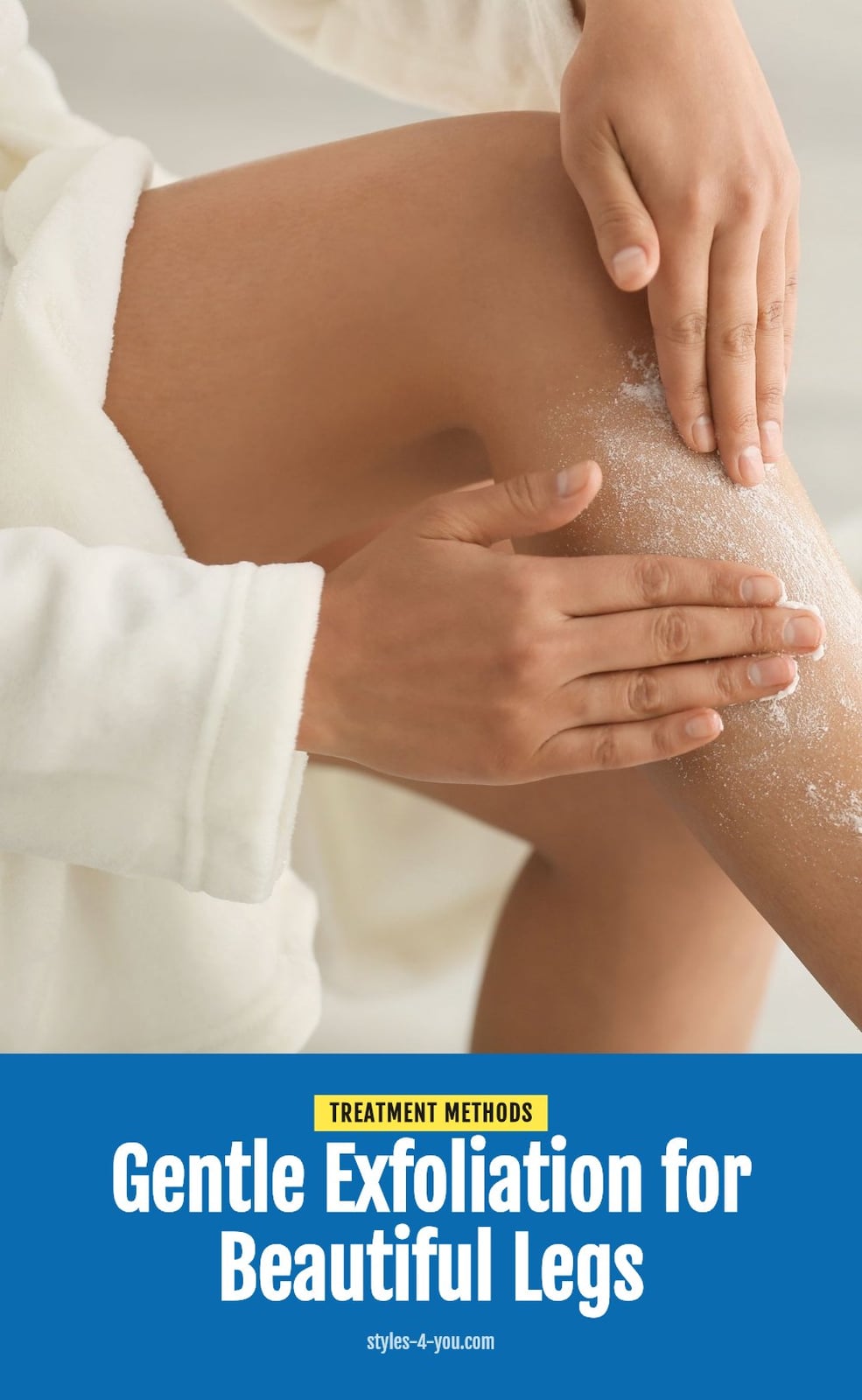
Chemical exfoliants like salicylic acid or glycolic acid are my go-to because they work deep inside pores without scrubbing. Use a gentle body wash with these ingredients 2-3 times a week. Caution: Start with a patch test to check for sensitivity, and avoid physical scrubs on the same day to prevent over-exfoliation.
Moisturize Daily
Apply a rich moisturizer right after every shower, while your skin is still damp. This locks in hydration and strengthens the skin barrier, which can reduce the visibility of bumps and dryness. Tip: Look for ingredients like ceramides or shea butter.
Adopt Proper Shaving Techniques
Always use a clean, sharp razor and a shaving cream or gel. Shave in the direction of hair growth, not against it, to minimize irritation and ingrown hairs. Replace your razor blade after 5-7 shaves.
Consider Alternative Hair Removal
If shaving consistently causes bumps or folliculitis, try waxing, epilating, or depilatory creams. These methods remove hair from the root or dissolve it above the skin, which can reduce follicle irritation. Caution: Always follow product instructions and do a patch test.
Explore Topical Treatments for Stubborn Cases
For keratosis pilaris or persistent clogged pores, over-the-counter creams with urea or ammonium lactate can help soften keratin buildup. Prescription retinoids may also be an option if home remedies are not enough. Tip: Talk to a dermatologist before starting retinoids to get the right strength and usage plan.
Common Mistakes Making Strawberry Legs Worse
Aggressively scrubbing: Scrubbing hard with a rough mitt or scrub may feel effective, but it irritates the skin and increases inflammation. This often makes the dark dots more noticeable.
Using a dull razor or dry shaving: A dull blade pulls at hairs instead of cutting them cleanly, which leads to ingrown hairs and more bumps. Always use a sharp razor with shaving cream.
Picking or squeezing bumps: It is tempting to try to pop those dots, but this can push bacteria deeper, cause scarring, and lead to hyperpigmentation.
Ignoring underlying causes: Without knowing whether your issue is clogged pores, keratosis pilaris, or folliculitis, your treatment may not target the real problem.
Over-exfoliating: Exfoliating more than 2-3 times a week can strip the skin barrier, leaving legs dry and irritated. If you exfoliate that often, do so gently and watch for signs of irritation.
Keeping Strawberry Legs from Coming Back

Once your legs look smoother, the goal is to keep them that way with a few consistent habits.
Stick to a routine: Exfoliate 2-3 times a week with a gentle chemical or physical exfoliant and moisturize daily. This prevents dead skin and oil from building up again.
Shave smart: Always use a clean, sharp razor and shaving cream. Shave in the direction of hair growth to reduce irritation and ingrown hairs.
Watch your shower temperature: Hot water strips natural oils from your skin, which can worsen dryness and make dots more visible. Stick to lukewarm water when showering and shaving.
Consider laser hair removal: For long-term reduction, laser hair removal can minimize hair growth and reduce stress on follicles. Talk to a professional about whether it is right for you.
When to Consult a Dermatologist
Most cases of strawberry legs improve with consistent home care, but some situations need a dermatologist.
Signs of infection: If bumps become painful, warm to the touch, or filled with pus, you may have folliculitis that requires medical treatment.
No improvement: If you have followed a routine for several weeks with no change, a dermatologist can help identify the specific cause.
Persistent irritation: Ongoing redness, itching, or discomfort should be checked by a professional.
Prescription options: Stronger retinoids or oral antibiotics may be needed for stubborn cases. A dermatologist can also discuss laser hair removal for long-term management.
Frequently Asked Questions
Can strawberry legs go away permanently?
For many people, strawberry legs can be significantly reduced with consistent care, but they may not disappear permanently. The underlying causes, like keratosis pilaris or clogged pores, often require ongoing maintenance. With regular exfoliation, moisturizing, and proper shaving, you can keep the appearance under control, but you may need to continue these habits to maintain smooth skin.
Is laser hair removal effective for strawberry legs?
Laser hair removal can be effective for some people with strawberry legs, especially if the dots are related to thick body hair or visible hair follicles. By reducing hair growth, it can lessen the prominence of follicles and improve skin texture. However, it may not address other causes like keratosis pilaris or clogged pores, and results can vary. It’s best to discuss this option with a dermatologist.
How long does it take to get rid of strawberry legs?
With consistent treatment, you may start to see improvement within a few weeks, but it can take up to a couple of months to see significant changes. The timeline depends on the underlying cause and how strictly you follow your routine. Remember, ongoing maintenance is usually needed to keep the dots from returning, so patience and consistency are key.
Can diet affect strawberry legs?
There’s no direct evidence that diet causes strawberry legs, but a healthy diet supports overall skin health. Staying hydrated and eating foods rich in vitamins and antioxidants can help maintain a strong skin barrier. However, the primary causes are topical, like clogged pores or keratosis pilaris, so skincare habits are more influential than diet in managing this condition.
Are there any natural remedies for strawberry legs?
Some natural ingredients may help soothe and exfoliate the skin, but they aren’t a substitute for proven treatments. For example, a gentle sugar scrub can manually exfoliate, while coconut oil can moisturize. However, for the best results, dermatologists often recommend chemical exfoliants like salicylic or glycolic acid, which work more effectively and consistently. Always patch-test any new remedy to check for sensitivity.
Final Thoughts
Consistency is your best friend when tackling strawberry legs. Stick to a routine of gentle exfoliation a few times a week, daily moisturizing, and proper shaving habits. You can expect to see noticeable improvement within a few weeks to a couple of months, but ongoing maintenance is key to keeping those dots at bay.
Remember, if you notice signs of infection or your efforts aren’t making a difference, don’t hesitate to consult a dermatologist. They can help identify the underlying cause and prescribe targeted treatments if needed.
This article is for informational purposes only and is not a substitute for professional medical advice. Strawberry legs is generally harmless, but if you have persistent bumps, signs of infection, or concerns about your skin, please consult a dermatologist or healthcare provider for a proper diagnosis and treatment plan.
More Blog ideas
- Your Essential Guide to a Healthy Feminine Hygiene Routine
- Best High Protein Foods to Eat Daily for Health and Energy
- Feeling Stuck: 12 Small Steps to Get Unstuck
- Winter Skin Survival Tips
- How to Get a Flat Stomach
- How to Fix Damaged Hair and Restore Its Health
- Full-Body Kettlebell Workout
- Dry Scalp vs. Dandruff
- Full Body Workout for Beginners
- 21 Easy Beauty Tips Every Woman Should Know
- Feminine Energy: 15 Daily Habits to Feel More Radiant
- Upper Body Workout for Women at Home






