Sweating Too Much? 10 Simple Ways to Stay Dry All Day
Learn 10 simple, expert-backed ways to manage excessive sweating and stay dry all day, from antiperspirant tips to lifestyle changes. Find relief now!

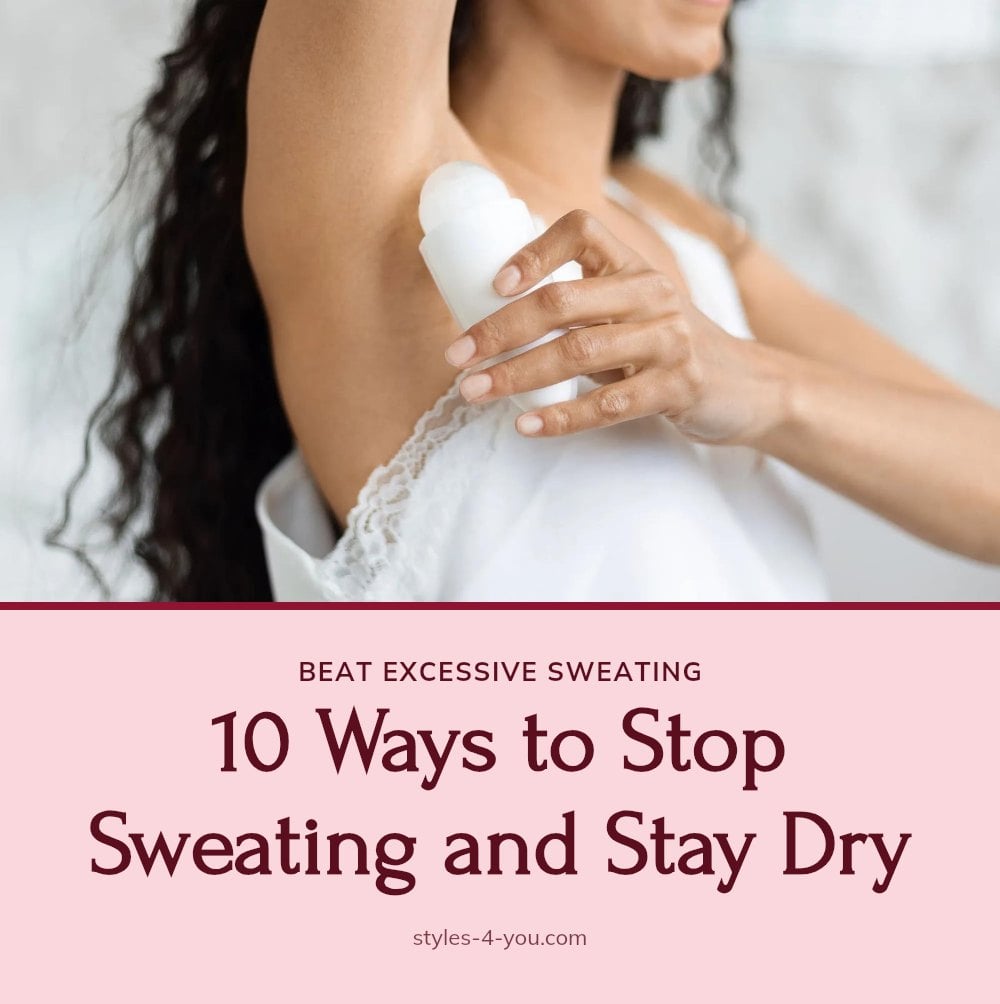
If you feel like you’re sweating more than everyone else around you, it’s not just in your head. Sweating is a normal way your body cools down, but when it feels excessive or inconvenient, it can be frustrating. This article covers simple, practical strategies to help you stay dry all day, from choosing the right antiperspirant to making small lifestyle changes.
Whether you’re dealing with everyday sweat or something that feels more persistent, these tips can help you feel more comfortable and confident.
Key Takeaways
- Apply antiperspirant at night on clean, dry skin for best results.
- Choose loose-fitting clothes made from natural fabrics like cotton or linen.
- Shower daily with antibacterial soap to reduce body odor from sweat.
- Identify and avoid triggers like spicy foods, caffeine, and alcohol.
- See a doctor if sweating starts suddenly, is one-sided, or comes with other symptoms.
Why You Might Be Sweating More Than Usual
Sweating is your body’s natural way of cooling down, but when it feels like too much, it’s often just a response to heat, exercise, stress, or even that spicy lunch you had. However, if you’re sweating heavily without a clear trigger and it’s interfering with your daily life, it might be hyperhidrosis, a medical condition that’s more than just a reaction to the weather. The good news is there are plenty of practical strategies to help you manage everyday sweating, from adjusting your routine to choosing the right products.
1. Apply Antiperspirant at Night
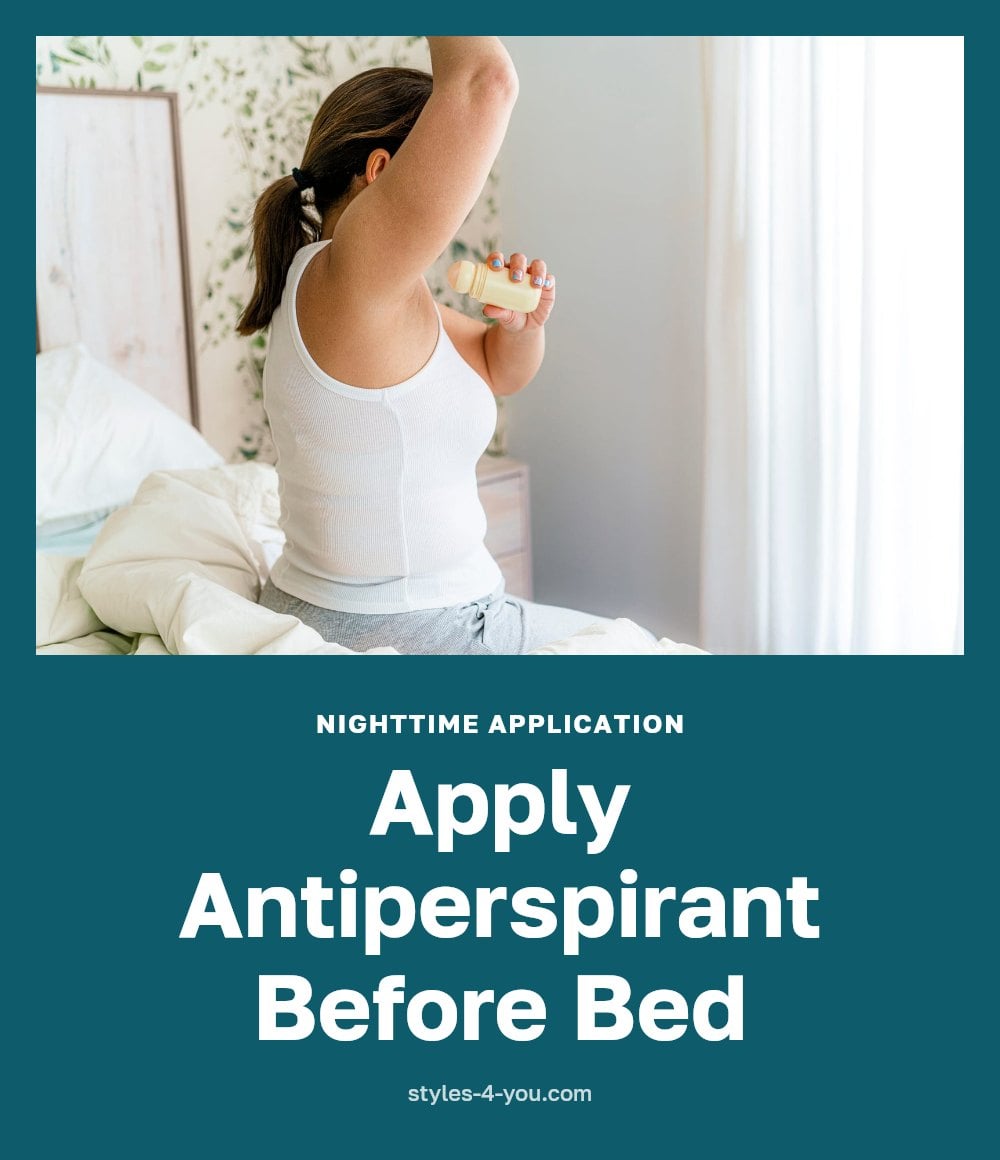
For maximum effectiveness, apply antiperspirant at night on clean, dry skin. This allows the aluminum-based compounds to block your sweat ducts while your sweat glands are less active overnight.
- Why it works: The active ingredients need time to form a plug in the ducts, and nighttime application gives them that.
- My tip: Even if you shower in the morning, the antiperspirant from the night before is still working. Reapplying in the morning is optional.
2. Choose Breathable Fabrics
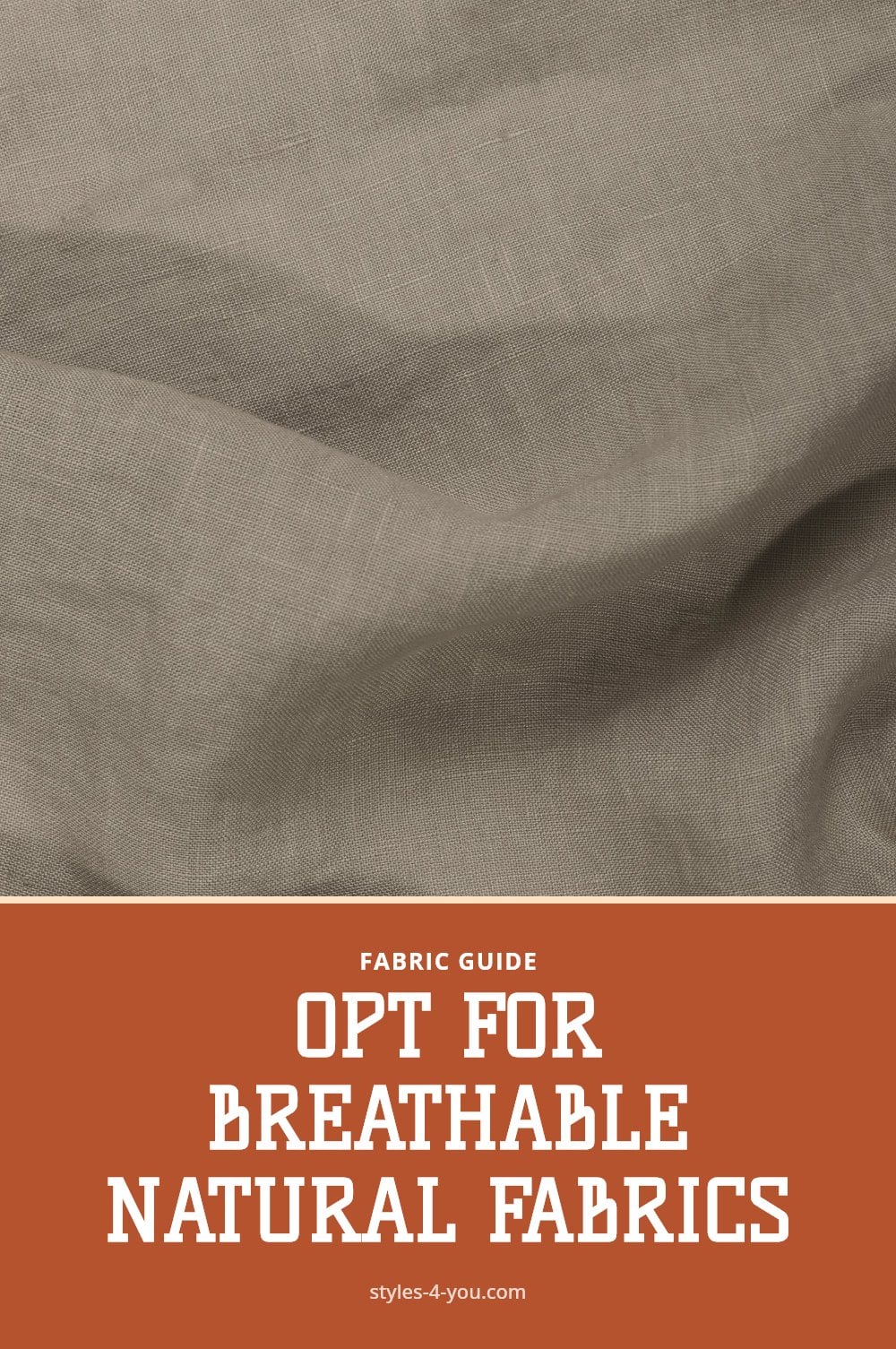
Choose loose-fitting clothes made from natural, breathable fabrics like cotton, linen, bamboo, or merino wool. These materials let air circulate, helping sweat evaporate and keeping your skin cooler.
- Avoid: Tight clothing and synthetics like polyester, which trap heat and moisture, making sweating worse and leading to odor.
- Good to know: Natural fibers absorb moisture better, so you feel drier throughout the day.
3. Use Sweat-Absorbing Pads
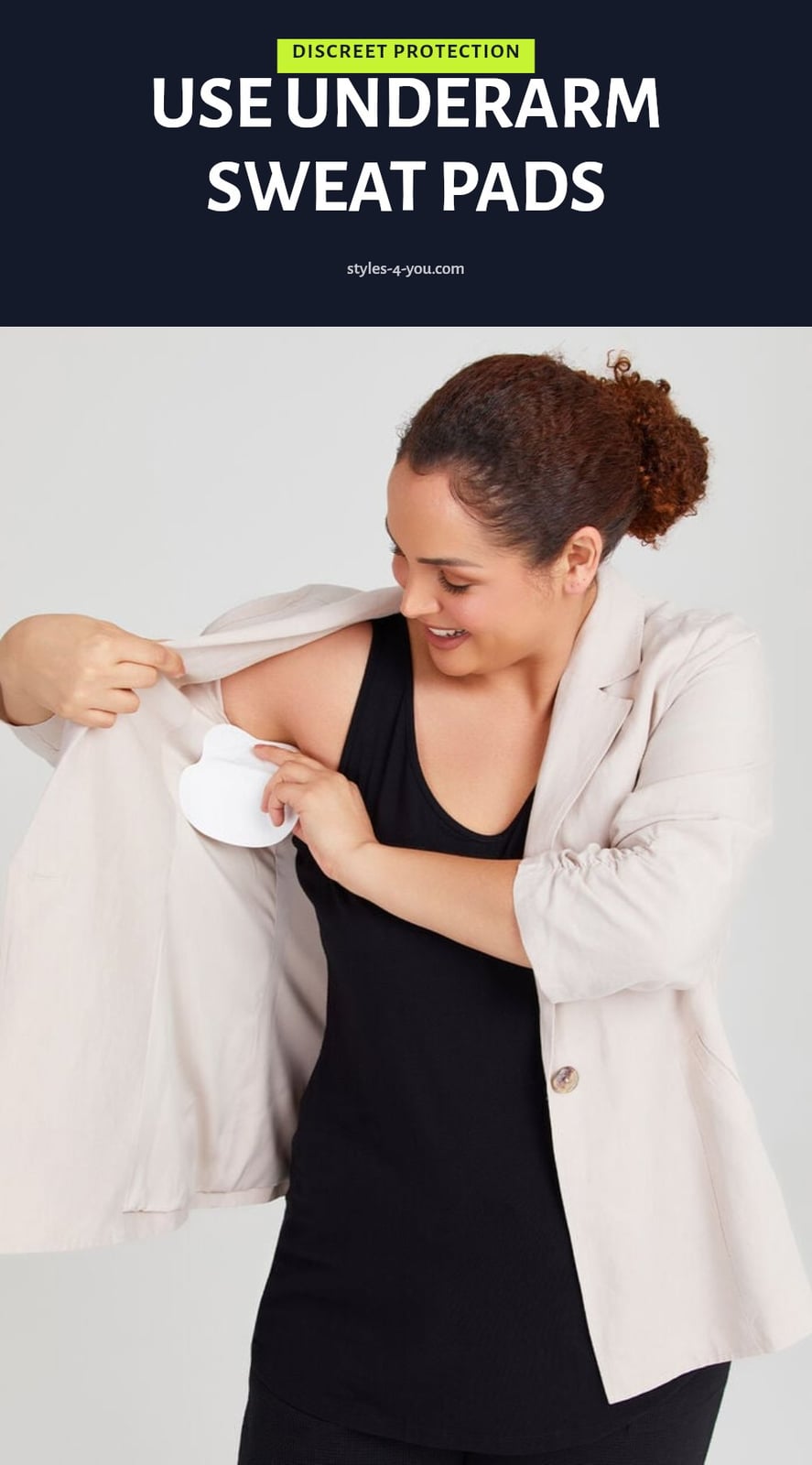
Sweat-absorbing pads or shields are a simple fix for protecting your clothes and boosting your confidence. These thin, adhesive pads stick to the inside of your clothing in areas like the armpits, absorbing sweat before it reaches your outer layer.
- Benefit: Discreet and prevents visible sweat marks, especially helpful for important events or when wearing delicate fabrics.
- Tip: Keep a few in your bag for quick touch-ups during the day.
4. Shower Daily with Antibacterial Soap
Showering daily with antibacterial soap can significantly cut down on body odor linked to sweating. The sweat from apocrine glands in your armpits and groin is thicker, and when bacteria on your skin break it down, that’s where the smell comes from. Antibacterial soap reduces those bacteria, so there’s less odor to begin with.
My tip: Focus on the armpits and groin area every time you wash. A thorough cleanse there keeps bacterial growth in check and helps you feel fresh longer.
5. Stay Hydrated with Water
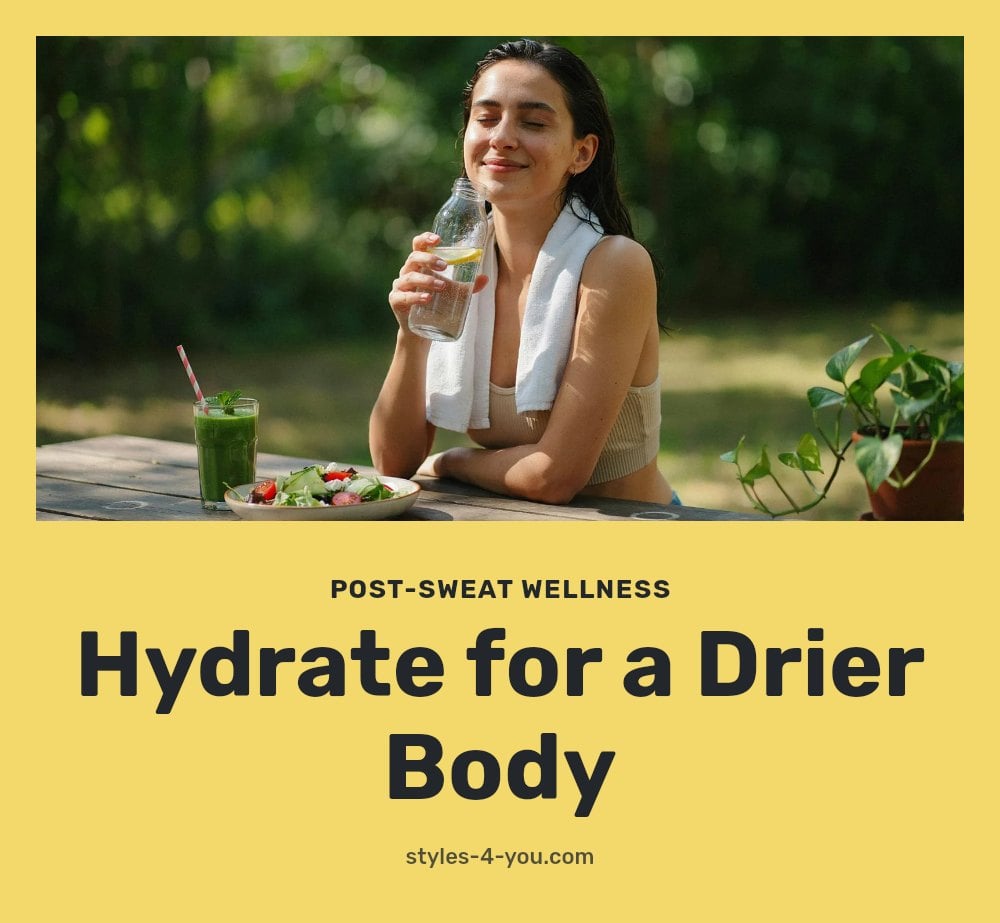
Drinking plenty of water seems counterintuitive when you’re already sweaty, but it helps your body regulate its temperature more efficiently. When you’re well-hydrated, your body doesn’t have to work as hard to cool itself, which may reduce the need for excessive sweating.
Tip: Keep a water bottle on your desk or in your bag and sip throughout the day. Increase your intake in warmer weather or during workouts, when your body loses more fluid through sweat.
6. Identify and Avoid Triggers
Certain foods, drinks, and situations can trigger sweating in some people. Spicy foods, caffeine, and alcohol are common culprits because they stimulate your sympathetic nervous system, which ramps up sweat production.
Pay attention to when you sweat more than usual. If you notice a pattern after a spicy meal or a second coffee, try limiting those triggers and see if it makes a difference. Keeping a simple mental note of your triggers can help you plan around them.
7. Manage Stress and Anxiety
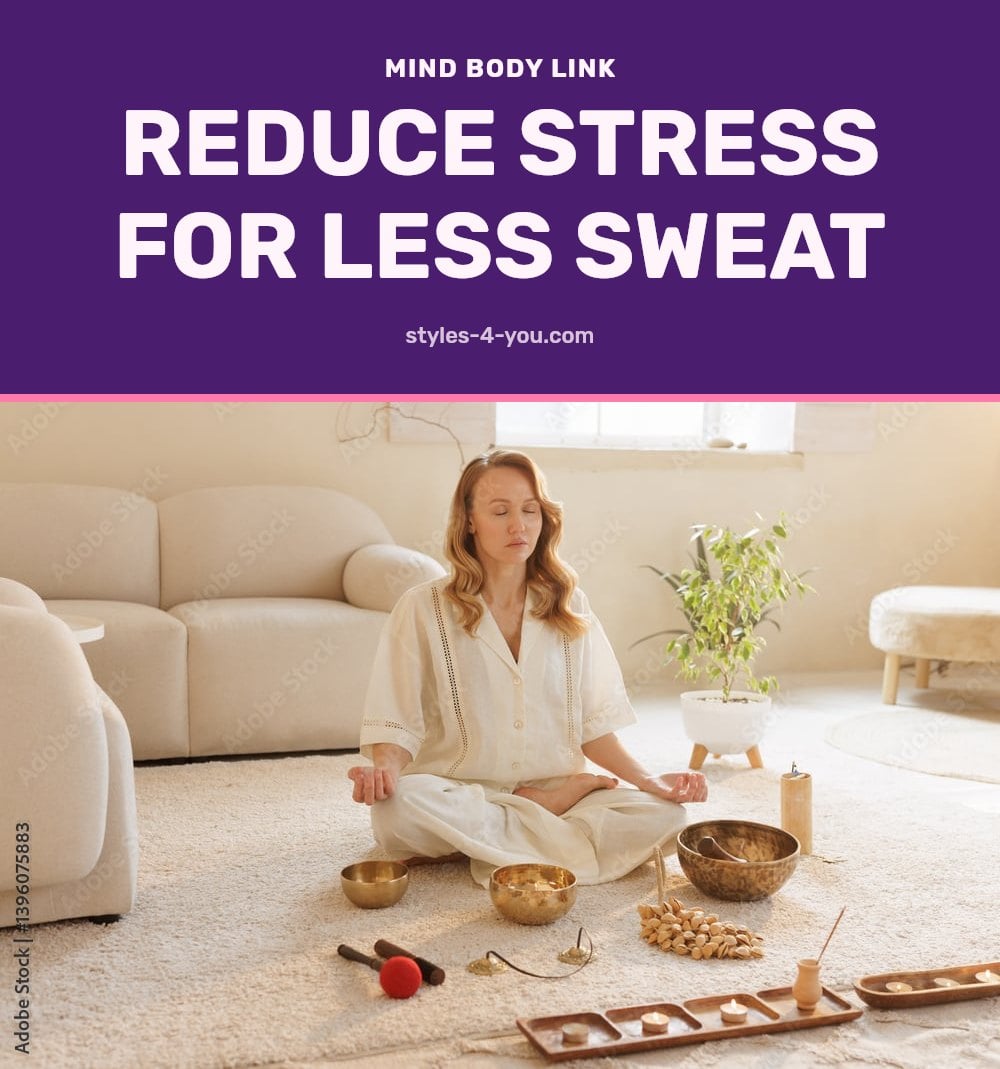
Stress and anxiety are major sweat triggers, especially on your palms, soles, and underarms. Your sympathetic nervous system, which controls sweating, becomes more active when you’re tense, so your body produces more sweat even if you’re not hot.
Practicing relaxation techniques like deep breathing, meditation, or yoga can help calm your nervous system and reduce stress-induced sweating. Even a few minutes of slow, deliberate breathing when you feel anxious can make a noticeable difference.
8. Use Talcum Powder or Cornstarch
For areas prone to chafing and moisture, like under breasts or in skin folds, talcum powder or cornstarch can be very effective. These powders absorb excess moisture, helping to keep skin dry and prevent irritation and odor.
Good to know: Apply a light dusting to clean, dry skin to create a barrier against sweat and friction. Reapply if you notice dampness returning, especially on hot days or after exercise.
9. Wear Moisture-Wicking Activewear
When you work out, skip the cotton tee and grab activewear made with moisture-wicking fabric. These synthetic blends pull sweat away from your skin to the outer surface of the material, where it evaporates quickly, keeping you drier and more comfortable.
Cotton, by contrast, soaks up sweat and stays damp against your body, which can make you feel hotter and heavier. Look for tops and leggings labeled as moisture-wicking or performance wear, especially for running, cycling, or any high-intensity session.
Pro move: For high-intensity workouts where sweat production is naturally higher, this fabric choice makes the biggest difference. You will finish your session feeling cooler and less sticky.
When to See a Doctor About Sweating
These tips help with everyday sweating, but sometimes it's time to talk to a doctor. Make an appointment if your excessive sweating starts suddenly, happens on only one side of your body, or comes with weight loss, fever, or night sweats. If sweating is sudden and severe along with chest pain, dizziness, or shortness of breath, seek immediate medical attention. These can signal a serious health issue.
A doctor can check for underlying conditions like thyroid disorders or diabetes. For hyperhidrosis, they may discuss prescription antiperspirants, iontophoresis for hands and feet, or Botox injections for underarm sweating.
Frequently Asked Questions
Can diet affect how much I sweat?
Yes, what you eat and drink can play a role. Spicy foods, caffeine, and alcohol are common triggers because they stimulate your sympathetic nervous system, which ramps up sweat production. Paying attention to your diet and cutting back on these items may help reduce sweating for some people.
Is there a difference between deodorant and antiperspirant?
Yes, they work differently. Antiperspirants use aluminum-based compounds to temporarily block sweat ducts, reducing the amount of sweat that reaches your skin. Deodorants, on the other hand, mask body odor but do not stop sweating. If your goal is to stay dry, look for an antiperspirant.
Why do I sweat more when I’m stressed?
Stress and anxiety activate your sympathetic nervous system, which controls sweating. This can cause you to sweat more even if you’re not hot, especially on your palms, soles, and underarms. Relaxation techniques like deep breathing or meditation can help calm this response and reduce stress-related sweating.
Can certain medications cause excessive sweating?
Yes, some medications, including certain antidepressants, pain relievers, and blood pressure drugs, can cause excessive sweating as a side effect. This is known as secondary hyperhidrosis. If you notice a sudden increase in sweating after starting a new medication, talk to your doctor.
How often should I apply clinical-strength antiperspirant?
For best results, apply clinical-strength antiperspirant once a day at night on clean, dry skin. This allows the active ingredients to form a plug in your sweat ducts while your glands are less active. You may see results within a few days to a week of consistent use.
Final Thoughts
Managing everyday sweating is mostly about finding what works for your body and routine. Start with one change, like switching to a clinical-strength antiperspirant applied at night, and see how it feels. Most adjustments, from fabric choices to stress management, show results within a few days to a week.
If you’ve tried these strategies and still feel like sweating is taking over your life, it’s worth talking to a doctor to rule out any underlying conditions. You deserve to feel dry and comfortable every day.
This article is for general informational purposes only and is not a substitute for professional medical advice. Sweating is a normal bodily function, but persistent or severe excessive sweating may require evaluation by a healthcare provider. If you have concerns about your symptoms, please consult a doctor or dermatologist.
More Blog ideas
- Your Essential Guide to a Healthy Feminine Hygiene Routine
- Best High Protein Foods to Eat Daily for Health and Energy
- Feeling Stuck: 12 Small Steps to Get Unstuck
- Winter Skin Survival Tips
- How to Get a Flat Stomach
- How to Fix Damaged Hair and Restore Its Health
- Full-Body Kettlebell Workout
- Dry Scalp vs. Dandruff
- Full Body Workout for Beginners
- 21 Easy Beauty Tips Every Woman Should Know
- Feminine Energy: 15 Daily Habits to Feel More Radiant
- Upper Body Workout for Women at Home






