How to Tame Frizzy Hair for Smooth, Manageable Strands
Discover how to tame frizzy hair with our expert guide. Learn why frizz happens and a step-by-step routine to achieve smooth, beautiful hair.


Frizzy hair can feel like a constant battle, especially when humidity spikes or your usual routine stops working. The good news is that frizz is usually a sign your hair needs more moisture and a gentler touch, not a permanent condition. This article covers the real causes of frizz, a step-by-step styling method that works on wet hair, and the simple habits that keep your strands smooth between washes.
Key Takeaways
- Frizz happens when the hair cuticle lifts and absorbs moisture from the air, especially in high humidity.
- Always apply leave-in conditioner and styling products to soaking wet hair to seal the cuticle.
- Use a sulfate-free shampoo and deep condition weekly or bi-weekly to keep hair hydrated.
- Gently blot hair dry with a microfiber towel or cotton t-shirt instead of rubbing it.
- Sleep on a silk or satin pillowcase to reduce friction and prevent frizz overnight.
Why Does My Hair Get Frizzy?
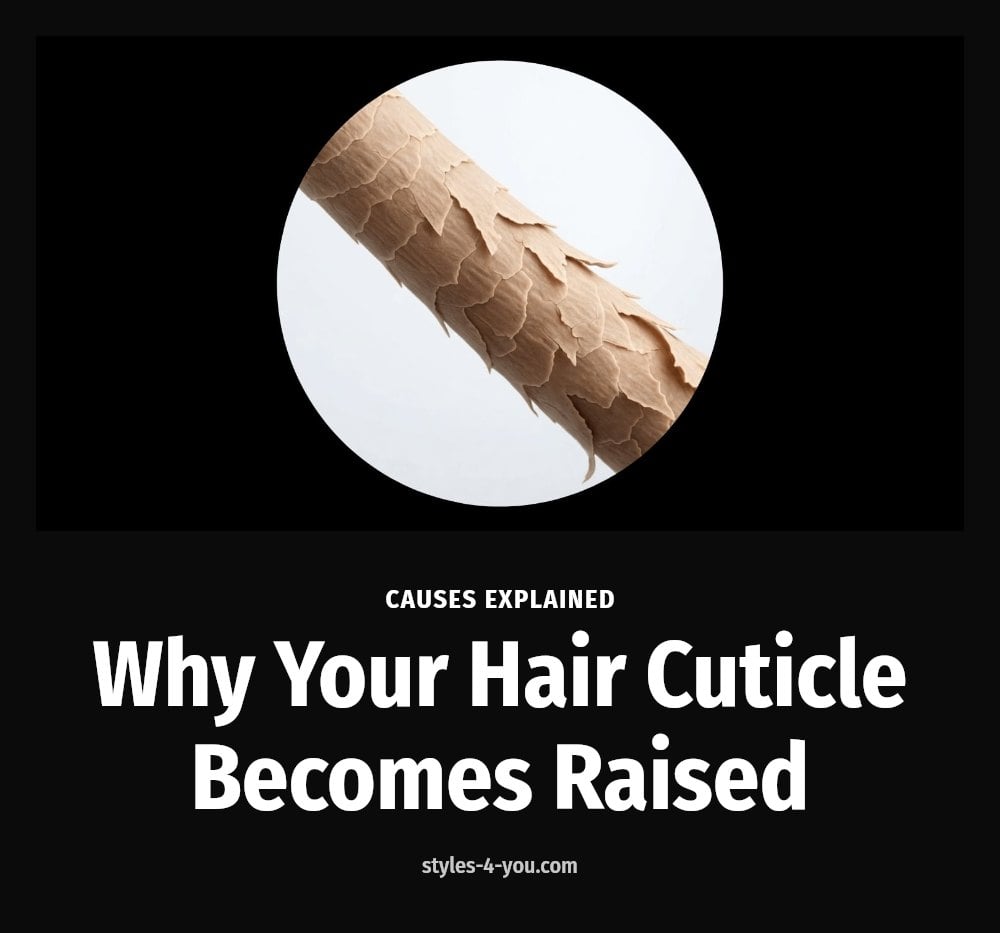
Frizzy hair happens when the outer cuticle layer lifts, letting moisture from the air sneak in and swell the strands unevenly. Dry hair is especially prone because it actively seeks out that environmental moisture, making the swelling worse. High humidity, heat styling without a protectant, and over-washing all strip or disturb the cuticle, so frizz flares up. The fix starts with understanding what your hair is missing: moisture and protection.
Understanding the Causes of Frizzy Hair
What Causes Frizz?
Frizz is your hair’s cry for moisture. When the cuticle (the outer layer) is raised, humidity from the air enters and swells the strands unevenly. Dry hair makes this worse because it actively pulls moisture from the environment, so the cuticle stays open and frizz takes over.
Several habits and conditions trigger this:
- High humidity: A primary environmental trigger, since moist air easily penetrates an open cuticle.
- Heat styling without protection: High temperatures damage the cuticle, leaving it rough and prone to lifting.
- Over-washing: Strips natural oils that keep the cuticle smooth and sealed.
- Rough towel-drying: Rubbing with a terrycloth towel disrupts the cuticle and promotes frizz.
- Sulfate shampoos: Harsh detergents remove moisture, leaving hair dry and frizz-prone.
Once you know these culprits, you can adjust your routine to keep the cuticle flat and your hair calm.
Essential Tools and Products for Frizz-Free Hair
Stock your shower and styling drawer with these essentials to fight frizz at every step:
- Sulfate-free shampoo and moisturizing conditioner: Cleanse gently without stripping natural oils.
- Deep conditioning mask: Provides intense moisture to combat dryness.
- Leave-in conditioner and hair serum or oil (argan or jojoba): Seal the cuticle and add shine.
- Heat protectant spray: Shields hair from heat damage before styling.
- Microfiber towel or cotton t-shirt: Minimizes friction during drying.
- Silk or satin pillowcase: Reduces overnight friction, preventing frizz and breakage.
- Wide-tooth comb: Detangles wet hair gently without pulling.
Your Step-by-Step Guide to Taming Frizzy Hair
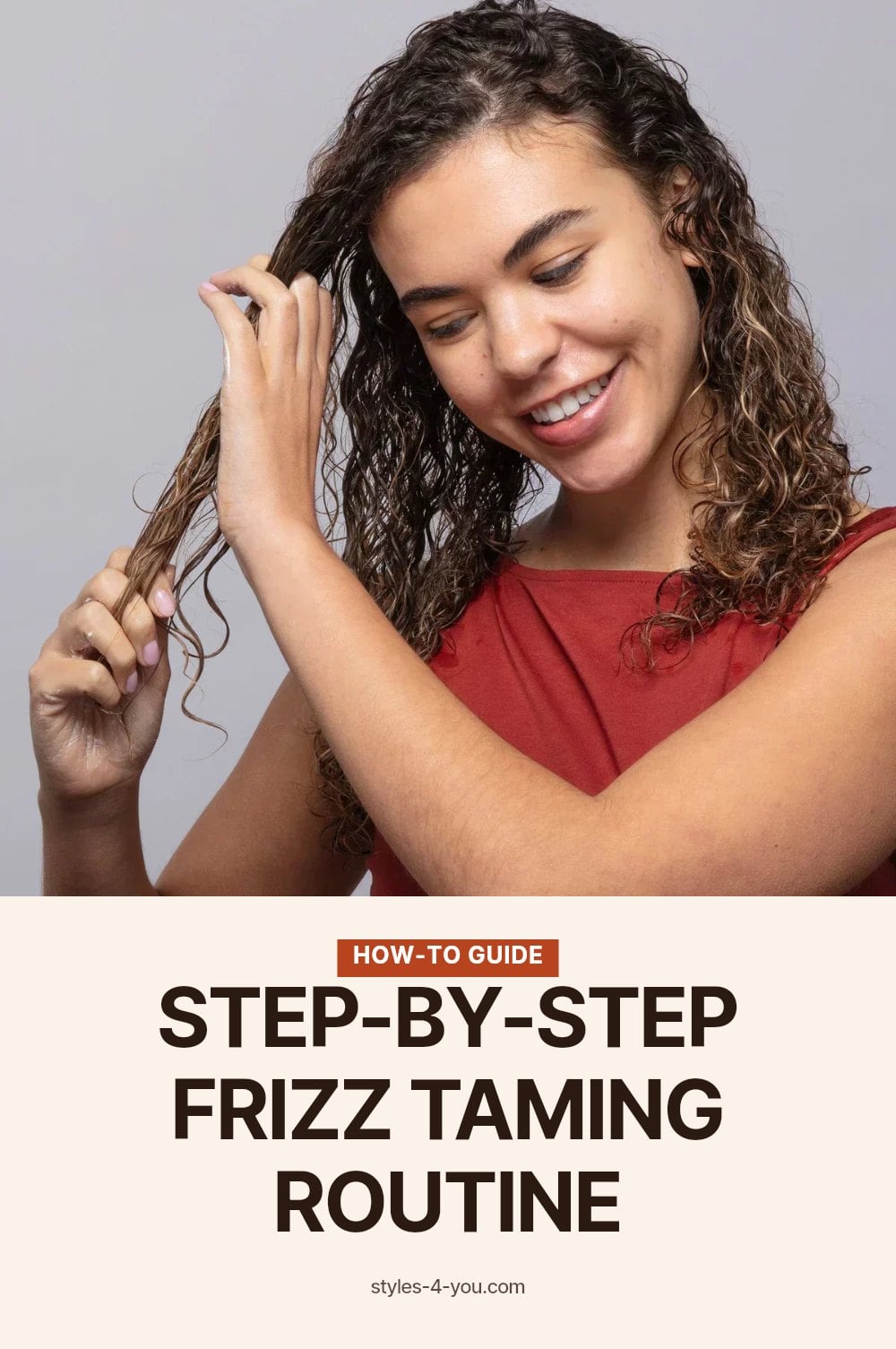
Follow this routine on wash day to get smooth, defined waves without the frizz. The key is to work with soaking wet hair and handle it gently from start to finish.
- Wet your hair thoroughly: Keep adding water until you hear a squishing sound when you squeeze a section. This ensures your hair is fully saturated and ready to absorb products.
- Apply leave-in conditioner: Squish it into your hair to lock in moisture. This is non-negotiable for dry, coarse, color-treated, or damaged hair.
- Add a small amount of curl cream: Squish it in to enhance your natural waves. Too much will weigh hair down, so start with a pea-sized amount.
- Re-wet if needed: If your hair starts to dry while styling, spritz with water from a spray bottle. Dry hair won’t absorb products properly and will frizz.
- Brush to distribute: Use a wide-tooth comb or a wet brush to spread the products evenly from roots to ends.
- Scrunch gently: Cup sections of hair in your palms and squeeze upward, holding each scrunch for a few seconds. This encourages wave formation without roughing up the cuticle.
- Define stubborn sections: For more defined waves, brush a section, twirl the brush end to create a barrel curl, then gently scrunch and hold.
- Apply gel or mousse: Use a lightweight formula all over, scrunching gently to work it in. This holds the style and prevents frizz without crunchiness.
- Remove excess water: Use a cotton t-shirt towel to lightly scrunch your hair. This speeds up drying and reduces friction compared to a regular towel.
- Diffuse on low: If using a diffuser, set it to the lowest heat and air settings. Cup sections of hair and move the diffuser as little as possible to avoid disturbing the strands.
Prefer to watch? Hang walks through the whole method in this 4-minute video.
Common Mistakes That Make Frizz Worse
Even with the right products, a few habits can undo all your hard work. Here are the most common frizz culprits to avoid:
- Not styling on wet hair: Products sit on top of the strands and feel greasy instead of sinking in and sealing the cuticle.
- Skipping leave-in conditioner: Your hair misses the moisture it needs, especially if it is dry, coarse, color-treated, or damaged.
- Using too much or too little curl cream: Too much weighs waves down, too little leaves them undefined and frizzy.
- Aggressively scrunching hair: The friction from rough handling creates frizz, especially when hair is not wet enough.
- Letting hair air dry for hours: The cuticle stays open while drying, which invites humidity and frizz.
- Moving the diffuser too much: Constant motion disturbs the strands and breaks up the curl pattern as it sets.
- Brushing dry hair: This disrupts curl clumps and roughs up the cuticle, creating instant frizz.
- Using harsh shampoos: Sulfates strip natural oils, leaving hair dry and desperate for moisture.
- Rough towel-drying: Rubbing with a terrycloth towel damages the cuticle and promotes frizz before styling even begins.
Expert Tips for Long-Lasting Frizz Control
Once your wash day routine is solid, these habits keep frizz in check between washes:
- Rinse with cool water: A cold final rinse helps seal the cuticle, locking in moisture and smoothing the strand.
- Protect from humidity: On damp days, pull hair into a braid or bun to minimize how much moisture reaches the strands.
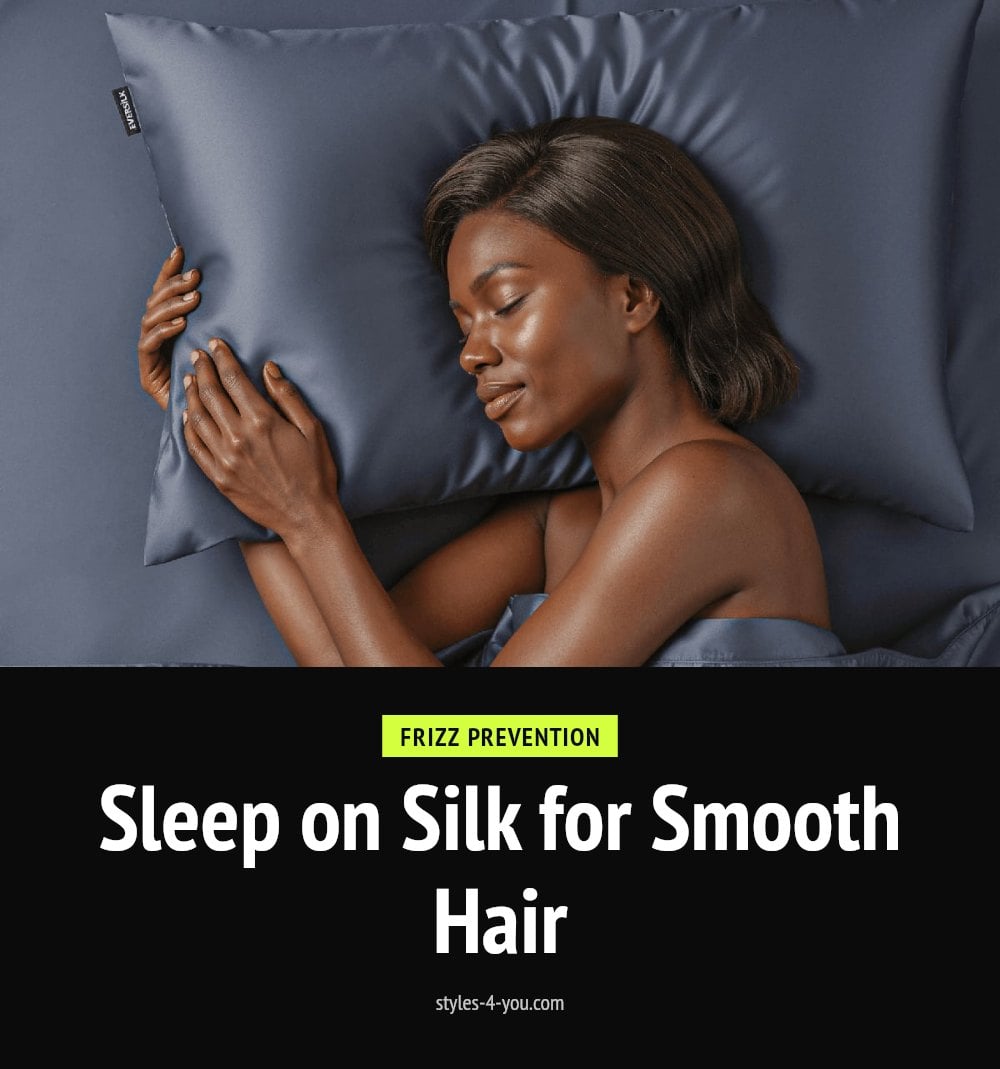
- Sleep on silk or satin: A silk or satin pillowcase reduces friction while you toss and turn, preventing frizz and breakage.
- Regular trims: Split ends travel up the shaft and worsen frizz, so book a trim every 6 to 8 weeks.
- Deep condition weekly: A weekly or bi-weekly mask provides the intense moisture that keeps the cuticle flat and smooth.
Preventing Frizz Before It Starts

Prevention is easier than repair. Build these habits into your routine to stop frizz before it starts:
- Wash gently: Use a sulfate-free shampoo and a moisturizing conditioner so your hair keeps its natural oils.
- Seal damp hair: Apply a leave-in conditioner or a few drops of hair serum to damp hair right after washing to lock moisture in.
- Deep condition regularly: Treat your hair to a deep conditioning mask once a week or every other week for lasting smoothness.
- Dry by blotting: Press a microfiber towel or cotton t-shirt against your hair instead of rubbing it dry.
- Protect from heat: Spray a heat protectant on every section before you reach for any hot tool.
- Shield from humidity: In humid weather, choose a braid, bun, or other protective style to limit moisture exposure.
- Sleep smooth: Switch to a silk or satin pillowcase so overnight friction does not rough up the cuticle.
- Trim on schedule: Book a trim every 6 to 8 weeks to remove split ends before they cause more frizz.
When to Consult a Professional for Frizzy Hair
Most frizz responds well to a consistent home routine, but some situations call for a professional. See a dermatologist if your frizz comes with significant hair loss or unusual scalp irritation. If you have tried multiple products and methods without improvement, a stylist can assess your hair type and suggest personalized treatments. For severe damage, an in-salon treatment or a strategic cut may be the most effective fix.
Frequently Asked Questions
Why is my hair still frizzy after I apply products?
Products won’t work well if they’re applied to dry or barely damp hair because they sit on top instead of sealing the cuticle. Make sure your hair is thoroughly wet until you hear a squishing sound when you squeeze it. Also, check that you’re using enough moisture: dry or damaged hair often needs a leave-in conditioner plus a cream or serum.
Can humidity make frizz worse?
Yes, high humidity is a primary trigger for frizz. When the air is moist, the raised cuticle absorbs that extra water, swelling the hair strands unevenly. Using a lightweight gel or mousse on wet hair helps lock the cuticle down, and pulling hair into a protective style on damp days can also help.
How often should I deep condition my hair?
For most hair types, deep conditioning once a week or every other week is enough to keep frizz in check. If your hair is very dry, color-treated, or damaged, you can increase it to twice a week. The goal is to restore moisture without weighing hair down, so adjust based on how your hair feels.
What are the best ingredients to look for in anti-frizz products?
Look for moisturizing ingredients like glycerin, aloe vera, and natural oils such as argan or jojoba oil. These help draw moisture into the hair and smooth the cuticle. Avoid products with sulfates, which can strip natural oils, and be cautious with humectants in very high humidity because they can pull in too much moisture.
Does brushing my hair cause frizz?
Brushing dry hair, especially if it’s curly or wavy, can disrupt the curl pattern and rough up the cuticle, creating frizz. The best time to brush is when your hair is wet and has product in it, using a wide-tooth comb or a brush designed for wet hair. This distributes products evenly and helps define waves without damage.
Final Thoughts
To get lasting frizz control, make wet styling and gentle handling your new normal. Start with a sulfate-free shampoo and a deep conditioning mask once a week, then apply leave-in conditioner and a lightweight gel on soaking wet hair before drying with a diffuser on low heat. Expect to see smoother hair right away, but give your routine a few weeks for the full effect. The key is consistency: treat your hair like delicate fabric, and it will reward you with less frizz and more definition.
This article is for general informational purposes only and does not constitute medical or professional hair care advice. Individual results may vary. If you experience significant hair loss, scalp irritation, or a persistent condition, please consult a dermatologist or a licensed hair care professional.
More Blog ideas
- Your Essential Guide to a Healthy Feminine Hygiene Routine
- Best High Protein Foods to Eat Daily for Health and Energy
- Feeling Stuck: 12 Small Steps to Get Unstuck
- Winter Skin Survival Tips
- How to Get a Flat Stomach
- How to Fix Damaged Hair and Restore Its Health
- Full-Body Kettlebell Workout
- Dry Scalp vs. Dandruff
- Full Body Workout for Beginners
- 21 Easy Beauty Tips Every Woman Should Know
- Feminine Energy: 15 Daily Habits to Feel More Radiant
- Upper Body Workout for Women at Home






