11 Thicker Hair Tips that Really Work
Want to boost your hair's volume and density? Discover 12 effective tips for thicker hair, from scalp care to styling tricks and dietary changes.

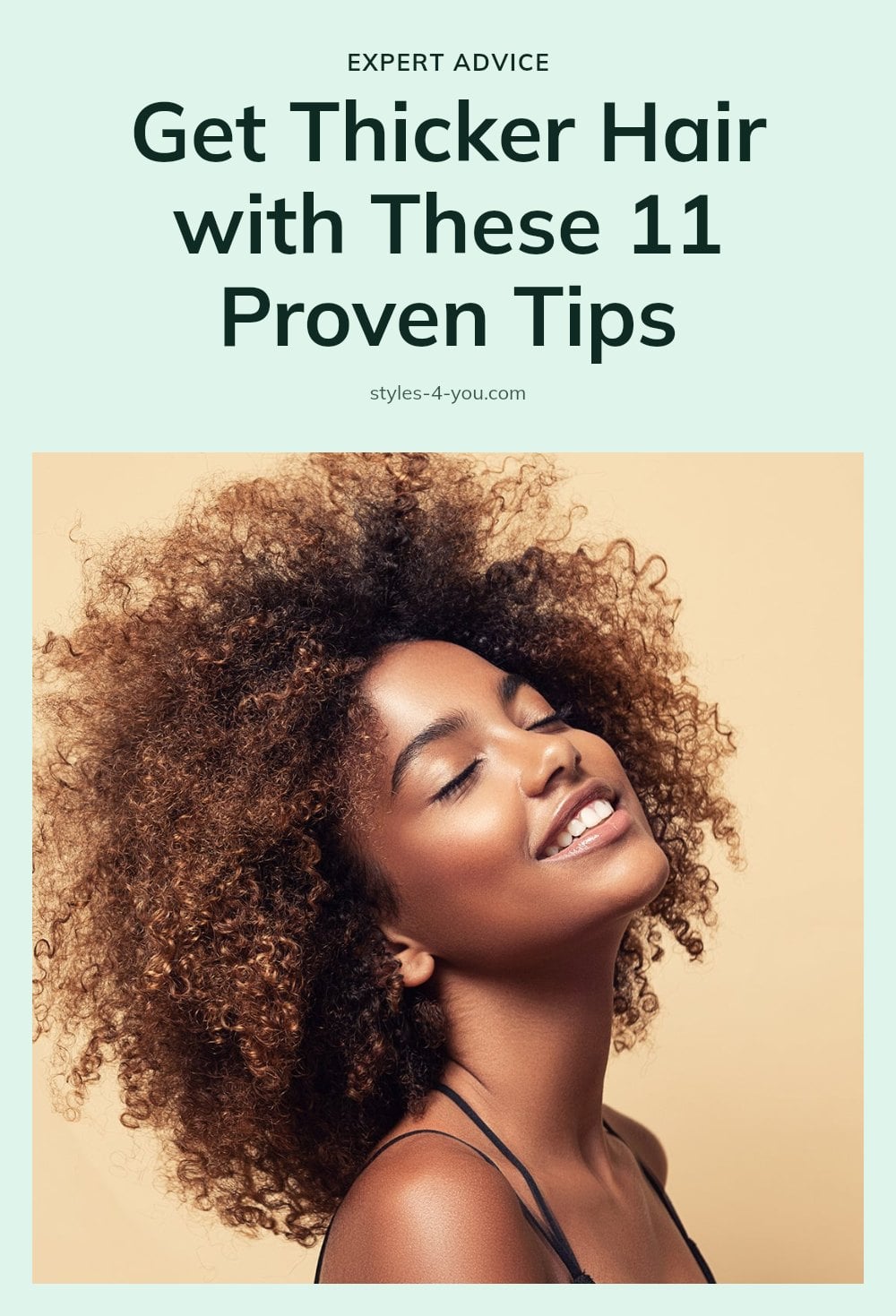
If you’ve been noticing your hair looks a bit thinner or lacks the volume it used to have, you’re not alone. Thicker hair is a common goal, and while you can’t change your genetics, you can absolutely improve the health and appearance of each strand. This article covers practical, proven tips to help you get thicker-looking hair, from scalp care and smart product choices to diet and gentle handling.
Key Takeaways
- Healthy scalp care is the foundation for thicker-looking hair; gentle massage can boost circulation.
- Use volumizing shampoos and conditioners to plump strands without weighing them down.
- Eat a balanced diet rich in protein, iron, zinc, and B vitamins to support strong hair.
- Minimize heat styling and always use a heat protectant to prevent breakage.
- Be patient: hair grows about half an inch per month, so results take several weeks to months.
Get Thicker-Looking Hair: The Quick Answer
Thicker-looking hair starts with a multi-faceted approach: improving individual strand health, reducing breakage, and stimulating scalp circulation. While genetics largely determine your natural hair density, you can enhance the appearance of thickness through targeted hair care, nutrition, and gentle handling. Consistency matters most, and if you suspect an underlying health issue, addressing it with a professional can make a significant difference.
1. Prioritize Scalp Health

A healthy scalp is the foundation for healthy hair growth, think of it as fertile soil for a plant. Regular, gentle scalp massage can help stimulate blood circulation to your hair follicles, which may encourage growth and improve nutrient delivery. Use your fingertips or a soft scalp massager for 5 minutes a day.
- Clarify: Use a clarifying shampoo once a week or every other week to remove product buildup that can clog follicles.
- Don’t overdo it: Too much clarifying can strip natural oils and irritate the scalp.
2. Choose Volumizing Products
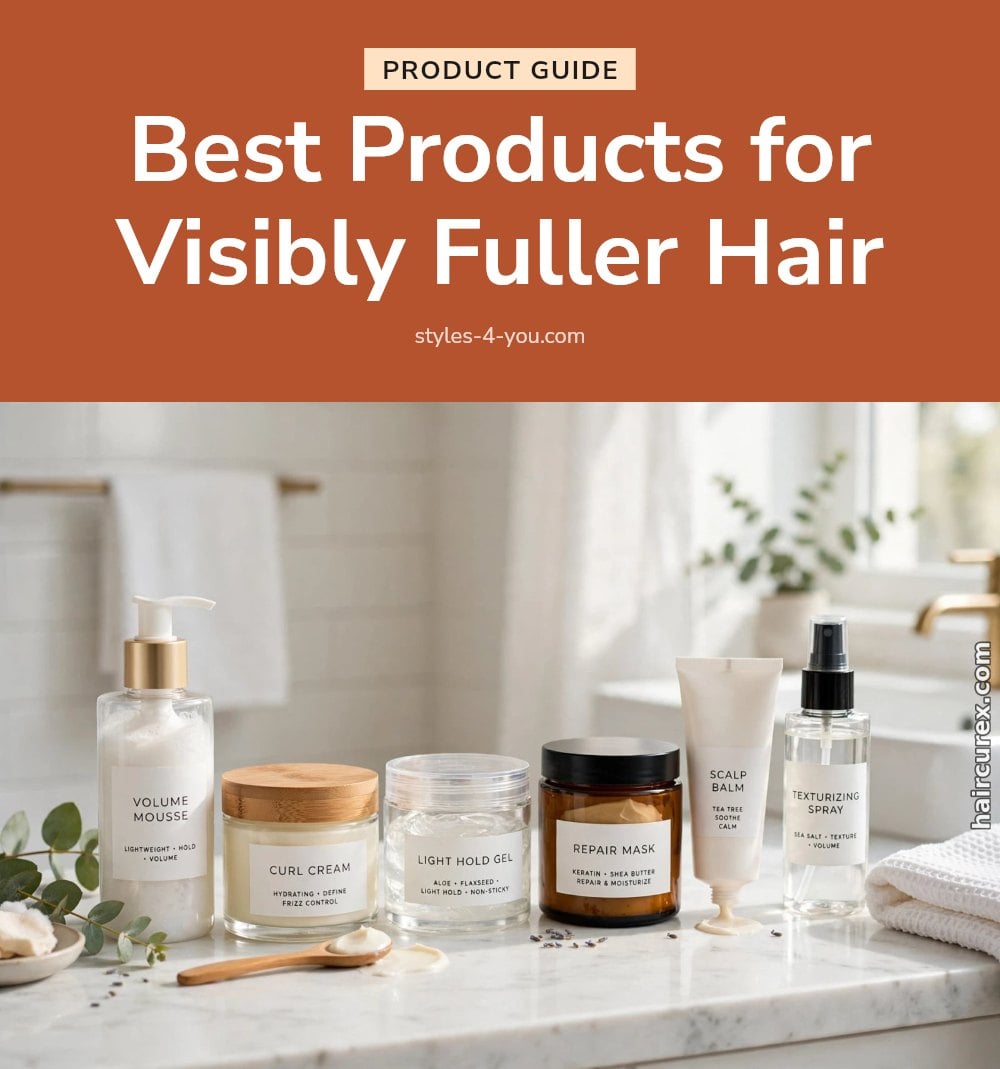
Volumizing shampoos, conditioners, and styling products are designed to temporarily plump up individual hair strands, creating the illusion of fuller hair. Look for ingredients like polymers that coat the hair shaft without weighing it down. My tip: apply conditioner only to the mid-lengths and ends to avoid flattening your roots, unless the label specifically says it is safe for roots.
- Root-friendly volumizing conditioners: Some formulas are lightweight enough to apply more broadly, even near the scalp, without flattening hair.
- Thickening serums: These often contain ingredients that support hair health and improve the appearance of density over time.
3. Eat a Hair-Healthy Diet
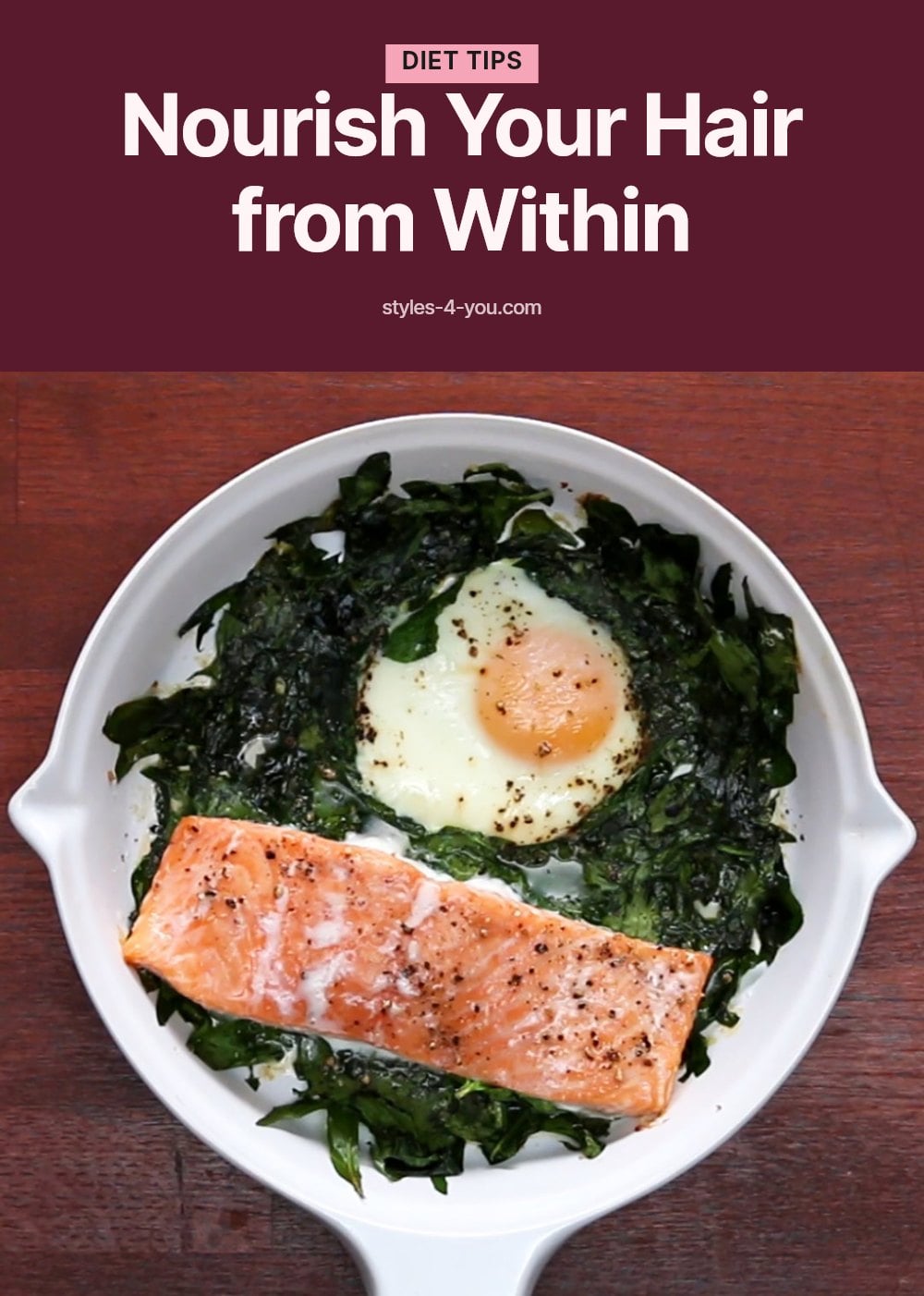
Your hair is made primarily of protein, so ensuring adequate protein intake is crucial for strong, healthy strands. Include lean meats, fish, eggs, and legumes in your diet. A balanced diet rich in vitamins and minerals, especially iron, zinc, and B vitamins, supports overall hair health and can prevent deficiencies that lead to thinning.
- Omega-3s: Foods like salmon and flaxseeds are believed to support scalp health.
- Variety: Aim for a colorful plate with leafy greens, nuts, and whole grains to cover your bases.
4. Minimize Heat Styling
Excessive heat from blow dryers, flat irons, and curling wands can damage the hair’s outer layer, leading to breakage and making your hair appear thinner. If you must use heat, always apply a heat protectant spray beforehand. My tip: Air dry your hair partially before blow-drying to reduce heat exposure.
Opt for lower heat settings and try to limit heat styling to a few times a week, giving your hair a break. This simple adjustment can significantly reduce damage over time.
5. Handle Wet Hair Gently

Wet hair is much more fragile and prone to breakage than dry hair. Vigorously rubbing it with a towel can cause significant damage. Instead, gently blot your hair with a microfiber towel or an old cotton t-shirt to absorb excess water.
Use a wide-tooth comb to detangle wet hair, starting from the ends and working your way up to minimize pulling and breakage. This gentle approach helps preserve your hair’s integrity.
6. Explore Topical Treatments
Minoxidil is an FDA-approved ingredient known to promote hair growth and can be found in over-the-counter solutions and foams. While scientific evidence is still emerging, some essential oils, like rosemary oil, are anecdotally used for hair growth stimulation. Always dilute essential oils with a carrier oil like jojoba or coconut oil before applying to the scalp.
Always perform a patch test when trying new topical products, especially those with essential oils, to check for allergic reactions. Stop using a product if it causes significant scalp irritation, redness, or discomfort.
7. Consider Supplements Wisely
If your diet lacks certain nutrients, supplements like biotin, collagen, or marine protein complexes might be beneficial for hair health. However, supplements are not a magic bullet. They are most effective when addressing a specific deficiency, which should be identified by a healthcare professional.
My tip: Always consult a doctor before taking any new supplements, especially if you have existing health conditions or are pregnant/nursing. This ensures you address the right issue safely.
8. Style for Volume
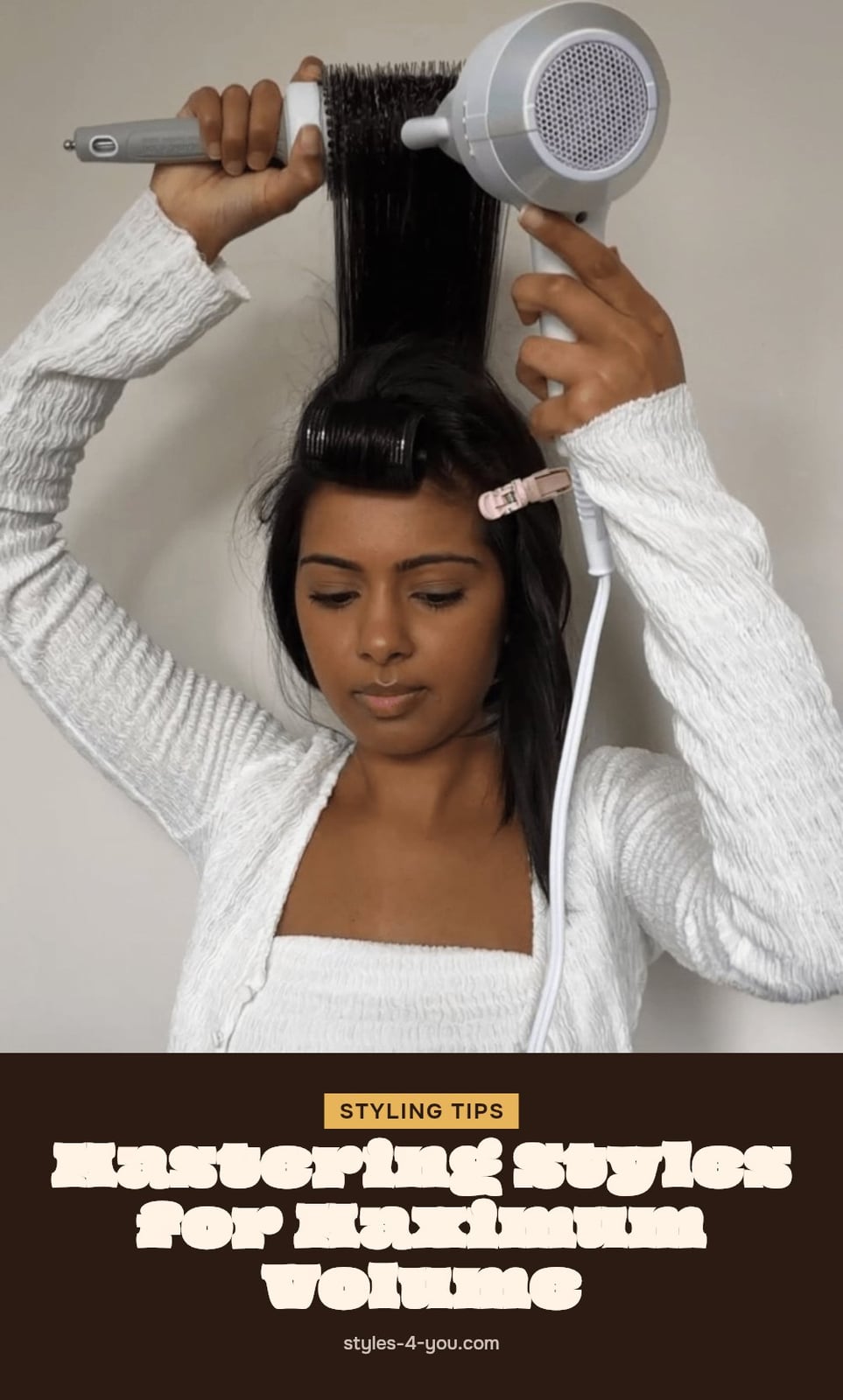
Work a volumizing mousse or foam into your roots before blow-drying. The lightweight polymers in these products lift each strand away from the scalp, which instantly makes your hair look fuller.
Blow-dry your hair upside down, or use a round brush to pull roots upward and away from your scalp. Finish with a cool shot of air to set the lift in place.
My tip: A little dry shampoo applied to clean roots can add texture and volume, even if your hair isn’t oily. Just don’t overdo it, buildup can weigh hair down.
Caution: Dry shampoo can accumulate on the scalp over time. If you use it often, a weekly clarifying shampoo helps remove that residue and keeps your follicles clear.
9. Reduce Stress Levels
High stress levels can push hair follicles into their resting phase prematurely, leading to noticeable shedding a few months later. This type of thinning, known as telogen effluvium, is often temporary but still unsettling.
Practicing stress-reducing techniques like meditation, yoga, or spending time in nature can support your overall health, including your hair. Prioritizing sleep and maintaining a healthy work-life balance are just as important.
Good to know: Your hair reflects your body’s state, so managing stress isn’t just about feeling calmer, it’s part of a complete hair care routine.
10. Avoid Harsh Treatments
Frequent chemical treatments like perms, relaxers, and excessive coloring can weaken the hair shaft, making strands more prone to breakage and giving hair a thinner appearance. If you color your hair, space out appointments and consider gentler alternatives.
Tight hairstyles, such as very high ponytails, braids, or buns, can cause traction alopecia over time, leading to hair loss around the hairline. Give your hair a break from these styles whenever possible.
Caution: Alternate between loose and tight styles, and never sleep in a tight ponytail or bun.
11. Be Patient and Consistent
Hair grows about half an inch per month, so noticeable changes in thickness take time. Most people need several weeks to months of consistent care before seeing real results.
Stick with your chosen hair care routine, diet, and lifestyle changes for at least 3 to 6 months before judging their effectiveness. Missing a day here and there won’t ruin your progress, but consistency is what drives improvement.
Tip: Take a photo at the start and compare monthly, subtle changes are easier to spot side by side.
When to Consult a Professional
If you notice sudden, rapid, or significant hair thinning or loss, see a dermatologist or your primary care doctor. The same goes for persistent scalp irritation, redness, or discomfort that doesn’t improve with gentle care. A professional can identify underlying health conditions, hormonal imbalances, or nutritional deficiencies that may be contributing to the problem. They can also recommend treatments tailored to your specific situation, which is far more effective than guessing on your own.
Frequently Asked Questions
How long does it take to see results from hair thickening treatments?
Hair grows about half an inch per month, so noticeable improvements in thickness or growth usually take several weeks to a few months. Most people need to be consistent with their routine for at least three months before seeing real change. Patience is key.
Can stress cause hair to thin?
Yes, high stress levels can push hair follicles into a resting phase prematurely, leading to noticeable shedding a few months later. This type of thinning, known as telogen effluvium, is often temporary but still unsettling. Managing stress through techniques like meditation or yoga can help.
Are hair growth supplements effective for everyone?
No, supplements like biotin or collagen are most effective when they address a specific nutrient deficiency. They are not a magic bullet and work best when a healthcare professional identifies what you’re missing. Taking extra nutrients you don’t need won’t speed up growth.
What’s the difference between hair thickness and hair density?
Hair thickness refers to the diameter of individual hair strands, while hair density is the number of hair follicles per square inch of your scalp. You can improve the appearance of thickness by plumping up strands, but density is largely determined by genetics.
Is it possible to permanently increase hair thickness?
You cannot change the number of hair follicles you have, but you can improve the health and diameter of individual strands through good care and nutrition. Some topical treatments like minoxidil can promote growth, but results require ongoing use. Permanent changes to your natural hair structure are not possible.
Final Thoughts
The best approach to thicker hair is a consistent routine that combines scalp care, gentle handling, and good nutrition. Start by swapping your regular products for volumizing ones and adding a weekly scalp massage. Expect to stick with your new habits for at least three months before you see real change. Small, daily steps really do add up to fuller, healthier-looking hair.
This article is for general informational purposes only and does not constitute medical advice. If you are experiencing sudden, significant, or persistent hair thinning, or have concerns about your scalp, please consult a dermatologist or healthcare professional for a proper evaluation and personalized recommendations.
More Blog ideas
- Your Essential Guide to a Healthy Feminine Hygiene Routine
- Best High Protein Foods to Eat Daily for Health and Energy
- Feeling Stuck: 12 Small Steps to Get Unstuck
- Winter Skin Survival Tips
- How to Get a Flat Stomach
- How to Fix Damaged Hair and Restore Its Health
- Full-Body Kettlebell Workout
- Dry Scalp vs. Dandruff
- Full Body Workout for Beginners
- 21 Easy Beauty Tips Every Woman Should Know
- Feminine Energy: 15 Daily Habits to Feel More Radiant
- Upper Body Workout for Women at Home






