Toner 101: Benefits and How to Use It for Glowing Skin
Discover what toner is, its benefits for your skin, and how to properly incorporate it into your routine for a healthy, glowing complexion.

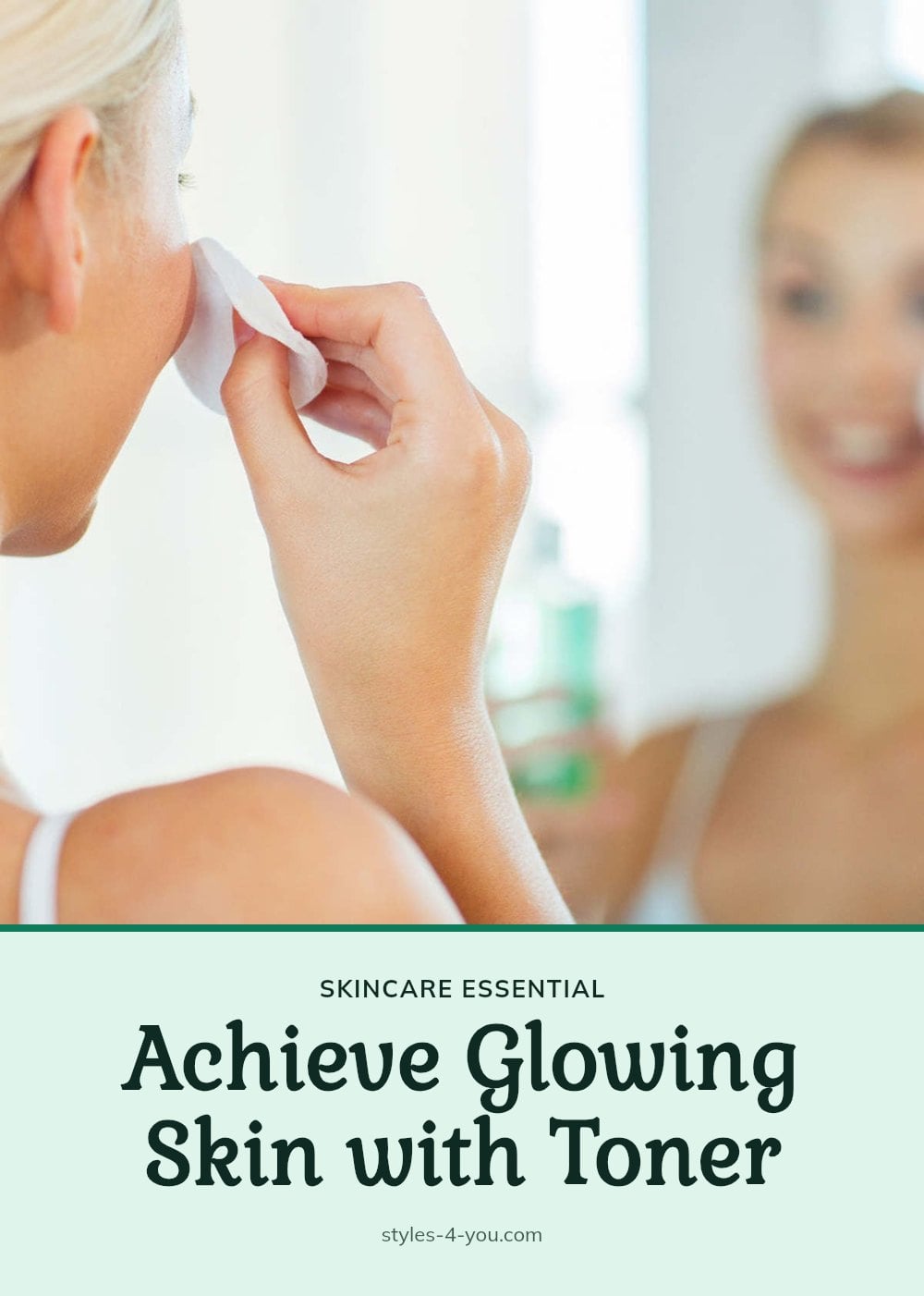
You might be wondering if toner is just an extra step or something your skin actually needs. The short answer is that a well-chosen toner can hydrate, exfoliate, or soothe your skin, and it helps the rest of your routine work better. This article covers what toner does, how to pick the right one for your skin type, and the proper way to apply it for the best results.
Key Takeaways
- Toner is applied after cleansing and before serums or moisturizers to prep your skin.
- Modern toners are alcohol-free and can hydrate, exfoliate, or soothe depending on the formula.
- Choose a toner based on your skin type: hydrating for dry, exfoliating for oily, soothing for sensitive.
- Apply toner to damp skin by patting with hands or sweeping with a soft cotton pad.
- Allow toner to fully absorb before moving to your next skincare product.
What Exactly Is Toner and Why Do You Need It?
Toner is a liquid skincare product you apply right after cleansing, before serums or moisturizers. Modern toners do more than rebalance your skin’s pH; they deliver active ingredients and prep your skin to absorb everything that follows. You can find formulations that hydrate, exfoliate, or soothe without the harsh, drying effects of older versions. It’s a versatile step that targets your specific concerns while setting the stage for the rest of your routine.
The Evolution of Toner: From Harsh to Hero
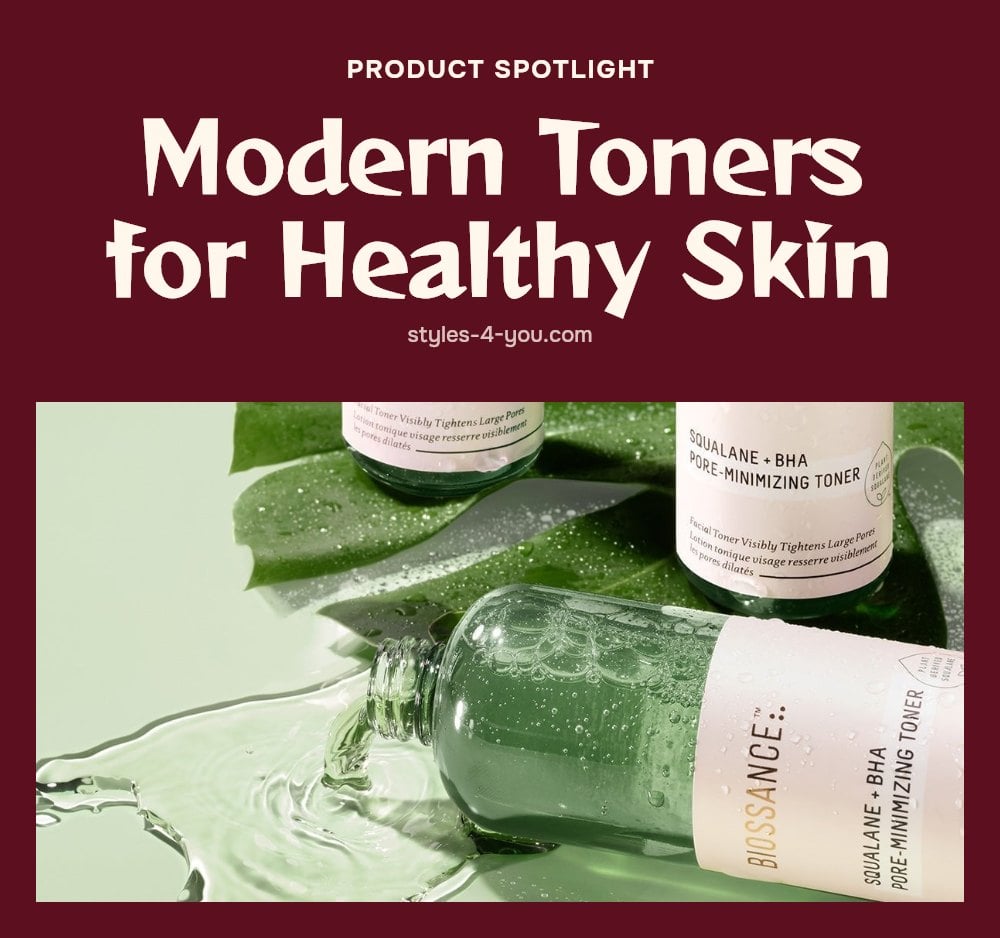
The Evolution of Toner: From Harsh to Hero
Toners used to be alcohol-based, designed to strip leftover cleanser residue and rebalance pH after harsh alkaline soaps. That approach often left skin tight and irritated. Today’s formulas are a complete turnaround. They are typically alcohol-free and packed with beneficial ingredients like humectants (think hyaluronic acid), antioxidants, and mild exfoliants such as AHAs or BHAs.
This shift means toners now target specific concerns directly. You can choose a hydrating toner to replenish moisture, an exfoliating one to smooth texture, or a soothing version to calm redness. Instead of a harsh afterthought, toner has become a hero step that enhances overall skin health.
Choosing the Right Toner for Your Skin Type
Not all toners work the same way. Picking one that matches your skin type and concerns makes the difference between a routine booster and a wasted step. Here is a quick comparison to guide your choice.
| Toner Type | Best For | Key Ingredients |
|---|---|---|
| Hydrating | Dry or sensitive skin | Hyaluronic acid, glycerin |
| Exfoliating | Oily or acne-prone skin | AHAs, BHAs |
| Soothing | Sensitive or reactive skin | Rosewater, chamomile, niacinamide |
If you have concerns like hyperpigmentation or acne, look for a toner that includes targeted active ingredients. Matching your toner to your skin’s needs helps you see real results without irritation.
Step-by-Step: How to Properly Apply Toner

Getting the most out of your toner comes down to how you apply it. Follow these steps for consistent, gentle application.
- Cleanse your skin: Start with a clean face so toner can work directly on your skin, not on leftover makeup or oil.
- Apply to damp skin: Pat your face dry until it is still slightly damp. Toner absorbs better into damp skin, locking in hydration.
- Choose your method: You can pour toner onto a soft cotton pad and sweep it gently across your face and neck, or pour a few drops into clean hands and press it into your skin. Avoid rubbing or pulling.
- Let it absorb: Wait 30 to 60 seconds until your skin feels dry to the touch before applying serum or moisturizer. This ensures the active ingredients sink in fully.
Using toner once or twice daily is typical, but adjust based on how your skin reacts, especially with exfoliating formulas.
Common Toner Mistakes to Avoid
One of the biggest misconceptions is that all toners are harsh and drying. That belief comes from old alcohol-based formulas; modern toners are often alcohol-free and packed with hydrating or soothing ingredients.
- Mistake: Using a toner that doesn’t match your skin type. A hydrating toner works best for dry skin, while an exfoliating toner suits oily or acne-prone skin.
- Mistake: Applying toner to dry skin. Your skin should be slightly damp after cleansing so the toner absorbs more effectively.
- Mistake: Skipping moisturizer after toner. Moisturizer seals in the toner’s benefits and keeps your skin hydrated.
- Mistake: Over-exfoliating with an exfoliating toner. Using it too often or with other strong actives can cause irritation. Stick to once daily or every other day, and watch your skin’s reaction.
Pro Tips for Maximizing Your Toner’s Effectiveness

Getting the most from your toner means using it smartly and safely.
- Patch test first: New toners, especially those with active ingredients like AHAs or BHAs, can cause reactions. Apply a small amount behind your ear or on your jawline for a few days before using it on your whole face.
- Adjust frequency: Start with once daily. If your skin tolerates it well, you can increase to twice daily. If you notice redness or peeling, cut back.
- Always wear sunscreen: Exfoliating toners increase sun sensitivity. Apply a broad-spectrum sunscreen every morning, even on cloudy days.
- Stop if irritated: Discontinue use if you experience excessive redness, burning, itching, or peeling. These are signs your skin needs a break.
When to Consult a Dermatologist About Your Toner Use
If you have persistent skin issues like acne, redness, or uneven texture that doesn’t improve with your current routine, a dermatologist can help you choose a toner that fits your needs. Seek professional advice before starting any new product if you have sensitive skin or conditions like rosacea or eczema. If irritation or an allergic reaction continues even after you stop using the toner, see a dermatologist to rule out a more serious problem.
Frequently Asked Questions
Is toner really necessary?
Toner is not a mandatory step for everyone, but it can be very helpful if you have a specific skin concern or want to boost your routine. It removes any leftover traces of cleanser, delivers active ingredients, and helps serums and moisturizers absorb better. If your skin is happy without it, you don’t need to add it.
Can I use toner every day?
Yes, you can use toner once or twice daily, depending on your skin’s tolerance and the product’s ingredients. Hydrating or soothing toners are generally safe for daily use. If you are using an exfoliating toner with AHAs or BHAs, start with every other day to avoid over-exfoliation and always wear sunscreen during the day.
What’s the difference between toner and essence?
Toner is typically applied right after cleansing to rebalance the skin and remove residue, while essence is usually applied after toner and before serum to add an extra layer of hydration and active ingredients. Essences are often lighter and more watery, focusing on skin renewal, whereas toners can target a wider range of concerns like exfoliation or soothing.
Should I rinse toner off my face?
No, you should not rinse toner off after applying it. Toner is meant to stay on your skin so its active ingredients can work. After you pat or sweep it on, let it absorb fully before applying your next product like serum or moisturizer. Rinsing would wash away the beneficial ingredients and defeat the purpose.
How long does it take for toner to show results?
You might notice an immediate soothing or hydrating effect right after the first application. For longer-term benefits like improved skin texture, reduced breakouts, or more even tone, consistent use over several weeks is usually needed. The exact timeline depends on the toner’s ingredients and your individual skin concerns.
Final Thoughts
For most people, adding a toner tailored to your skin type is a simple way to address a specific concern like dryness, dullness, or breakouts. You may notice a soothing or hydrating effect right away, but improvements in texture or clarity typically take a few weeks of consistent use. Start with once daily, see how your skin responds, and adjust from there.
This article is for general informational purposes only and does not constitute medical or professional skincare advice. Results may vary based on your skin type and condition. If you have persistent skin issues, sensitivities, or a condition like rosacea or eczema, consult a dermatologist before adding new products to your routine.
More Blog ideas
- Your Essential Guide to a Healthy Feminine Hygiene Routine
- Best High Protein Foods to Eat Daily for Health and Energy
- Feeling Stuck: 12 Small Steps to Get Unstuck
- Winter Skin Survival Tips
- How to Get a Flat Stomach
- How to Fix Damaged Hair and Restore Its Health
- Full-Body Kettlebell Workout
- Dry Scalp vs. Dandruff
- Full Body Workout for Beginners
- 21 Easy Beauty Tips Every Woman Should Know
- Feminine Energy: 15 Daily Habits to Feel More Radiant
- Upper Body Workout for Women at Home






