Toning Exercises for a Lean, Sculpted Body
Discover effective toning exercises to build muscle and reduce body fat for a lean, sculpted physique. Learn proper form, nutrition, and common mistakes.

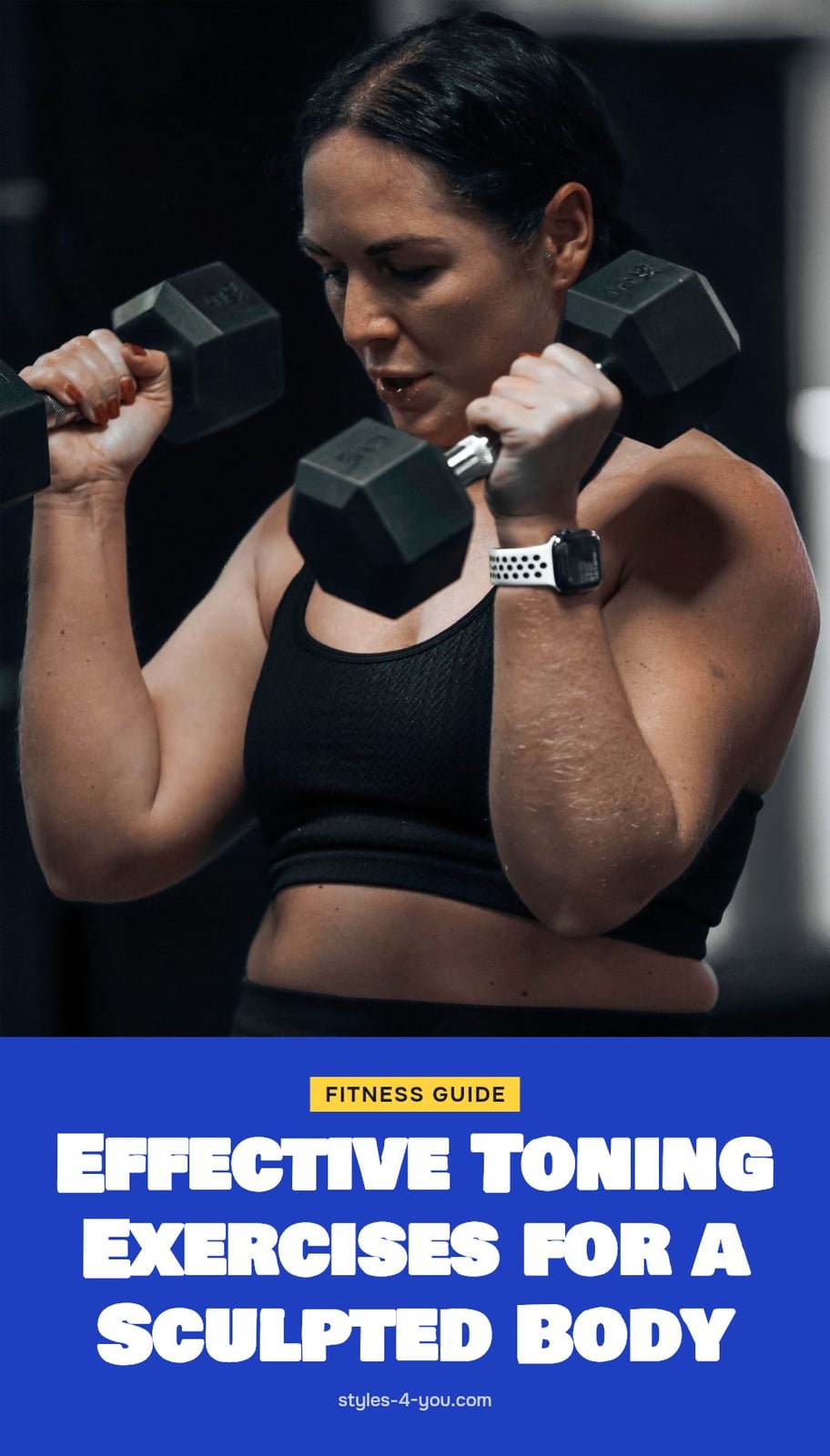
You’ve probably heard that strength training will make you bulky, or that you need to do hundreds of reps with tiny weights to get a toned look. Neither is true. Toning is about building muscle and reducing body fat so your muscles show through, and the right mix of exercises and nutrition makes it happen. This article covers what toning really means, the best exercises to include, a weekly schedule, and the mistakes that can derail your progress.
Key Takeaways
- Strength training 2-4 times per week is essential for building muscle definition.
- Compound exercises like squats and push-ups work multiple muscle groups at once.
- You cannot spot-reduce fat; fat loss happens across your whole body.
- Progressive overload (gradually increasing weight or reps) is key to continued muscle growth.
- Results often become visible within 4-8 weeks of consistent effort.
What Does ‘Toning’ Really Mean?
Toning isn’t about lengthening muscles or turning fat into muscle. It means building muscle mass and reducing the layer of body fat over it, so your physique looks more defined. You can’t spot-reduce fat, so the toned look comes from a combination of strength training to build muscle, cardio to burn calories, and a balanced diet to support both. That’s the real formula, and it’s why those light-weight, high-rep routines alone often fall short.
1. Warm-Up: Dynamic Stretches

Before you pick up a weight, spend 5 to 10 minutes on dynamic stretches. These are movements that take your joints through their full range, like arm circles, leg swings, and torso twists. They raise your core temperature and increase blood flow to the muscles, which improves flexibility and lowers your injury risk.
- Time: 30 to 60 seconds per movement, controlled and smooth.
- Form cue: Move through a comfortable range, no bouncing.
- Make it easier or harder: Start with small circles and gradually increase the size, or add light ankle weights for more resistance.
2. Squats
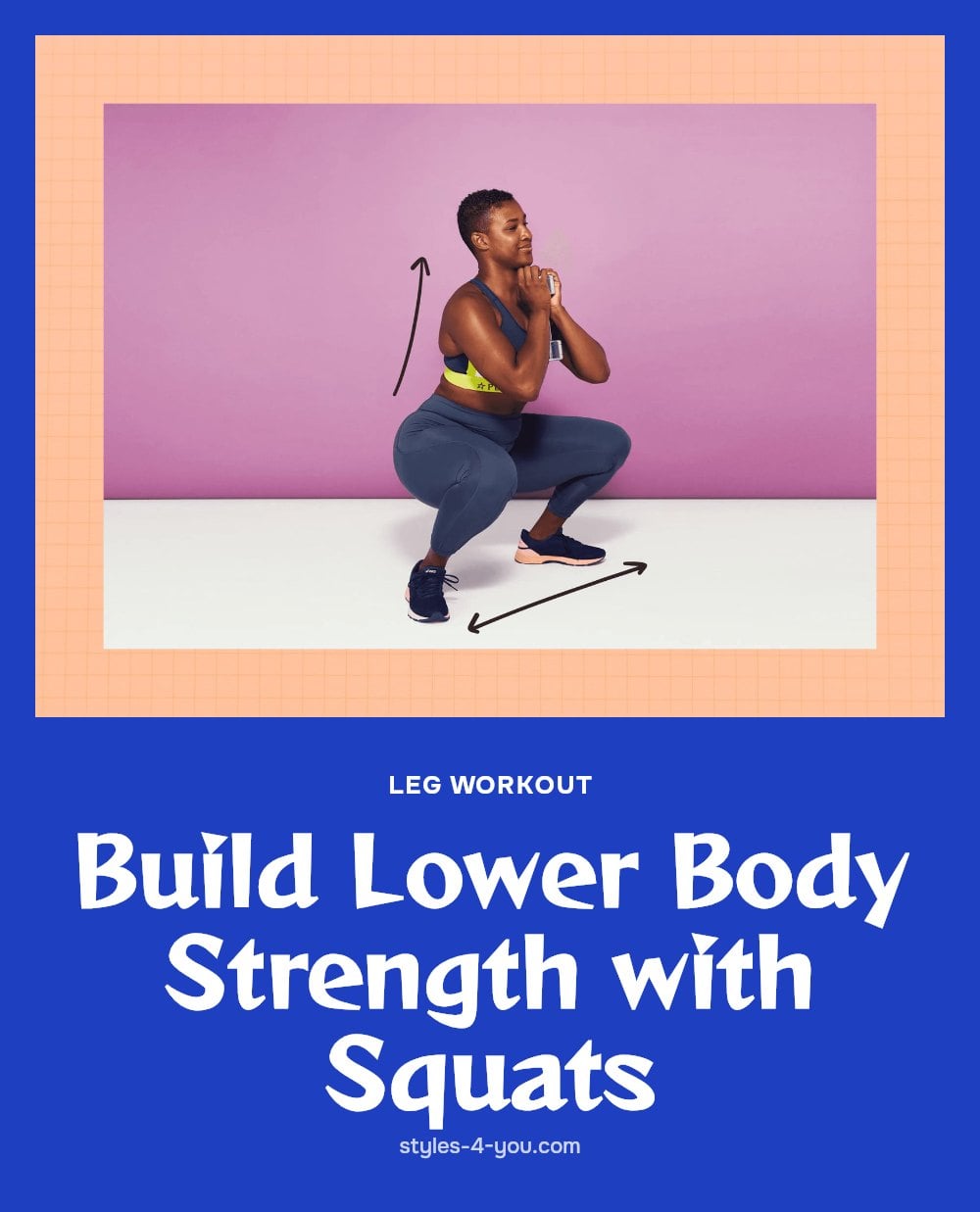
Stand with your feet shoulder-width apart, chest up, and core engaged. Lower your hips as if sitting back into a chair, keeping your knees tracking over your toes, until your thighs are at least parallel to the floor. Push through your whole foot to return to standing.
- Sets and reps: 3 sets of 10 to 12 reps.
- Form cue: Keep your weight in your heels on the way up to engage your glutes fully.
- Make it easier or harder: Start with body weight, then hold a dumbbell or kettlebell at your chest as you get stronger.
3. Push-Ups
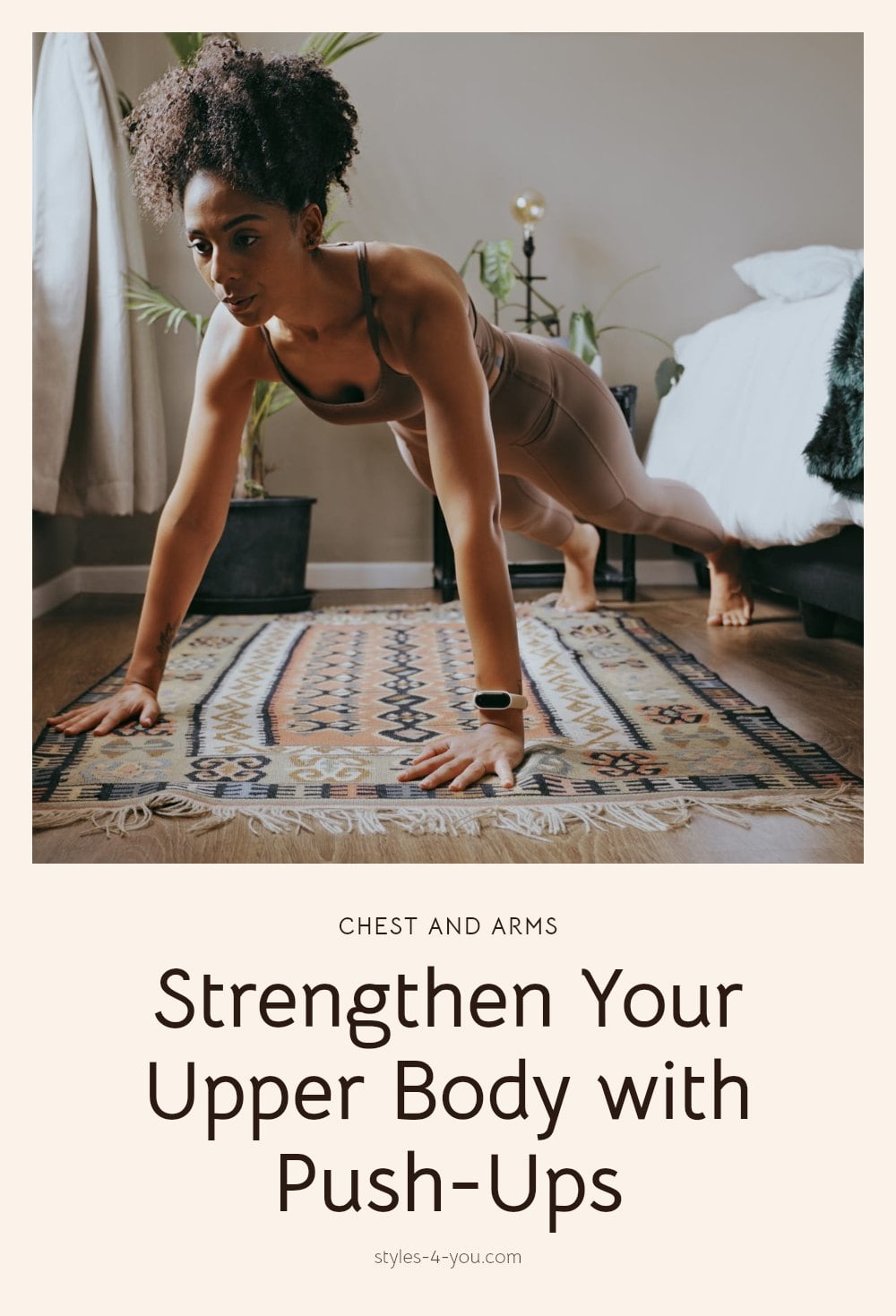
Start in a plank position with your hands slightly wider than shoulder-width. Lower your chest toward the floor, keeping your body in a straight line from head to heels. Press back up to the start without letting your hips sag.
- Sets and reps: 3 sets to failure, or as many as you can with good form.
- Form cue: Tuck your elbows slightly toward your body to protect your shoulders and engage your triceps more.
- Make it easier or harder: Drop to your knees for an easier version, or elevate your feet on a step for a harder one.
4. Dumbbell Rows

Place one hand and one knee on a bench, holding a dumbbell in the opposite hand. Keep your back straight, pull the dumbbell toward your chest, and squeeze your shoulder blade at the top. Lower it slowly, resisting the pull of gravity.
- Sets and reps: 3 sets of 8-10 per side.
- Form cue: Keep your hips square and avoid twisting your torso.
- Make it easier or harder: Use a lighter weight, or increase the weight once you can complete all reps with control.
My tip: Control the movement both up and down. The eccentric phase, when you lower the weight, is where the muscle works hardest.
5. Lunges
Step forward with one leg, lowering your hips until both knees bend to a 90-degree angle. Your front knee should sit directly over your ankle, and your back knee hovers just above the floor. Keep your torso upright as you push through the front heel to return to standing.
- Sets and reps: 3 sets of 10-12 reps per leg, holding dumbbells at your sides for added challenge.
- Form cue: Keep your core tight to maintain balance and stability throughout the movement.
- Make it easier or harder: Skip weights for balance work, or add a rear-foot-elevated split squat for more difficulty.
6. Plank
Set up on your forearms and toes, elbows directly under your shoulders. Keep your body in a straight line from head to heels, and brace your core so your hips don’t sag or hike up.
- Time: Hold for 3 sets of 30 to 60 seconds, or as long as you can keep perfect form.
- Form cue: Squeeze your glutes and quads to keep your pelvis neutral.
- Make it easier or harder: Drop to your knees for less load, or lift one foot a few inches to increase the challenge.
My tip: Imagine pulling your belly button toward your spine. That single cue activates your deep core and stops your lower back from taking over.
7. Glute Bridges
Lie on your back with your knees bent and feet flat on the floor, hip-width apart. Press through your heels to lift your hips toward the ceiling, squeezing your glutes hard at the top before lowering back down with control.
- Sets and reps: 3 sets of 12-15 repetitions. Place a dumbbell across your hips for extra resistance once bodyweight feels easy.
- Form cue: Keep your ribs down and avoid arching your lower back as you lift.
- Make it easier or harder: Easier, do a shorter range of motion. Harder, add a resistance band around your thighs or pause for 2 seconds at the top.
Tip: Focus on the glute squeeze at the peak of the movement, not just lifting your hips. That pause is where the muscle actually works.
Your Weekly Toning Schedule
Consistency is what turns effort into visible change. This plan pairs strength training with cardio so you build muscle and drop body fat at the same time. Aim for 3 strength days and 2 to 3 cardio sessions each week, with at least one full rest day.
| Day | Workout | Details |
|---|---|---|
| Monday | Strength | Squats, push-ups, rows, lunges, plank, glute bridges |
| Tuesday | Cardio | 30 minutes brisk walking, jogging, or cycling |
| Wednesday | Strength | Same exercises, add weight or reps |
| Thursday | Cardio | 20 minutes intervals, 1 minute hard, 2 easy |
| Friday | Strength | Same exercises, focus on form |
| Saturday | Active rest | Light stretching or a short walk |
| Sunday | Rest | Full recovery day |
Listen to your body. If you feel sore or tired, swap a session for a walk or an extra rest day. Adjust the schedule to fit your week, but keep the pattern of regular strength and cardio.
Common Toning Mistakes to Avoid
A few common mistakes can slow your progress more than any exercise choice. Here is what to watch for.
Believing in spot reduction: You cannot target fat loss from one area, like your belly or thighs. Fat loss happens across your whole body, so focus on overall fat reduction through diet and full-body exercise.
Neglecting progressive overload: Your muscles adapt to the same weight quickly. To keep growing, gradually increase the weight, reps, or sets every couple of weeks.
Skipping protein: Protein repairs and builds muscle tissue. Without enough, your body struggles to recover and grow, so include a source at each meal.
Overtraining and undereating: Muscles grow during rest, not during workouts. Cutting calories too low and training daily can backfire, leaving you tired and stalled. Prioritize recovery days and eat enough to fuel your training.
Ignoring proper form: Lifting heavier with bad technique leads to injury, not results. Always prioritize controlled, correct movement over the number on the dumbbell.
Frequently Asked Questions
How long does it take to see toning results?
Many people start to notice changes within 4 to 8 weeks of consistent training and a balanced diet. More dramatic results typically take 3 to 6 months or longer, depending on your starting point, effort level, and genetics.
Can I get toned without going to a gym?
Yes, you can get toned at home using bodyweight exercises like push-ups, squats, and planks. Adding resistance bands or dumbbells will help you continue challenging your muscles as you get stronger.
What is the best diet for toning?
A balanced diet with adequate protein supports muscle repair and growth, while a modest calorie deficit can help reduce body fat so your muscles become more visible. Focus on whole foods like lean meats, vegetables, and whole grains.
Do I need to lift heavy weights to get toned?
You don’t have to lift very heavy, but moderate-to-heavy weights with fewer reps are more effective for muscle growth than high reps with very light weights. Progressive overload, not the weight itself, is what drives results.
Is cardio important for toning?
Cardio helps burn calories and reduce overall body fat, which makes the muscle you build more visible. Aim for 3 to 5 cardio sessions per week alongside your strength training for the best results.
Final Thoughts
To get a leaner, more sculpted look, commit to a routine that includes both strength training and cardio, and don’t forget to eat enough protein to support muscle repair. Realistic expectations matter: you may start seeing changes in about a month, but significant transformation usually takes three to six months. Stick with it, and your consistency will pay off.
This article is for general informational purposes only and does not constitute medical or professional advice. Before starting any new exercise or diet program, especially if you have a health condition or are new to fitness, consult with a doctor or certified trainer.
More Blog ideas
- Your Essential Guide to a Healthy Feminine Hygiene Routine
- Best High Protein Foods to Eat Daily for Health and Energy
- Feeling Stuck: 12 Small Steps to Get Unstuck
- Winter Skin Survival Tips
- How to Get a Flat Stomach
- How to Fix Damaged Hair and Restore Its Health
- Full-Body Kettlebell Workout
- Dry Scalp vs. Dandruff
- Full Body Workout for Beginners
- 21 Easy Beauty Tips Every Woman Should Know
- Feminine Energy: 15 Daily Habits to Feel More Radiant
- Upper Body Workout for Women at Home






