Best Treadmill Workout for Weight Loss: Your Complete Guide
Discover effective treadmill workouts for weight loss, including steady-state cardio and HIIT. Learn proper form, common mistakes, and a weekly plan.

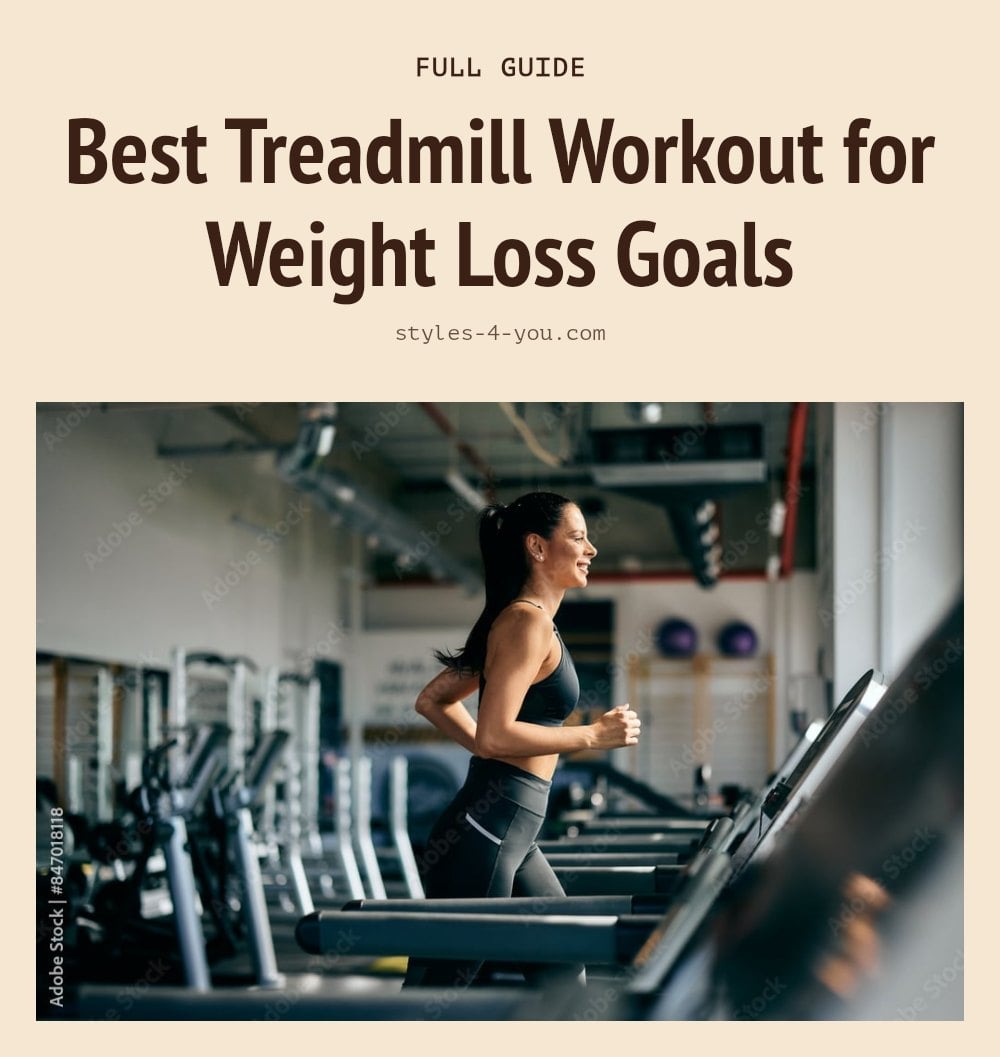
If you’re ready to make your treadmill workouts work harder for weight loss, you’re in the right place. The secret isn’t just logging miles at the same pace. It’s mixing steady-state cardio with high-intensity intervals to keep your body guessing and your calorie burn high. This guide breaks down the most effective treadmill workouts for weight loss, from warm-ups to cool-downs, plus a weekly plan to keep you on track.
My tip: Don’t just set the treadmill and zone out. Use the incline and speed to challenge yourself, and you’ll see faster results.
Key Takeaways
- Combine steady-state cardio with HIIT intervals for maximum calorie burn and metabolic boost.
- Warm up for 5-10 minutes and cool down for 10 minutes to prevent injury and aid recovery.
- Use incline settings to target glutes and hamstrings while increasing calorie expenditure.
- Aim for at least 150-300 minutes of moderate-intensity or 75-150 minutes of vigorous-intensity exercise per week.
- Pair treadmill workouts with a balanced diet to create the calorie deficit needed for weight loss.
How Treadmill Workouts Help You Lose Weight
Treadmill workouts are a reliable way to lose weight because they burn calories effectively while strengthening your heart and lungs. The key is combining steady-state cardio, like a moderate jog, with high-intensity interval training (HIIT), where you alternate sprints with recovery. This mix maximizes calorie burn during the session and keeps your metabolism elevated afterward. For weight loss, you need a calorie deficit, meaning you burn more than you eat, and treadmill sessions contribute significantly to the “calories out” side. Consistency, proper form, and gradually increasing speed or incline are what turn those workouts into lasting results.
1. Warm-Up Walk
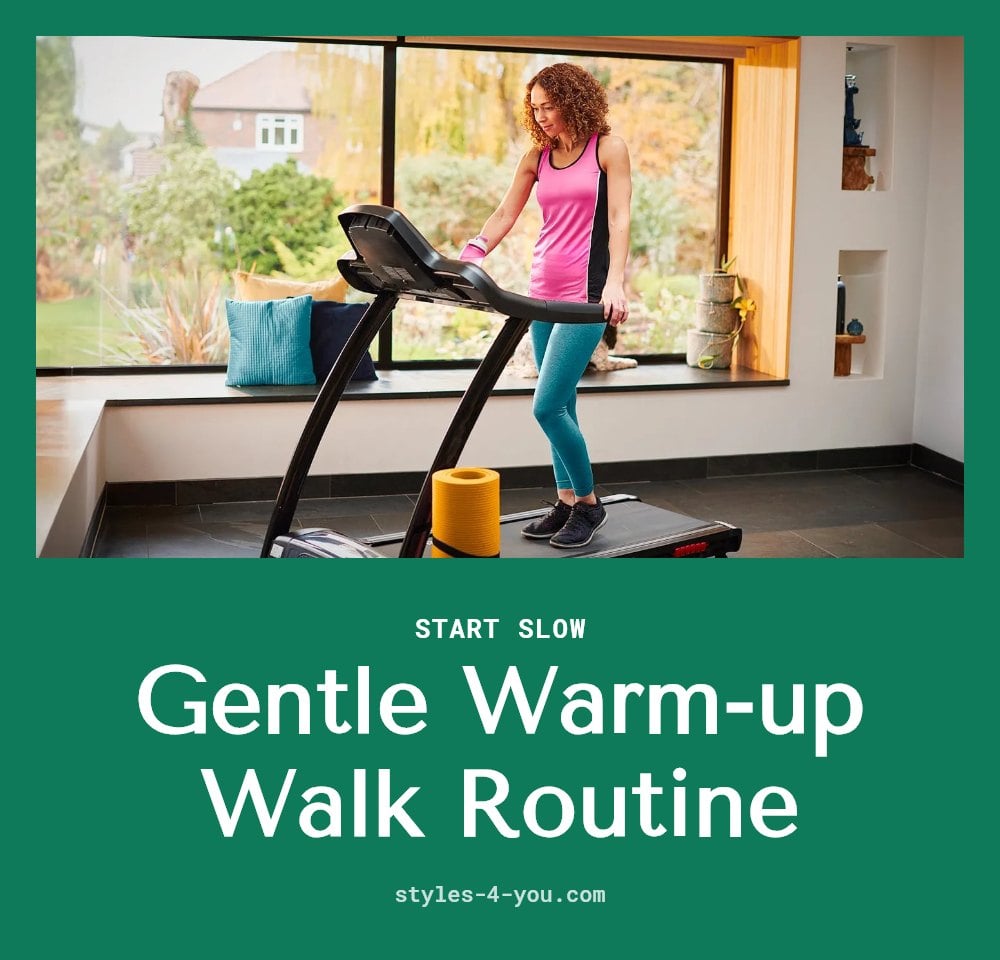
Start every treadmill session with a gentle walk to raise your heart rate gradually and prepare your muscles for harder work. This reduces injury risk and makes the main part of your workout feel smoother. Set the treadmill to a flat surface, no incline, and walk at a comfortable pace between 2.0 and 3.0 mph. Keep your arms swinging naturally and your shoulders relaxed.
- Time: 5-10 minutes
- Form cue: Land softly on your heels and roll through to your toes
- Make it easier or harder: Slow down to 1.5 mph if needed, or speed up to 3.5 mph if you feel ready
2. Steady-State Cardio (Moderate Pace)
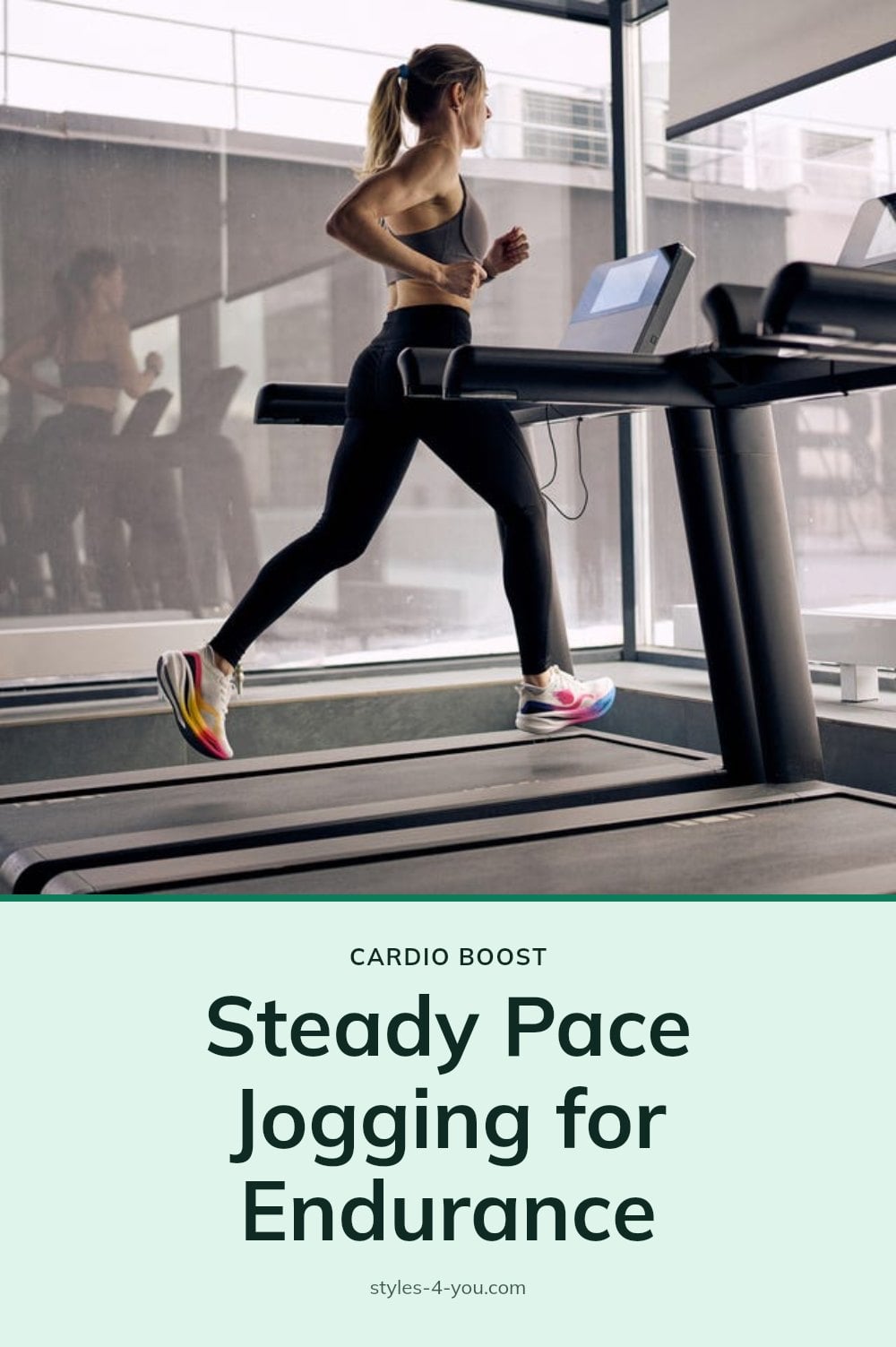
Steady-state cardio builds endurance and burns a steady stream of calories. You want a pace where you can still hold a conversation, but you’re breathing noticeably harder than at rest. Set the incline to 0-1% to mimic flat ground, and pick a speed between 5.0 and 6.0 mph for a light jog. Keep your posture tall with your core engaged and look forward, not down at your feet.
- Time: 20-40 minutes
- Form cue: Keep your shoulders back and avoid bouncing
- Make it easier or harder: Drop to 3.0 mph for a brisk walk, or raise to 6.5 mph for a faster run
3. Incline Walking Challenge
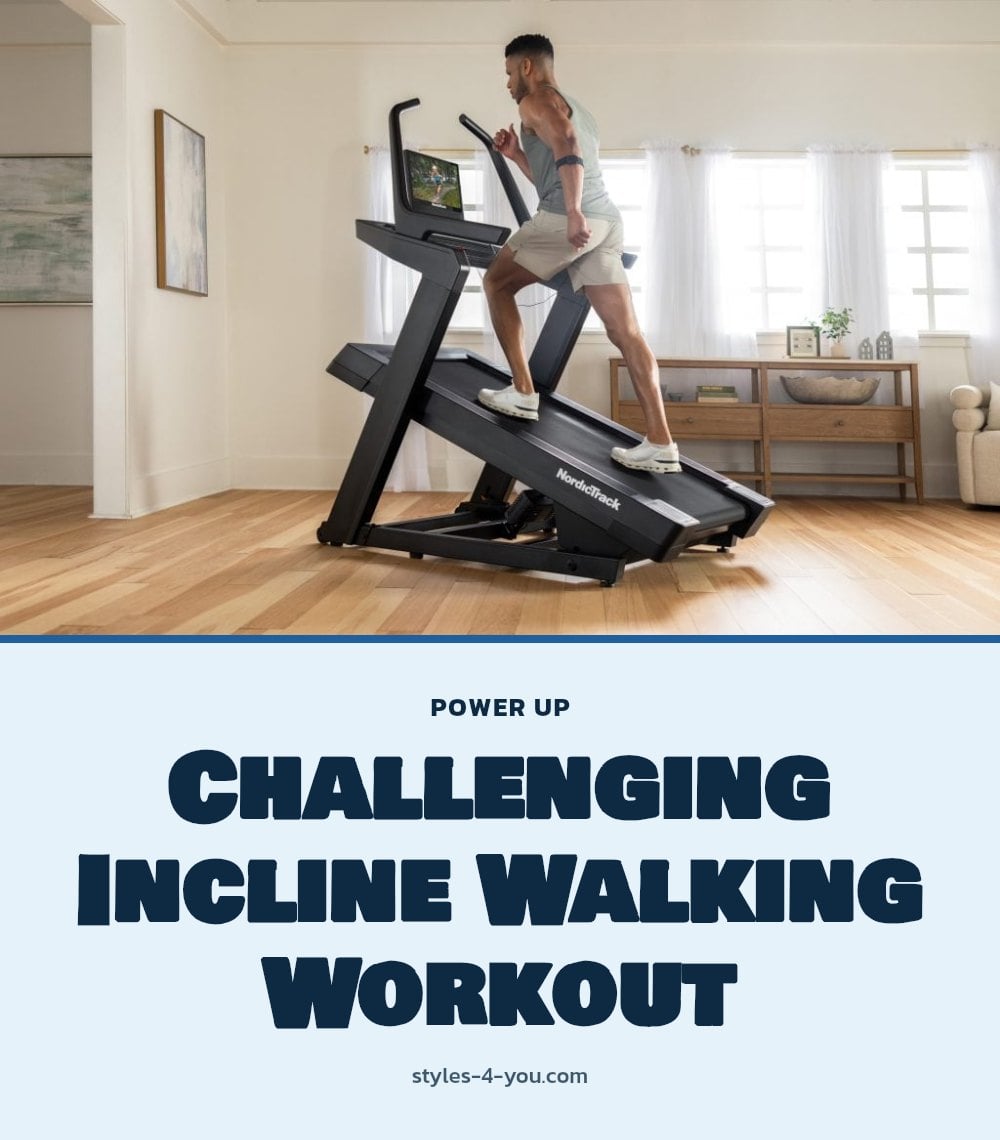
Adding an incline ramps up calorie burn and targets your glutes and hamstrings more than flat walking. Set the incline between 5% and 10% and walk at a moderate pace of 2.5 to 3.5 mph. Focus on pushing through your heels and keeping your posture tall, with your core engaged and your gaze forward. This challenges your muscles differently and can help you build lower-body strength.
- Time: 15-25 minutes
- Form cue: Drive through your heels and avoid leaning on the handrails
- Make it easier or harder: Lower the incline to 3%, or raise it to 12% and slow your pace
4. HIIT Sprint Intervals
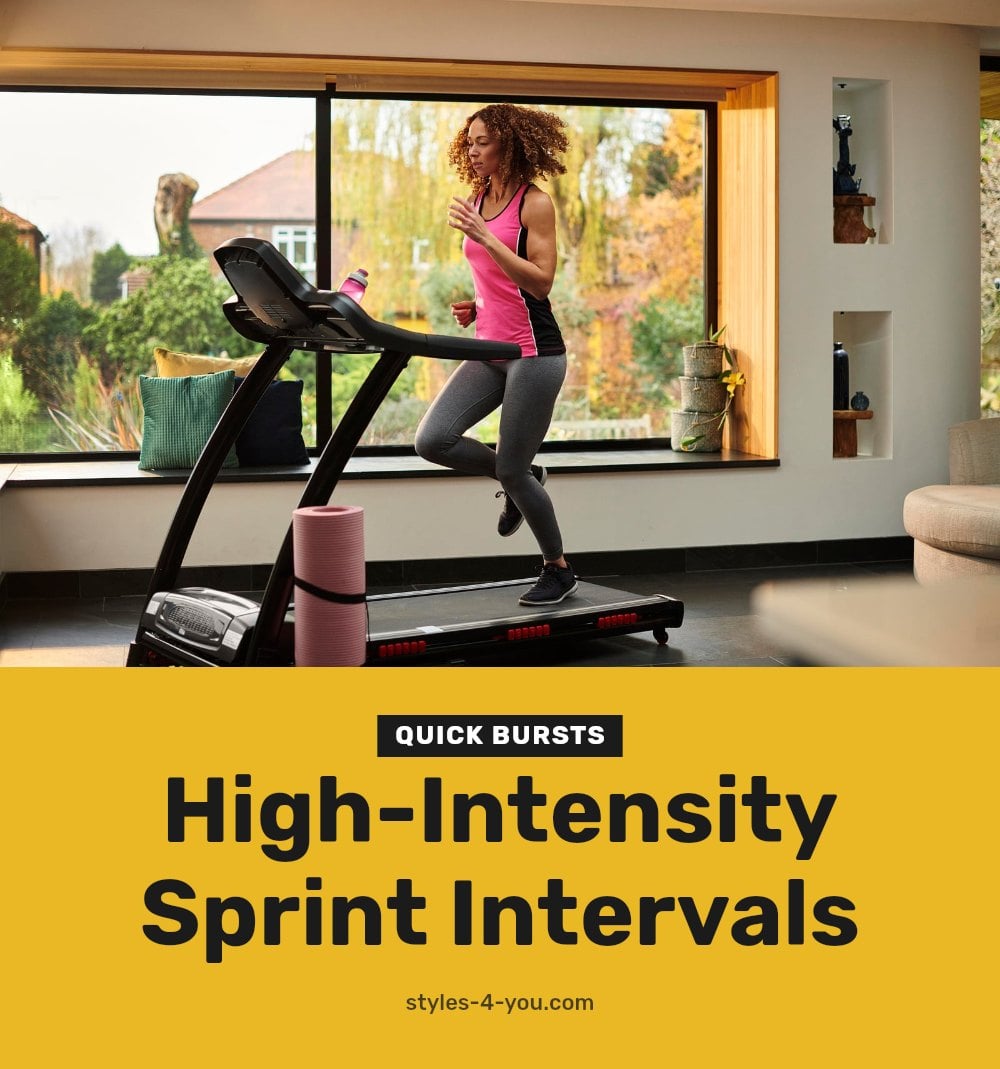
HIIT sprint intervals torch calories during the workout and keep your metabolism elevated for hours after. Start with a 30- to 60-second sprint at 6.0 mph or faster, then recover with 60-90 seconds of walking at 2.5-3.0 mph. Repeat that cycle 8-12 times.
- Time: 15-20 minutes total including recovery
- Form cue: Pump your arms naturally and land midfoot to maintain speed without overstriding
- Make it easier or harder: Shorten the sprint to 20 seconds or increase recovery to 90 seconds; to progress, extend the sprint to 45 seconds or reduce recovery to 60 seconds
5. HIIT Incline Sprints
Incline sprints combine the metabolic spike of HIIT with the glute-and-hamstring activation of hill work. Alternate 30-45 seconds of fast walking or light jogging at an 8-12% incline with 60-90 seconds of walking at a 2-4% incline. Complete 6-10 cycles.
- Time: 15-20 minutes total including recovery
- Form cue: Drive through your heels and keep your torso upright, not leaning forward
- Make it easier or harder: Lower the high incline to 6% or reduce work time to 20 seconds; to challenge yourself, increase the high incline to 15% or extend work to 60 seconds
6. Longer Endurance Run
An endurance run builds cardiovascular stamina and burns a steady stream of calories over a longer period. Pick a pace between 5.0 and 6.0 mph that you can hold for the full duration without needing to slow down. Keep the incline at 0-1% to simulate flat road running.
- Time: 30-60 minutes
- Form cue: Keep your shoulders relaxed, gaze forward, and land lightly with each foot strike
- Make it easier or harder: Start with 20 minutes at the lower end of the pace range; to progress, add 5 minutes each week or increase speed by 0.2 mph
7. Cool-Down Walk and Stretch
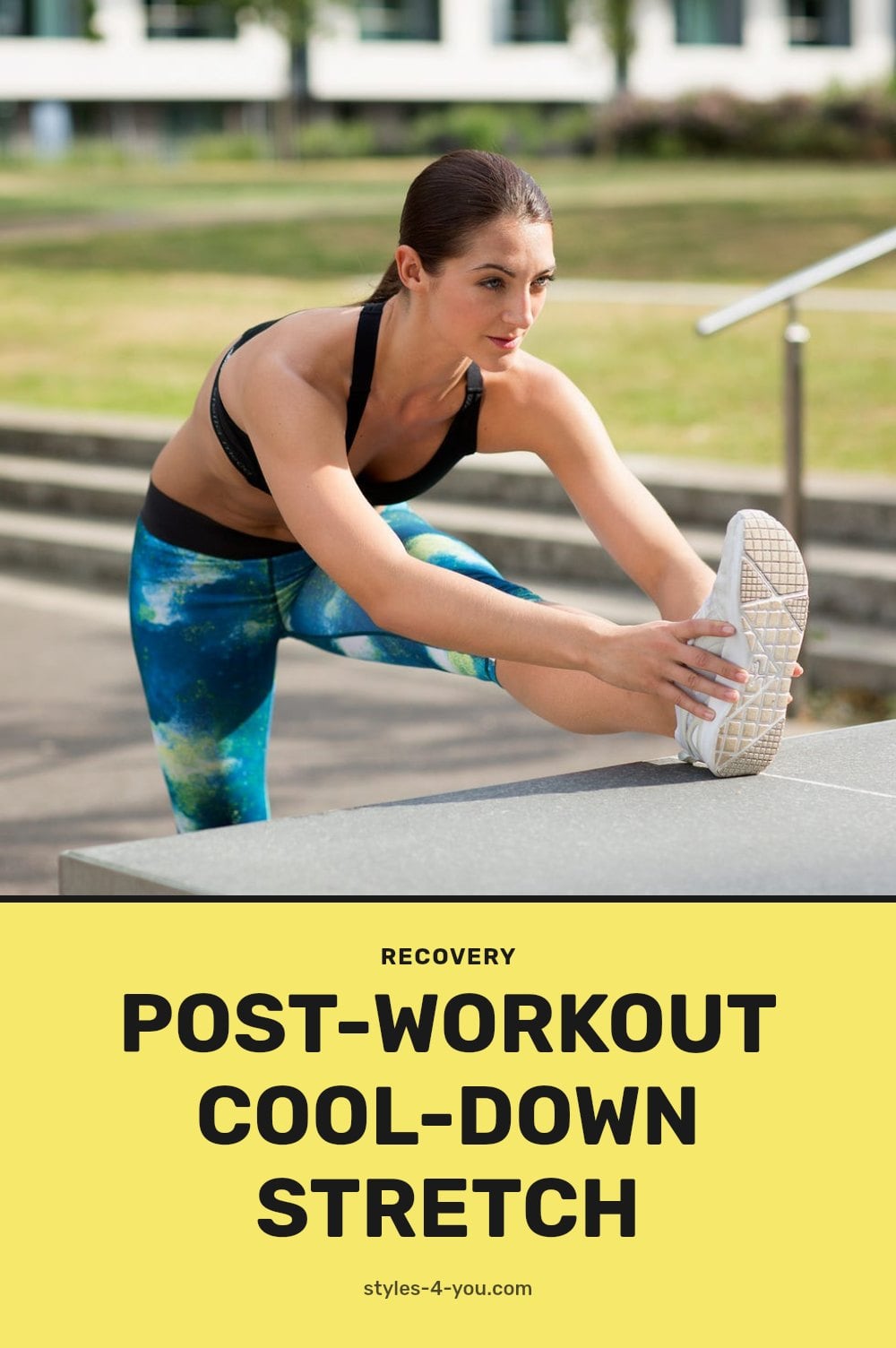
A proper cool-down gradually lowers your heart rate and prevents blood from pooling in your legs. Walk at 1.5-2.5 mph for 5 minutes, then step off the treadmill and spend 5 minutes stretching your hamstrings, quads, and calves. Hold each stretch for 20-30 seconds without bouncing.
- Time: 10 minutes total (5 walking, 5 stretching)
- Form cue: Keep your stretches gentle; you should feel a mild pull, not sharp pain
- Make it easier or harder: Add 2-3 minutes of walking if your heart rate is still elevated; for a deeper stretch, hold each position for 45 seconds
Essential Gear for Your Treadmill Workout
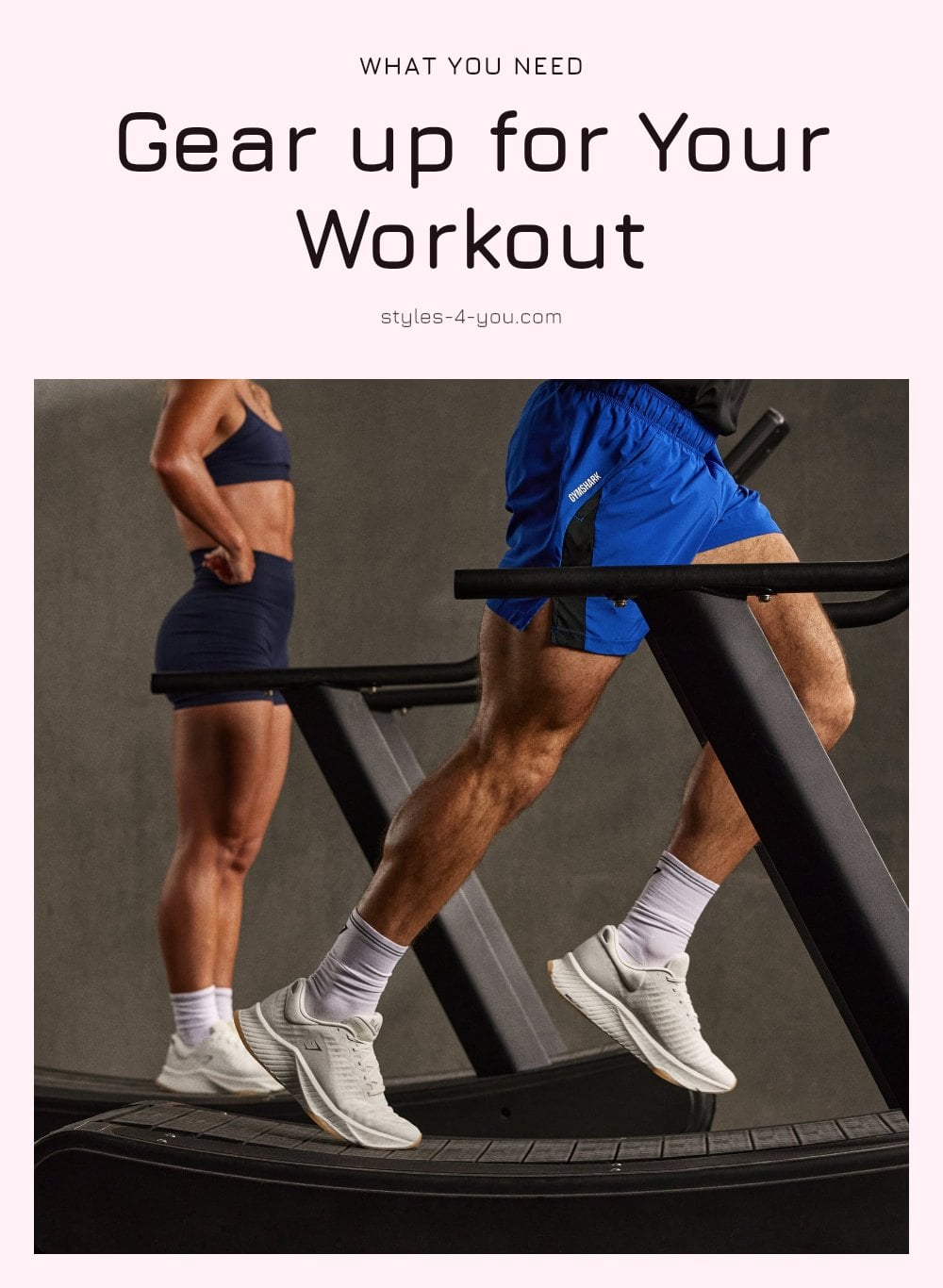
You don’t need much, but the right gear makes a real difference. A functional treadmill is obviously the main tool, so make sure yours is in good working order before you start. Proper athletic shoes are non-negotiable for support and injury prevention, wear running or cross-training shoes, not casual sneakers. Comfortable workout clothing lets you move freely, and a water bottle keeps you hydrated throughout the session. A towel is also handy for managing sweat, especially during HIIT or incline work.
- Shoes: Supportive athletic shoes designed for running or walking
- Clothing: Moisture-wicking fabrics that allow full range of motion
- Water bottle: Reusable bottle you can sip from during breaks
- Towel: Small towel to wipe sweat and keep your grip secure
Your Weekly Treadmill Workout Plan
This sample plan mixes steady-state, incline, and HIIT sessions to keep your body adapting and prevent boredom. Adjust speeds and inclines based on your fitness level, and always warm up for 5-10 minutes and cool down for 10 minutes after each workout.
| Day | Workout Type | Duration |
|---|---|---|
| Monday | Steady-State Cardio | 20-40 min |
| Tuesday | HIIT Sprint Intervals | 20 min |
| Wednesday | Incline Walking Challenge | 25 min |
| Thursday | Rest or light activity | |
| Friday | Longer Endurance Run | 30-60 min |
| Saturday | HIIT Incline Sprints | 20 min |
| Sunday | Rest or light activity |
Tip: Swap days around to fit your schedule. If you feel overly sore or fatigued, take an extra rest day. Consistency matters more than perfection.
Frequently Asked Questions
How long should I run on a treadmill to lose weight?
For weight loss, aim for 30-60 minutes per session, depending on the intensity. Shorter HIIT sessions of 15-20 minutes can be very effective, while steady-state cardio may need 45-60 minutes. The total weekly volume matters more than any single workout.
Can I lose belly fat by just using a treadmill?
You can’t spot-reduce fat, so treadmill workouts alone won’t target belly fat specifically. However, consistent treadmill exercise helps reduce overall body fat, including abdominal fat, when combined with a calorie-controlled diet. Full-body strength training also supports this goal.
What is the best speed on a treadmill for weight loss?
The best speed depends on your fitness level and workout type. For steady-state, a pace of 3.0-4.0 mph (brisk walk) or 5.0-6.0 mph (jog/run) works well. For HIIT, sprint at 6.0 mph or faster for short bursts. The key is to work at an intensity that challenges you.
How often should I do treadmill workouts for weight loss?
Most people see good results with 3-5 treadmill sessions per week, mixing steady-state and interval workouts. The ACSM recommends 150-300 minutes of moderate-intensity or 75-150 minutes of vigorous-intensity exercise weekly. Listen to your body and include rest days for recovery.
Is walking on an incline better than running for weight loss?
Both can be effective. Incline walking burns more calories than flat walking and engages your glutes and hamstrings more, but running at a faster pace typically burns more calories per minute. The best choice is the one you can do consistently and that fits your fitness level and joint health.
Final Thoughts
For real weight loss results, pick two or three of the workouts from this guide and rotate them throughout the week. Consistency matters more than perfection, stick with it for at least a few weeks before you expect noticeable changes. Remember, the treadmill is a powerful tool, but nutrition is just as important for creating a calorie deficit. Keep moving, stay patient, and you’ll get there.
This information is for general informational purposes only and does not constitute medical or professional advice. Always consult a healthcare professional before starting any new exercise program, especially if you have underlying health conditions, joint issues, or concerns about your fitness level.
More Blog ideas
- Your Essential Guide to a Healthy Feminine Hygiene Routine
- Best High Protein Foods to Eat Daily for Health and Energy
- Feeling Stuck: 12 Small Steps to Get Unstuck
- Winter Skin Survival Tips
- How to Get a Flat Stomach
- How to Fix Damaged Hair and Restore Its Health
- Full-Body Kettlebell Workout
- Dry Scalp vs. Dandruff
- Full Body Workout for Beginners
- 21 Easy Beauty Tips Every Woman Should Know
- Feminine Energy: 15 Daily Habits to Feel More Radiant
- Upper Body Workout for Women at Home






