Understanding Thinning Hair and Natural Ways to Support Fuller Growth
Learn how to naturally address thinning hair with 10 proven methods focusing on diet, scalp care, and gentle practices to encourage healthier, fuller-looking.

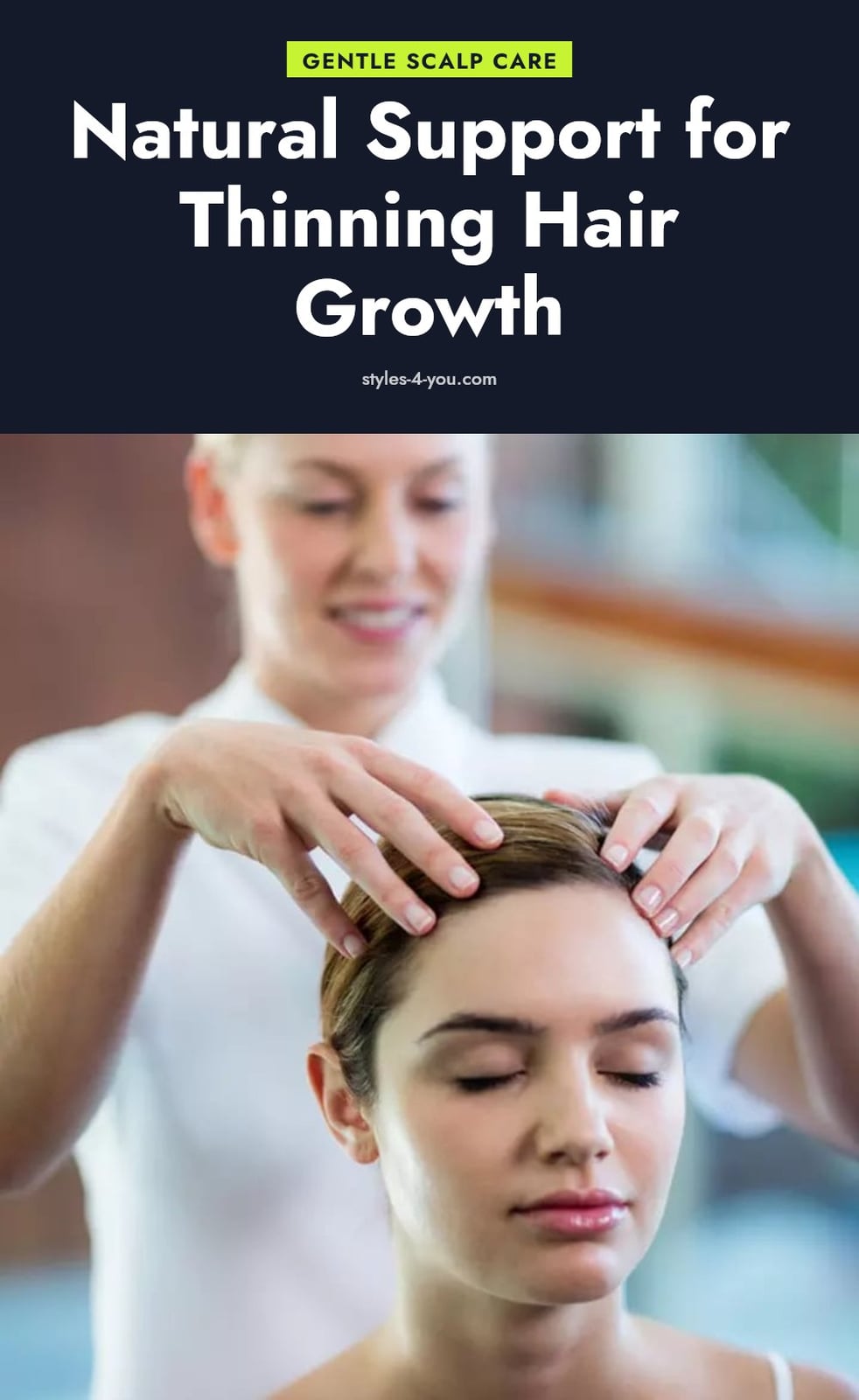
Noticing more hair in your brush or the drain can feel unsettling, but you’re far from alone. Thinning hair is a common concern with many possible causes, from genetics to everyday stress, and the good news is that there are plenty of natural, non-medical steps you can take to support fuller-looking hair. This article covers ten practical, gentle approaches you can start using today to improve scalp health, nourish your strands, and minimize breakage.
Key Takeaways
- Eat a balanced diet rich in protein, iron, zinc, and vitamin D to support hair growth.
- Massage your scalp gently for 5-10 minutes daily to boost circulation.
- Always dilute essential oils with a carrier oil before applying to your scalp.
- Switch to a silk or satin pillowcase to reduce nighttime friction and breakage.
- Consult a doctor if thinning is sudden, severe, or accompanied by scalp symptoms.
Can You Naturally Improve Thinning Hair?
Yes, many natural approaches can support healthier, fuller-looking hair by addressing scalp health, nutrient intake, and minimizing damage. While natural methods can’t cure all causes of thinning hair, they can significantly improve hair density and overall hair health for many individuals. Consistency is key, and results typically take 3-6 months due to the hair growth cycle.
1. Prioritize a Nutrient-Rich Diet
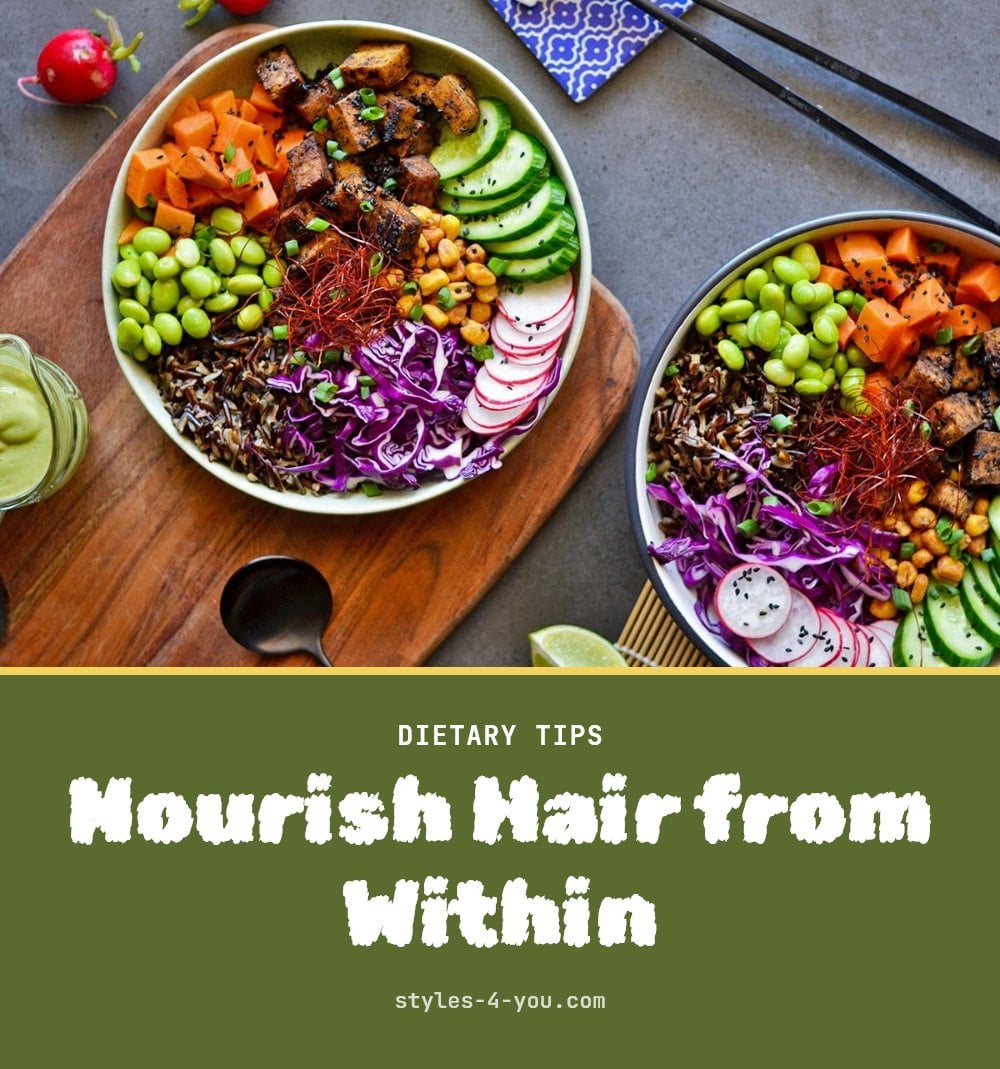
Your hair needs a balanced diet rich in protein, vitamins (especially D), and minerals like iron and zinc to grow strong. Think lean proteins, leafy greens, nuts, seeds, and healthy fats like avocado and olive oil. These foods provide the building blocks for keratin and support follicle function.
- Protein: eggs, chicken, fish, beans.
- Iron: spinach, lentils, red meat.
- Zinc: pumpkin seeds, chickpeas.
- Vitamin D: fatty fish, fortified dairy, sunlight.
My tip: Consider a multivitamin, but always prioritize whole foods first.
2. Practice Gentle Scalp Massage
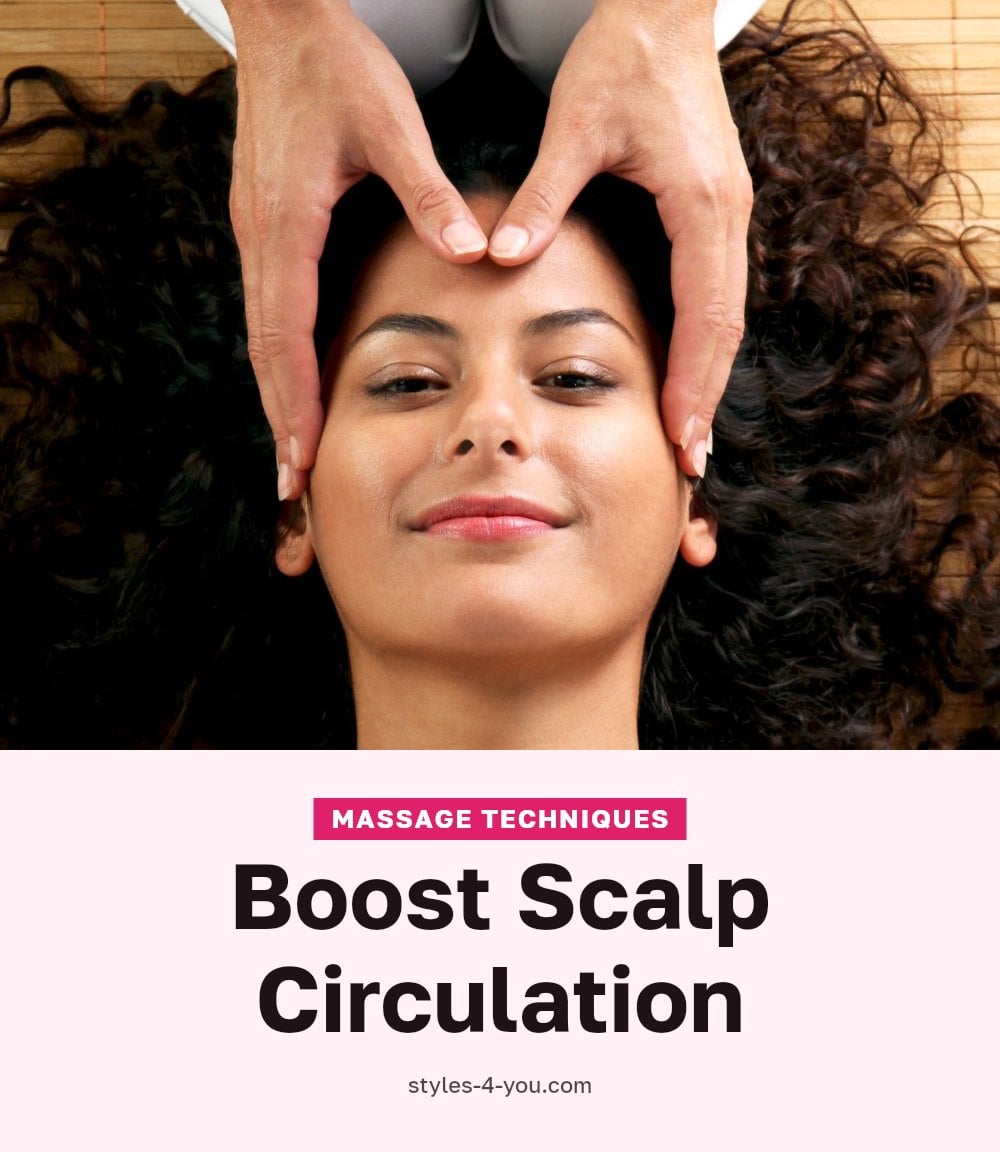
A daily, gentle scalp massage can boost blood circulation to your hair follicles, which may promote growth. Use your fingertips in small, circular motions for 5-10 minutes. You can do this dry or with a light oil like jojoba or coconut.
Caution: Don’t rub too hard; gentle is the key here to avoid irritation. Focus on the areas where thinning is most noticeable, and try to make it a relaxing ritual before bed.
3. Incorporate Essential Oils Thoughtfully
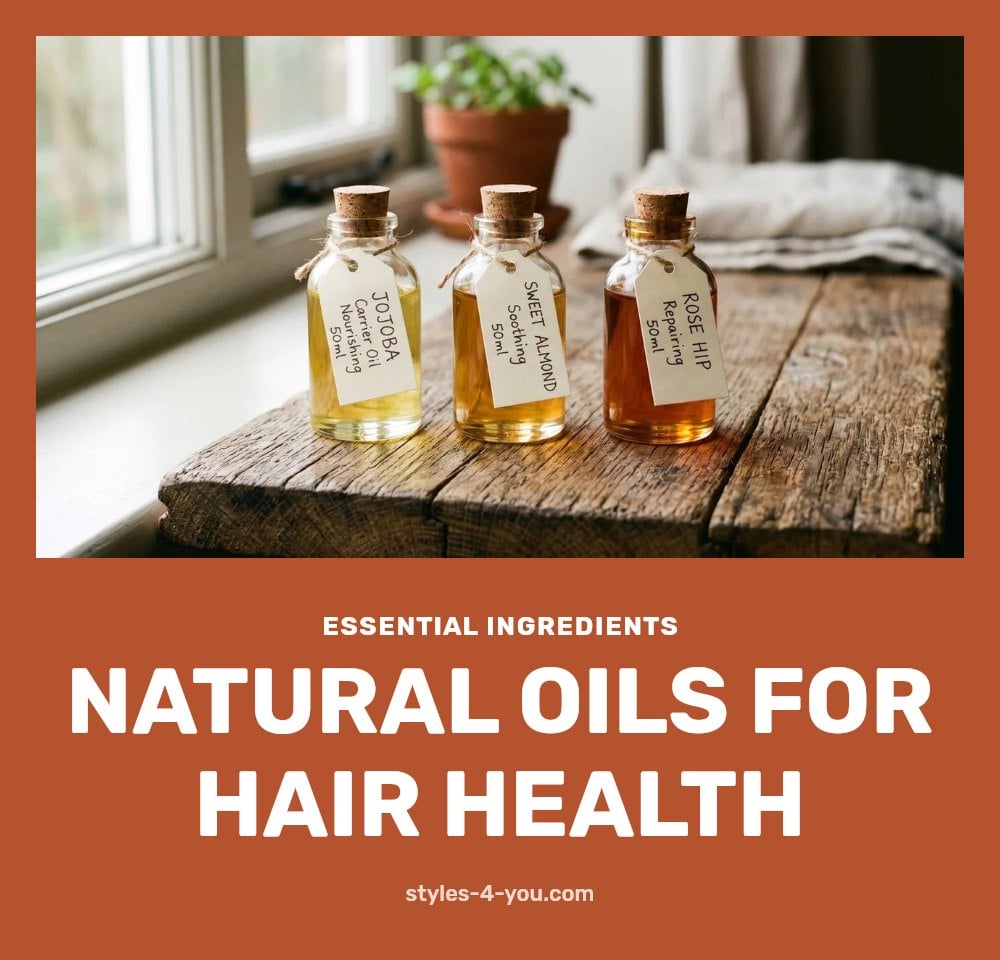
Certain essential oils, like rosemary and peppermint, are often used to stimulate the scalp. Always dilute essential oils with a carrier oil (like jojoba or coconut oil) before applying them to your scalp to avoid irritation. A typical ratio is 3-5 drops of essential oil per tablespoon of carrier oil.
My tip: Do a patch test first to check for any allergic reactions. Apply a small amount to your inner arm and wait 24 hours. If you notice redness or itching, skip this remedy.
4. Manage Stress Effectively

Chronic stress can push more hair follicles into a resting phase, which leads to increased shedding a few months later. That is why managing stress matters for your hair, not just your mood. Find stress-reducing practices that actually fit your life, whether that is meditation, yoga, deep breathing exercises, or simply spending time in nature.
My tip: Even 10-15 minutes of mindfulness daily can make a difference. You do not need a long session, just a consistent one. Try a short guided meditation before bed or a slow breathing break after lunch.
5. Choose Gentle Hair Care Products
Opt for shampoos and conditioners specifically formulated for thinning hair or sensitive scalps. These products are often free of harsh sulfates and parabens that can strip natural oils and irritate the scalp, which makes existing hair look thinner and more brittle.
My tip: Look for ingredients like biotin, keratin, and natural extracts such as green tea or aloe vera. Avoid products with strong fragrances or alcohol, which can dry out both your hair and scalp.
6. Minimize Heat Styling and Chemical Damage
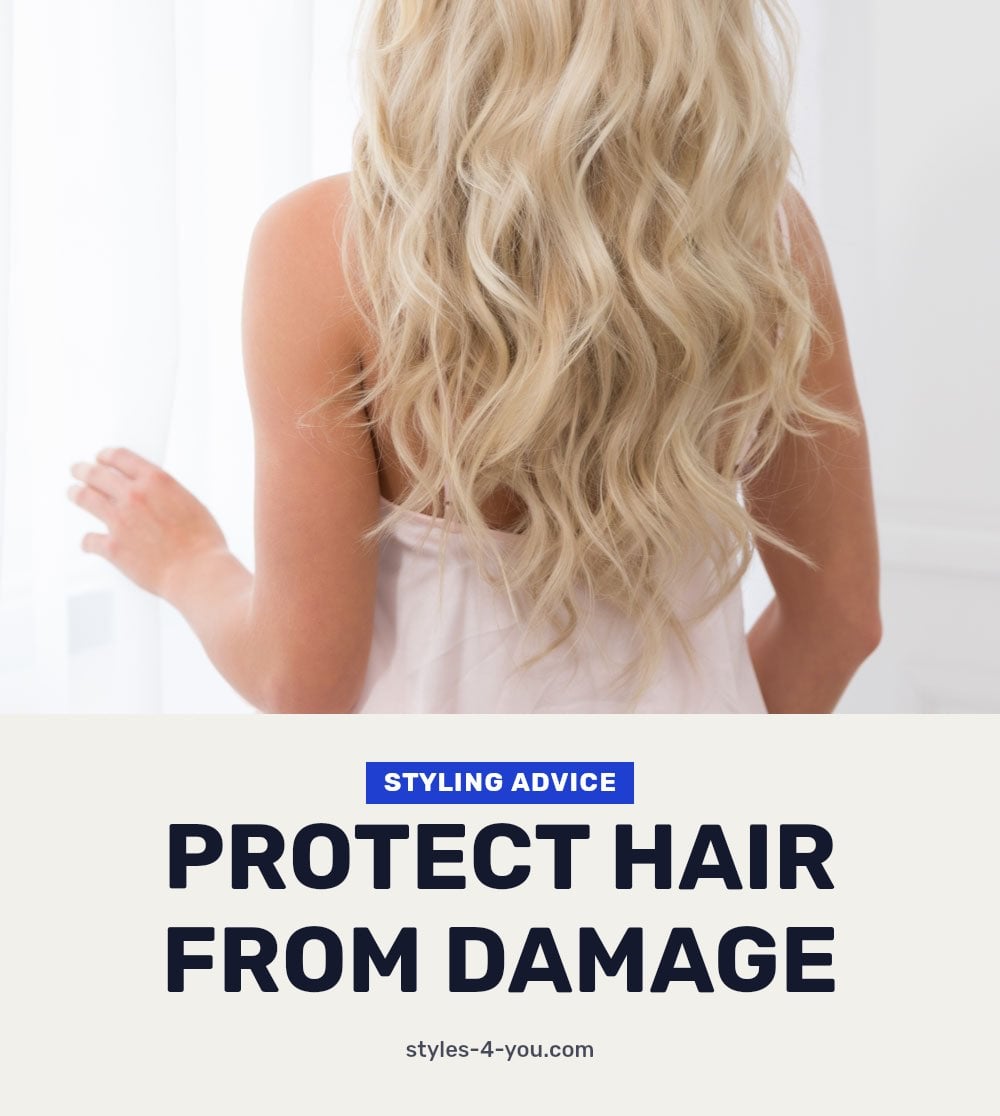
High heat from styling tools and harsh chemical treatments can damage hair shafts, making them more prone to breakage and contributing to the appearance of thinning. Air-dry your hair when possible, and if you must use heat, always apply a heat protectant spray first and use the lowest effective setting.
Caution: Avoid frequent perms, relaxers, or excessive coloring, especially if your hair is already fragile. If you color your hair, space out touch-ups and consider a semi-permanent dye that is less damaging.
7. Handle Wet Hair with Care
Wet hair is most vulnerable to breakage because the water weakens the protein structure of each strand. Vigorously rubbing your hair with a towel can cause significant damage, so gently blot your hair dry with a soft towel or an old cotton t-shirt instead.
Always use a wide-tooth comb to detangle wet hair, starting from the ends and working your way up. This prevents snapping and reduces the amount of hair that ends up in the drain.
8. Opt for Loose Hairstyles
Tight hairstyles like high ponytails, braids, or buns pull on your hair follicles, and over time that constant tension can lead to traction alopecia, a form of hair loss that contributes to thinning. The fix is simple: switch to looser styles that don’t put stress on your scalp. Let your hair down more often, or use a low, relaxed ponytail instead of a sleek, pulled-back one.
When you do need to tie your hair back, choose accessories that are kinder to your strands. Tip: silk or satin scrunchies are a great alternative to elastic bands because they glide over the hair instead of gripping and tugging at it.
9. Switch to a Silk Pillowcase
Cotton pillowcases create friction on your hair strands as you toss and turn at night, which can lead to breakage and frizz over time. A silk or satin pillowcase lets your hair glide smoothly across the surface instead of catching and pulling, reducing that nightly wear and tear.
My tip: This small swap can make a big difference in preventing morning tangles and split ends. Look for a 100% silk or high-quality satin option, and wash it gently to keep the surface smooth and effective.
10. Maintain a Healthy Scalp Environment
Your scalp is the foundation for every hair follicle, so keeping it clean matters more than you might think. Regular, gentle cleansing removes product buildup, excess oil, and dead skin cells that can clog follicles and make it harder for hair to grow. But balance is key: over-washing strips natural oils and can irritate the scalp, while under-washing lets buildup accumulate.
How often you wash depends on your scalp type. Oily scalps may need daily cleansing, while dry or sensitive scalps might do better with every 2-3 days. Watch for signs like itchiness, flakiness, or a greasy feel to adjust your routine.
Good to know: Aloe vera gel can be soothing for an irritated scalp. Apply a small amount directly to your scalp 10-15 minutes before washing, then rinse thoroughly. It may help calm redness and reduce flakiness without leaving residue.
When to Consult a Professional
If your hair thinning is sudden, severe, or comes with other symptoms like itching, redness, or scalp pain, it’s time to see a doctor or dermatologist. These signs can point to an underlying condition that natural methods won’t fix.
Natural approaches are wonderful for supporting overall hair health, but they can’t address medical issues or hormonal imbalances. A professional can run tests, identify what’s actually causing your thinning, and recommend treatments that may include medical options.
Caution: Don’t wait months to seek help if you’re also experiencing scalp discomfort, patchy hair loss, or rapid shedding. Early evaluation gives you more options.
Frequently Asked Questions
How long does it take to see results from natural hair thinning remedies?
Noticeable results from natural methods typically take 3 to 6 months. Hair grows slowly, so you need to stick with your new routine consistently for at least a few months before you see fuller-looking hair. Patience and regular care are key.
Can stress really cause hair thinning?
Yes, chronic stress can push more hair follicles into the resting phase, leading to increased shedding a few months later. This condition is called telogen effluvium, and it is usually temporary. Managing stress through practices like meditation or deep breathing can help your hair return to its normal cycle.
Are there foods that help with thinning hair?
Yes, a nutrient-rich diet supports strong hair growth. Focus on lean proteins for keratin, leafy greens and nuts for iron and zinc, and healthy fats like avocado and olive oil. Vitamin D is also important, so include fatty fish or fortified foods if you can.
When should I see a doctor for thinning hair?
You should see a doctor or dermatologist if your hair thinning is sudden, severe, or accompanied by itching, redness, or scalp pain. These symptoms may point to an underlying condition that natural methods cannot address. A professional can help identify the root cause and recommend the right treatment.
Final Thoughts
Natural approaches to thinning hair take patience, but the payoff is worth it. Start with one or two changes, like switching to a gentle shampoo or adding a daily scalp massage, and stick with them for at least three months before expecting visible results. Your hair grows slowly, and consistency is what makes the difference. The goal is not perfection but a healthier foundation for your hair to thrive.
This article is for general informational purposes only and does not constitute medical or professional advice. Hair thinning can have many causes, and if your condition is sudden, severe, or accompanied by other symptoms, please consult a doctor or dermatologist for a proper evaluation and treatment plan.
More Blog ideas
- Your Essential Guide to a Healthy Feminine Hygiene Routine
- Best High Protein Foods to Eat Daily for Health and Energy
- Feeling Stuck: 12 Small Steps to Get Unstuck
- Winter Skin Survival Tips
- How to Get a Flat Stomach
- How to Fix Damaged Hair and Restore Its Health
- Full-Body Kettlebell Workout
- Dry Scalp vs. Dandruff
- Full Body Workout for Beginners
- 21 Easy Beauty Tips Every Woman Should Know
- Feminine Energy: 15 Daily Habits to Feel More Radiant
- Upper Body Workout for Women at Home






