Vagus Nerve Reset: Simple Techniques to Calm Your Body
Learn easy, everyday techniques to stimulate your vagus nerve, reduce stress and anxiety, and promote overall well-being. Start feeling calmer today!


If you’ve been feeling constantly stressed, anxious, or dealing with digestive issues, you might be looking for a natural way to help your body relax. One powerful tool you can tap into is your vagus nerve, the longest nerve in your body that acts as a key control center for your ‘rest and digest’ system. This article covers simple, everyday techniques you can use at home to gently stimulate this nerve and support a calmer state of being.
Key Takeaways
- Deep diaphragmatic breathing is a core technique to activate the vagus nerve.
- Cold exposure, like splashing water on your face, may help stimulate the nerve.
- Consistent daily practice over weeks to months is key for noticeable benefits.
- These techniques are complementary and should not replace professional medical care.
- Humming, singing, and gargling can stimulate the vagus nerve through throat vibrations.
What is Vagus Nerve Resetting and How Does It Help?
The vagus nerve is the longest cranial nerve, running from your brainstem to your abdomen. Vagus nerve resetting refers to simple techniques that gently stimulate this nerve, activating your parasympathetic nervous system, the “rest and digest” mode. This shift helps lower stress and anxiety, reduces inflammation, improves digestion, and lifts your mood by counteracting the constant “fight or flight” state many of us live in.
Why Your Vagus Nerve is So Important for Well-Being
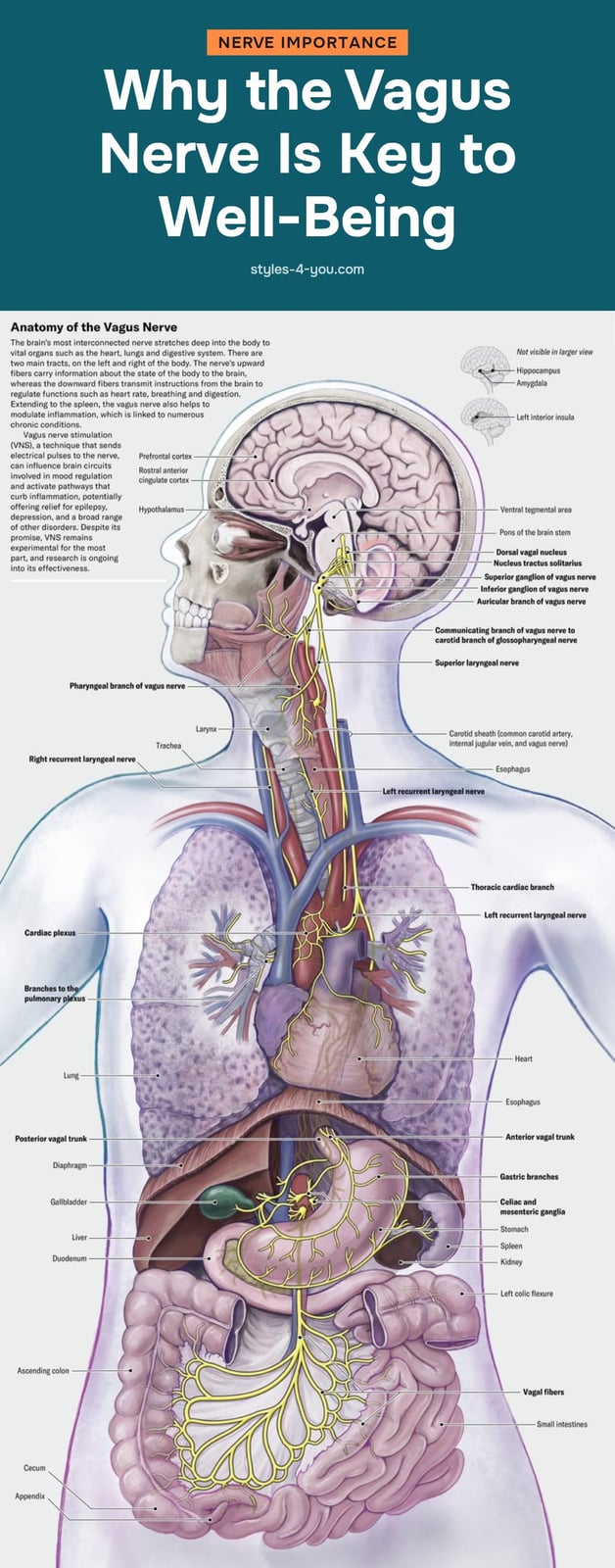
Why Your Vagus Nerve is So Important for Well-Being
The vagus nerve is a superhighway of communication between your brain and major organs like your heart, lungs, and digestive tract. It’s the main driver of your parasympathetic nervous system, meaning it controls your heart rate, blood pressure, and digestion without you thinking about it.
When your vagus nerve has good “tone” (meaning it’s active and responsive), your body bounces back from stress faster. Stimulating it helps balance the sympathetic “fight or flight” response, lowering your heart rate and blood pressure. This leads to a calmer state, better digestion, and a more resilient mood. In short, a healthy vagus nerve helps your whole body feel safe and at ease.
- Connects brain to heart, lungs, and gut
- Controls heart rate, blood pressure, and digestion
- Balances stress response for calm
Tools and Materials for Vagus Nerve Stimulation
You don’t need expensive gear to stimulate your vagus nerve. Most techniques rely on your own body and a few everyday items. Here’s what you’ll need:
- Water: For gargling or splashing cold water on your face
- Comfortable clothing: For breathing exercises and gentle movement
- A quiet space: Helps you focus during meditation or mindfulness
That’s it. No gadgets, no subscriptions. The real investment is a few minutes of your time each day.
Effective Vagus Nerve Stimulation Techniques You Can Do At Home
Effective Vagus Nerve Stimulation Techniques You Can Do At Home
Try these simple, science-backed methods to activate your vagus nerve. Consistency matters more than intensity.
Deep diaphragmatic breathing: Breathe slowly from your belly, not your chest. Inhale for 4 counts, hold for 4, exhale for 6. This signals your vagus nerve to slow your heart rate and shift into rest mode. My tip: Do this for 5 minutes first thing in the morning or before bed.
Cold exposure: Splash cold water on your face or take a short cold shower. The shock activates the vagus nerve via the trigeminal nerve. Start with 30 seconds of cold at the end of your shower, then work up slowly. Caution: If you have a heart condition, check with your doctor first.
Gargling vigorously: Gargle with water for 30 to 60 seconds. The throat muscles are connected to the vagus nerve, and the effort stimulates it. Do this once or twice a day.
Humming, chanting, or singing: Vibrations from your vocal cords travel through the vagus nerve. Hum a tune, chant “om,” or sing in the shower for a few minutes. It’s free and easy to fit into your day.
Mindfulness and yoga: Slow, mindful movement and focused breathing boost vagal tone. A 10-minute yoga flow or a short meditation can make a real difference.
Social connection and laughter: Genuine laughter and positive social interactions stimulate the vagus nerve. Call a friend, watch a funny show, or spend time with people who make you laugh.
Common Mistakes When Trying to Reset Your Vagus Nerve
Expecting immediate results: Most people want a quick fix, but vagus nerve stimulation works slowly. Benefits build over weeks or months of consistent practice, not after one session.
Treating techniques as a magic bullet: These methods are helpful tools, not cures for serious medical conditions. They complement professional care but don’t replace it.
Ignoring overall lifestyle: Your diet, sleep quality, and exercise habits directly affect vagal tone. A healthy lifestyle supports the techniques you practice.
Overdoing cold exposure: Start with brief cold splashes or short showers. If you have a heart condition or other health concerns, check with your doctor first and always listen to your body.
How Long Until You Feel a Difference and What It Costs
Results from vagus nerve stimulation are usually subtle and cumulative. With daily practice, many people notice small shifts in calmness or digestion within a few weeks. Noticeable improvements often appear after one to three months of consistent work.
Most techniques cost nothing. You use your own body, water, and a quiet space. The real investment is your time and commitment to a regular routine.
When to Talk to a Doctor About Your Symptoms
Consult a healthcare provider if you have persistent symptoms of stress, anxiety, or digestive issues that don’t improve with self-help techniques.
Heart conditions: Talk to your doctor before trying cold exposure methods like cold showers or face splashes.
Respiratory issues: Check with a professional before starting intense breathing exercises.
Stop any technique that causes discomfort, dizziness, or an adverse reaction, and seek medical advice promptly.
Frequently Asked Questions
How long does it take to feel the effects of vagus nerve stimulation?
Results are typically subtle and cumulative. With daily practice, many people notice small shifts in calmness or digestion within a few weeks, with more noticeable improvements often appearing after one to three months of consistent work.
Can vagus nerve exercises help with anxiety?
Yes, these techniques are designed to activate the parasympathetic nervous system, which helps shift your body out of ‘fight or flight’ mode and into a state of relaxation. While they can be a helpful tool for managing stress and anxiety, they are not a substitute for professional medical advice or treatment.
Is vagus nerve stimulation safe for everyone?
Most techniques are safe for healthy individuals, but some require caution. If you have a heart condition, consult your doctor before trying cold exposure methods. Those with respiratory issues should also check with a professional before practicing intense breathing exercises. Stop any technique if you feel discomfort or dizziness.
What is vagal tone and why is it important?
Vagal tone refers to the activity level of your vagus nerve. Higher vagal tone is generally associated with better physical and emotional health, including a more resilient stress response, lower inflammation, and improved digestion. Practices like meditation and deep breathing are thought to help improve vagal tone over time.
Can diet influence vagus nerve function?
Yes, a healthy gut microbiome is thought to influence vagus nerve function through the gut-brain axis. Eating a diet rich in probiotics and fiber may support this connection, potentially aiding in better communication between your gut and brain for overall well-being.
Final Thoughts
To get started, pick just one technique, like deep breathing or humming, and practice it daily for a few minutes. Realistic expectations are important; benefits from these exercises are usually subtle and build over several weeks to months of consistent effort. Remember, these methods are supportive tools for overall wellness, not a quick fix for serious conditions.
This article is for general informational purposes only and does not constitute medical advice. The techniques described are not a substitute for professional medical care or treatment. If you have a medical condition or persistent symptoms, consult a qualified healthcare provider before starting any new wellness practice.
More Blog ideas
- Your Essential Guide to a Healthy Feminine Hygiene Routine
- Best High Protein Foods to Eat Daily for Health and Energy
- Feeling Stuck: 12 Small Steps to Get Unstuck
- Winter Skin Survival Tips
- How to Get a Flat Stomach
- How to Fix Damaged Hair and Restore Its Health
- Full-Body Kettlebell Workout
- Dry Scalp vs. Dandruff
- Full Body Workout for Beginners
- 21 Easy Beauty Tips Every Woman Should Know
- Feminine Energy: 15 Daily Habits to Feel More Radiant
- Upper Body Workout for Women at Home