How to Get More Vitamin C for Better Health and Skin
Learn how to easily increase your vitamin C intake through diet and skincare. Discover foods, supplements, and topical tips for a healthier you.

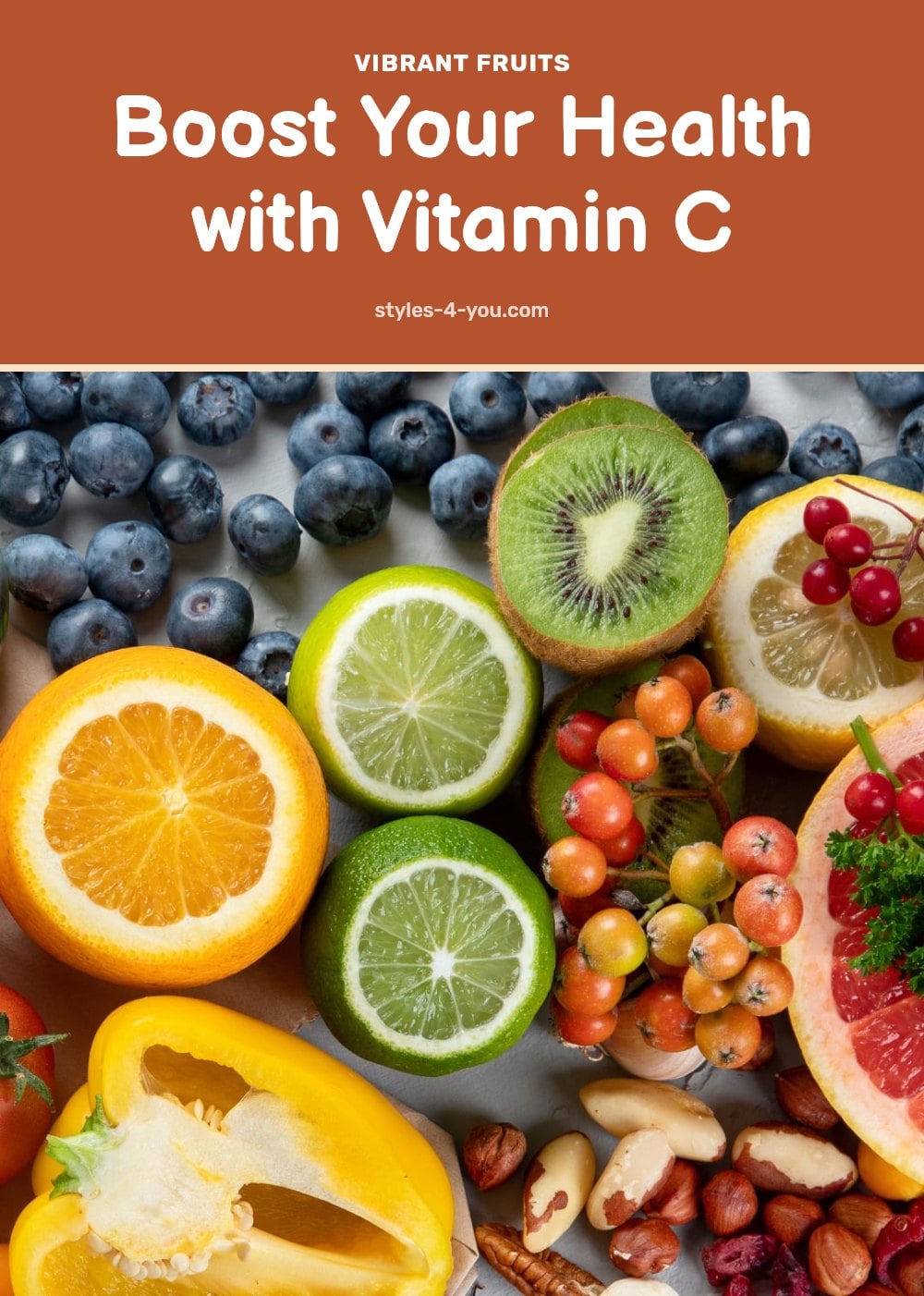
You already know vitamin C is good for you, but figuring out how to actually get enough of it every day can feel like a chore. The truth is, with a few simple tweaks to your diet and skincare routine, you can support your immune system, boost collagen production, and help your body absorb iron more effectively. This article covers the best food sources, how to preserve vitamin C during cooking, tips for using topical serums, and common mistakes to avoid so you can make the most of this essential nutrient.
Key Takeaways
- Eat at least one vitamin C-rich food at every meal, such as citrus, bell peppers, or broccoli.
- Smokers need an extra 35 mg of vitamin C per day compared to nonsmokers.
- Steam or lightly cook vegetables instead of boiling them to preserve vitamin C content.
- Pair vitamin C foods with iron-rich plant foods to boost iron absorption.
- Topical vitamin C serums work best when applied to clean, dry skin in the morning.
Why Vitamin C Is So Important for Your Body
Vitamin C is a vital antioxidant that supports immune function, collagen production, and iron absorption. Your body can’t make it, so you need to get it daily from food or supplements. Because it’s water-soluble, your body uses what it needs and excretes the rest, so consistent intake is key.
Delicious Ways to Boost Your Dietary Vitamin C
Colorful Fruits and Vegetables
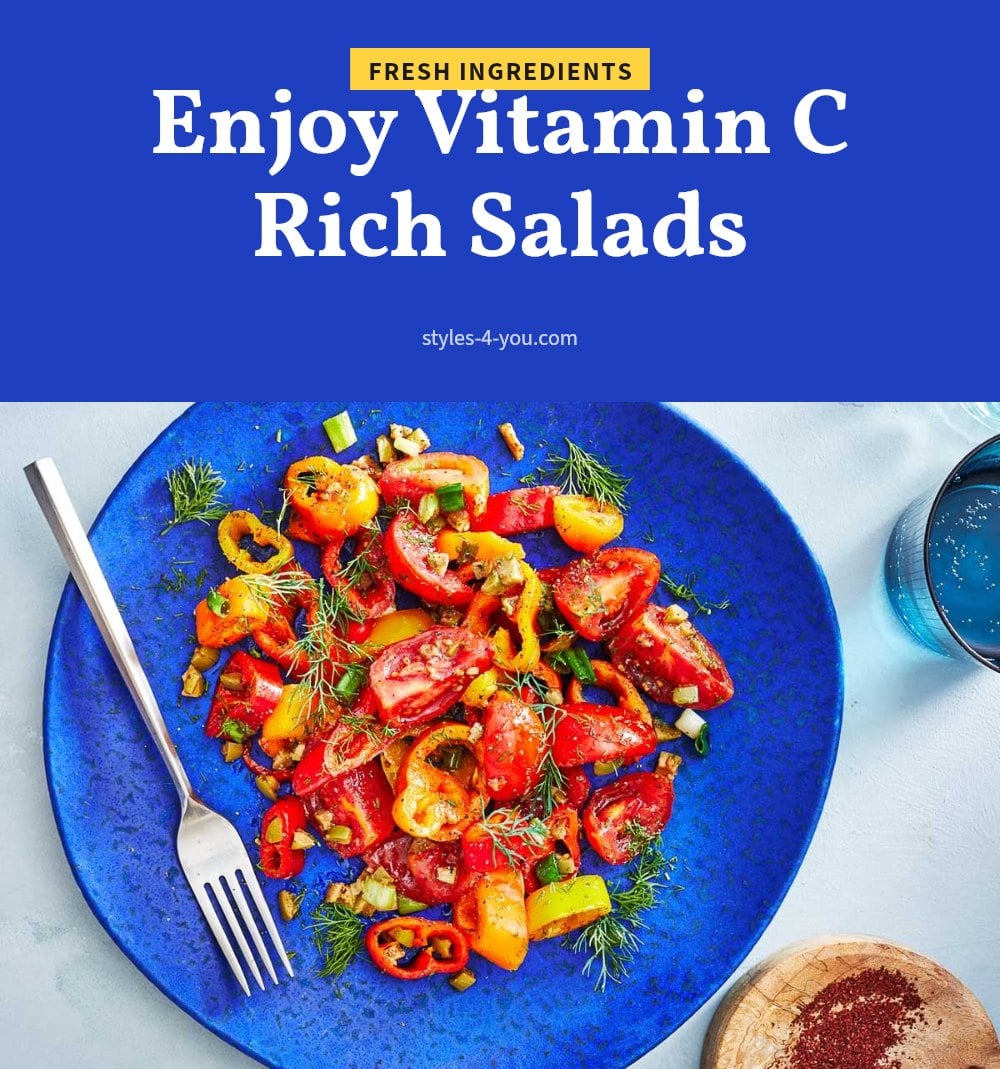
Focus on eating a variety of colorful fruits and vegetables every day. Citrus fruits like oranges and grapefruits are classic choices, but bell peppers, strawberries, kiwi, and broccoli are also packed with vitamin C. Try adding sliced bell peppers to a salad or snacking on strawberries with yogurt.
Smart Cooking Methods
Opt for fresh or lightly steamed vegetables to preserve their vitamin C content. Prolonged boiling can destroy a significant portion of this nutrient, so quick steaming or stir-frying is a better choice. My tip: toss broccoli into a stir-fry during the last two minutes of cooking.
Boost Iron Absorption
Pair plant-based iron sources like spinach or lentils with vitamin C-rich foods to enhance iron absorption. Squeeze lemon juice over a lentil soup or add sliced strawberries to a spinach salad. This simple pairing helps your body get more iron from the meal.
Essential Tools and Ingredients for Vitamin C Intake
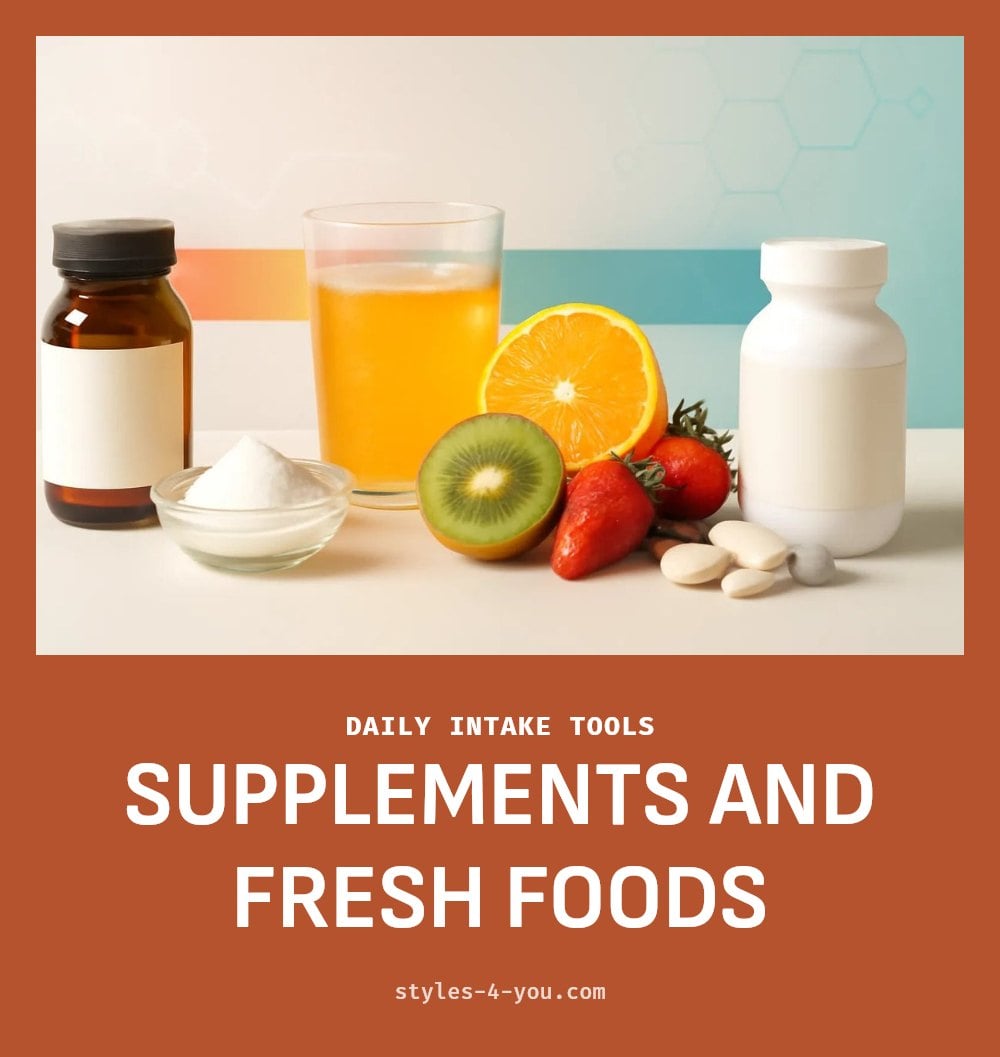
The best sources of vitamin C are whole foods. Reach for oranges, grapefruits, strawberries, kiwi, red bell peppers, broccoli, and leafy greens like spinach. These deliver the nutrient along with fiber and other antioxidants.
If your diet falls short, a supplement can help. The most common form is ascorbic acid, but you may also see sodium ascorbate or calcium ascorbate, which are gentler on the stomach for some people.
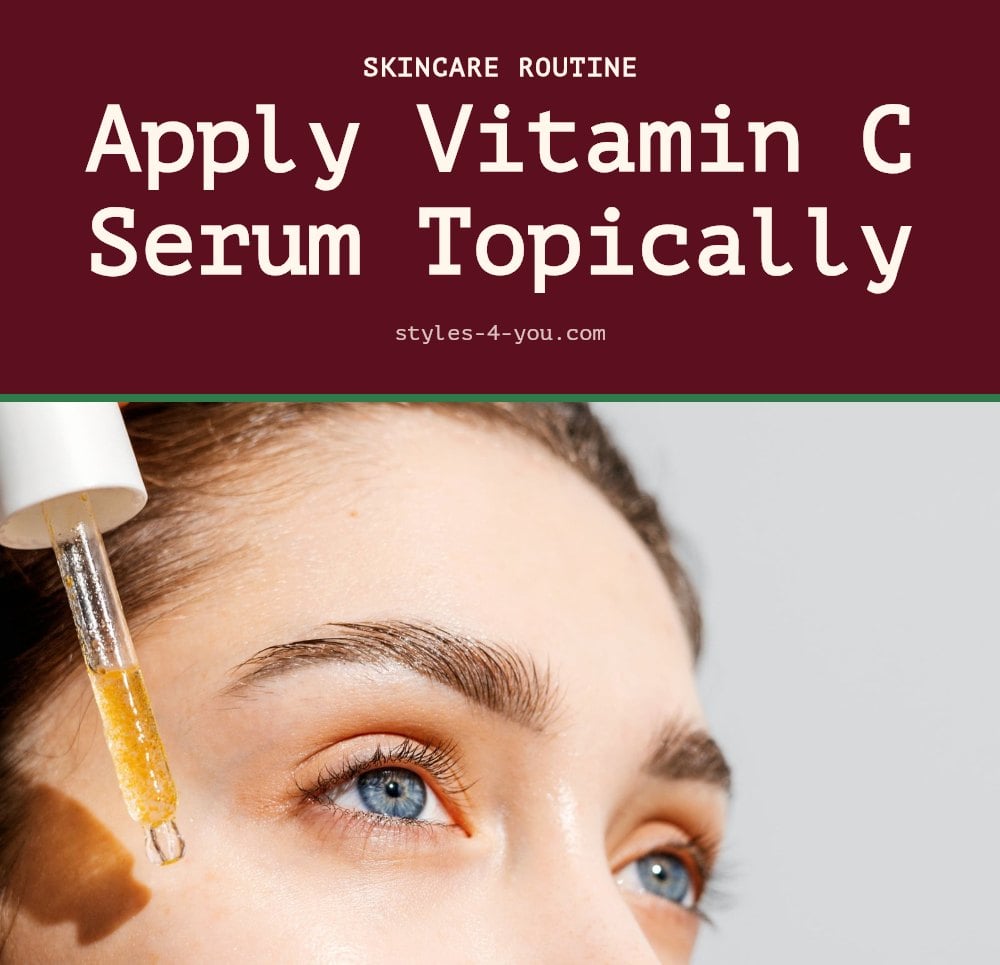
For skin, a topical vitamin C serum provides antioxidant protection and supports collagen production. Apply it in the morning before sunscreen for the best results.
How to Incorporate Vitamin C into Your Daily Routine
- Plan your meals: Include at least one vitamin C-rich food at each meal, like a citrus fruit at breakfast or bell peppers in a lunch wrap. The RDA is 90 mg per day for men and 75 mg per day for women; smokers need an extra 35 mg daily.
- Cook wisely: Choose steaming or stir-frying over boiling to keep more vitamin C in your vegetables. If you do boil, use minimal water and keep the cooking time short.
- Consider supplements: If your diet consistently falls short, a supplement can help. Stick to the Tolerable Upper Intake Level of 2,000 mg per day and consult a doctor if you have health concerns.
- Add topical vitamin C: Apply a vitamin C serum to clean, dry skin in the morning. Follow with sunscreen, as vitamin C can increase sun sensitivity while also offering antioxidant protection.
Common Vitamin C Mistakes to Avoid
Many people think vitamin C can cure the common cold, but that’s not the case. It may slightly reduce the duration or severity of symptoms if taken regularly, but it won’t prevent or stop a cold. Overcooking vegetables is another common mistake; prolonged boiling destroys a significant portion of the vitamin C content. Steam or lightly cook them instead.
Myth: All vitamin C supplements are the same. Different forms exist, such as ascorbic acid, sodium ascorbate, and calcium ascorbate, and concentrations vary. Check the label and choose a form that works for you. Don’t rely solely on supplements while ignoring dietary sources. Whole foods provide additional beneficial compounds that supplements can’t replicate.
If you use a topical vitamin C serum, store it in a cool, dark place and keep the bottle tightly closed. Exposure to air and light can oxidize the product, making it less effective.
When to Consult a Healthcare Professional About Vitamin C
Consult a healthcare professional before starting high-dose vitamin C supplements, especially if you have kidney disease or hemochromatosis. Pregnant or breastfeeding women should also seek medical advice before adding supplements. If you experience persistent digestive upset like diarrhea or nausea from supplements, talk to your doctor about adjusting the dose or form.
Signs of severe vitamin C deficiency, known as scurvy, include fatigue, gum inflammation, joint pain, and poor wound healing. If you suspect a deficiency, see a professional for proper evaluation and guidance.
Frequently Asked Questions
What is the best time of day to take vitamin C?
There is no single best time, but many people prefer taking vitamin C with a meal to reduce the chance of digestive upset. Because it is water-soluble, splitting your intake throughout the day can help maintain steady levels. If you use a topical serum, apply it in the morning for antioxidant protection against UV damage.
Can vitamin C really prevent colds?
No, vitamin C cannot prevent the common cold. Regular intake may slightly reduce the duration or severity of cold symptoms, but it will not stop you from catching one. Relying on vitamin C as a cure is one of the most common mistakes people make.
How long does it take to see results from topical vitamin C?
Consistent daily application of a topical vitamin C serum typically shows visible results, such as brighter skin and improved texture, after several weeks to months. Individual results vary based on skin type, product concentration, and other factors. Patience and daily use are key.
Are vitamin C supplements as good as food sources?
Supplements can help if your diet is consistently low, but whole foods are generally better because they provide fiber and other antioxidants alongside vitamin C. The most biologically active form is ascorbic acid, which is found in both supplements and food. Do not rely solely on supplements; prioritize a varied diet first.
Can I get too much vitamin C from food alone?
It is very unlikely to get too much vitamin C from food alone. The body excretes excess water-soluble vitamins, and food sources rarely provide amounts near the Tolerable Upper Intake Level of 2,000 mg per day. Overdosing is only a concern with high-dose supplements.
Final Thoughts
For most people, the simplest way to get enough vitamin C is to eat a colorful variety of fruits and vegetables throughout the day. If you choose to use a supplement, keep it under 2,000 mg per day unless your doctor advises otherwise. Realistic expectations matter here: dietary changes can start supporting your health within days to weeks, while topical vitamin C for skin brightness usually takes several weeks to months of consistent use. Stick with whole foods first and let supplements fill in the gaps when needed.
This article provides general information about vitamin C and is not a substitute for professional medical advice. Individual nutrient needs vary, and high-dose supplements may not be safe for everyone. Consult a healthcare professional before starting any new supplement regimen, especially if you have a medical condition or are pregnant or breastfeeding.
More Blog ideas
- Your Essential Guide to a Healthy Feminine Hygiene Routine
- Best High Protein Foods to Eat Daily for Health and Energy
- Feeling Stuck: 12 Small Steps to Get Unstuck
- Winter Skin Survival Tips
- How to Get a Flat Stomach
- How to Fix Damaged Hair and Restore Its Health
- Full-Body Kettlebell Workout
- Dry Scalp vs. Dandruff
- Full Body Workout for Beginners
- 21 Easy Beauty Tips Every Woman Should Know
- Feminine Energy: 15 Daily Habits to Feel More Radiant
- Upper Body Workout for Women at Home






