A Woman’s Guide to Going Gray and Embracing Your Natural Color
Learn the best methods for going gray gracefully, understand the timeline, and get tips for caring for your beautiful gray hair.

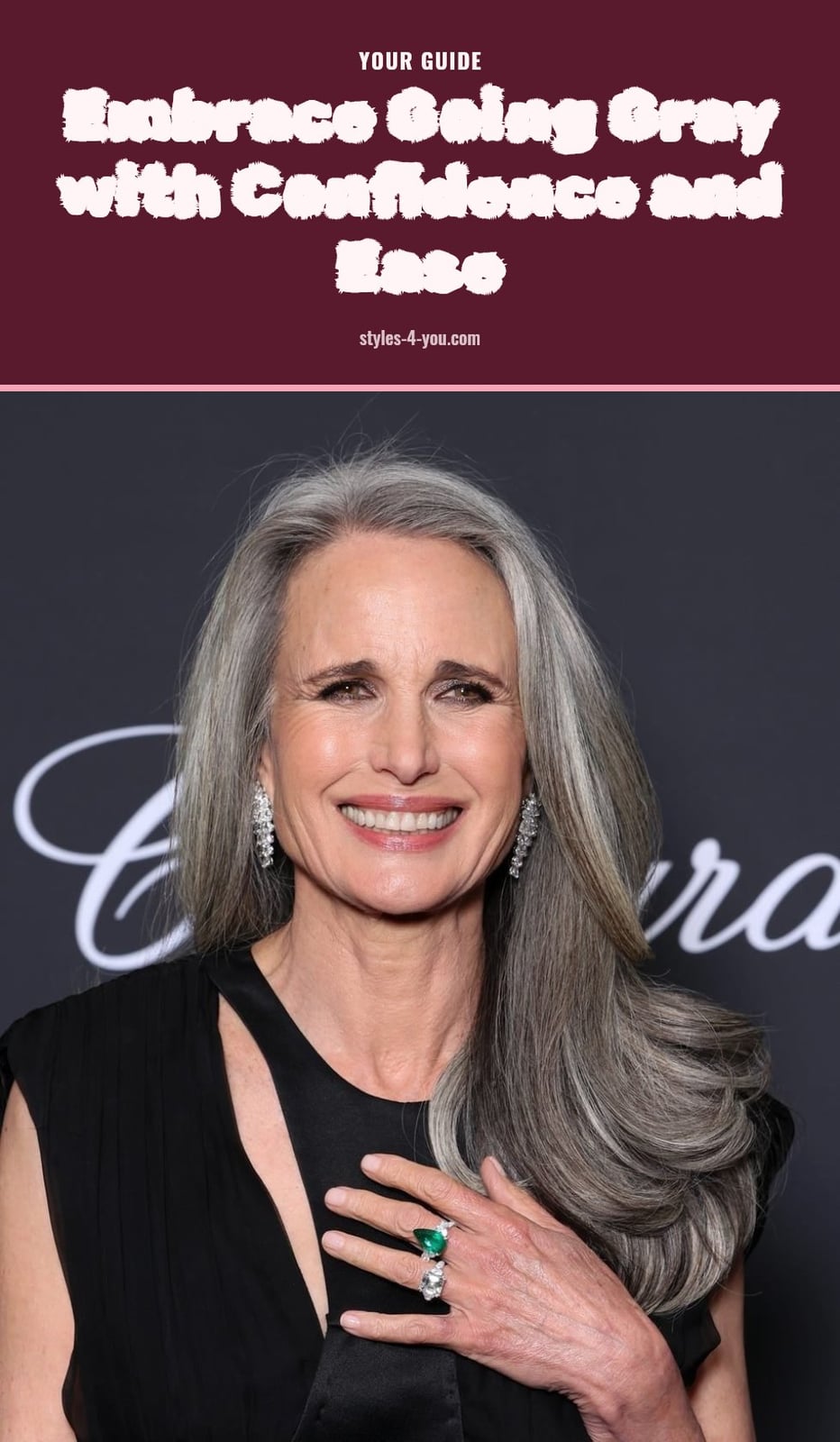
You’ve noticed your first grays, or maybe you’re just tired of the constant color touch-ups. Either way, you’re ready to let your natural hair shine through. This article walks you through the entire process, from choosing your transition method to caring for your new silver strands, so you can make an informed decision that fits your life.
Key Takeaways
- Going gray requires patience; a full transition can take months to years depending on hair length and method.
- Use purple or blue toning products weekly to keep gray hair bright and free of yellow tones.
- Moisturizing shampoos, conditioners, and deep masks are essential since gray hair tends to be drier.
- Regular trims every 6-8 weeks help remove old color and keep your gray hair healthy.
- Consult a stylist for blending techniques like highlights or lowlights to soften the grow-out line.
Embracing Your Natural Gray: What to Expect
Going gray is a personal choice to let your natural hair pigment show. That pigment loss means your hair appears white or silver, and the ‘gray’ look comes from a mix of pigmented and unpigmented strands. The transition from colored hair to your natural shade can happen in several ways, but be ready for texture changes. Gray hair often feels coarser, drier, or more wiry because the follicle changes as melanin production drops. Your care routine will need to adjust for that new texture.
Your Gray Hair Transition Toolkit
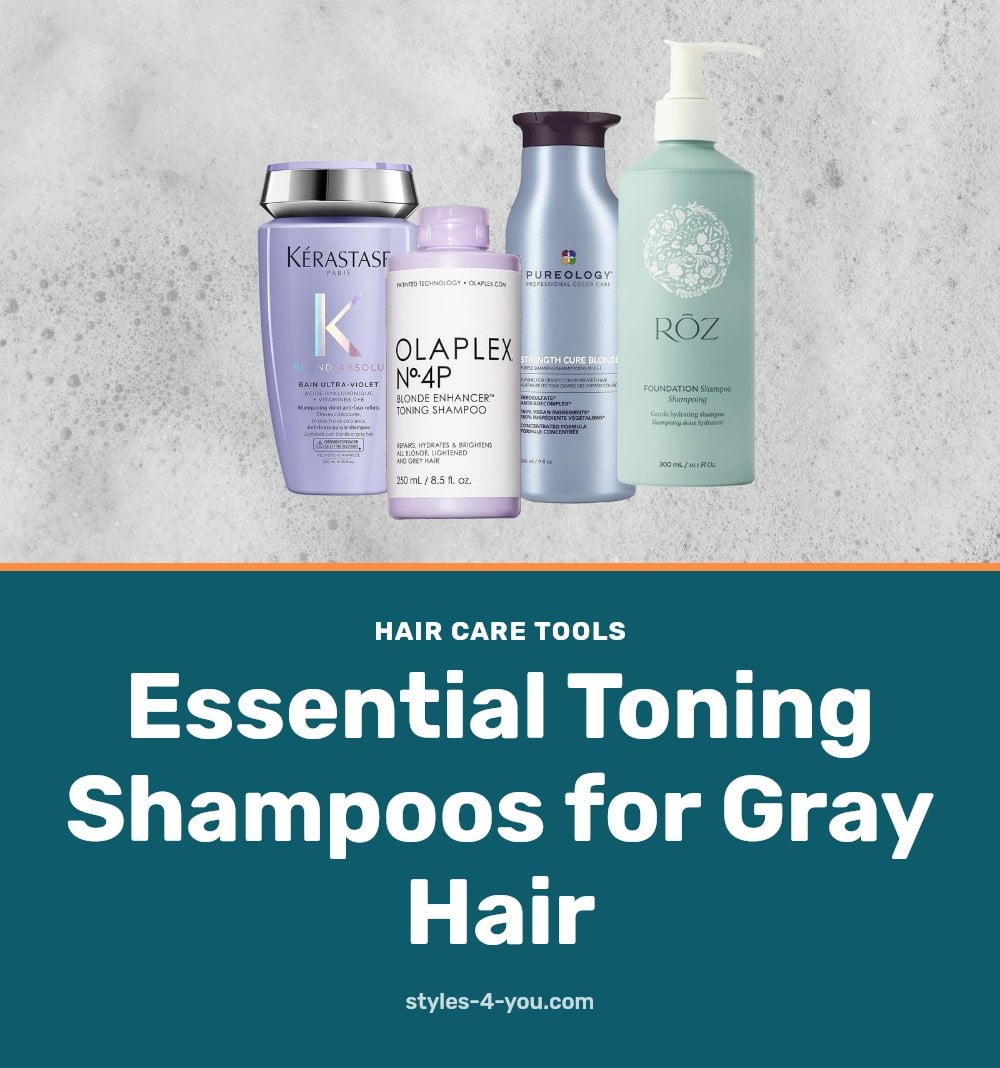
These products will help you manage your gray hair’s unique needs:
- Purple or blue toning shampoo: Neutralizes yellow tones and keeps gray bright.
- Purple or blue toning conditioner: Enhances cool tones while adding moisture.
- Deep conditioning mask: Provides hydration to combat dryness.
- Heat protectant spray: Prevents yellowing and damage from heat styling.
- UV-protective hair products: Shield hair from sun exposure that can cause yellowing.
- Moisturizing shampoo and conditioner: Deliver daily hydration for drier gray strands.
- Hair oil or serum: Adds shine and smooths the texture.
Choosing Your Gray Hair Transition Method
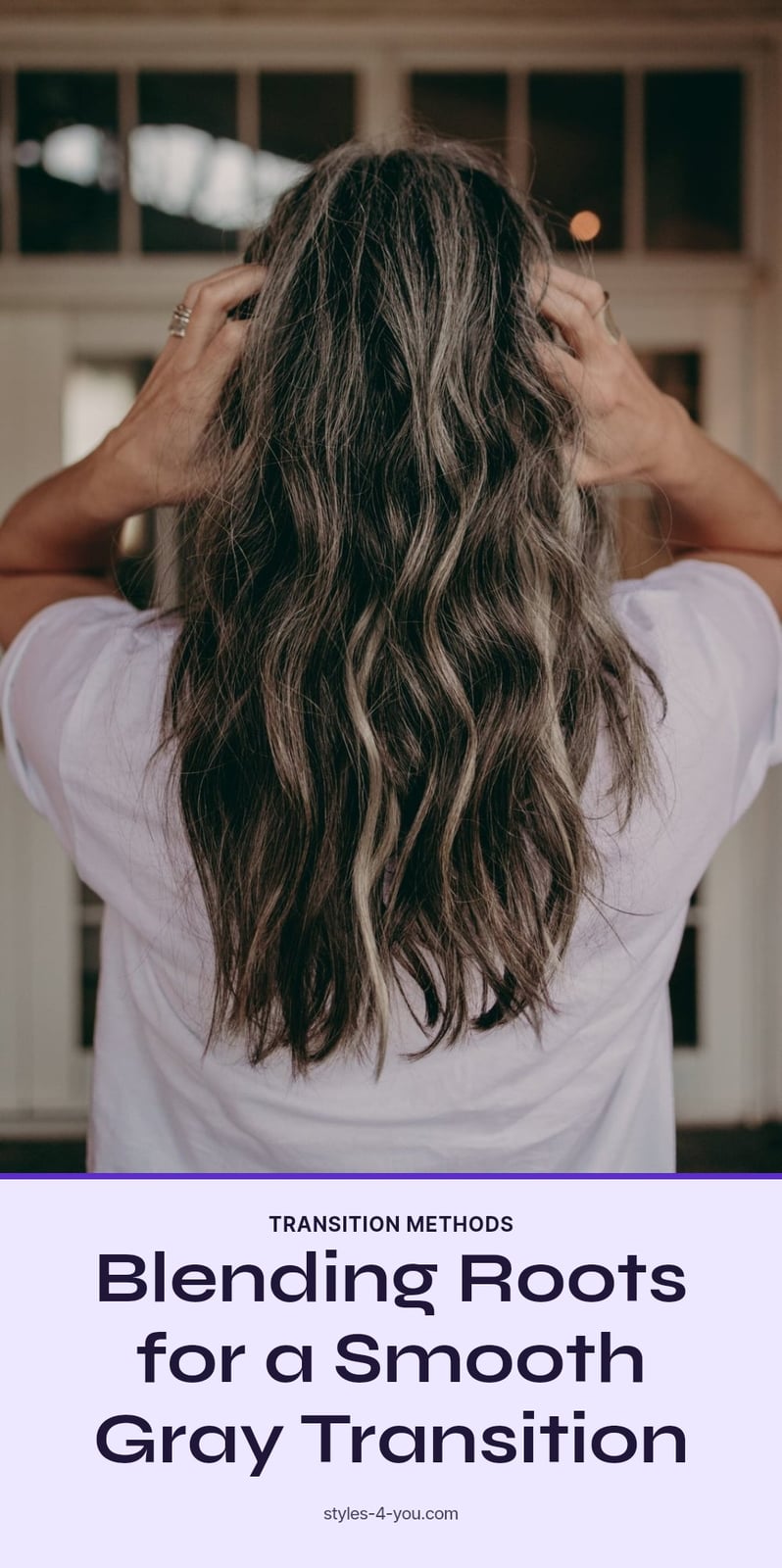
Cold Turkey
You stop coloring and let your roots grow out naturally. This method is free and requires no salon visit, but you will have a distinct line of demarcation between your colored ends and new growth. My tip: Use a temporary root touch-up product or a headband during the awkward phase to make the line less obvious.
Big Chop
Cutting off all colored hair gives the quickest transition. A short haircut can mean a full gray look in a few months. Caution: This works best if you are ready for a dramatic style change and your face shape suits short hair. Consult a stylist to find a cut that flatters you.
Highlights or Lowlights
A stylist adds highlights or lowlights to blend the growing gray roots with your existing color. This softens the transition and reduces the harsh line. My tip: Ask for fine, face-framing highlights so the regrowth blends more naturally as your gray comes in.
Reverse Balayage (Gray Blending)
This technique integrates your gray into the current color by painting lighter or darker streaks throughout. It creates a seamless, sun-kissed effect that grows out softly. Caution: This requires a skilled colorist, so book a consultation first to see if the look matches your vision.
Timeline and Expectations for Going Gray
The timeline depends on your hair length and chosen method. A short haircut can complete the transition in a few months. A gradual blend for long hair can take several years as your natural gray grows in. Professional services like blending or highlighting add salon costs, while at-home transitions mainly require new hair care products like purple shampoo and deep conditioner. Plan for regular trims every 6-8 weeks to remove old color and keep hair healthy.
Caring for Your Beautiful Gray Hair
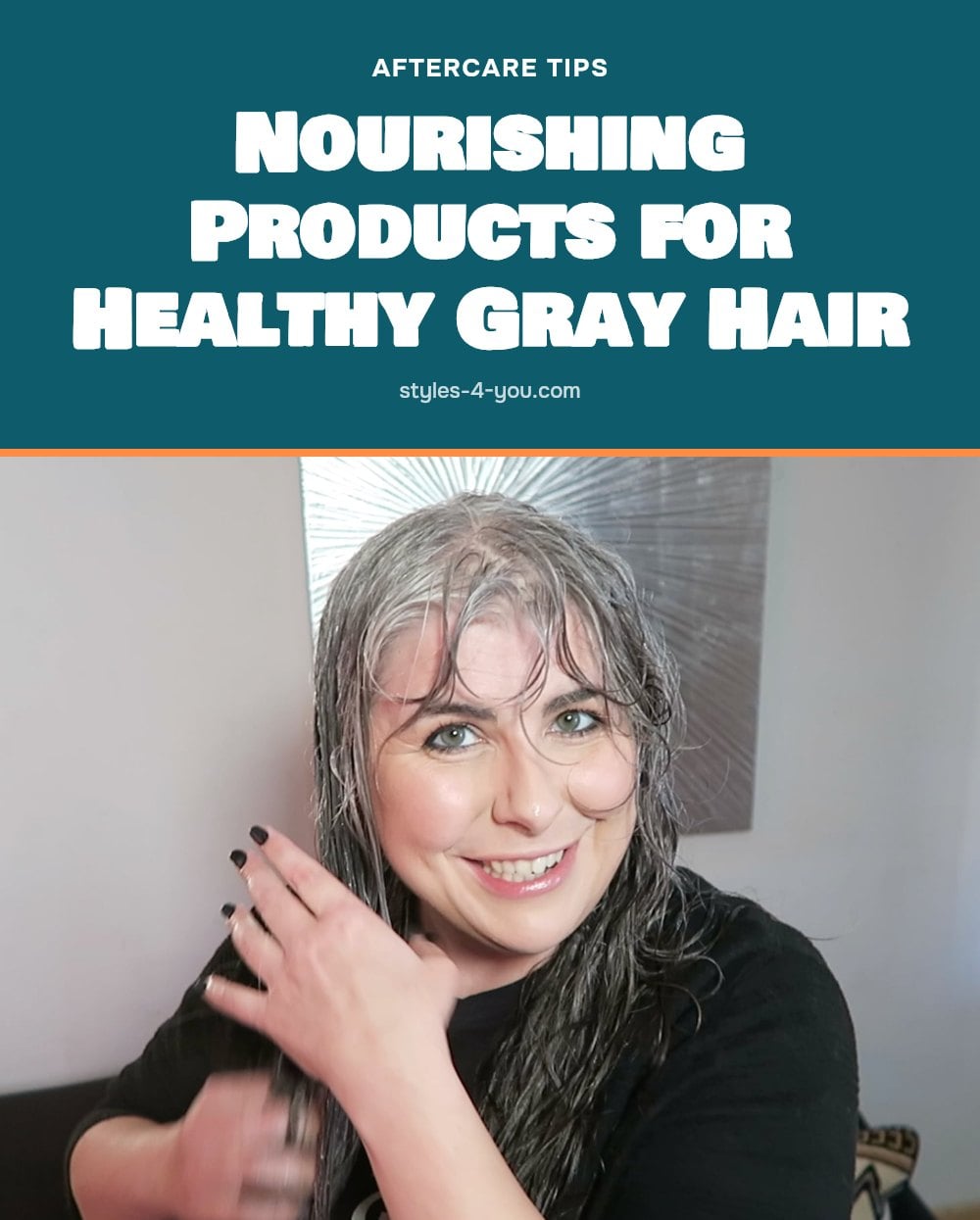
Regular trims are key to removing old colored ends and keeping your gray hair healthy. Aim for a trim every 6-8 weeks to gradually phase out the dyed sections. Use purple-toned shampoo and conditioner 1-2 times a week to neutralize yellow or brassy tones; leave the shampoo on for 2-3 minutes before rinsing. Deep condition weekly with a hydrating mask to combat the dryness gray hair is prone to. Protect your hair from sun exposure with a hat or a UV-protective spray, and always apply a heat protectant before using hot tools. Avoid over-washing to preserve your scalp’s natural oils, which helps maintain moisture and shine.
Common Mistakes When Going Gray and How to Avoid Them
One common mistake is not preparing for the texture change. Gray hair often feels coarser or drier, so switch to a moisturizing shampoo and conditioner early. Expecting a perfect, uniform transition is unrealistic. Awkward stages are normal, so use blending strategies like highlights or lowlights to soften the line. Neglecting toning products leads to brassiness. Purple shampoo is your friend here, but don’t overdo it or it can leave a purple tint. Ignoring professional advice can set you back. A stylist can recommend the best method for your hair type and help you avoid a harsh demarcation line. Finally, don’t underestimate the patience required. This is a journey, especially for longer hair. Celebrate small victories, like seeing your natural silver peek through.
When to Consult a Professional or Doctor
Consult a professional stylist to discuss the best transition method for your hair type and desired look. Their expertise is especially valuable for complex techniques like reverse balayage or gray blending, which require precision to look natural. If you experience sudden, rapid graying or excessive hair loss, see a doctor. These changes can sometimes signal an underlying health issue, and a medical professional can help rule out causes like thyroid imbalances or vitamin deficiencies.
Frequently Asked Questions
How long does it take to fully transition to gray hair?
The timeline varies widely based on your hair length and chosen method. A short haircut can complete the transition in a few months, while a gradual blend for long hair can take several years as your natural gray grows in. Patience and regular trims help speed up the process.
Can gray hair be colored back to its natural pigment?
Yes, you can color gray hair back to your previous shade or any other color. However, gray hair often requires more pigment and longer processing time because it lacks melanin. A professional stylist can help you achieve the best results if you decide to go back to coloring.
What products should I avoid when going gray?
Avoid harsh shampoos with sulfates, which can strip natural oils and make gray hair even drier. Skip products with high levels of alcohol, as they can cause brittleness. Also, avoid overusing purple shampoo, as it can deposit too much violet pigment and dull the silver tone.
Will my gray hair be a different texture?
Yes, gray hair often feels coarser, drier, or more wiry than your pigmented hair due to changes in the hair follicle. This is normal. You can manage it by using deep conditioning masks, moisturizing shampoos, and hair oils to keep it soft and manageable.
Does stress cause gray hair?
While stress is often blamed for graying, the primary factor is genetics. Some studies suggest that extreme stress may accelerate the graying process, but it is not a direct cause. If you notice sudden, rapid graying, it’s a good idea to consult a doctor to rule out underlying health issues.
How often should I use purple shampoo?
Use purple shampoo 1-2 times per week to neutralize yellow tones without over-toning. Leave it on for 2-5 minutes, depending on your hair’s porosity and how much brassiness you need to correct. Overuse can make your gray look dull or violet, so adjust as needed.
Final Thoughts
If you’re ready to make the switch, my tip is to start with a professional consultation. A stylist can recommend the best method for your hair length and lifestyle, whether that’s a dramatic chop or a gradual blend. Expect the transition to take time, especially if you have longer hair, but the result is a low-maintenance, natural look that saves you time and money in the long run. Embrace the process and enjoy your authentic silver.
This article provides general information for informational purposes only and is not a substitute for professional medical or hair care advice. If you experience excessive hair loss or sudden graying, consult a doctor or dermatologist for personalized guidance.
More Blog ideas
- Your Essential Guide to a Healthy Feminine Hygiene Routine
- Best High Protein Foods to Eat Daily for Health and Energy
- Feeling Stuck: 12 Small Steps to Get Unstuck
- Winter Skin Survival Tips
- How to Get a Flat Stomach
- How to Fix Damaged Hair and Restore Its Health
- Full-Body Kettlebell Workout
- Dry Scalp vs. Dandruff
- Full Body Workout for Beginners
- 21 Easy Beauty Tips Every Woman Should Know
- Feminine Energy: 15 Daily Habits to Feel More Radiant
- Upper Body Workout for Women at Home






