Working Out at Home: How to Start and Stay Consistent
Learn how to start working out at home and build a consistent fitness routine. Discover essential tips, equipment, and how to avoid common mistakes.

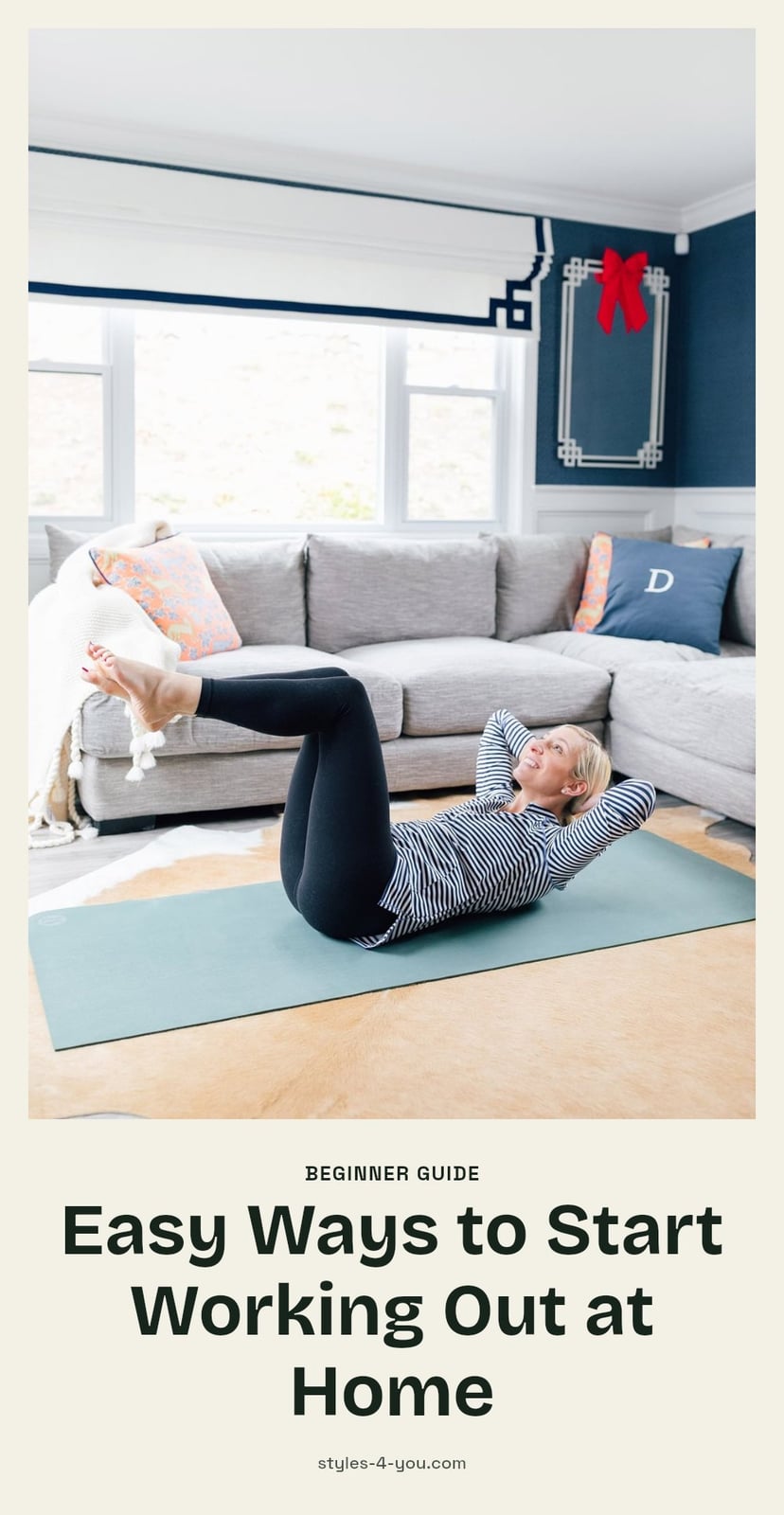
Starting a home workout routine can feel like the easiest decision you make all day, but keeping it going takes a bit of strategy. Whether you’re short on time, watching your budget, or just prefer your own space, this article covers how to set clear goals, choose the right exercises, and build a habit that sticks.
I’ll walk you through the gear you actually need, common mistakes to sidestep, and realistic timelines so you know what to expect. My tip: start small and prioritize consistency over intensity.
Key Takeaways
- Set SMART goals to give your workouts direction and purpose.
- Warm up for 5-10 minutes and cool down for 5-10 minutes every session.
- Aim for 3-5 workouts per week, with noticeable changes in 4-6 weeks.
- Prioritize proper form over speed or repetitions to prevent injury.
- Stay hydrated and listen to your body, taking rest days when needed.
Why Working Out at Home Works for Everyone
Working out at home gives you flexibility that a gym schedule simply can’t match. You can train at 6 a.m. or 9 p.m., in your living room or bedroom, with no commute and no waiting for equipment. That convenience makes fitness accessible whether you’re a busy parent, a shift worker, or someone who just prefers privacy.
You don’t need a full home gym to make real progress. Bodyweight exercises and a few basic tools can build strength and improve cardiovascular health. The American Heart Association recommends at least 150 minutes of moderate aerobic activity per week or 75 minutes of vigorous activity, plus strength training twice a week, all achievable at home.
What matters most is consistency, not intensity. A 20-minute session you actually do beats a 60-minute plan you skip. Home workouts make that consistency realistic.
Essential Gear for Your Home Workout Space
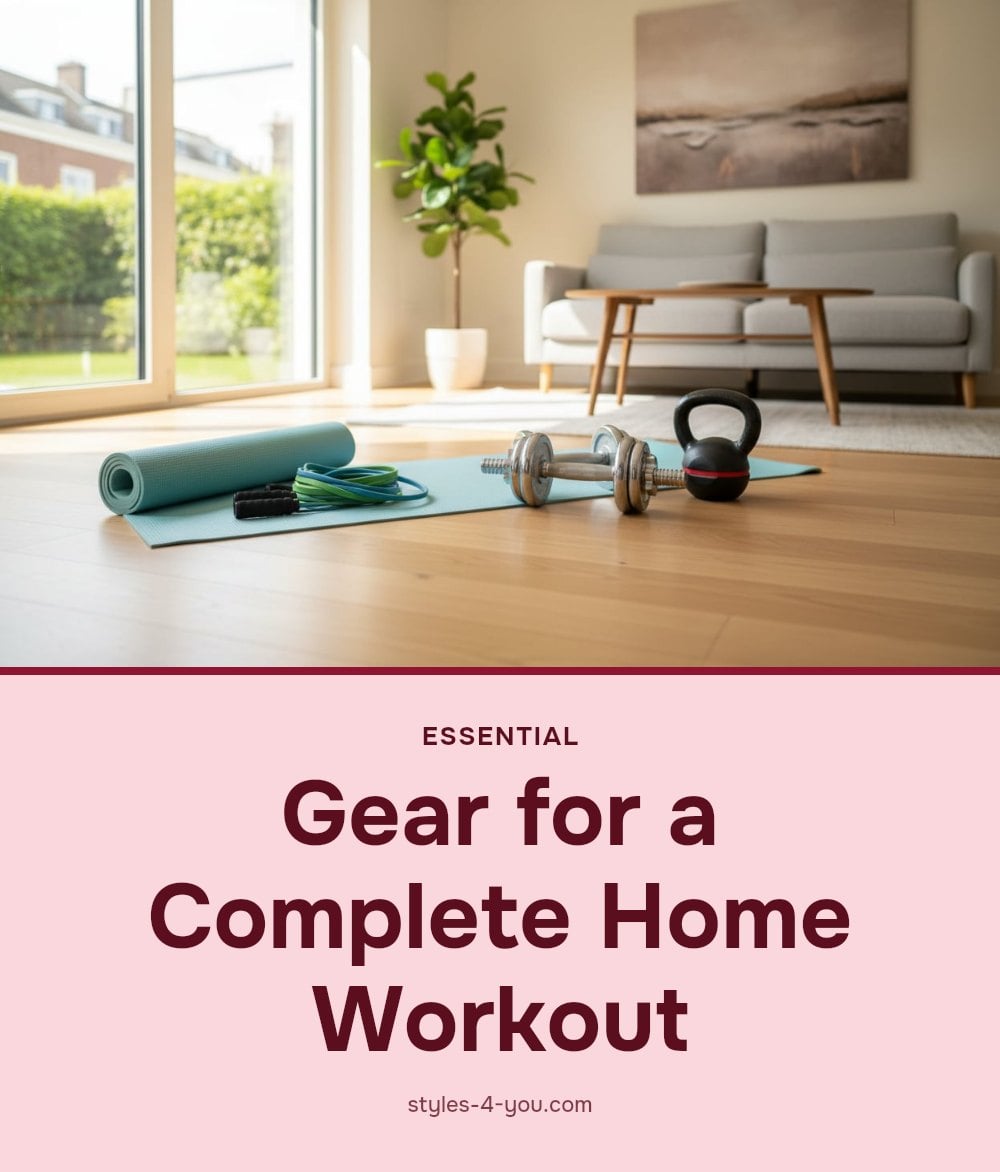
You can start with almost nothing, but a few affordable pieces make home workouts more comfortable and effective. Here’s what earns its spot in a small space.
- Yoga mat: Cushions your joints on hard floors and marks your workout zone, so you know exactly where to stand.
- Resistance bands: Provide adjustable tension for strength training without heavy weights. They pack flat and work for arms, legs, and glutes.
- Dumbbells (light to medium): Add progression once bodyweight feels easy. A pair in 5-10 pound range covers most beginners.
- Jump rope: Delivers a solid cardio session in a small footprint. It also improves coordination and timing.
- Stability ball: Challenges your core with every exercise you perform on it, adding variety to planks, crunches, and bridges.
Choose gear based on your goals. If cardio is the priority, a jump rope matters more than dumbbells. If strength is the focus, bands and weights come first.
Your Step-by-Step Guide to Starting Home Workouts
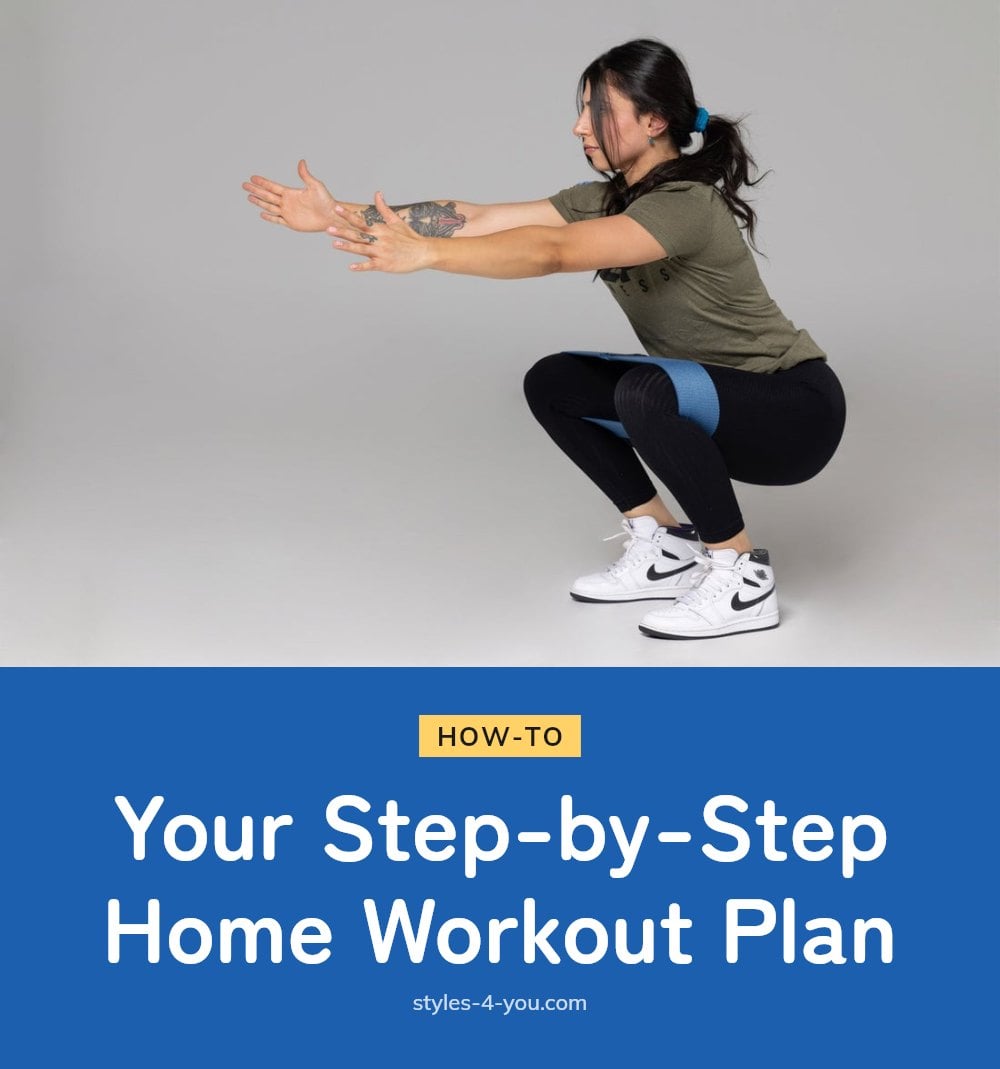
Starting a home workout routine is simpler than you think when you break it into clear steps. Follow these in order to build a habit that lasts.
- Define your goals: Write down what you want, like “increase strength” or “improve cardio endurance.” Be specific and realistic so you can measure progress.
- Clear your space: Pick a corner or room with enough room to stretch your arms and lie down. Remove clutter and hazards like loose rugs or cords to prevent trips and falls.
- Pick your program: Choose a structured plan or a set of exercises that match your goals and equipment. Free YouTube videos and fitness apps offer guided routines for every level.
- Warm up and cool down: Spend 5-10 minutes warming up before each session with light cardio or dynamic stretches. Cool down for 5-10 minutes afterward with static stretches to improve flexibility and reduce soreness.
- Focus on form: Prioritize proper technique over speed or repetition count. Watch tutorials, use a mirror, or record yourself to check alignment. Poor form leads to injury and limits results.
- Schedule your sessions: Aim for 3-5 workouts per week, and put them in your calendar like any appointment. Consistency beats intensity, so choose a frequency you can maintain.
- Track your progress: Log your workouts, weights, or reps in a notebook or app. Reviewing your entries shows improvement and keeps you motivated on tough days.
Finding Your Perfect Home Workout Routine

Your ideal home routine depends on your goals, available time, and what you enjoy. Try a few formats to find what sticks.
Bodyweight training
Squats, push-ups, lunges, and planks build strength and endurance with zero equipment. You can scale them up by adding reps or slowing the tempo, so they stay challenging as you improve.
HIIT sessions
High-Intensity Interval Training alternates short bursts of effort with brief rest. A 10-30 minute session can deliver solid cardiovascular benefits, making it perfect for busy days.
Free online resources
YouTube and fitness apps offer structured programs for all levels, from beginner yoga to advanced strength circuits. You can search by duration, equipment, or intensity to match your mood.
Rotate between these styles throughout the week. Variety prevents boredom and plateaus, and it challenges different muscle groups so your body keeps adapting.
Common Home Workout Mistakes and How to Avoid Them
Even motivated people stumble when they skip the basics. Here are the most common home workout mistakes and how to fix them.
- Not having a clear plan: Set SMART goals (Specific, Measurable, Achievable, Relevant, Time-bound). A vague “get fit” goal fades fast, but “do 20 push-ups in a row by March” keeps you on track.
- Ignoring proper form: Watch tutorials, use a mirror, or record yourself to check your technique. Safety beats intensity every time, especially without a trainer watching.
- Doing the same routine every day: Your muscles adapt quickly, and boredom kills motivation. Rotate between strength, cardio, and flexibility sessions to keep progress coming.
- Skipping warm-ups or cool-downs: A 5-10 minute warm-up raises your heart rate and preps muscles, while a cool-down improves flexibility and reduces soreness. Both protect you from injury.
- Overdoing it too soon: Start with shorter sessions and lighter resistance, then build up over weeks. Jumping to 60 intense minutes on day one leads to burnout or injury.
- Forgetting rest and recovery: Muscles repair and grow during rest, not during the workout. Take at least one full rest day per week and sleep well.
Smart Tips for Staying Consistent with Home Workouts

Sticking with home workouts comes down to small habits that make the routine feel easy to repeat. These tips keep you coming back.
- Stay hydrated: Keep a water bottle nearby and drink before, during, and after your session. Even mild dehydration hurts performance and recovery.
- Listen to your body: Muscle soreness is normal, but sharp pain is a warning sign. When you feel that, back off and take a rest day.
- Find an accountability partner: Tell a friend or family member your workout goal and check in weekly. Knowing someone will ask keeps you honest.
- Reward yourself: Celebrate milestones with non-food treats like a new playlist, a bath, or an evening off chores. Positive reinforcement builds the habit.
- Make it fun: Pick workouts you actually enjoy, whether that’s dance cardio, yoga, or kickboxing. If it feels like a chore, you won’t stick with it.
How Long Until You See Results and What It Costs
Results take time, but they show up sooner than you might think. With 3-5 sessions per week, noticeable improvements in strength and endurance often appear within 4-6 weeks. Significant changes in muscle tone and cardiovascular fitness typically develop over several months of consistent effort.
Cost is where home workouts shine. You can train for free using bodyweight exercises and free online videos or apps. If you want basic equipment, a yoga mat and resistance bands usually cost under $50-100, a fraction of a yearly gym membership. Invest once, and the equipment lasts for years.
When to Consult a Healthcare Professional
Talk to a healthcare professional before starting any new exercise program if you have pre-existing health conditions, chronic pain, or any concerns about your ability to exercise safely. This is especially important if you’ve been inactive for a while.
Stop exercising immediately and seek medical advice if you experience sharp pain, dizziness, chest pain, or extreme shortness of breath during a workout. If you suspect an injury that isn’t improving with rest and home care, see a professional. They can also help you modify exercises for health limitations or specific fitness goals.
Frequently Asked Questions
How long should an at-home workout be?
Aim for 10-30 minutes for most sessions, especially if you’re doing HIIT or bodyweight circuits. For moderate-intensity cardio or full-body strength work, 30-45 minutes is a solid goal. The key is to match the length to your schedule so you can stick with it.
Can I build muscle effectively working out at home?
Yes, bodyweight exercises like push-ups, squats, and lunges can build strength and endurance. Adding resistance bands or dumbbells increases the challenge. Progress by increasing reps, sets, or using harder variations like single-leg squats.
What if I don’t have much space for home workouts?
You only need a clear area about the size of a yoga mat. Focus on exercises that don’t require much room, such as squats, planks, and standing lunges. Use a corner of your bedroom or living room that’s free from clutter.
How do I stay motivated to work out at home?
Set a regular time each day, track your progress in a journal or app, and vary your workouts to prevent boredom. Following a free video program or setting a small reward for each completed week can also keep you going.
Is it okay to work out every day at home?
It’s fine to move daily, but include at least one or two full rest days per week for recovery. Alternate intense days with lighter activities like walking or stretching to avoid overtraining and reduce injury risk.
Final Thoughts
Start with a simple plan, like two strength sessions and two cardio sessions per week, and adjust as you go. Expect to see noticeable improvements in strength and endurance within 4-6 weeks if you stay consistent. Remember, the best home workout is the one you actually do.
This article provides general information for educational purposes and is not a substitute for professional medical advice. Before starting any new exercise program, consult a healthcare professional, especially if you have pre-existing health conditions or concerns. If you experience pain or unusual symptoms, stop and seek medical attention.
More Blog ideas
- Your Essential Guide to a Healthy Feminine Hygiene Routine
- Best High Protein Foods to Eat Daily for Health and Energy
- Feeling Stuck: 12 Small Steps to Get Unstuck
- Winter Skin Survival Tips
- How to Get a Flat Stomach
- How to Fix Damaged Hair and Restore Its Health
- Full-Body Kettlebell Workout
- Dry Scalp vs. Dandruff
- Full Body Workout for Beginners
- 21 Easy Beauty Tips Every Woman Should Know
- Feminine Energy: 15 Daily Habits to Feel More Radiant
- Upper Body Workout for Women at Home