11 Wrinkle Remedies that Really Work
Discover 12 effective wrinkle remedies, from topical treatments to lifestyle changes, that can significantly reduce lines and prevent new ones.

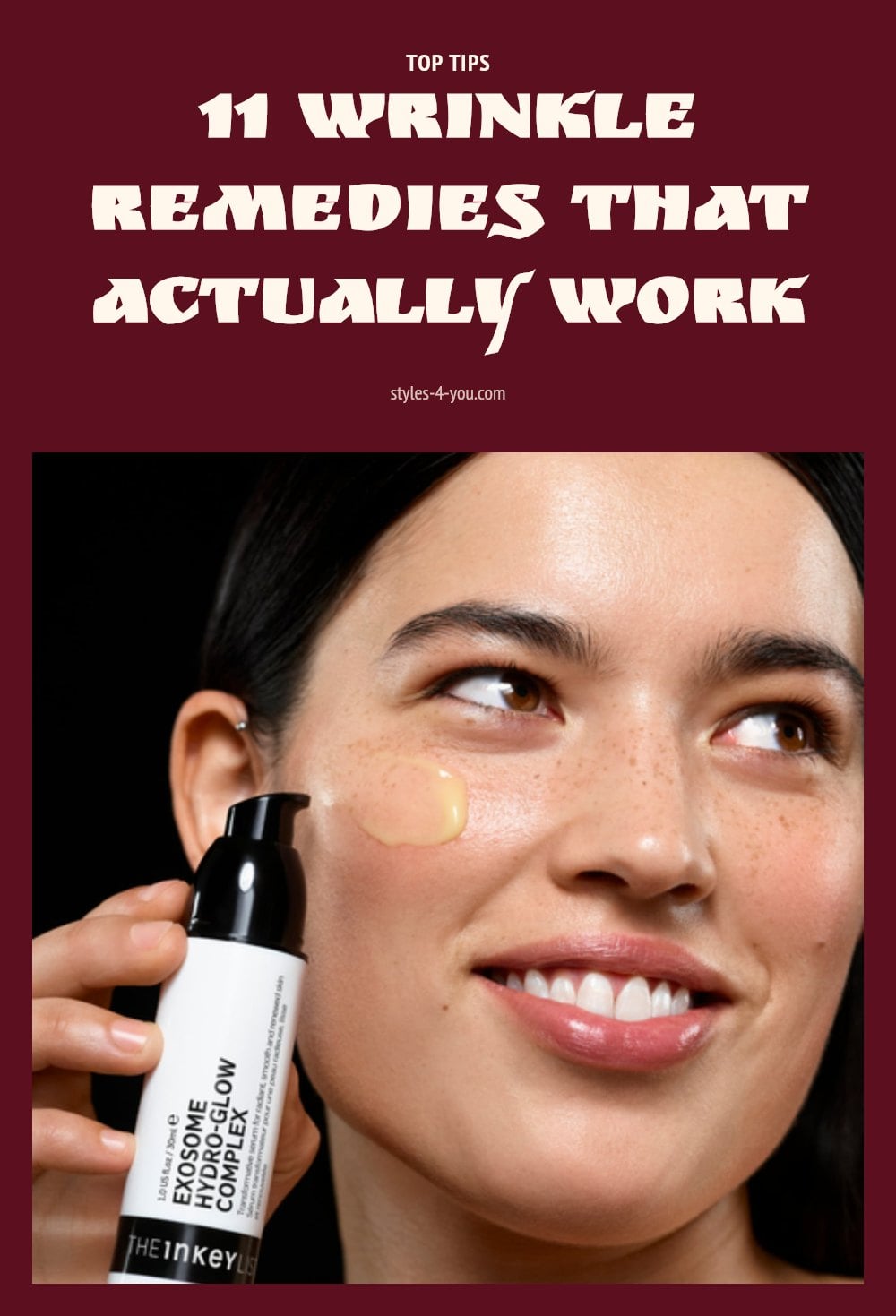
You’ve probably started noticing a few fine lines around your eyes or mouth and wondered what actually works to smooth them out. The truth is, wrinkles are a natural part of aging, but there are proven ways to reduce their appearance and keep new ones from forming. This article covers the 11 most effective remedies, from daily sunscreen and topical ingredients to professional treatments, so you can make informed choices for your skin.
Key Takeaways
- Apply broad-spectrum SPF 30+ sunscreen every morning, even on cloudy days.
- Use a retinoid at night, starting with a low concentration a few times a week.
- Add a Vitamin C serum to your morning routine to fight free radical damage.
- Hydrate with hyaluronic acid for an immediate, temporary plumping effect.
- Consider professional treatments like chemical peels or Botox for deeper wrinkles.
Effective Wrinkle Remedies
Wrinkles are a natural part of aging, but a combination of targeted skincare, consistent sun protection, and healthy lifestyle choices can significantly reduce their appearance and prevent new ones. Topical treatments like retinoids and antioxidants are powerful, while professional procedures offer more dramatic results for existing lines. Consistency is key, and consulting a dermatologist can help tailor the best approach for your skin.
1. Daily Broad-Spectrum Sunscreen
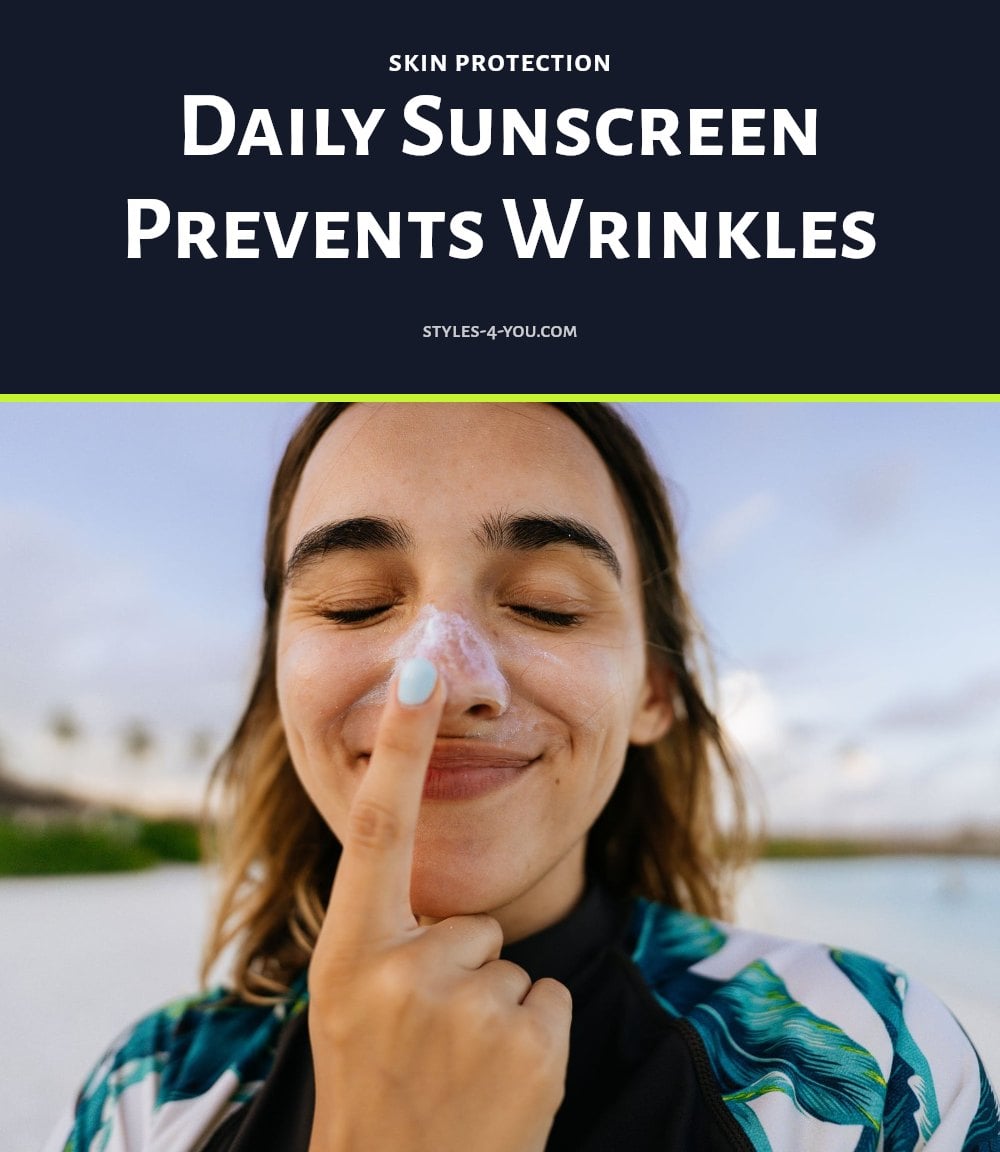
UV radiation is a primary cause of premature aging and wrinkles, so daily broad-spectrum sunscreen with SPF 30+ is non-negotiable. Apply it every morning, even on cloudy days, and reapply every two hours when outdoors or after sweating.
My tip: Make sunscreen the last step in your morning skincare routine before makeup. That way, you never skip it, and it sits on top of your serums for maximum protection.
2. Incorporate Topical Retinoids
Retinoids (like retinol or prescription tretinoin) are gold-standard ingredients for wrinkles because they boost collagen production and accelerate cell turnover. Start with a low concentration a few times a week and gradually increase frequency to minimize irritation, applying only at night.
Caution: Retinoids can make skin more sun-sensitive, so diligent sunscreen use is even more critical. If you experience persistent redness or peeling, reduce frequency and consult a dermatologist.
3. Boost with Vitamin C Serum
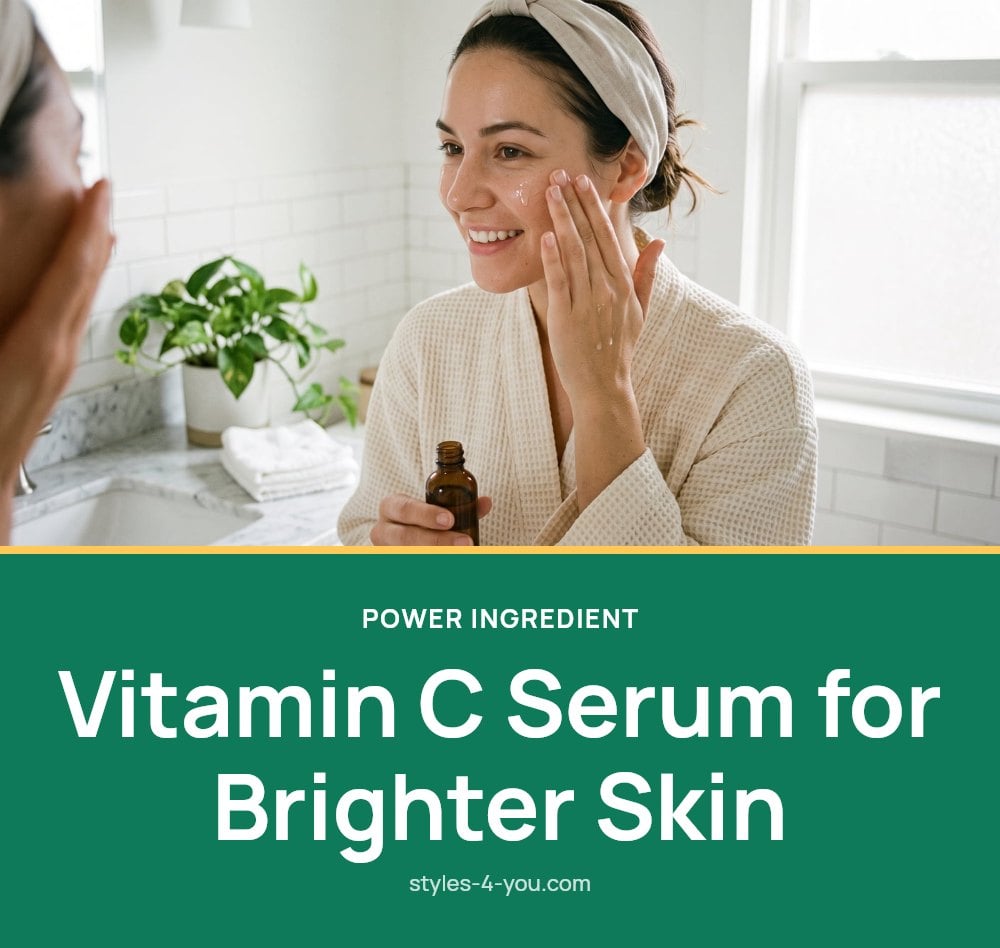
Vitamin C is a powerful antioxidant that protects skin from free radical damage, which contributes to collagen breakdown, and also helps brighten skin. Apply a Vitamin C serum in the morning after cleansing and before sunscreen to maximize its protective benefits.
My tip: Look for L-Ascorbic Acid in a stable formulation, often in opaque packaging, for best efficacy. Store it away from light and heat to keep it potent.
4. Hydrate with Hyaluronic Acid
Hyaluronic acid works as a humectant, meaning it pulls moisture into the skin and holds it there. That extra hydration plumps up the skin from within, which makes fine lines look softer and less defined. The effect is temporary, but it is immediate and reliable.
For the best results, apply hyaluronic acid to damp skin, right after cleansing or even after a hydrating toner. Water on the surface gives the ingredient something to grab onto.
Tip: Follow with a moisturizer to seal the hydration in. If you skip that step, hyaluronic acid can pull moisture out of your skin instead of into it, leaving you drier than before.
5. Consider Peptides and Ceramides
Peptides are short chains of amino acids that act as messengers, signaling your skin to produce more collagen. Ceramides, on the other hand, are lipids that strengthen your skin’s barrier, which helps lock in moisture and keeps irritants out. Together, they make your skin more resilient against wrinkle formation.
You’ll find both in many moisturizers and serums, often formulated together. They work well alongside other actives and are generally gentle, so they suit most skin types.
Good to know: If your skin is sensitive to retinoids, swap in a peptide-rich moisturizer for your evening routine. It supports collagen without the irritation risk.
6. Exfoliate Gently with AHAs/BHAs
AHAs and BHAs gently exfoliate by dissolving the bonds between dead skin cells, revealing smoother, brighter skin underneath. This helps reduce the look of superficial fine lines over time. Use them a few times a week, starting with a lower concentration to see how your skin reacts.
- AHAs work on the skin’s surface, ideal for dry or sun-damaged skin.
- BHAs penetrate deeper into pores, better for oily or acne-prone skin.
Caution: Over-exfoliating can irritate your skin and weaken its barrier, so stick to 2-3 times weekly. Always follow with sunscreen, since AHAs increase sun sensitivity.
7. Quit Smoking and Limit Alcohol
Smoking is one of the fastest ways to age your skin. It damages collagen and elastin, the proteins that keep skin firm and springy, which leads to deeper wrinkles and a dull, uneven complexion. If you smoke, quitting is the single most impactful step you can take for your skin’s health and appearance.
Alcohol is another culprit. It dehydrates the skin, making fine lines more visible and contributing to premature aging. Limiting alcohol and drinking plenty of water helps maintain your skin’s moisture balance.
- Pro move: If you smoke, talk to your doctor about cessation programs. Your skin will thank you.
- Good to know: Even reducing alcohol intake a few nights a week can make a noticeable difference in your skin’s glow.
8. Prioritize Quality Sleep

Your body uses sleep to repair itself, and your skin is part of that process. Chronic lack of sleep can impair this repair, potentially making wrinkles more noticeable. Aim for 7-9 hours of quality sleep each night.
My tip: Consider sleeping on your back or using a silk pillowcase. Both can minimize “sleep wrinkles” caused by facial compression against a standard pillow.
9. Manage Stress Effectively
Chronic stress raises cortisol levels, which can break down collagen and elastin, the proteins that keep skin firm and smooth. Managing stress is therefore a real part of wrinkle prevention, not just a wellness trend.
Incorporate stress-reducing activities like yoga, meditation, or time in nature into your weekly routine. My tip: even 10-15 minutes of daily mindfulness can make a difference for your mental well-being and your skin.
10. Explore Professional Treatments

For more significant wrinkle reduction, professional treatments can be highly effective. Chemical peels and microdermabrasion improve skin texture by removing outer layers. Botulinum toxin injections (Botox) relax dynamic wrinkles, while dermal fillers restore volume and plump static lines.
Caution: These procedures carry risks and should only be performed by qualified medical professionals. Results vary, and maintenance sessions are often needed to sustain the effect.
11. Eat an Antioxidant-Rich Diet
A balanced diet rich in fruits, vegetables, and healthy fats provides antioxidants that protect skin cells from damage and support overall skin health. Foods high in Vitamin C (citrus, berries) and Vitamin E (nuts, seeds) are particularly beneficial for collagen support.
My tip: think of your plate as a rainbow. A wide array of colorful produce ensures you get a diverse range of nutrients for glowing skin from within.
When to Consult a Professional
If you are unsure which topical treatments suit your skin type or specific concerns, a dermatologist can help you narrow down the options without guesswork. When over-the-counter products are not delivering the results you want for existing wrinkles, professional guidance may uncover a more effective approach. Before pursuing procedures like injectables, lasers, or advanced peels, consult a qualified medical professional to discuss risks and expected outcomes. Also seek advice if you experience persistent irritation, allergic reactions, or adverse effects from any skincare product, since these may signal a need to adjust your routine.
Frequently Asked Questions
How long does it take for wrinkles to disappear?
Wrinkles don’t completely disappear, but their appearance can be significantly reduced. Topical treatments like retinoids typically need 3 to 6 months of consistent use to show noticeable improvements in fine lines and texture. Professional procedures may offer faster results, but they often require ongoing maintenance sessions.
Can drinking water alone prevent wrinkles?
Drinking water is important for overall health, but it’s not a standalone solution for wrinkles. While adequate hydration supports skin health, the primary causes of wrinkles are sun damage, collagen loss, and repeated facial movements. For prevention, daily sunscreen, a healthy diet, and good sleep are more effective than water alone.
Are natural remedies effective for deep wrinkles?
Natural remedies like oils or homemade masks may help moisturize and improve skin texture, but they are unlikely to significantly affect deep wrinkles. Deep wrinkles are caused by structural changes in collagen and elastin, which require more targeted treatments like retinoids, professional procedures, or injectables. For the best results, consult a dermatologist.
What’s the best age to start anti-wrinkle treatments?
There’s no single ‘best’ age, but starting prevention early is key. Many dermatologists suggest beginning a basic routine with sunscreen and antioxidants in your 20s, and introducing retinoids in your late 20s or 30s. The goal is to protect collagen before significant breakdown occurs, making it easier to maintain smooth skin later.
Do facial exercises help with wrinkles?
Facial exercises are a topic of debate. Some small studies suggest they may help strengthen facial muscles and improve appearance, but repetitive movements can also contribute to dynamic wrinkles over time. If you try them, be gentle and avoid pulling or stretching the skin. For reliable results, stick to proven skincare and professional treatments.
Final Thoughts
My tip: Start with the basics, daily sunscreen and a retinoid, and give them time. Most topical treatments need consistent use for several months, often 3 to 6 months, before you see noticeable changes in fine lines. If you’re not seeing progress or have deeper wrinkles, a dermatologist can guide you toward professional options that may work faster but require maintenance.
Remember, wrinkles are a normal part of life, and the goal is to feel comfortable in your skin, not to erase every line.
This article is for general information only and is not a substitute for professional medical or dermatological advice. Skincare products and treatments affect everyone differently, and some may cause irritation or allergic reactions. If you have persistent skin concerns, severe reactions, or are considering professional procedures, please consult a qualified healthcare provider or dermatologist.
More Blog ideas
- Your Essential Guide to a Healthy Feminine Hygiene Routine
- Best High Protein Foods to Eat Daily for Health and Energy
- Feeling Stuck: 12 Small Steps to Get Unstuck
- Winter Skin Survival Tips
- How to Get a Flat Stomach
- How to Fix Damaged Hair and Restore Its Health
- Full-Body Kettlebell Workout
- Dry Scalp vs. Dandruff
- Full Body Workout for Beginners
- 21 Easy Beauty Tips Every Woman Should Know
- Feminine Energy: 15 Daily Habits to Feel More Radiant
- Upper Body Workout for Women at Home






